

Top 50 Detroit Tigers
Founded in 1901, the Detroit Tigers have been staples in the American League since its inception.The Tigers have had their ups and downs for sure, but the team has been in the World Series eleven times and won the Fall Classic four times in 1935, 1945, 1968, and 1984.
With over a century of players to choose from, the Top 50 Detroit Tigers is loaded with Hall of Famers, should have beens and future Cooperstown performers.
Note: Baseball lists are based on:
- Sabremetric tallies while with that team, mostly WAR.
- Traditional metrics and how they finished in their respective league overall.
- Playoff accomplishment.
- Their overall impact on the team and other intangibles not reflected in a stat sheet.
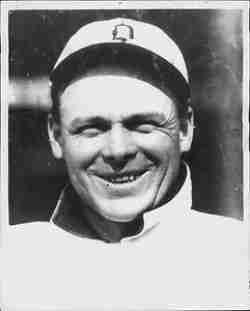
George Mullin was the immovable object at the center of the first great Detroit Tigers dynasty. A thick-set right-hander with a legendary appetite and an even greater capacity for work, Mullin was the engine that allowed Ty Cobb and Sam Crawford to chase pennants. While he was often a statistical outlier for his lack of control, frequently leading the league in walks, he compensated with a specialized durability that has never been matched in franchise history. Mullin’s ascent in Detroit began in 1902, and he immediately showed his ability as a workhorse. In just his third season, he reached a…
SEATTLE MARINERS VS. ATHLETICS
Sep 05, 2026
Buy your Tickets to see Seattle Mariners vs. Athletics HERE!
NEW YORK METS VS. SAN FRANCISCO GIANTS
Sep 05, 2026
Buy your Tickets to see New York Mets vs. San Francisco Giants HERE!
MIAMI MARLINS VS. CHICAGO CUBS
Sep 05, 2026
Buy your Tickets to see Miami Marlins vs. Chicago Cubs HERE!
PHILADELPHIA PHILLIES VS. ATLANTA BRAVES
Sep 05, 2026
Buy your Tickets to see Philadelphia Phillies vs. Atlanta Braves HERE!
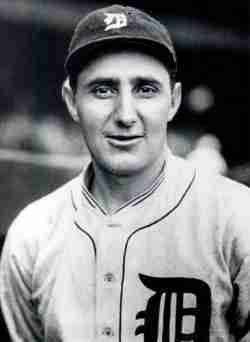
The story of "Hooks" Dauss is one of quiet, unwavering longevity in a city that usually preferred its stars loud and aggressive. Arriving in Detroit just as the first great Tigers dynasty was beginning to pivot, Dauss didn't rely on the raw velocity of his predecessors. Instead, he possessed a specialized curveball so devastating that it earned him a nickname that followed him for fifteen seasons. While he spent much of his prime pitching behind the shadow of Ty Cobb’s offensive fireworks, Dauss became the steady rock of the Detroit rotation. Dauss began to establish his foothold in 1913, his…
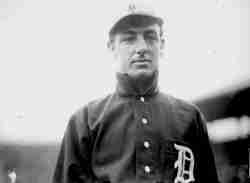
Bill Donovan didn’t just change teams when he arrived in Detroit in 1903; he changed the trajectory of the franchise. Having "jumped" from the National League’s Brooklyn Superbas to the upstart Tigers, he brought a specialized, high-velocity heater that earned him the nickname "Wild Bill." His early years in the Motor City were defined by a high-frequency workload, as he routinely threw over 250 innings while battling the control issues that came with his raw power. He wasn't a finished product yet, but he was a model of physical resilience, providing a steady presence in the rotation as the Tigers…
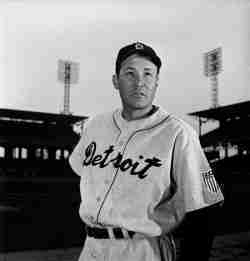
Rudy York arrived in Detroit as a defensive puzzle but an offensive powerhouse, a man whose specialized power was so undeniable the Tigers had to find a place for him on the diamond. Whether he was behind the plate or at first base, York provided a high-frequency home run threat that bridged the gap between the era of Mickey Cochrane and the post-war stars. For a decade in the Motor City, he was the middle-order muscle that kept the Tigers in the hunt, proving he could produce elite numbers regardless of whether the league's best were on the field or…
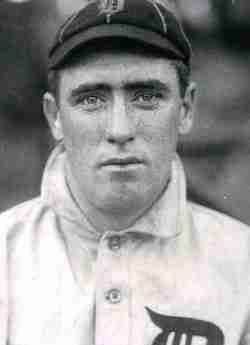
Donie Bush arrived in Detroit as a defensive specialist whose glove was as quick as his name was short. In an era where the Tigers' lineup featured the thunder of Ty Cobb and Sam Crawford, Bush provided the quiet, tactical foundation that allowed the offense to function. For fourteen seasons, he anchored the middle of the infield, proving that a player could become a franchise pillar not by overpowering the ball, but by mastering the art of the walk and the precision of the shortstop position. Bush’s rise in Detroit began with an immediate impact on the grass in 1908.…
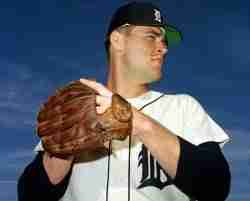
For a brief, white-hot stretch in the late sixties, Denny McLain wasn't just the best pitcher in the American League; he was a cultural phenomenon who lived life at a breakneck speed that mirrored his fastball. While his time at the summit was fleeting, McLain provided the Motor City with a statistical explosion that remains one of the most singular achievements in the history of the sport. McLain’s rise in Detroit began with a glimpse of his massive ceiling in the mid-sixties. He broke out in 1966, winning 20 games for the first time and signaling a transition from a…
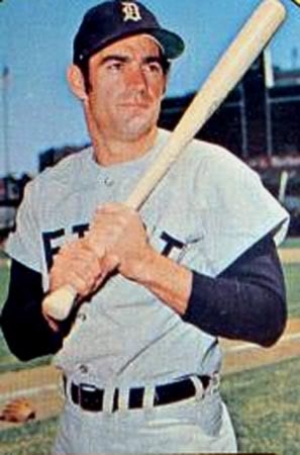
Dick McAuliffe arrived in Detroit as a gritty infielder who defied every conventional rule of the batter's box. With a wide-open, leg-kicking stance that looked more like a challenge than a technique, he became the high-energy spark plug for the most beloved era of Tigers baseball. Dick McAuliffe arrived in Detroit as a gritty infielder who defied every conventional rule of the batter's box. With a wide-open, leg-kicking stance that looked more like a challenge than a technique, he became the high-energy spark plug for the most beloved era of Tigers baseball. For fourteen seasons, he anchored the middle of…
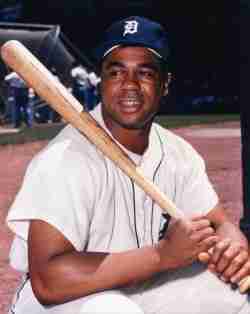
Willie Horton arrived in Detroit as a local hero, a graduate of Northwestern High School who signed with his hometown team at age 18. For parts of fifteen seasons, he served as the powerful left-field engine of the Tigers, a man whose strength was legendary and whose connection to the city went far beyond the box score. While he was a perennial threat in the heart of the order, it was his presence as a community pillar that cemented his status as one of the most significant figures in the history of the franchise. Horton’s rise in Detroit reached a…
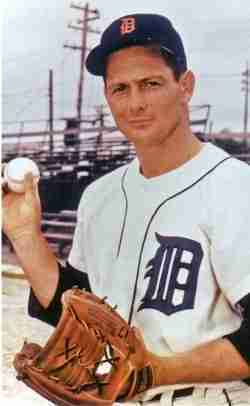
Frank Lary arrived in Detroit as a workhorse right-hander who possessed a unique psychological edge over the most dominant dynasty in the sport. While he was a reliable presence against the entire American League, he earned his place in Tigers folklore as the "Yankee Killer," a pitcher who seemed to reach a different level of intensity whenever the pinstripes were in the opposing dugout. Lary’s emergence in Detroit reached a definitive peak during the 1956 campaign. After showing promise in his initial seasons, he secured his place as a premier starter by leading the American League with 21 wins. This…
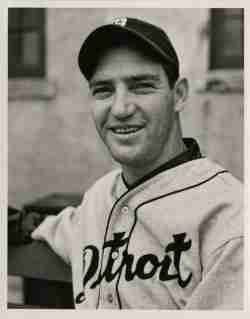
Lynwood "Schoolboy" Rowe arrived in Detroit as a towering right-hander with a high-velocity fastball and a persona that captivated the Motor City. Standing 6'4" and possessing a specialized blend of southern charm and competitive fire, he became a national sensation during the heart of the Great Depression. Rowe’s emergence in Detroit reached a definitive breakout during the historic 1934 campaign. After showing promise as a rookie, he secured his place as a frontline starter by winning 16 consecutive games, an American League record at the time. This performance signaled a transition from a young prospect to a premier outlier who…
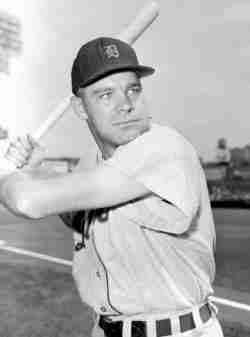
Harvey Kuenn emerged in Detroit as a natural hitting machine, a player whose bat was so advanced that he bypassed the minor leagues entirely. For eight seasons, he anchored the top of the Tigers' lineup with a specialized ability to spray line drives to all fields, becoming the most consistent contact hitter of the 1950s. While his defensive range in the outfield and at shortstop remained a liability, Kuenn provided the Motor City with a level of offensive consistency that made him a perennial fixture in the American League All-Star starting lineup. He secured his place as a premier offensive…
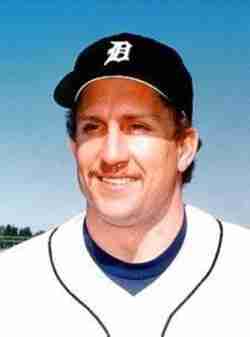
A physical marvel behind the plate, Lance Parrish was a catcher whose sheer strength and defensive prowess earned him the moniker "Big Wheel." During an era when the position was defined by grit and durability, Parrish provided a specialized combination of elite power and a cannon-like arm that anchored the Tigers' defense for a decade. Parrish during the 1980 campaign. After establishing himself as the everyday starter, he secured his place as a premier offensive threat by hitting 24 home runs and earning his first All-Star selection. Between 1982 and 1984, Parrish reached a career peak for all-around value, winning…
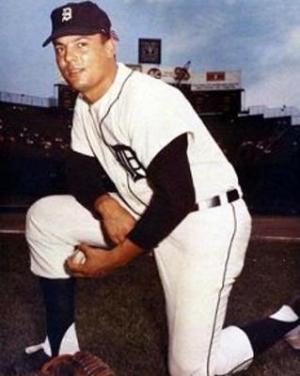
John Hiller carved out a unique place in Detroit history as a left-handed reliever whose career defined the very concept of resilience. While he first established himself as a versatile arm for the 1968 championship squad, his path to becoming a franchise icon was nearly derailed by a massive physical setback. For fifteen seasons, he anchored the Tigers' bullpen, proving that a player could become a premier pillar of the organization by mastering the specialized role of the late-inning stopper long before the modern closer was a standard fixture of the game. During the 1968 season, he provided the dependable…
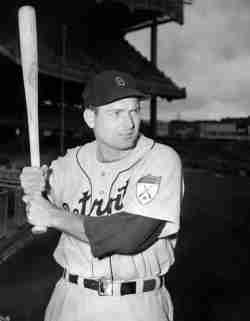
George Kell found his footing in Detroit after a mid-season swap with the Philadelphia Athletics in 1946, a move that immediately solidified the Tigers' infield. For seven seasons, he personified the pure contact hitter, utilizing a short, level swing to spray line drives across the grass of Briggs Stadium. While the era was often defined by the long ball, Kell carved out a Hall of Fame trajectory by mastering the strike zone. during the 1949 season. In a race that came down to the final afternoon, he edged out Ted Williams to capture the American League batting title with a…
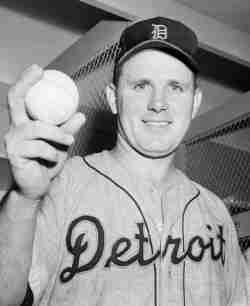
Virgil Trucks earned his "Fire" nickname in Detroit by overwhelming hitters with a high-velocity fastball that anchored the Tigers' rotation for over a decade. After debuting in 1941, he quickly became a centerpiece of the pitching staff, providing a gritty, power-pitching presence that helped define the post-war era in the Motor City. For 12 seasons, he served as a reliable cog in the Detroit rotation. Trucks’ journey in a Detroit uniform reached an immediate championship high in 1945. After returning from military service late in the year, he was thrust into the heat of a pennant race and responded by…

Tarik Skubal emerged as the premier left-handed starter in the American League by way of the 2018 draft, a ninth-round find out of Seattle University who completely defied his modest draft slot. After debuting in the shortened 2020 season, he quickly established a reputation for high-velocity heat and a menacing presence on the mound. Skubal’s trajectory in a Detroit uniform began to shift during a breakout 2021 rookie campaign, where he led the staff in wins and became the first Tigers rookie to strike out 100 batters before the All-Star break. While he showed the organization that he was a…
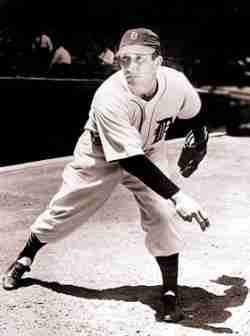
Fred Hutchinson arrived in Detroit with a reputation as a phenom, a 19-year-old right-hander from the Pacific Northwest who had already dominated the minor leagues. While his initial transition to the American League was a difficult stretch defined by inconsistent results, he quickly evolved into the Tigers’ most reliable tactician on the mound. For ten seasons in a Detroit uniform, he provided a specialized brand of control that was decades ahead of its time. Hutchinson’s journey in a Tigers jersey reached a historic breakout following his return from World War II. After losing four prime years of his career to…
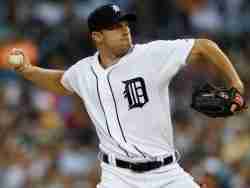
Max Scherzer arrived in Detroit as part of a blockbuster three-team trade in 2010, a young right-hander with an electric arm and a distinctive three-quarters delivery that many scouts feared would lead to the bullpen. Instead, he transformed into a cornerstone of a rotation that dominated the American League Central for half a decade. When he first arrived in 2010, the "stuff" was undeniable, but the consistency was elusive; he even spent a brief stint in Triple-A Toledo that May to iron out his mechanics and find a more repeatable rhythm. He returned with a vengeance, flashing his potential with…
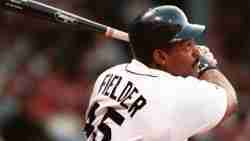
Cecil Fielder arrived in Detroit as the greatest mystery in baseball, a former part-time prospect who had vanished into the Japanese Central League only to return as a completely transformed offensive powerhouse. Signed by the Tigers in early 1990 after a year with the Hanshin Tigers, he immediately shattered the expectations of a league that had largely written him off, and in his first three years back, he was the most feared power hitter in the AL. Fielder’s impact in a Detroit uniform reached a historic peak the moment he stepped back onto American soil in 1990. In a season…
