


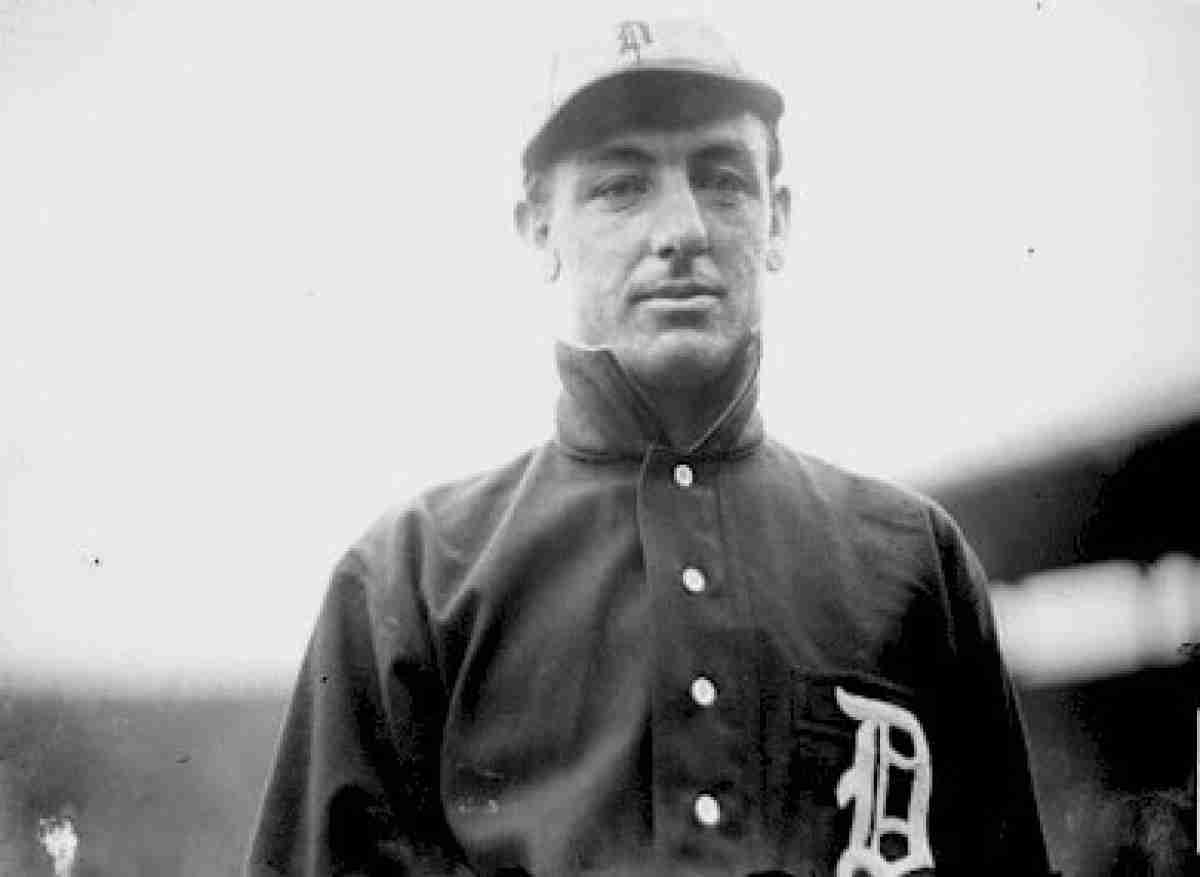

Bill Donovan didn’t just change teams when he arrived in Detroit in 1903; he changed the trajectory of the franchise. Having "jumped" from the National League’s Brooklyn Superbas to the upstart Tigers, he brought a specialized, high-velocity heater that earned him the nickname "Wild Bill." His early years in the Motor City were defined by a high-frequency workload, as he routinely threw over 250 innings while battling the control issues that came with his raw power. He wasn't a finished product yet, but he was a model of physical resilience, providing a steady presence in the rotation as the Tigers built a contender around Ty Cobb.
Everything clicked into a historic gear during the 1907 campaign. That summer, Donovan moved past his "wild" reputation and reached a career high-water mark for efficiency. He finished the season with a 25-4 record, setting a franchise-record .862 winning percentage that remains untouched over a century later. He wasn't just a volume thrower; he was a model of high-leverage dominance, maintaining a 2.19 ERA and leading the American League to its first pennant of the era. This season signaled his transition from a talented arm to a true franchise pillar.
The middle of his tenure saw him serve as the engine for two more pennant-winning rotations in 1908 and 1909. During this stretch, Donovan was a specialized big-game performer. He reached a new level of reliability, winning 18 games in 1908 and proving his 25-win breakout was no fluke. He possessed a focused intensity that allowed him to thrive as a "horse" in the rotation, and his craftsmanship extended to the batter's box. As an above-average hitter for a pitcher, he finished his Detroit run with 230 hits and a .207 average, often providing the specialized offense needed to keep a rally alive.
The final chapters of his Detroit story reached a natural crescendo as the heavy workloads of the Deadball Era began to catch up with him. While his efficiency dipped in the early 1910s, he maintained a veteran-like poise, mentoring the younger arms before moving on to a career in managing. He left the organization with 140 wins and a legacy as the most electric pitcher of the team's first golden age.






Comments powered by CComment