


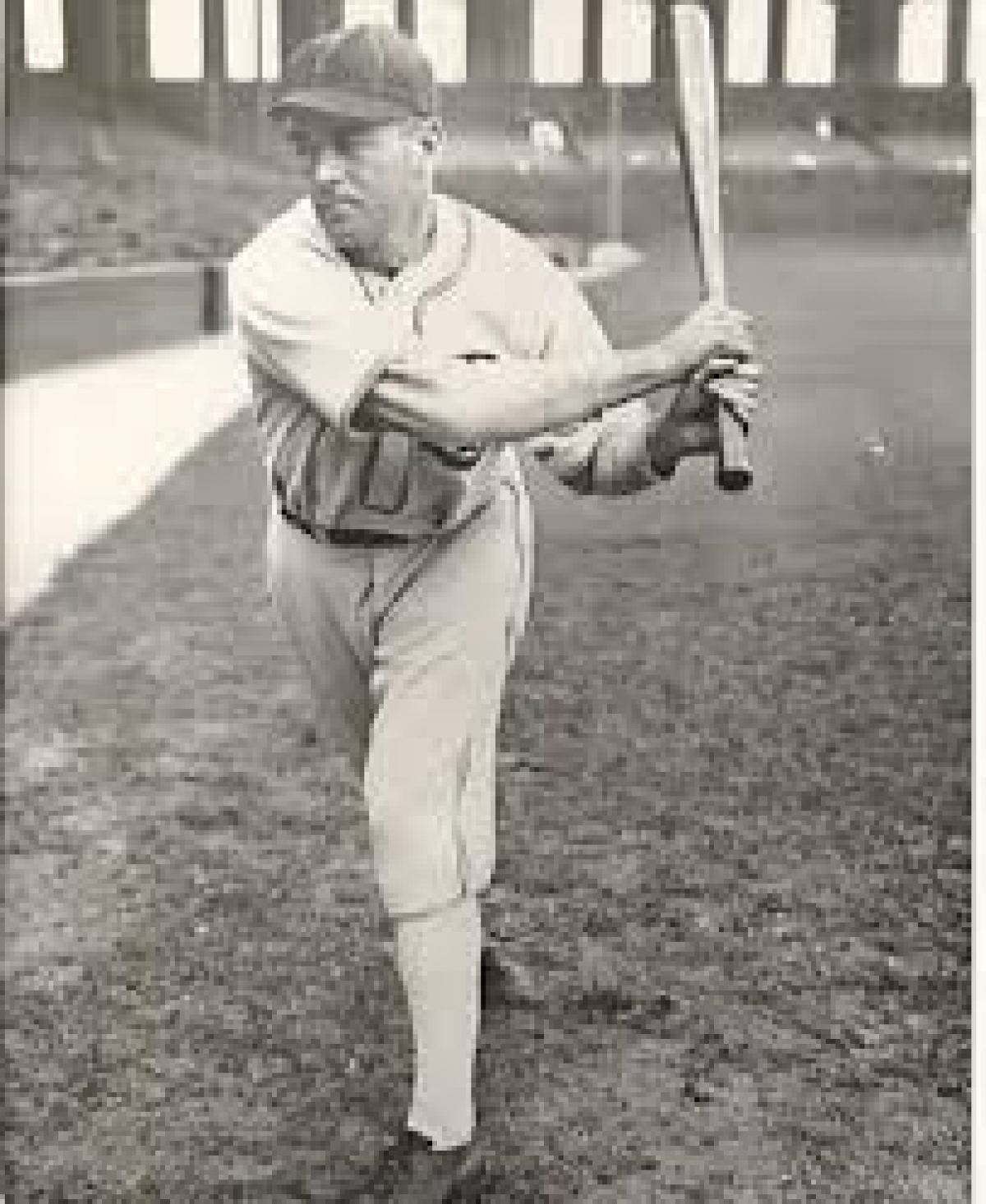


The landscape of Chicago baseball shifted in 1922 when the organization bought Kamm from the Pacific Coast League for the then-unheard-of sum of $100,000. He matured instantly into a defensive wizard, bringing a level of consistency to third base that the American League had rarely seen. Kamm was a tactical master of his position, leading the league in fielding percentage six different times during his Chicago tenure. Had the Gold Glove been a reality in the 1920s, his trophy case would have been overflowing; he possessed a glove-shaped vacuum and a rare internal clock that allowed him to turn certain base hits into routine outs.
While his defense was his calling card, Kamm was a highly sophisticated offensive threat who understood the value of the free pass. He arrived as a high-average prospect and evolved into a disciplined catalyst, famously leading the American League in walks in 1925. He wasn't a prototypical slugger of the "Live-ball" era, but his ability to reach base and keep the line moving was vital to the Chicago offense. He maintained a respectable .279 batting average during his time with the club, proving that his value was rooted in a rare balance of elite run prevention and patient run production.
Reliability and a deep connection to the city became the hallmarks of his identity. Kamm was a fixture in the Chicago infield for nine seasons, providing a level of stability that made him one of the most popular figures of his generation. He was a high-volume producer who amassed 1,136 hits in a White Sox uniform, serving as the steady pulse of a team navigating a difficult transition period. Whether he was charging a bunt with barehanded brilliance or working a deep count to spark a rally, he played with a professional calm that resonated with the South Side faithful.
The chapter eventually reached its conclusion in mid-1931, when a trade sent him to the Cleveland Indians.

Comments powered by CComment