


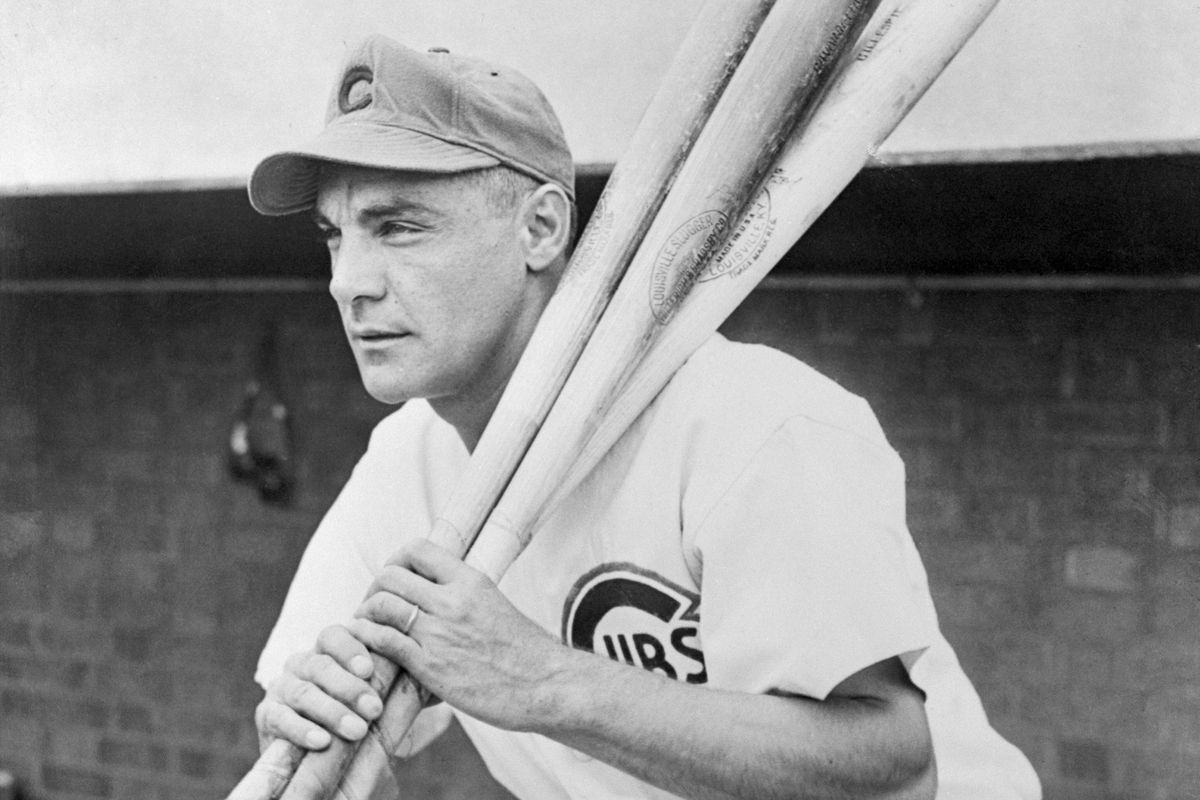


When Phil Cavarretta first stepped onto the grass at Wrigley Field in 1934, he was a mere teenager, making his debut just weeks after his 18th birthday. He arrived with the heavy burden of "future star" expectations, but for much of his early twenties, it looked like those expectations would be crushed by the training room table. Between 1936 and 1941, Cavarretta was a frequent visitor to the injury list, struggling to find the consistency or the health to stay in the lineup for a full season. He was a player in limbo, talented enough to keep, but too fragile to count on.
The arrival of the 1940s and the vacuum left by the war effort finally gave Cavarretta the opening he needed. In 1942, his body finally cooperated, and he embarked on a five-year stretch of dominance that transformed him from a "what if" into a National League icon. From 1943 to 1947, he was a fixture at the All-Star Game, providing the Cubs with a high-contact bat and a steadying presence at first base and in the outfield.
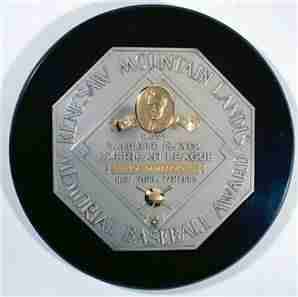
His 1945 campaign remains one of the most complete individual seasons in the organization's history. Cavarretta didn't just win the batting title; he served as the engine that drove the Cubs to the pennant, capping his MVP year with a nearly superhuman performance in the World Series. Despite the team's loss to Detroit, Cavarretta’s .423 average in the Fall Classic cemented his status as a big-game performer. He was the man who turned a wartime roster into a championship contender through sheer offensive efficiency.
The final decade of his Chicago run was characterized by a gradual transition into a "statesman" role. As his workload reduced and his legs aged, he remained a beloved figure for the Cubs faithful, eventually amassing 1,927 hits in the pinstripes. His departure was a quiet one, released after the 1953 season after twenty years in the system, but his legacy was already secured. He arrived as an 18-year-old boy and left as a 20-year veteran of the North Side wars. When the Cubs Hall of Fame opened its doors in 2021, Cavarretta’s inclusion in the inaugural class was a fitting tribute to a man who spent nearly his entire adult life representing Chicago.

Comments powered by CComment