


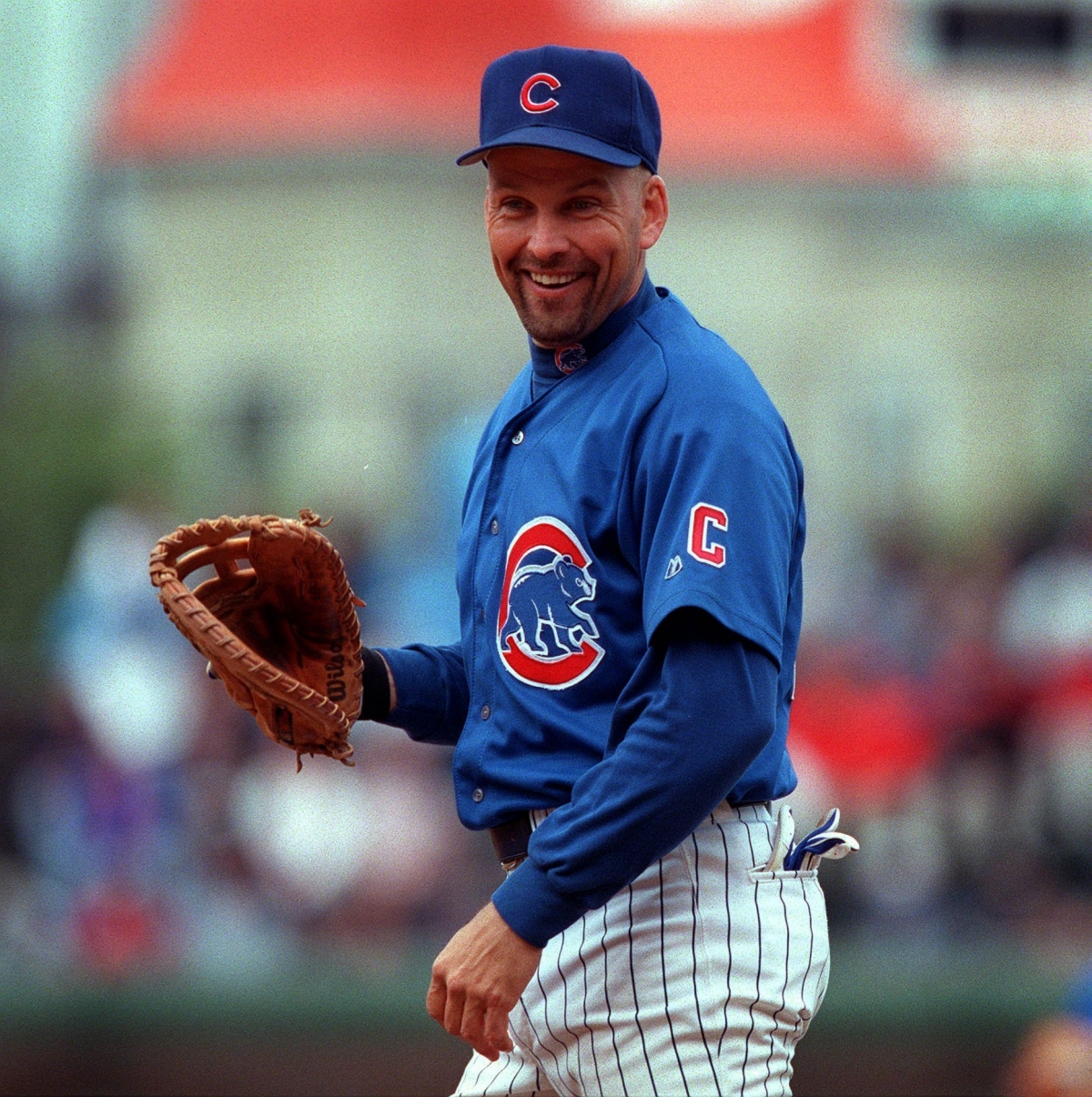

When Mark Grace was drafted in the 24th round in 1985, he arrived with almost no fanfare. Most scouts didn't expect a kid chosen that low to ever see the Ivy at Wrigley, but Grace didn't seem to care for their projections. He cracked the roster in 1988 and immediately locked down first base, finishing second in the Rookie of the Year race. He wasn't the stereotypical "slugging" first baseman of the era; he was a pure, high-contact technician who used the entire field. He arrived as a long shot and left the rookie season as a cornerstone, proving that a refined approach could be just as lethal as a 500-foot blast.
The middle of his Chicago residency was defined by a staggering, almost robotic consistency. Throughout the 1990s, Grace collected more hits and more doubles than any other player in Major League Baseball—a feat that often gets lost in the shadow of the era's power surge. He was a perennial .300 hitter, reaching that mark nine times in a Cubs uniform and frequently appearing in the National League's top ten for batting average. He possessed a discerning eye at the plate, twice posting an on-base percentage over .400. While he wasn't a "superstar" in the home run column, his 2,201 hits and 1,004 RBIs as a Cub made him the primary engine of the North Side offense.
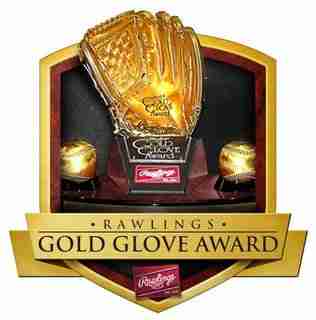
Defensively, Grace was the gold standard for his generation. A four-time Gold Glove winner, he played first base with a surgical grace that made difficult scoops look routine. He was a three-time All-Star who became a fan favorite not just for his glove, but for his dry wit and his status as the "professional" in a lineup that often shifted around him. He was the rare "solid contributor" who played at such a high level for so long that he elevated himself into the franchise’s elite tier, serving as the bridge between the Ryne Sandberg era and the arrival of the next generation of Cubs stars.
The final walk toward the exit came after the 2000 season, a departure that felt like the end of an era for the Wrigley faithful. Grace signed with the Arizona Diamondbacks as a free agent, and in a bittersweet twist for Chicago fans, he finally captured the World Series ring that had eluded him on the North Side in his very first year in the desert. He left the Cubs with a career .308 average and a legacy of blue-collar reliability that hasn't been matched at first base since.
Mark Grace arrived as a 24th-round afterthought and left as a North Side legend. He proved that you don't need to lead the league in home runs to lead a decade in hits, and that sometimes, the most valuable player on the field is the one who simply refuses to make an out.

Comments powered by CComment