

133. Vern Stephens
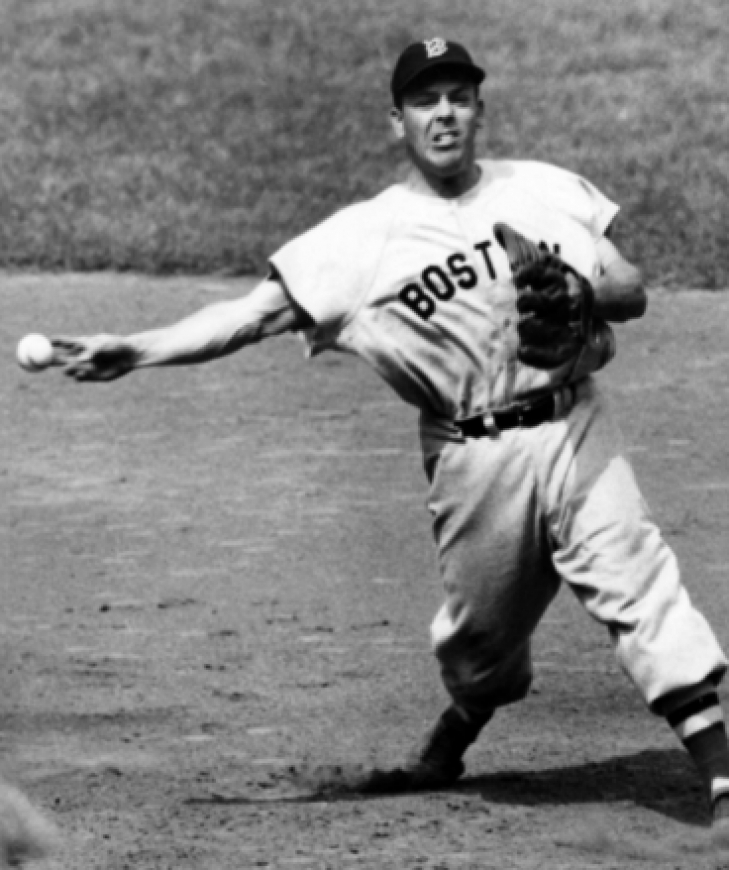
We here at Notinhalloffame.com talk every day about those who should be in their respective Halls of Fame. The hottest sports debate in this context might be in baseball. Vern Stephens might have a Hall of Fame case, but before we go there, we can say without question that he is the greatest player who never made the ballot.
Vern Stephens would debut in 1941 for the St. Louis Browns, where he would secure the starting role at Shortstop for the club in the following season. He would instantly establish himself as one of the best hitting Shortstops in baseball. He would have at least 20 Home Runs each year from 1943-45, and he would win the AL Home Run Title in 1945 and the RBI Title in 1944.
He would later join the Boston Red Sox in 1948, where he was an All-Star each year from 1948 to 1951; he had two 30-home-run seasons and led the AL in RBIs in both 1949 and 1950. He finished his career with the White Sox and Orioles and had 1,859 Hits with 274 Home Runs; great numbers for a Shortstop of his era.
Stephens may have had great seasons in the forgotten Browns and during the MLB-depleted WWII years, but he was still a great player. Again, we have an eight-time All-Star, who was never on the Baseball Hall of Fame ballot. How could this have happened? He would later make a Veteran’s Committee Ballot, but still, he deserved so much better.
21. Vern Stephens
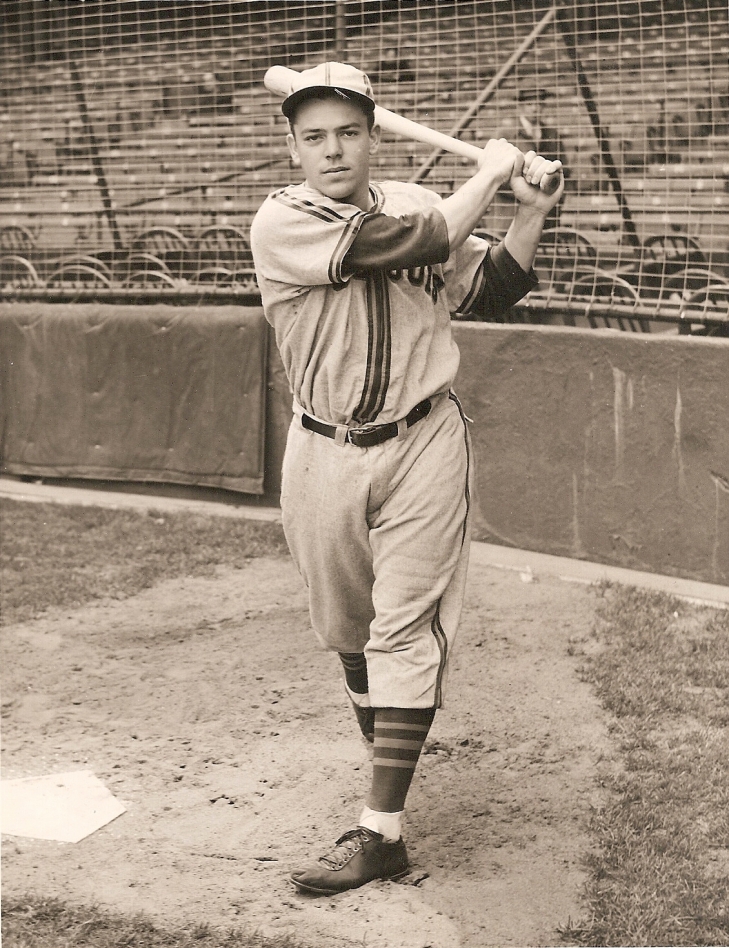
Vern Stephens arrived in St. Louis in 1941, quickly establishing himself as one of the most dynamic young talents in the American League. While many of his contemporaries departed for military service during World War II, Stephens remained a fixture in the Browns' lineup, producing a standard of offense rarely seen from the shortstop position in that era.
His impact was immediate. In his first full season in 1942, Stephens batted .294 and slugged 14 home runs, finishing an incredible fourth in the American League MVP voting. From 1943 to 1945, he reeled off three consecutive All-Star selections and three straight 20-home run campaigns. His peak in St. Louis arrived during the historic 1944 season; Stephens led the American League with 109 RBIs, serving as the offensive heartbeat of the team that captured the only American League Pennant in Browns history. He followed that performance in 1945 by leading the league with 24 home runs, cementing his reputation as a premier slugger.
Though Stephens would eventually be traded to the Boston Red Sox after the 1947 season—where he continued his All-Star trajectory—his legacy in St. Louis remains unmatched for a middle infielder. He departed the Browns with exactly 1,100 hits, 121 home runs, and a robust .292 batting average. In the Project Diamond lab, Stephens stands as the gold standard for offensive production at shortstop during the franchise's St. Louis years.
49. Vern Stephens

In the late 1940s, shortstop was a position reserved for defensive wizards and contact hitters—men who bunted and scratched out runs. Then came Vern Stephens. Already a home run champion with the St. Louis Browns, Stephens arrived in Boston in 1948 and immediately looked like a man born to play in front of the Green Monster. He didn't just join the Red Sox; he became the thunderous second half of a one-two punch with Ted Williams that remains one of the most terrifying middle-of-the-order combinations in the history of the game.
His five-year run in Boston was a relentless assault on the record books. From 1948 to 1950, Stephens produced a three-year peak that felt more like a glitch in the era's physics. He launched 98 home runs and drove in a staggering 440 runs in that window alone, capturing back-to-back RBI titles in 1949 and 1950. His 1949 season was his masterpiece: 39 home runs and a record-shattering 159 RBIs, a total that still stands as a benchmark for what a shortstop can achieve. To Ted Williams, Stephens wasn't just a teammate; he was the most effective protection he ever had in a lineup.
As the 1950s progressed, the heavy workload and the physical demands of the position began to take their toll. By 1952, injuries had sapped some of the lightning from his bat, and he was dealt to the White Sox before the 1953 season. He left the Fens with 122 home runs and a reputation as the man who proved a shortstop could be a cleanup hitter. While the baseball world occasionally forgets how dominant he was, the Red Sox never did, officially immortalizing him in the franchise Hall of Fame in 2006. He arrived as a trade-market gamble and left as the man who redefined his position, proving that power knows no defensive boundaries.
