


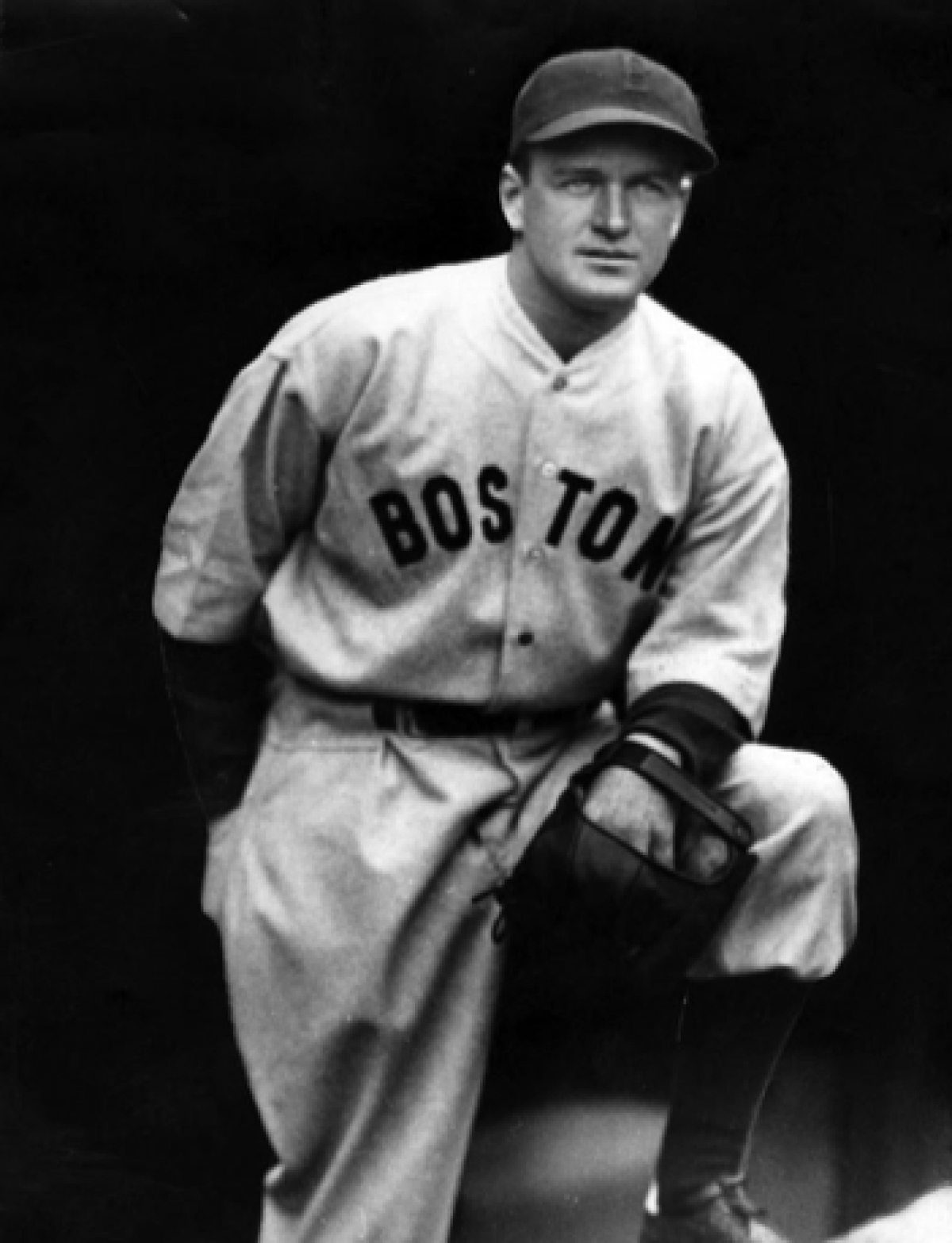




Joe Cronin arrived in Boston in 1935 not just as an elite shortstop, but as the "Field General" charged with transforming the franchise. After a runner-up MVP finish in Washington, the Red Sox traded for Cronin to lead both their defense and their dugout. Despite a leg injury that hampered his 1936 season, he authored a five-year peak (1937–1941) that redefined the offensive ceiling for his position. During this stretch, he was a metronome of productivity, never recording fewer than 155 hits, 16 home runs, or 94 RBIs in a full season.
Cronin was a five-time All-Star in Boston, consistently batting over .300 while posting a massive .394 On-Base Percentage. He also set a franchise record on July 9, 1939, by recording an RBI in twelve consecutive games. This ability to drive in runs at a historic clip while handling the mental rigors of managing made him the most valuable "double-threat" in the American League.
While his playing career effectively ended with a broken leg in 1945, his leadership propelled the Red Sox to the 1946 American League Pennant. Even in the later stages of his career, he remained a high-leverage weapon; in 1943, he set an AL record with five pinch-hit home runs, including two in a single doubleheader. This "clutch" gene ensured that his presence was felt in every critical inning, whether he was in the field or on the top step of the dugout.
Cronin’s legacy is woven into the very fabric of Fenway Park. He served the organization for decades as a player, manager, and eventually General Manager, before becoming the President of the American League. For his unparalleled contributions, he was inducted into the Baseball Hall of Fame in 1956. In a historic ceremony on May 29, 1984, the Red Sox retired his Number 4 alongside Ted Williams’ Number 9, the first two numbers ever retired by the franchise.

Comments powered by CComment