

The Texas Rangers to retire Michael Young's #10
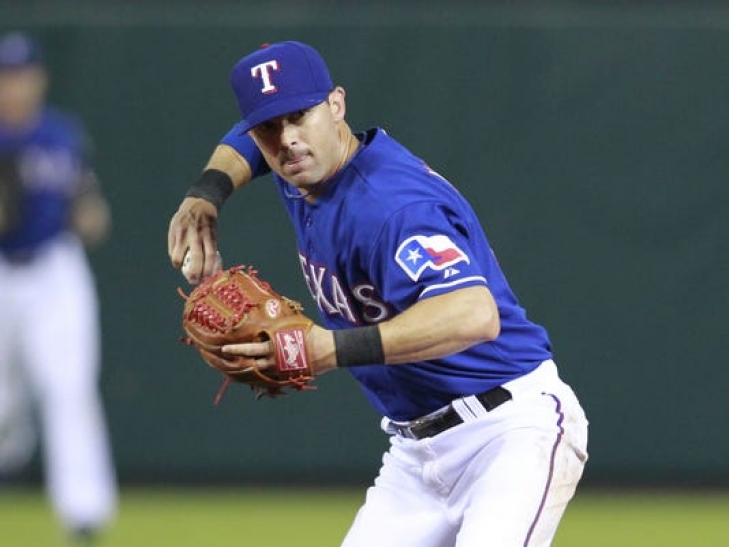
Regular visitors of Notinhalloffame.com know that we are slowly working on the top 50 of every major team in the NHL, NBA, NFL, and MLB. Once that is done, we intend to look at how each team honor their past players and executive. As such it is news to us that the Texas Rangers will be retiring the number 10 of Michael Young.
Debuting for Texas in 2000 and playing there for 12 seasons, Young would become one of the most successful hitters in franchise history. The infielder would have six 200 Hit Seasons with two of those years being good enough to lead the AL (2005 & 2011). A seven-time All-Star, Young won the Batting Title in 2005 with a .331 Average and had a .301 Batting Average as a Ranger. He would also smack 177 Home Runs for the squad.
Defensively, he was incredibly versatile as he played at least 400 Games for the franchise at Second Base, Shortstop, and Third Base and was a Gold Glove winner in 2009 (SS). He was also known for his selfishness and leadership.
As of this writing, he is the franchise leader in Games Played (1,823), Hits (2,230), Doubles (415) and Runs Scored (1,085).
Young’s number will be officially retired on August 31 of this year.
Young’s #10 joins Ivan Rodriguez (#7), Johnny Oates (#26), Adrian Beltre (#29), Nolan Ryan (#34) and the league-mandated (#42) of Jackie Robinson.
We here at Notinhalloffame.com would like to congratulate Michael Young for earning this very prestigious honor.
Josh Hamilton named to the Texas Rangers Hall of Fame
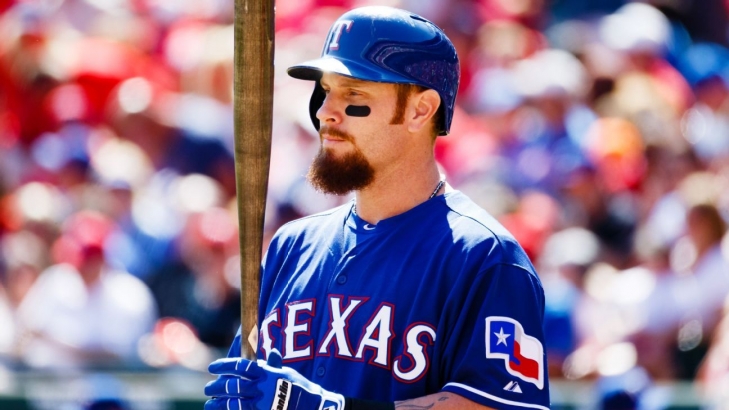
The Texas Rangers have announced that Josh Hamilton will be the next former player to be inducted into their franchise Hall of Fame.
It was a long road for Hamilton, a former number one Draft Pick whose career was derailed by a severe drug addiction and after leaving baseball for three years he made a comeback in 2005 he would make his MLB debut in 2007 with the Cincinnati Reds at age 26 and after a good rookie campaign he was traded to the Texas Rangers where he would spend the next five seasons, all of which would see him earn All-Star honors. Hamilton was a vital component of Texas’ back-to-back American League Pennants in 2010 and 2011, and in the former year he would win the MVP while also winning the Batting Title. Hamilton would sign with Los Angeles Angels of Anaheim in 2013 but returned for one more season in Texas for 2015, which would be his final year in the Majors.
Hamilton’s overall numbers with the Rangers would see him collect 814 Hits with 150 Home Runs, 531 Runs Batted In and a .302 Batting Average
We here at Notinhalloffame.com would like to congratulate Josh Hamilton for earning this honor.
115. Mark Teixeira
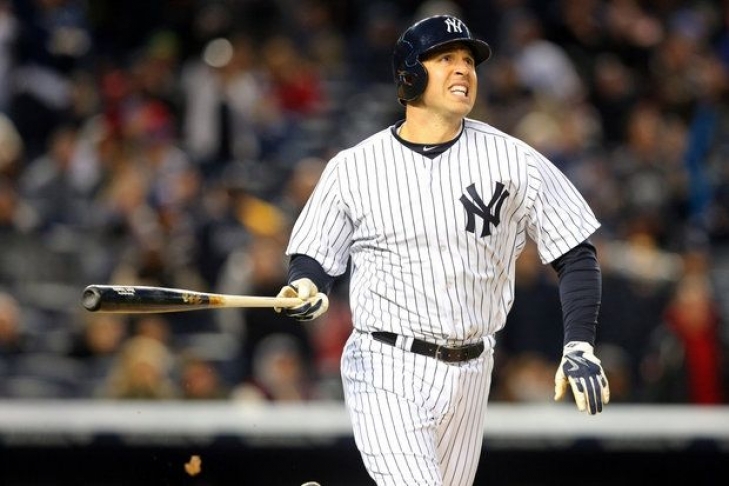
Bringing a strong power game to all four of the Major League teams he played for (Texas, Atlanta, Los Angeles Angels, New York Yankees), Mark Teixeira would go deep 409 times in his career, including winning the Home Run Title in 2009 (39) with eight other seasons of 30 or more. A three-time All-Star and three-time Silver Slugger, Teixeira also showed off good defensive skill at First Base as he was a five-time Gold Glove winner. It should also be noted just how strong his 2009 season was, in which he helped the Yankees win the World Series and finished as the American League runner-up for the MVP.
Teixeira’s overall resume is pretty good, but those two words are the key: “pretty good”. In this era, the overall stats for a first baseman need to be stellar, and Teixeira isn’t quite there, though he did receive a few votes, as was expected.
4. Alex Rodriguez
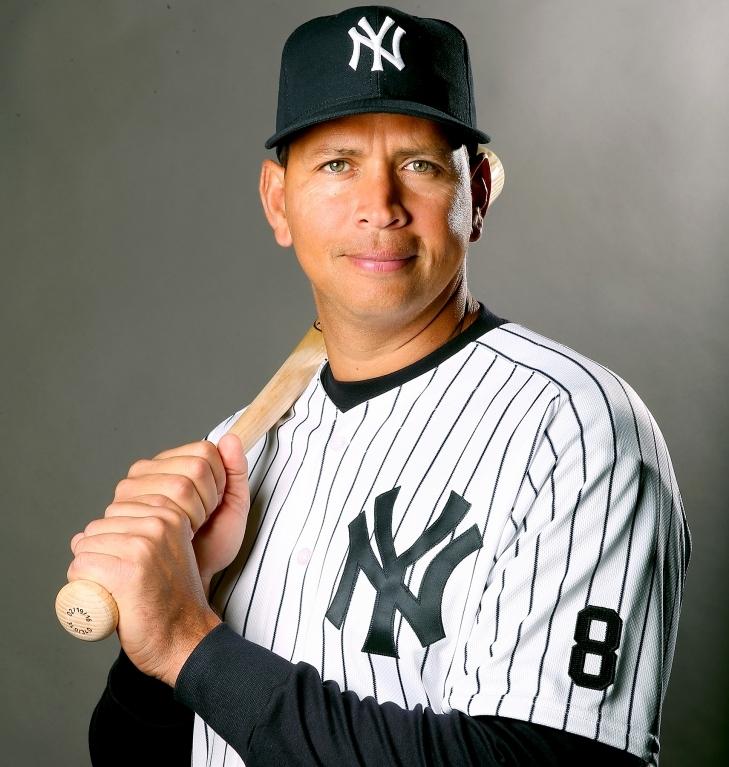
Let's get all the derogatory stuff out of the way…and we know there is a lot.
While we talked about PED use a lot with Mark McGwire, Roger Clemens, Barry Bonds, et all., they were baseball superstars who took enhancements (allegedly) when the players' union and Major League Baseball had not yet agreed that they were banned substances. That is important to note, as Alex Rodriguez was caught while penalties were in place, leaving no doubt that he cheated and was suspended for the entire 2014 season.
There is more, of course.
The Yankees famously tried everything to get out of the lavish contract they signed him to. A-Rod folded in many postseasons and clutch situations. He was also not known to be the most cohesive figure in the clubhouse.
That is a lot of negative, and yet…
Alex Rodriguez is still one of the best players that ever played the game.
Touted as a superstar, Alex Rodriguez was the first overall choice of the 1993 Draft. In the year he turned 20, he won the American League Batting Title with a 36-homer season and an OPS of 1.045. A-Rod was the cornerstone of a young, dynamic Seattle Mariners team that was a strong World Series contender in the late '90s. He was considered the best offensive infielder in baseball and one of the game's most complete players.
When he achieved free agency, Rodriguez signed what was at the time by far the richest contract in baseball history with the Texas Rangers. While he couldn't make Texas a contender, Rodrigues did not disappoint, winning three straight Home Run titles and his first MVP (2003). Texas, however, could no longer afford him, and after a deal to Boston was voided, A-Rod moved to New York, where the most controversial yet productive period began.
While many remember the bad times with New York, it should never be forgotten that this was where he won two more MVP Awards, two more Home Run Titles, and three more Slugging Titles. He went yard 351 times as a New York Yankee alone! As mentioned, his postseason performance (.259/.365/.457 over 330 Plate Appearances) is well below his regular season numbers. His 2009 postseason was excellent, and it was a part of why the Yankees won the 2009 World Series. If he does get into the Hall of Fame, shouldn't it be as a New York Yankee?
Love him or hate him, we are talking about a player who is a statistical juggernaut. He has a career bWAR over 117, is a member of the 3,000 Hit Club and smashed 696 Home Runs. His career Slash Line of .295/.380/.550 is also excellent considering the longevity of his career. These digits are impossible to ignore, no matter what lens you use.
For the record, if we here at Notinhalloffame.com had a Baseball Hall of Fame vote, we would vote for him (we think). Maybe we would not.
The issue that we deal with regarding Rodriguez is that his PED use took place AFTER the MLBPA agreed to the parameters of what would happen if you used them. Not only that, but he was suspended twice. A-Rod might be welcomed back into the fold as a broadcaster, but the voters are rejecting him, and we understand why.
The Texas Rangers to retire Ivan Rodriguez' number
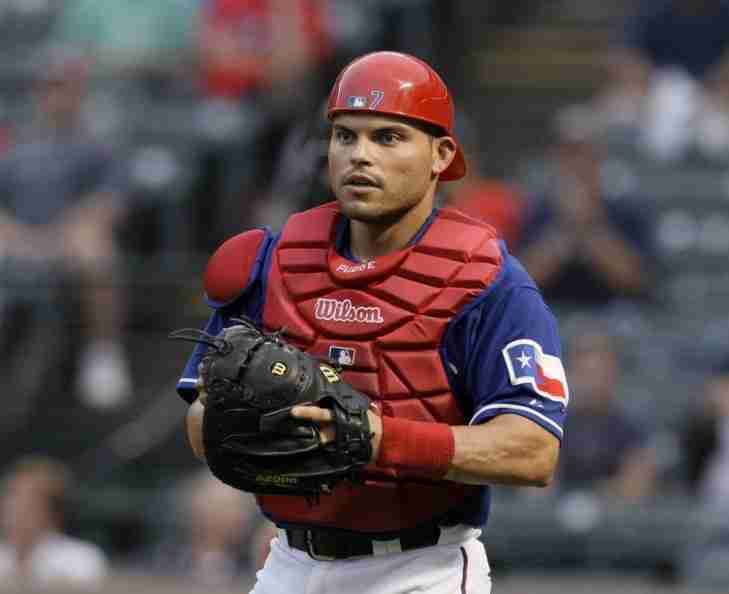
As such, it is of news to us that the Texas Rangers will be retiring the number of former Catcher, and now Hall of Famer, Ivan “Pudge” Rodriguez. This announcement follows Rodriguez’ selection to the Baseball Hall of Fame.
The Rangers have retired three numbers in the past, the #26 of former Manager, Johnny Oates, the #34 of Pitcher, Nolan Ryan and the mandatory retired #42 of Jackie Robinson. I-Rod’s #9 will make the fourth.
Rodriguez, who will be wearing the Texas Rangers cap on his plaque for the Hall, was selected on his first year of eligibility. Rodriguez played 1,507 of his 2,543 Games for Texas and was a ten time All Star while playing for the Rangers. He was named the American League MVP in 1999 and he won 10 Gold Gloves and 6 Silver Sluggers as a Texas Ranger.
His overall numbers as a Texas Ranger include 1,747 Hits, 217 Home Runs, a .304 Batting Average with a bWAR of 49.9.
We here at Notinhalloffame.com would like to congratulate Ivan Rodriguez for his latest accomplishment.
Michael Young to the Texas Rangers HOF
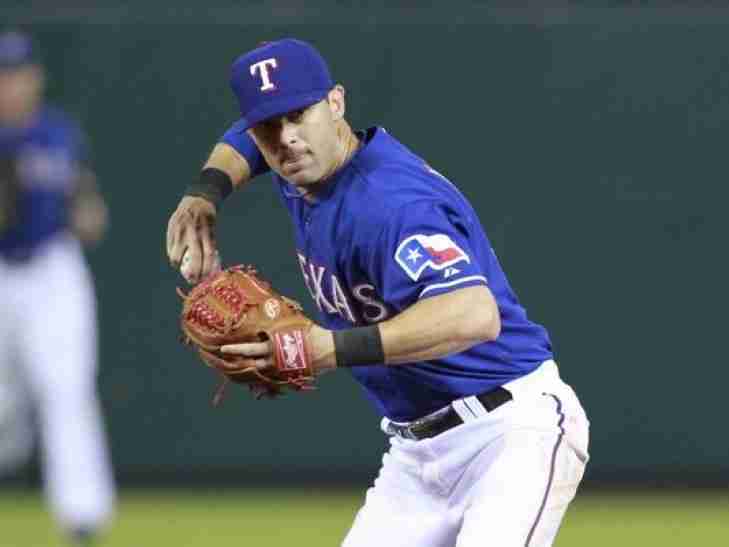
Young was a Texas Ranger from 2000 to 2013 and has the team record in At Bats, Runs Scored, Hits, Total Bases, Doubles and triples and is a seven time All Star. Young would twice lead the American League in Hits (2005 & 2011) and won the Batting Title in ’05. He is also a five time Texas Rangers Player of the Year.
His overall statistics as a Texas Rangers includes a Slash Line of .301/.347/.444 with 2,230 Hits and 177 Home Runs. He finished eighth in MVP voting twice.
Young becomes the 20th player to make the Texas Rangers Hall of Fame and he is ranked eleventh in our all-time Texas Rangers list.
We here at Notinhalloffame.com would like to congratulate Michael Young for earning this prestigious honor.
The Top 50 Texas Rangers of All-Time are up

We think so too!
The next North American franchise, that we will look at in regards to the Top 50 of All-Time are the Texas Rangers. The Rangers have yet to win the World Series but they have been very competitive as of late and are a solid contender to win the big one in upcoming years.
You can click here to get the entire list here but here is a sneak preview of the top five:
1. Ivan Rodriguez
2. Rafael Palmeiro
3. Juan Gonzalez
4. Buddy Bell
5. Jim Sundberg
Up next are the Green Bay Packers, one of the most celebrated sports teams of any discipline.
Look for that soon and as always we thank you for your support!
37. John Wetteland
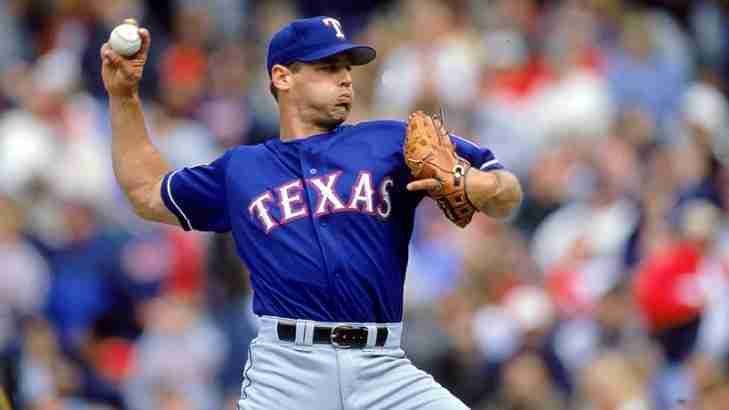
In December 1996, John Wetteland signed a lucrative free-agent deal with the Texas Rangers, bringing top-tier high-leverage credentials. Just after winning the 1996 World Series MVP with the New York Yankees, this fierce, hard-throwing right-handed closer was added to secure the team's dominance in the American League West. Over the last four seasons of his career, he fulfilled that role with precise efficiency.
Wetteland effectively closed the opposition's batting lineup by utilizing a predominantly fastball and an incisive slider, which he relied on even more following elbow surgery prior to the 1999 season. He distinguished himself as a reliable and consistent presence at the rear of the Texas bullpen, surpassing the 30-save mark in each of his four seasons with the team. Moreover, he played a pivotal role in transforming the club into a multiple-time division champion, earning consecutive American League All-Star selections in 1998 and 1999, while continuously surpassing his own team records.
His individual production peaked during those back-to-back pennant chases. He racked up 42 saves with a pristine 2.03 ERA in 1998, then followed it up with a career-high 43 saves in 1999. His relentless efficiency during that 1999 individual showcase helped lead the Rangers to a 95-win division championship, earning him a sixth-place finish in the American League Cy Young voting. By the time he completed his final major-league appearance in 2000, he had accumulated 150 saves in a Rangers uniform, establishing a benchmark that cements his status as the franchise's all-time saves leader.
With Texas, Wetteland made 248 relief appearances and compiled a 20–12 record alongside a stellar 2.95 ERA, a 1.18 WHIP, and a franchise-record 150 saves. He threw 253.1 innings, with 248 strikeouts. He was officially inducted into the Texas Rangers Hall of Fame in 2005.
43. Dick Bosman
46. Ed Brinkman
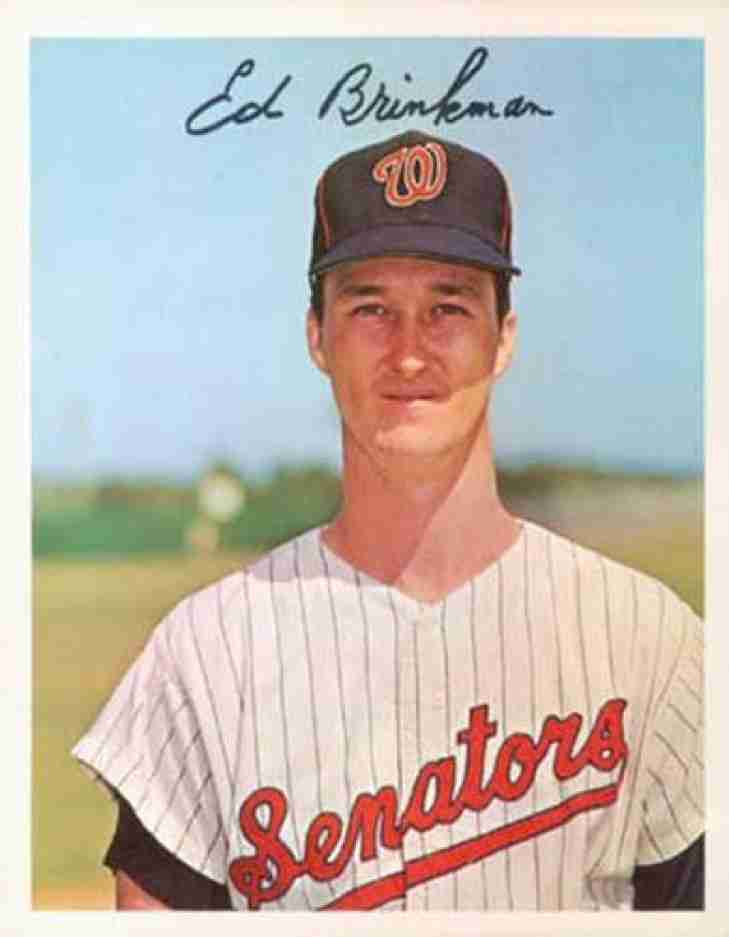
Long before modern analytics revealed the significant, hidden value of preventing runs, Ed Brinkman mastered defensive geometry at shortstop. Signed as an amateur free agent in 1961 by the expansion Washington Senators, this agile and reliable infielder became the team's defensive cornerstone as it struggled to establish itself in the American League, consistently demonstrating defensive skills that amazed opposing managers.
Brinkman’s offensive profile was modest, mainly serving as a bottom-of-the-order hitter focused on contact and advancing runners. However, once on the field, he dramatically changed how he played. With outstanding lateral range, swift reflexes, and excellent instincts, "Brink" transformed the six-hole into a no-hit zone for opponents.
His outstanding defensive skills reached an elite level under manager Ted Williams. Brinkman excelled in the junior circuit's advanced metrics, leading the American League in Defensive bWAR twice while with Washington—recording a top 2.8 dWAR in 1969 and a strong 2.7 dWAR in 1970. His on-field technique was impeccable; in 1970, he led all AL shortstops in games, assists, and double plays, demonstrating he was a vital part of the Senators' pitching success.
That decade-long residence in the nation's capital ended just before the franchise headed to Texas. In December 1970, Washington traded Brinkman to the Detroit Tigers as a key part of a blockbuster deal for ex-Cy Young winner Denny McLain. Ironically, Brinkman achieved his greatest team success, along with his only All-Star and Gold Glove awards, while playing for Detroit. He famously set a major league record by playing 72 consecutive errorless games at shortstop in 1972.
Because he was traded exactly one year before the Senators moved to Arlington to become the Rangers, Brinkman never wore the Texas uniform. Still, as a ten-year veteran with a significant place in the franchise's history from the Washington era, his legendary defensive skills remain a key part of the organization's roots.
50. Francisco Cordero
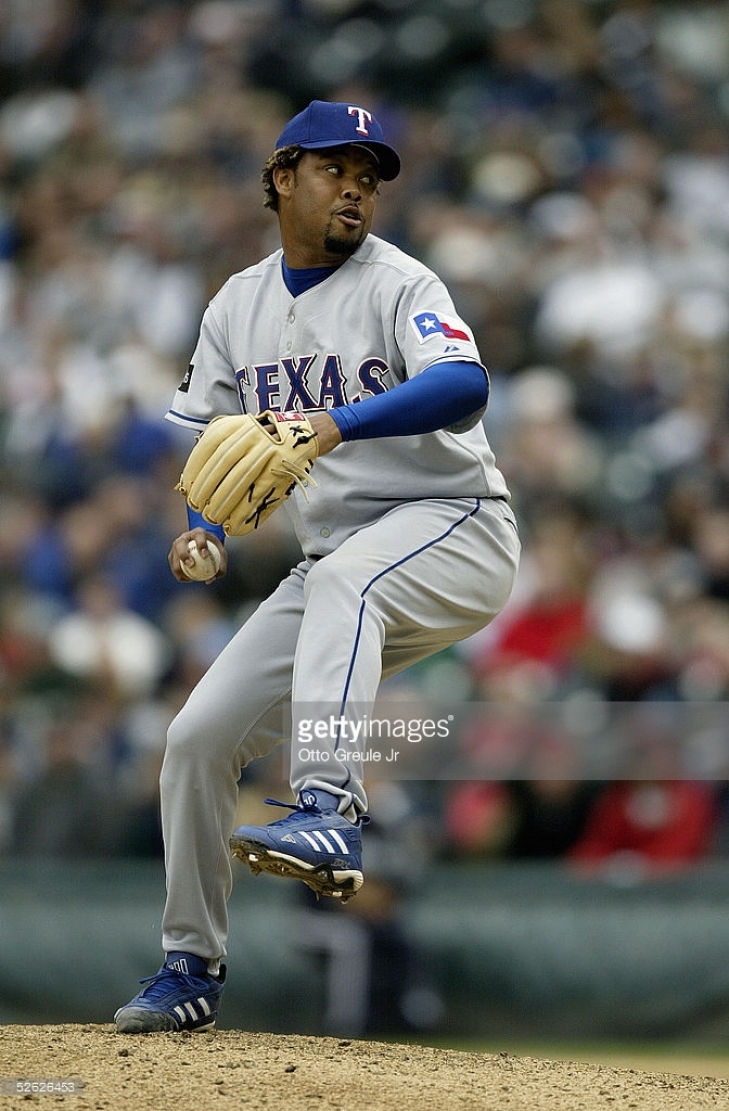
The Rangers acquired Francisco Cordero from the Detroit Tigers as a key part of the massive nine-player trade that sent MVP slugger Juan González to Detroit in November 1999. Cordero, a hard-throwing right-hander, had an electric fastball in the mid-90s and a devastating slider, making him a tough late-inning reliever. Over nearly seven seasons with Texas, Cordero overcame early career volatility and injuries to become one of the most valuable anchors in the team's bullpen history.
Cordero’s early campaigns involved challenging developmental changes and injury setbacks. After an inconsistent start with a 5.35 ERA out of the bullpen in 2000 and missing most of 2001 due to shoulder issues, he delivered a stellar second half of 2002. He lowered his ERA to a remarkable 1.79 over 45.1 innings, proving himself as the team’s leading high-pressure reliever. By summer 2003, following the trade of veteran closer Ugueth Urbina, Cordero confidently took over closing duties, securing 15 saves and achieving a career-high 90 strikeouts.
That consistent upward trend reached a historic high during an outstanding 2004 season. Cordero overwhelmed American League hitters, delivering one of the most dominant single-season closing performances in franchise history. He appeared in 67 games, posted a 2.13 ERA, and recorded 49 saves—just shy of Mariano Rivera’s Major League record. His tireless effectiveness fueled an unexpected 89-win Rangers team, earning his first All-Star selection and a spot in the AL MVP voting. He demonstrated this was not a one-time achievement by following with a resilient 37-save season in 2005.
In early 2006, the volatility typical of modern closers caught up with him. After a difficult April that led management to replace him with Akinori Otsuka, he was working to lower his ERA in less-pressure situations. Meanwhile, the front office recognized his market value and included him in a major trade in July 2006, sending him to the Milwaukee Brewers for Carlos Lee. This deal also brought Nelson Cruz, a relatively unknown young outfielder, into the mix. In the National League, Cordero quickly regained his top form, earning two more All-Star selections and surpassing 300 career saves while playing for Cincinnati.
With Texas, Cordero played 356 relief games, going 16–23 with a 3.45 ERA, 1.35 WHIP, 117 saves, and 397 strikeouts over 349.1 innings, with a 136 ERA+.
31. Nelson Cruz
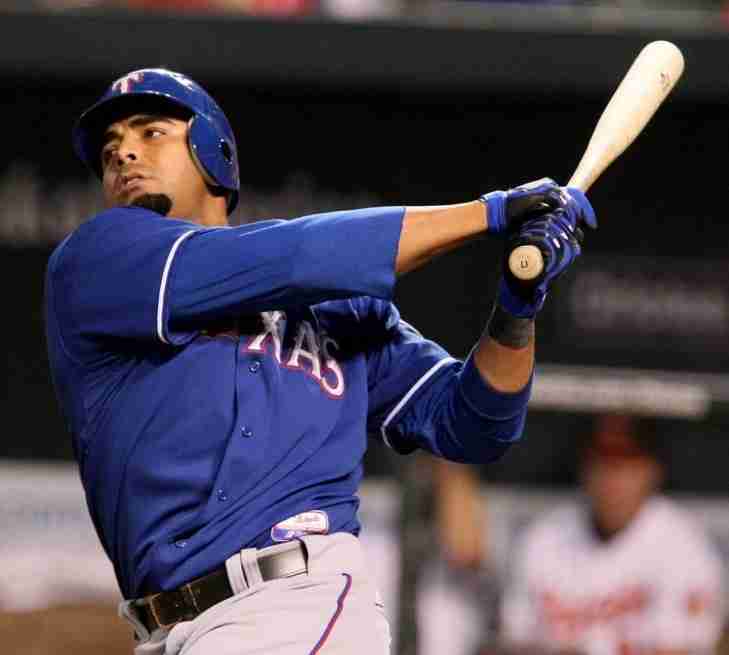
Nelson Cruz’s journey to becoming a top MLB power hitter was anything but straightforward. Overlooked as a young talent and moving across three teams before establishing himself with Texas, this strong right-handed slugger didn’t have his first full, elite season until he was 28. However, once he realized his considerable potential, the player widely called "Boomstick" transformed into one of the most daunting, clutch middle-of-the-order hitters in the history of the Lone Star franchise.
Cruz built his offensive reputation on sheer raw power, consistently terrorizing American League pitchers with an explosive right-handed swing. This approach turned the expansive gaps of the Ballpark in Arlington into his personal launching pad. He served as a thunderous pillar during the team’s most successful era, hitting at least 20 home runs in five straight seasons for Texas. His outstanding regular-season performance earned him two AL All-Star selections (2009 and 2013), with a high volume of home runs and a commanding .500-plus slugging percentage that forced opposing managers to craft entire game plans around his bat.
However, examining Cruz only through his regular-season stats misses the legendary reputation he built in October. He saved his most spectacular and historic performances for the postseason, becoming the key offensive player in securing two consecutive American League pennants.
His postseason peak was spectacular during the 2011 ALCS against the Detroit Tigers. Cruz delivered an unforgettable performance, earning the ALCS MVP award by hitting a record six home runs and driving in 13 RBIs over six games. This included the first walk-off grand slam in postseason history during Game 2. He used that hot streak to tie the modern MLB record with eight total home runs in a single postseason, cementing his legendary status in Texas playoff history.
After accepting a 50-game league suspension in August 2013 stemming from the Biogenesis investigation, Cruz played the final week of that season, then became a free agent in the winter. The team's front office decided not to offer him a long-term contract, which led him to sign with Baltimore and later play for Seattle and Minnesota. Interestingly, he experienced his most productive home run seasons during his late thirties while playing for these teams.
In an eight-year run with Texas, Cruz compiled 773 hits, 147 doubles, 157 home runs, and 489 RBIs while generating a stellar .268/.327/.495 slash line (115 OPS+).
33. Jeff Burroughs
45. C. J. Wilson

The transformation of C.J. Wilson from a volatile, colorful relief weapon into a durable, front-line starting ace stands as one of the most brilliant developmental triumphs of the Rangers' modern era. Drafted as a starter out of Loyola Marymount in 2001, the eccentric, left-handed pitcher was quickly routed to the bullpen early in his big-league journey, where his fierce competitive streak and heavy, biting arsenal made him an unpredictable but highly effective late-inning factor.
For years, Wilson operated as a versatile, high-intensity chameleon in the Texas bullpen, working as a setup man before eventually sliding into the closer role following the trade of Éric Gagné in 2007. He spent his early summers piling up appearances, flashing a premium-cut fastball and a looping breaking ball to log 52 saves for the franchise—including a 24-save season as the primary ninth-inning protector in 2008. Yet, despite his relative success in short bursts, the analytical staff and Wilson himself maintained that his true professional calling lay in a return to a traditional starting workload.
Before the 2010 season, manager Ron Washington finally gave the left-hander a chance to join the starting rotation, the opportunity he had been eager for. The decision paid off immediately, dramatically transforming the team's prospects. Wilson skipped over typical transitional challenges, quickly becoming a reliable, high-usage pitcher. In his first full season as a starter, he threw 204 innings, earned 15 wins, and posted a 3.35 ERA, leading the Rangers to their first American League pennant in franchise history.
That outstanding starting performance reached a historic peak during his final summer in Arlington in 2011. Wilson dominated opposing hitters across the junior circuit, anchoring the top of the Texas rotation with a stellar 16–7 record and a career-best 2.94 ERA. He led the majors with 34 starts and struck out 206 batters, earning his first American League All-Star spot and finishing sixth in the AL Cy Young voting, helping a hungry Rangers team return to the World Series.
Following that breathtaking individual peak, Wilson hit the open market as a premium free agent that winter, signing a lucrative multi-year blockbuster contract across the division with the Los Angeles Angels. Wilson appeared in 325 games (68 starts). He compiled a winning 40–35 record alongside a stellar 3.60 ERA and a 1.30 WHIP. He ate up 710.2 innings, recording 52 saves and 597 strikeouts.
42. Bert Blyleven
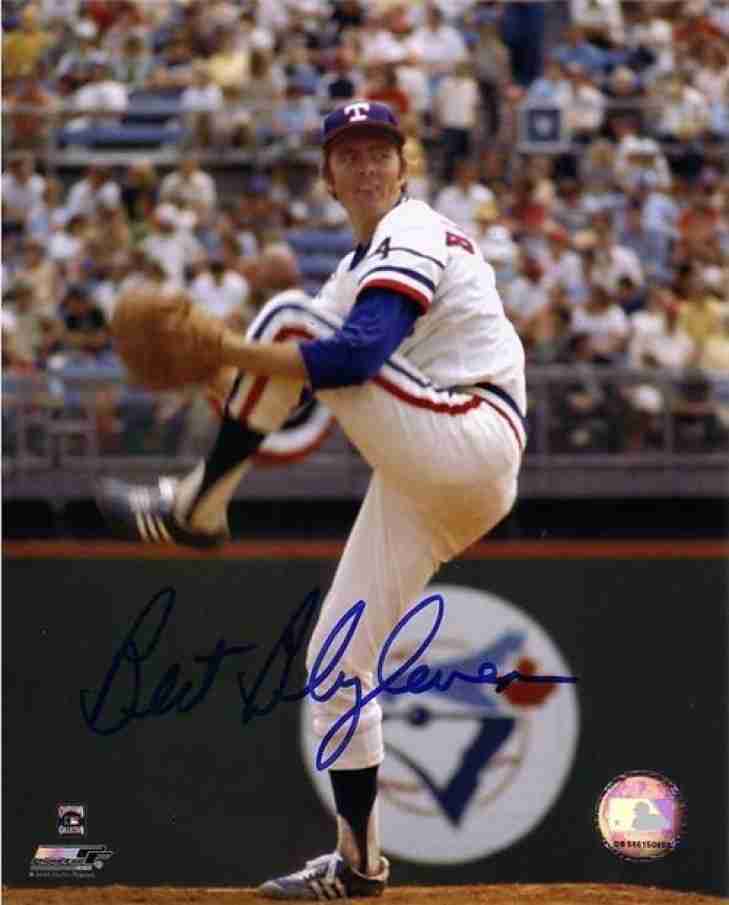
When the Texas Rangers made a big mid-season trade with Minnesota in June 1976 to bring Bert Blyleven to their team, they weren't just acquiring a talented pitcher—they were gaining one of the most graceful and powerful curveballs the sport has ever witnessed. Known as the "Frying Dutchman,” he played with a precision and intensity on the mound that made him a true threat, captivating American League batters despite the scorching Texas heat.
Although Blyleven’s final win-loss record in Arlington was a balanced 23–23, focusing only on wins overlooks how close he was to pitching perfectly. He often suffered from poor run support from a transitioning Rangers lineup, losing close games despite showcasing exceptional skill in preventing runs. During his two seasons in North Texas, he consistently shut down opposing offenses, posting an impressive 2.76 ERA in 1976 and maintaining it with a 2.72 ERA in 1977.
What really set his performance apart in the Lone Star State was his exceptional command of the strike zone and his efficiency on the mound. Blyleven mastered the art of controlling baserunners, earning the American League WHIP title in 1977 with an impressive 1.07. His exacting control led to very few walks; he issued only 50 walks in 234.2 innings that summer and recorded five shutouts.
His spectacular individual peak with the franchise reached its theatrical pinnacle on September 22, 1977. Stepping onto the mound at Anaheim Stadium, Blyleven completely paralyzed the California Angels lineup, spinning a historic 6–0 no-hitter that serves as the ultimate exclamation point on his brief stay.
The cost-conscious Rangers packaged him to Pittsburgh after the 1977 season in the first four-team trade in major league history. While he would go on to win World Series rings with the Pirates and Twins, Blyleven's time in Texas represented a period of pure, unadulterated individual dominance.
In his brief stay in Texas, Blyleven made 54 appearances (all starts). He compiled a 23–23 record, a stellar 2.74 ERA, and a tidy 1.11 WHIP, with 321 strikeouts. In 2011, Blyleven was inducted into the Baseball Hall of Fame.
41. Jon Matlack
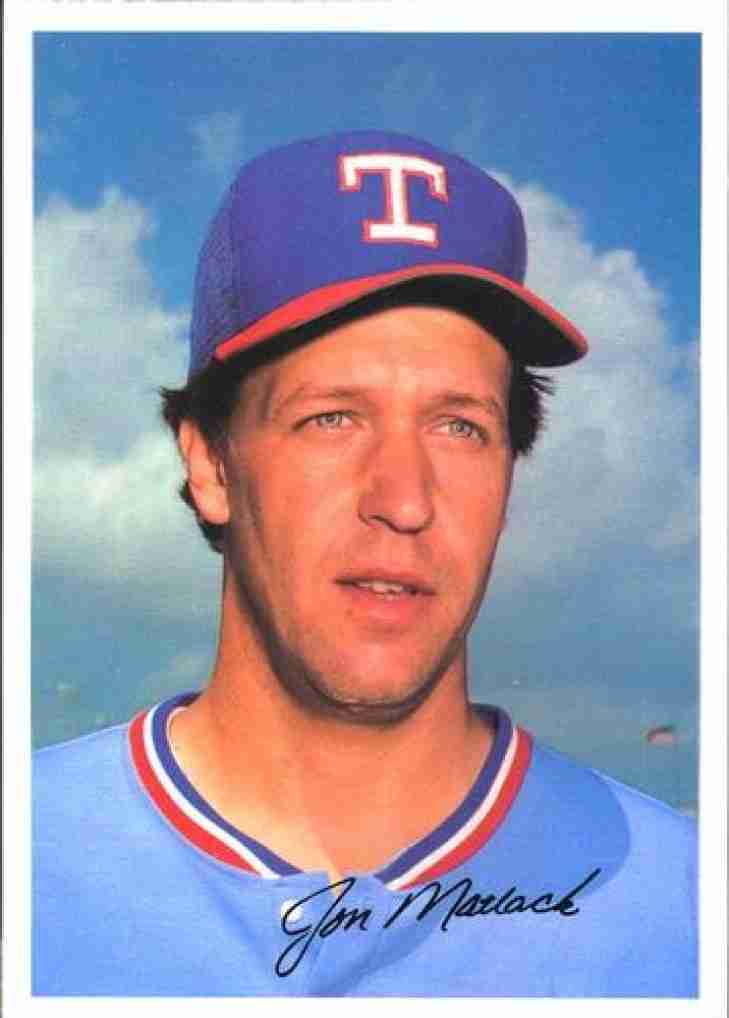
When Jon Matlack arrived in Arlington ahead of the 1978 season, he did so as part of one of the most complex, history-making blockbusters ever executed—the first four-team trade in major league history. Having already established himself as a three-time National League All-Star, a Rookie of the Year, and a pennant-winning co-ace with the New York Mets, the smooth-throwing left-hander brought an exceptional, top-tier pedigree to the Texas Rangers' pitching staff.
Although no longer at his peak of early-1970s National League dominance, Matlack quickly became a reliable, high-leverage asset for a Texas team striving to climb the competitive American League West. He adapted effortlessly to the intense summer heat at Arlington Stadium, using his excellent control, a sharp breaking ball, and strong pitching instincts to consistently keep batters guessing.
His early years with the team showcased reliable durability in the starting rotation. In his debut 1978 season, Matlack pitched 226.1 tough innings, recording 15 wins, 12 complete games, and 3 shutouts—just what the Rangers expected. He continued to perform well in 1979, with another 15 complete games and a solid 3.30 ERA, demonstrating that his move to the American League was smooth and successful.
As he entered his thirties and the Rangers began to reshuffle their pitching staff, Matlack showcased a remarkable, unheralded level of versatility. Over his final three summers in Texas, he masterfully alternated between the starting rotation and the bullpen. Whether he was taking the ball for a Sunday start or coming out of the bullpen as a late-inning fireman to preserve a slim lead, he executed his assignments with quiet, level-headed professionalism. His multi-dimensional efficiency peaked in 1980, when he split 34 appearances between starts and relief outings to log 10 wins and a tidy 3.68 ERA over 164.0 innings.
Matlack played three more seasons before retiring after the 1983 campaign. With Texas, he posted a 43–45 record, a 3.42 ERA, and a 1.25 WHIP. He compiled 828.0 innings, striking out 493 batters.
32. Hank Blalock
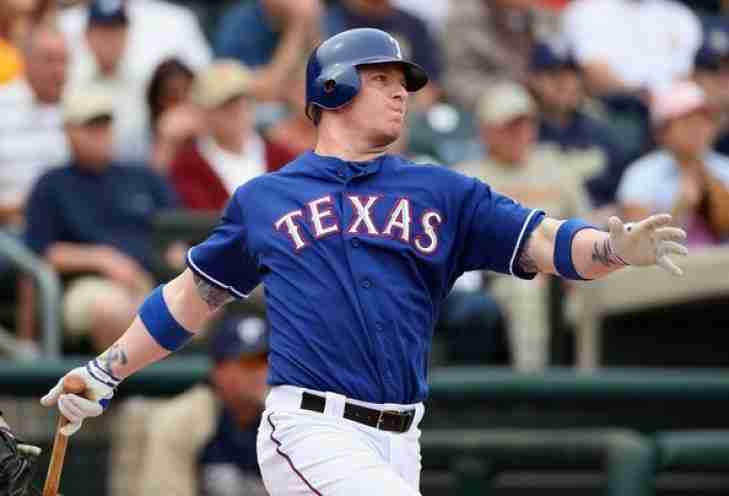
Before he was old enough to legally order a drink, Hank Blalock was celebrated as a key figure in a new era for Arlington. Coming up through the minor leagues with a wave of talented young players, the smooth-swinging, left-handed third baseman started playing full-time in 2003 and quickly brought energy to the team. With a graceful, fluid swing and a calm, collected attitude, Blalock not only met high expectations but also became a beloved core player in a powerful Texas lineup.
Hank the Crank provided an excellent mix of high-quality gap power and reliable strength, ideal for the hitter-friendly Ballpark in Arlington. He set an impressive standard early, recording over 170 hits in three straight seasons from 2003 to 2005. His peak came in 2004, a standout year when he used his left-handed bat to hit a career-high 32 home runs, 38 doubles, and 110 RBIs, earning his second consecutive American League All-Star selection.
For local fans, however, his most legendary theatrical showcase came on a national stage during the 2003 midsummer classic. Stepping in as a pinch-hitter in the eighth inning, the young rookie launched a dramatic, game-winning two-run home run off National League closer Éric Gagné, securing home-field advantage for the American League in the World Series and instantly making him a household name.
After a remarkable early-career rise that saw him earn multiple All-Star selections, Blalock’s career was hindered by a series of physical setbacks. Starting in 2006, severe shoulder problems and thoracic outlet syndrome significantly affected his throwing and prevented him from reaching his physical prime. This led to a defensive switch from third base to first base and designated hitter. Despite these limitations, his innate hitting skills stayed strong; he managed two more effective seasons in Arlington, hitting 25 home runs in 2009 and ending his Ranger career with a total of 152.
Following that season, Blalock spent one final, brief calendar year with the Sacramento River Cats and the Tampa Bay Rays before officially closing his career at just 29 years old. As a Ranger, he accumulated 944 hits, 210 doubles, 152 home runs, 564 RBIs, and a .269/.334/.453 slash line.
39. Jeff Russell
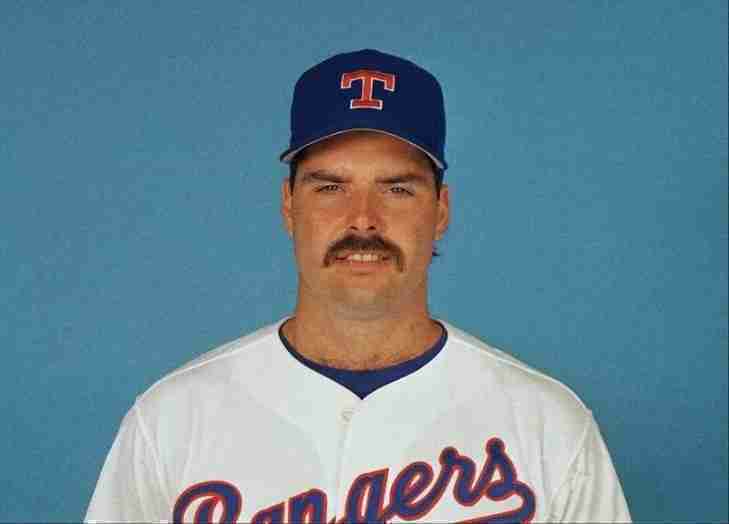
When Jeff Russell arrived in North Texas midway through the 1985 season—as part of a significant trade that sent franchise legend Buddy Bell to Cincinnati—the player to be named later, he was a traditional, hard-throwing starting pitcher. He initially served exactly that role for the Rangers, pitching long innings with mixed results. Nevertheless, a strategic mid-career shift to the bullpen unlocked his full potential, turning him from a susceptible starter into a dominant late-inning reliever feared across the American League.
The transition started to take shape during the 1988 campaign. While dividing his time between rotation duties and high-leverage relief, Russell demonstrated remarkable adaptability for manager Bobby Valentine. He pitched 188 innings over 34 appearances and earned his first American League All-Star nod by delivering a powerful, biting fastball that was especially effective in short, intense outings.
That experimentation laid the groundwork for a historic, full-time closer role during a remarkable 1989 season. Positioned at the back of the Texas bullpen, Russell completely shut down opposing hitters. He pitched 71 times, posting a tiny 2.00 ERA and leading the league with a career-high 38 saves. His exceptional ninth-inning dominance earned him a second straight All-Star selection, a ninth-place finish in the AL Cy Young voting, and the prestigious AL Rolaids Relief Man Award—recognizing the league's most statistically impressive closer.
For three seasons, Russell was the top frontline protector of Texas leads, recording 28 saves in 1992 before being part of the blockbuster trade that acquired José Canseco for the Rangers. Although his career led him through Oakland, Boston, and Cleveland, his loyalty to Arlington remained strong. In a notable late-career turn, he returned to Texas for two more seasons in 1995 and 1996, where he served as a veteran mentor and added 23 saves, raising his franchise total to 134.
Russell made 445 appearances (65 starts) and compiled a 41–55 record, a 3.74 ERA, and a 1.34 WHIP. He compiled 712.1 innings, striking out 446 batters, and was inducted into the Texas Rangers Hall of Fame in 2015.
47. Jose Guzman
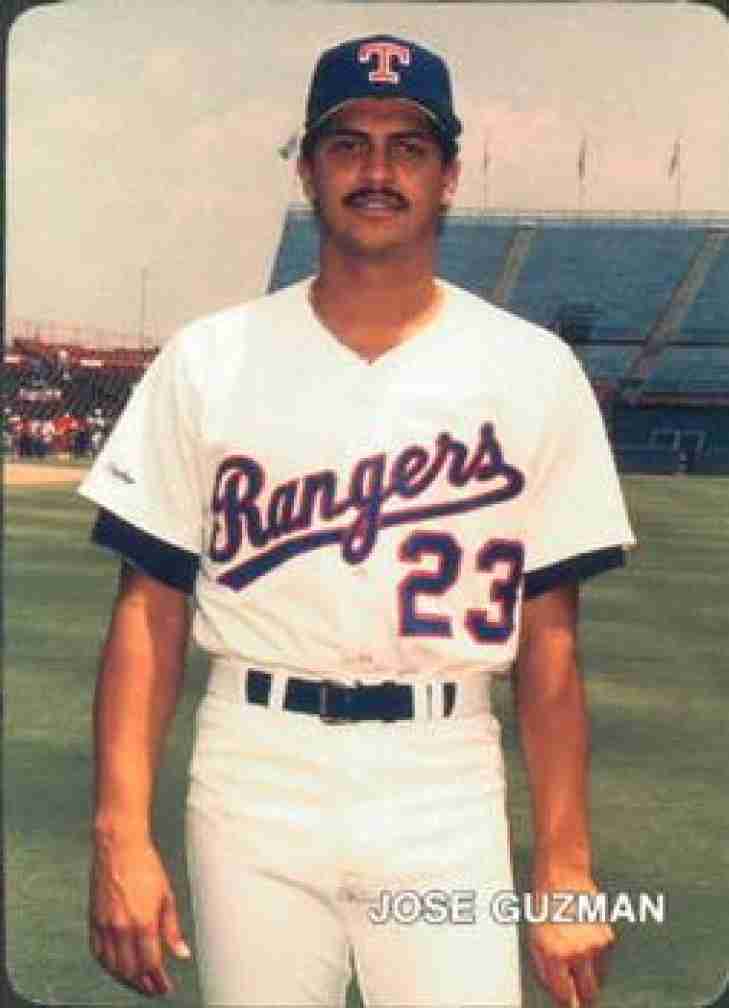
When José Guzmán signed with the Texas Rangers as an undrafted free agent from Puerto Rico in 1981, few predicted his dramatic, high-leverage performances at Arlington. He debuted in 1985 at age 22, quickly becoming a key part of a young Rangers team. With a fastball in the low 90s and a sharp slider, Guzmán spent about a decade providing frontline skill and resilience.
Guzmán’s early years in Arlington were characterized by heavy workload, with a focus on durability. By 1986, as a regular starter, he often pitched long, consuming large innings. He exceeded 200 innings in both 1987 (208.0 IP) and 1988 (206.0 IP), recording back-to-back double-digit win seasons. His aggressive, power-oriented pitching style resulted in high strikeout rates for his time, frequently ranking in the top ten in the American League for strikeout density (SO/9) and constantly challenging opposing batters.
Just as he was establishing himself in Texas, disaster struck. Severe shoulder injuries derailed his momentum, causing him to miss the 1989 and 1990 seasons.
Guzmán's comeback to Arlington in 1991 is a shining example of emotional resilience. Considered finished by many, he fought his way from the minors to orchestrate a remarkable and historic revival. He led the 1991 rotation with a 13–7 record and a stellar 3.09 ERA, a high-pressure performance that earned him the American League Comeback Player of the Year Award. He built on this success with an even more impressive season in 1992, securing a career-high 16 wins, pitching 224.0 demanding innings, and ranking fourth in the league with 179 strikeouts.
Following that triumphant 1992 showcase, the veteran right-hander tested the free-agent market, signing with the Chicago Cubs, where he famously came within one out of throwing a no-hitter at Wrigley Field before re-aggravating the shoulder woes that would ultimately close his big-league career.
As a Ranger, Guzmán appeared in 159 games (152 starts). He compiled a 66–62 record alongside a rock-solid 3.90 ERA and a 1.34 WHIP. He logged 1,013.0 innings of work, recording 715 strikeouts.
40. Rick Helling
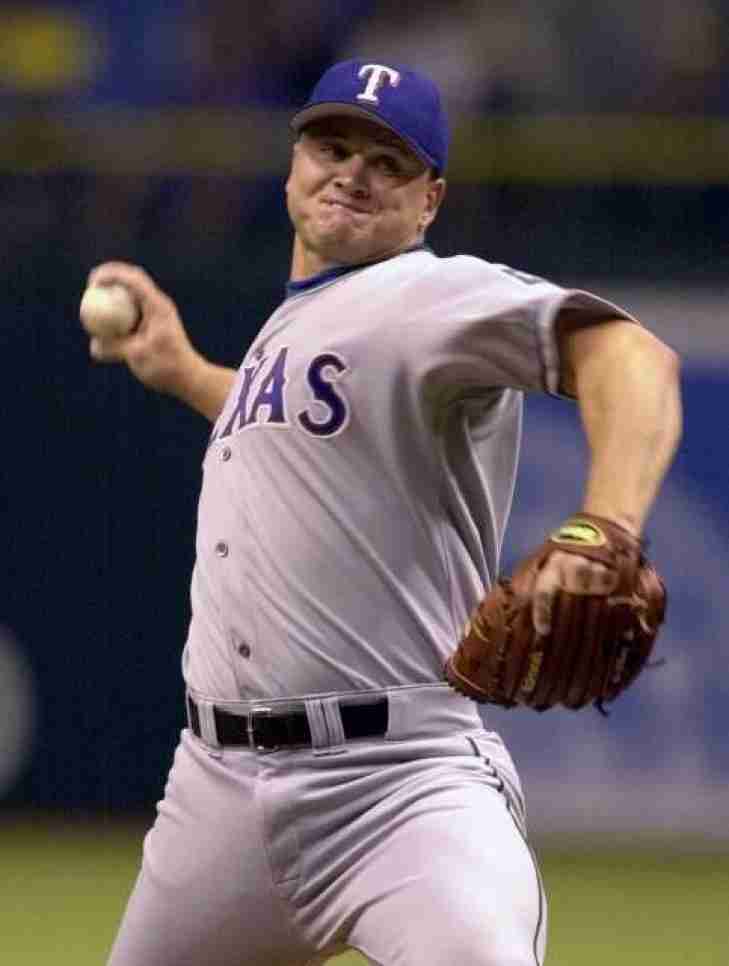
Drafted in the first round out of Stanford in 1992, Rick Helling cracked the big leagues by 1994, but struggled to find a definitive role in an explosive, hitter-friendly environment. Bouncing between the starting rotation and the bullpen during his early development, he had an incomplete initial run in Arlington and was largely a footnote when the team traded him to the Florida Marlins midway through the 1996 season.
Yet, a year later, the baseball gods engineered a perfect homecoming. Texas re-acquired Helling in an August 1997 trade, setting the stage for a second stint that would permanently rewrite his legacy in the Lone Star State. No longer a timid young arm trying to find his footing, he stepped directly into the rotation and became an absolute workhorse, anchoring a high-powered Texas squad poised to contend for American League West titles.
That incredible transformation reached a memorable highlight during a fantastic 1998 season. Helling confidently challenged the tough, run-heavy environment of the late 1990s by posting an impressive 20–7 record. This tied him with David Cone and Roger Clemens for the most wins in the American League. He truly became the go-to pitcher for Texas, setting a club record with 11 wins on the road and pitching a tough 216.1 innings, helping the Rangers secure a division title.
Helling established himself as a model of exceptional durability over the next three seasons, consistently recording at least 34 starts and 215 innings annually through 2001. He challenged hitters with a heavy, over-the-top fastball inside the notorious launchpad of The Ballpark in Arlington. His high-volume workload came with a cost: he allowed many home runs, including leading the majors with 41 long balls in 1999. Despite pitching in a tough era for pitchers, Helling was a key contributor to the franchise, finishing with an impressive 68–51 overall record in Texas and frequently giving his potent offense opportunities to score.
Following the 2001 campaign, his journey led him to Arizona and Baltimore, setting up a poetic late-career twist. Helling rejoined the Marlins mid-2003, filling a key swingman role and pitching crucial frames to help Florida win the World Series.
With Texas, Helling appeared in 165 games (151 starts). And compiled a winning 68–51 record while logging 982.1 innings with 688 strikeouts.
