
If I Had a Vote in the 2022 Baseball Hall of Fame Election
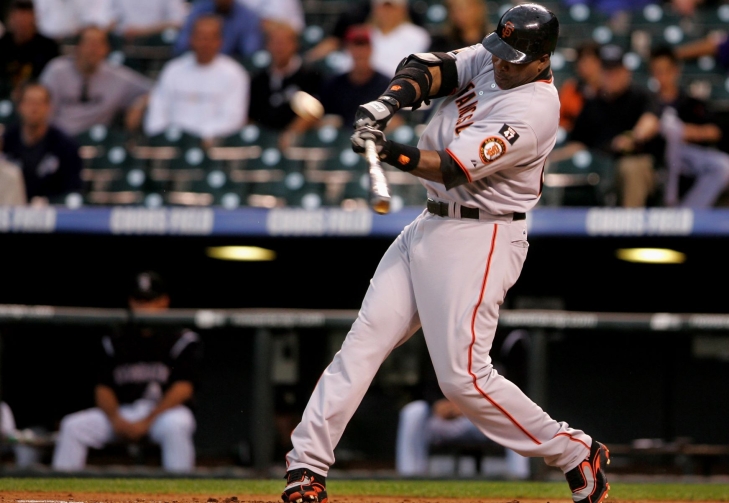
On a ballot packed with qualified candidates for the National Baseball Hall of Fame, is it possible that none of them will be elected this year?
If that happens, as it did last year, it would be the third time in the last decade that the qualified voters of the Baseball Writers' Association of America (BBWAA) have thrown a shutout at the Hall of Fame. This is an odd paradox considering that after the Big Zilch of 2013, the BBWAA in subsequent years went on to elect 22 players across the next seven ballots, with the various guises of the veterans committee voting in another five players (and six non-players) during that seven-year span. (In 2013, the veterans committee did elect three candidates to the Hall.)
Last year, Curt Schilling, who had garnered 70 percent of the vote on the previous ballot, seemed to be a lock for election. Instead, he stalled with a negligible increase in support, then threw a social-media Trumper tantrum declaring that he wanted to be removed from this year's ballot. The Hall of Fame quickly responded that it would not do so.
If I Had a Vote in the 2021 Baseball Hall of Fame Election
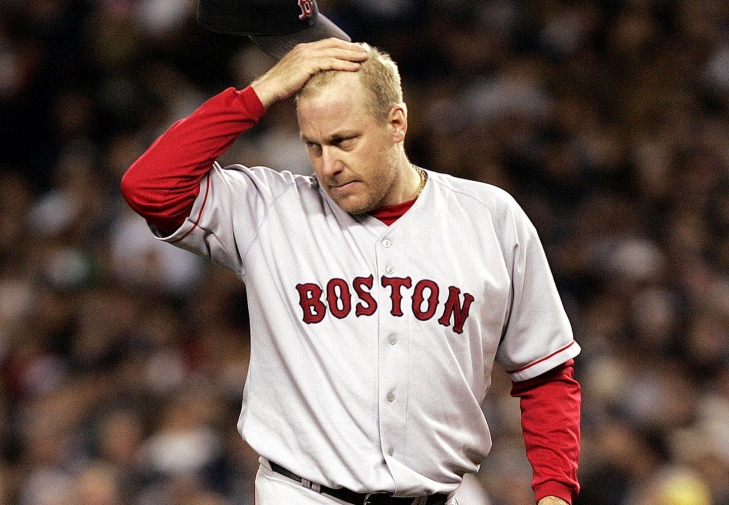
Is this the year Curt Schilling makes it into the National Baseball Hall of Fame? Will Schilling be the only player elected to the Hall this year? After all the tumultuous voting activity of the 2010s, has voting for the Hall returned to "normal"?
Only a crystal ball, or the patience to wait until voting results for the 2021 Baseball Hall of Fame are announced on January 26, 2021, can give us the definitive answers, but of course that doesn't stop us from prognosticating before we learn the results.
For now, the short answers are:
1. Maybe.
2. Possibly.
3. Likely.
2021 BBWAA Hall of Fame Ballot: Executive Summary
Baseball Hall of Fame: Ballot Forecast 2021 to 2025
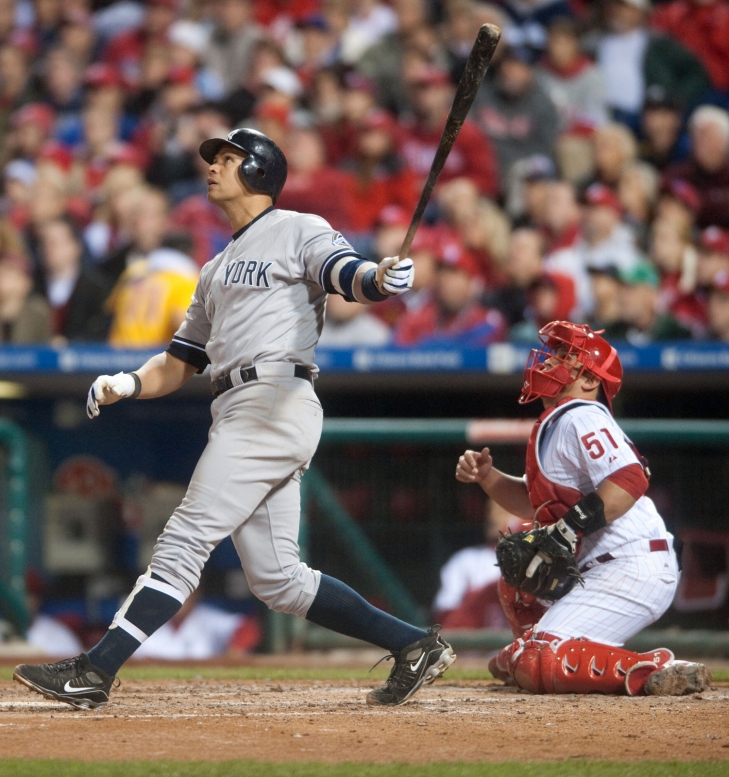
In a tumultuous year that was not normal for anything and everything including baseball, one thing that might be back to normal is voting for the Baseball Hall of Fame. Granted, the 2021 Baseball Hall of Fame ballot has 14 returning candidates, with just about every one of them owning cases for induction that range from borderline to compelling.
23. Tim Hudson
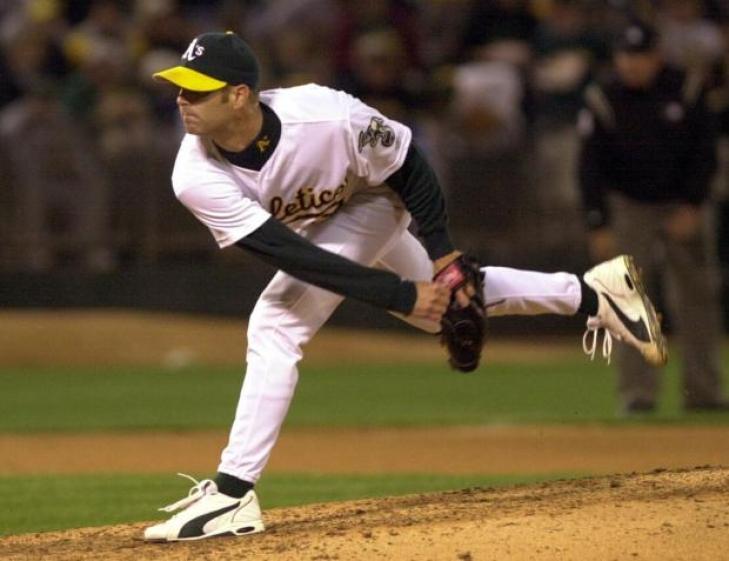
When Tim Hudson emerged in summer 1999, he quickly sparked a new era of baseball in the East Bay. Together with rising stars Barry Zito and Mark Mulder, Hudson led the legendary "Big Three" starting rotation, which would dominate the American League and become the pitching core of the renowned "Moneyball" teams of the early 2000s.
Hudson utilized a dynamic, explosive split-finger fastball and a powerful, biting sinker, establishing himself as a formidable competitor during his six years with Oakland. His skill in consistently producing weak ground balls and navigating high-pressure situations resulted in an impressive 92-39 record and a remarkable .702 winning percentage, making him one of the most efficient pitchers in the sport during that period.
His rapid ascent reached an elite national peak during his sophomore 2000 campaign. Putting on an absolute pitching clinic for the junior circuit, Hudson paced the American League by racking up a magnificent 20 victories against just 6 defeats, carrying a sharp 4.14 ERA over 202.1 intense innings. That dominant display earned him his first career All-Star selection and a brilliant, runner-up finish to Pedro Martinez for the 2000 AL Cy Young Award.
Far from a one-year wonder, he remained remarkably consistent as the franchise's frontline workhorse, anchoring a string of four consecutive postseason appearances for the Athletics from 2000 through 2003. He supplemented his resume with two additional top-six finishes in the Cy Young balloting, placing sixth in 2001 and fourth in 2003, before securing his second All-Star nod in an Oakland uniform during a stellar 2004 season that featured a microscopic 3.32 ERA.
However, as financial constraints in a small market and upcoming free-agent prospects affected the organization, the front office orchestrated a significant transition. In December 2004, Oakland transferred their leading pitcher to the Atlanta Braves as part of a multi-player deal, marking the conclusion of the best chapter in his career.
45. Tim Hudson
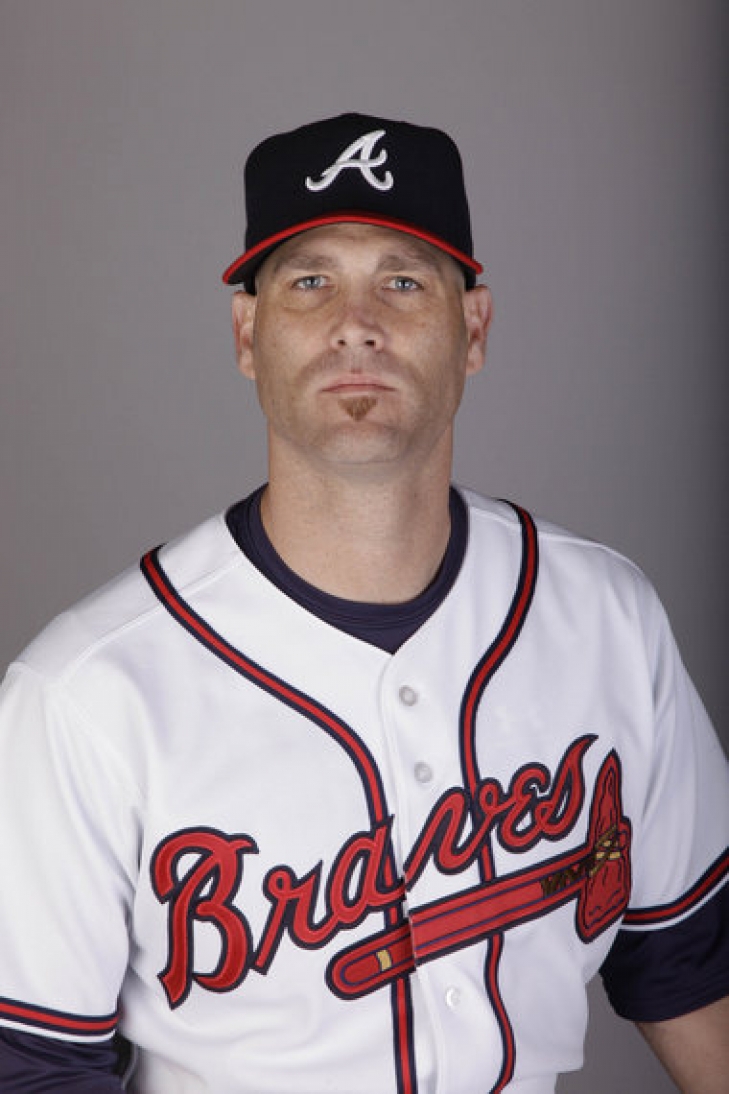
After an excellent run with the Oakland Athletics, Tim Hudson would be traded to Atlanta, where he would win 113 of his 222 career Wins. Hudson won at least 13 Games in each of his first three seasons, and in late 2008, he underwent Tommy John surgery. While that ailment kept him out of baseball for a year, he rebounded in 2017 with his best season in years, including an All-Star appearance, a 17 Win season, and an ERA under 3. He would finish fourth in Cy Young voting that year. Hudson would win 16 Games over the next two seasons, and before signing with the San Francisco Giants after the 2013 Season, he recorded 997 Strikeouts as a Brave.
In 2018, Hudson was elected into the Braves Hall of Fame.
Our 2021 Baseball Futures are now up!
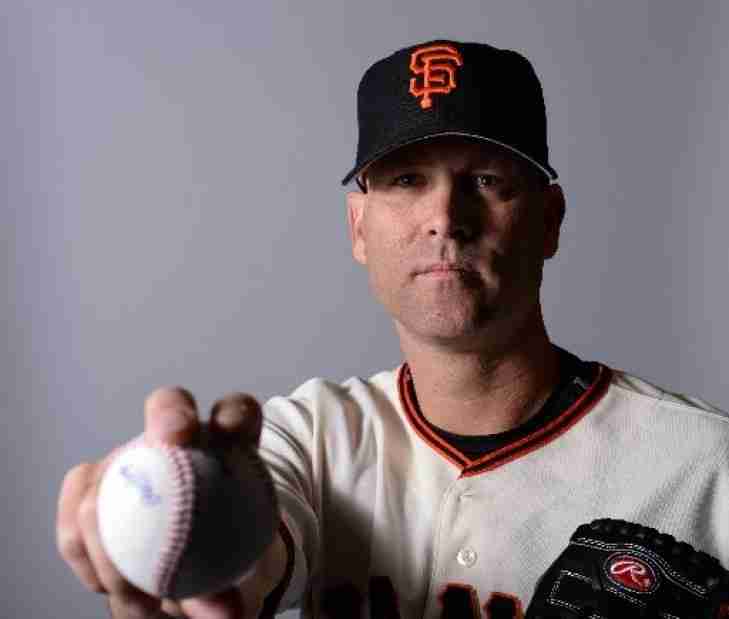
We have added to our Baseball Futures section by adding those who will be eligible for Cooperstown in 2021.
The complete list can be found here, but here are each of those who could appear on the ballot for the first time in ’21.
A.J. Burnett: An All Star in 2015 who led the American League in Strikeouts in 2008. He is currently 31st all-time in that stat.
Aaron Harang: Harang led the NL in Wins and Strikeouts in 2006 and would finish 4th in Cy Young voting.
Adam LaRoche: A winner of both the Silver Slugger and the Gold Glove in 2012. He has over 250 Home Runs over his career.
Alex Rios: An All Star in 2006 & 2007. Rios would win the World Series with Kansas City in his last season.
C.J. Wilson: A two time All Star in 2011 and 2012.
Corey Hart: A two time All Star who is known most for his time in Milwaukee.
Dan Haren: Went to three consecutive All Star Games (2007-09) and also led his respective league in SO/BB three times. He is currently 7th all-time in that category.
Dan Uggla: A three time All Star and one time Silver Slugger recipient.
Grady Sizemore: Sizemore went to three straight All Star Games (2006-08) and won a Silver Slugger and two Gold Gloves. He would lead the AL in bWAR for Position Players.
Grant Balfour: The first Australian to be named an All Star (2013)
Jason Marquis: An All Star in 2009 who would win 11 Games six seasons in a row.
Kevin Gregg: A Relief Pitcher who was in the top ten in Saves four times.
LaTroy Hawkins: A middle reliever who is 10th all-time in Games Pitched.
Mark Buehrle: A five time All Star who helped the Chicago White Sox win the World Series in 2005. He is currently 61st all-time in WAR for Pitchers.
Michael Cuddyer: A two time All Star who won the National League Batting Title in 2013.
Nick Swisher: An All Star in 2010 and a World Series Champion with the New York Yankees in 2009.
Rafael Soriano: A Pitcher with 207 career Saves.
Shane Victorino: A two time All Star with four Gold Gloves. Victorino won two World Series Rings in his career.
Skip Schumaker: A member of the St. Louis Cardinals World Series Championship team in 2011.
Tim Hudson: A four time All Star who led the AL in Wins in 2000. He is 68th All Time in WAR for Pitchers, 69th in Strikeouts and 75th in Wins.
Torii Hunter: A five time All Star who also won the Gold Glove nine times. Hunter is also a two time Silver Slugger.
When you have the chance, take a look at this new section on Notinhalloffame.com and let us know if any of these former baseball players are Hall of Fame worthy!
116. Tim Hudson
Tim Hudson to retire. HOFer?
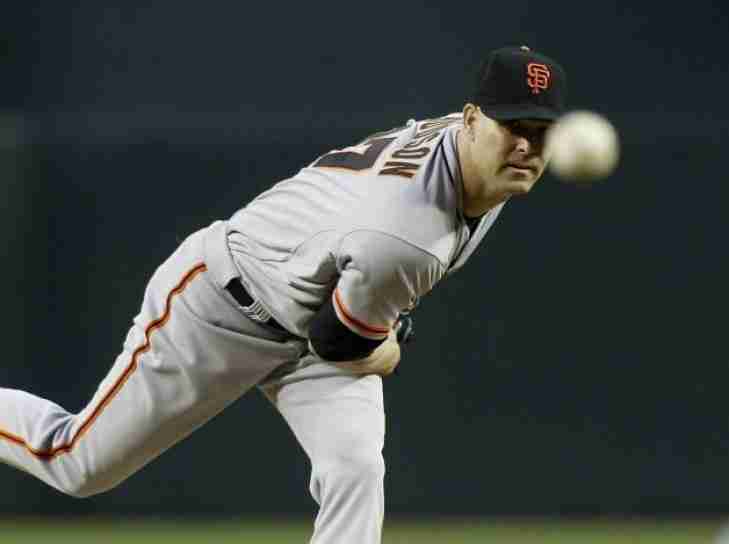
The 40 year old San Francisco Giants Pitcher cited that “it was time” and he is currently holds the most Wins (222) of any active Pitcher. Hudson balances that out with only 132 Losses and currently has well over 2,000 career Strikeouts with a healthy 57.4 career bWAR.
Hudson broke in with the Oakland Athletics in 1999 and would have a very productive year in 2000 where he went 20 and 6, leading the American League in Wins and was the runner up for the Cy Young. He would continue to be a large part of the A’s success for the next few years and while he was not necessarily considered the elite, he was considered consistent and a high level second tier Pitcher.
Following his run in Oakland, he was traded to the Atlanta Braves prior to the 2005 season. Hudson would have some injury issues, but would rebound in 2009 and make his third All Star game.
Two years ago, Hudson signed with the San Francisco Giants and would make history as the oldest Pitcher to start a game in the World Series. He would also earn his first and only World Series Ring.
The impending retirement of Hudson raises the usual Hall of Fame question and if he is to get inducted it would have to be based on his strong bWAR, which is currently 66th overall for Pitchers and is higher than many existing Hall of Famers.
Hudson will be eligible for the Baseball Hall of Fame in 2021 and will be added when he add that section on Notinhalloffame.com.
In our eyes, Tim Hudson is a borderline Hall of Famer (perhaps closer to the wrong side) but will likely be on the Notinhalloffame Baseball list.
We here at Notinhalloffame.com look forward to see what will be next in the career of Tim Hudson.
