
253. Ed Morris
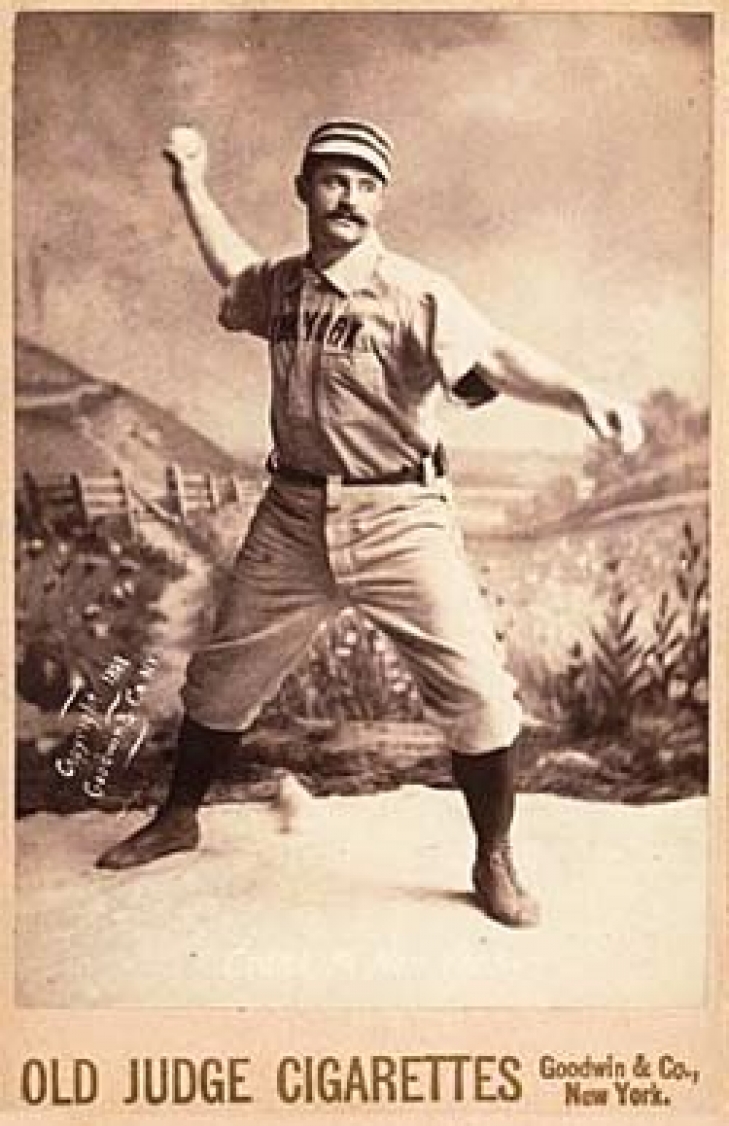
Ed Morris is described by some baseball historians as one of the first great lefthanders. That may or not be accurate, but he was the ace of a professional baseball team, and that can't be disputed.
265. Deacon Phillippe
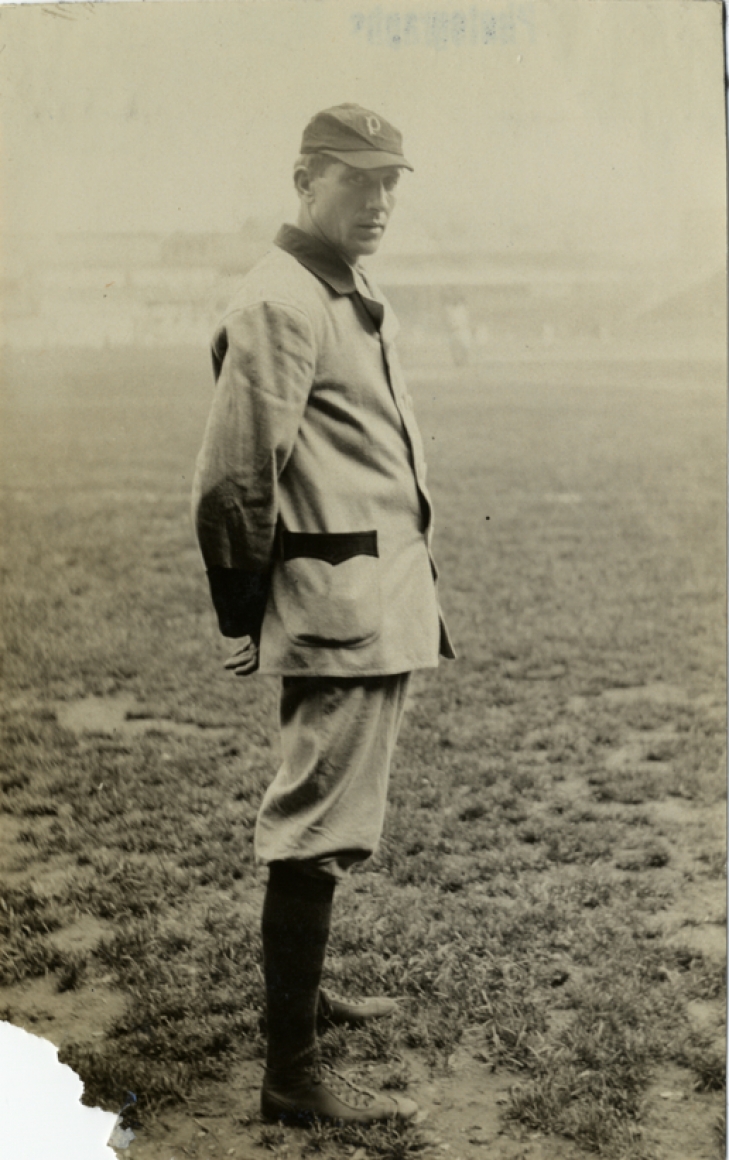
A Louisville Colonel for the first season of his career (1899), Deacon Phillippe was one of many players to be transferred to the Pittsburgh Pirates when the Colonels folded before the century's turn. In Western Pennsylvania, Phillipe played the rest of his professional career, which as it turned out to be a pretty good one.
226. Harvey Haddix
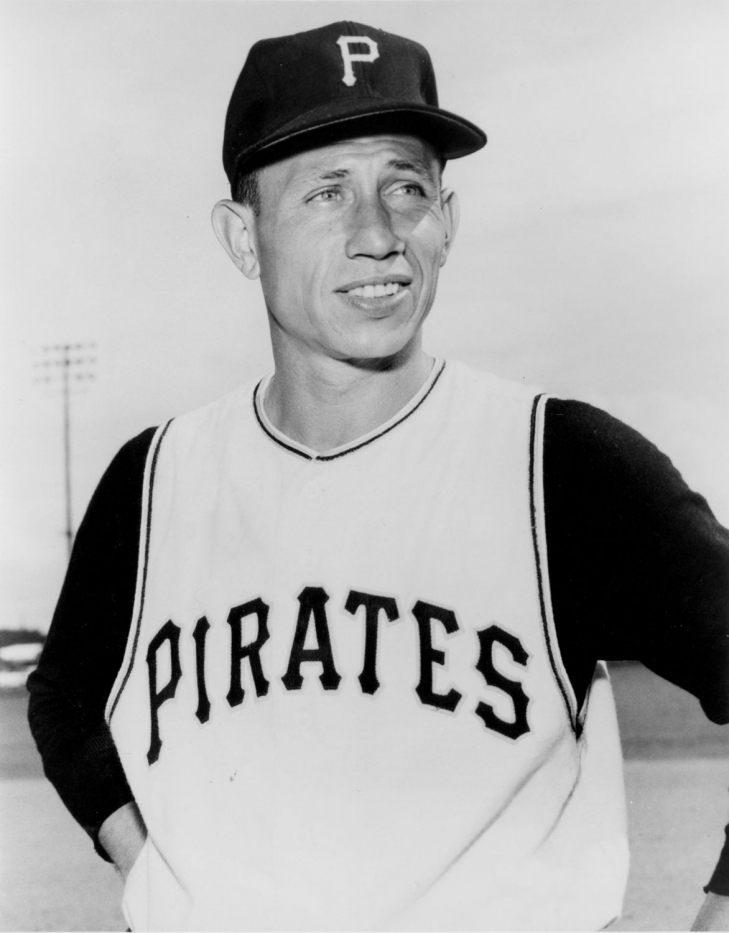
Baseball fans know what Harvey Haddix is mostly known for.
In 1959, in a game against the Milwaukee Braves, Haddix pitched 12 perfect innings before losing in the 13th after an error, an intentional walk, and a home run. Despite the loss, nobody had ever pitched 12 perfect innings before, and nobody has ever done it since. It is perhaps one of the most incredible performances ever by a hurler.
Haddix was a lot more than that game.
The lefthander broke into the Majors with the St. Louis Cardinals in 1952 for nine Games, and in the year after, he began a three-year run of All-Stars and was the runner-up for the Rookie of the Year. Haddix was traded to Philadelphia during the 1956 season, and while he had a losing record in 1957 (10-13), he led the National League in FIP (2.94) and SO/BB (3.49).
Haddix was then traded to Cincinnati, where he played only one year, but he again was the league leader in SO/BB (2.56), and he won his first of three straight Gold Gloves. Haddix was then traded to the Pirates in 1959, where he had that 12-inning gem. The southpaw was first that season in WHIP (1.061) and H/9 (7.6), and he would help the Pirates win the World Series in 1960.
He played five more years, with the last two being with the Baltimore Orioles. Haddix went 136-112 with 1,575 Strikeouts.
186. Jesse Tannehill
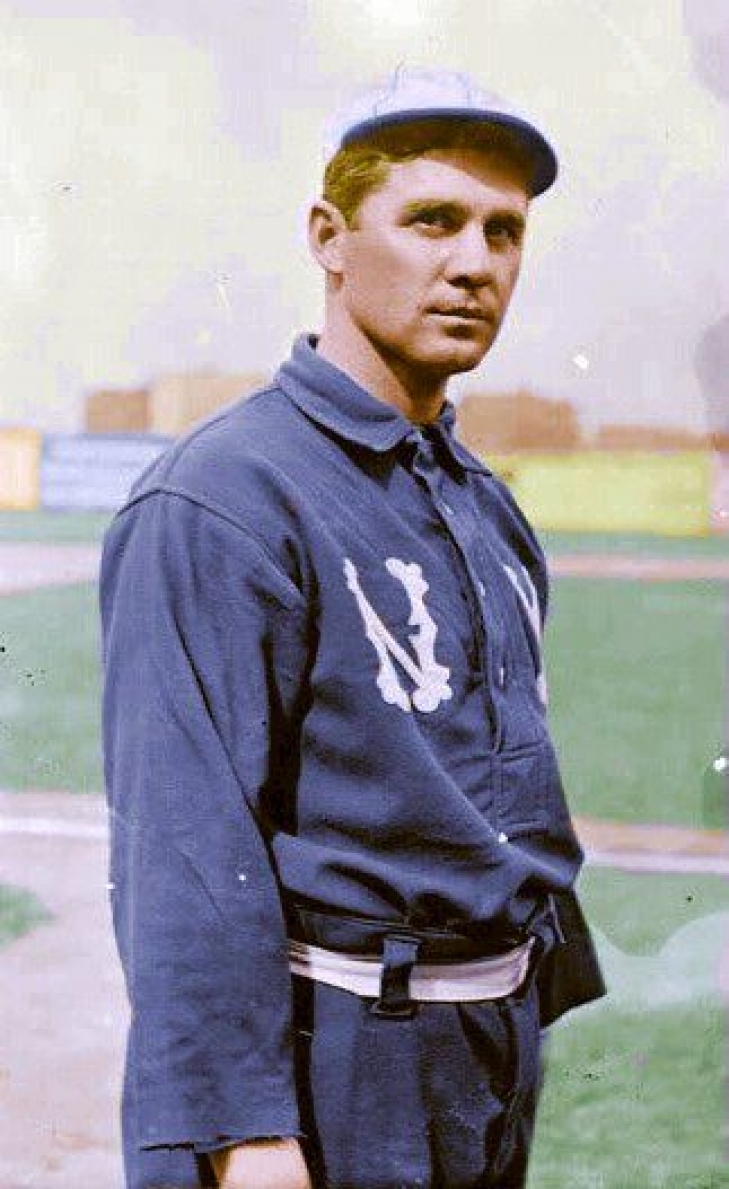
From the deadball era, Jesse Tannehill is one of the unsung pitchers from that time.
After appearing in five games for the Cincinnati Reds in 1894, he returned for good in 1897 with the Pittsburgh Pirates. The southpaw played for Pittsburgh for five seasons, winning at least 20 Games in four of them. In 1901, he "only" recorded the "W" 18 times, and he won the ERA Title (2.18). He was also the National League leader in FIP twice as a Pirate.
Tannehill later joined the Boston Americans, where he would have two 20-Win years. After a stint with the Washington Senators and one more with the Reds, he retired in 1911 with 197 Wins against 117 Losses.
221. Bob Friend
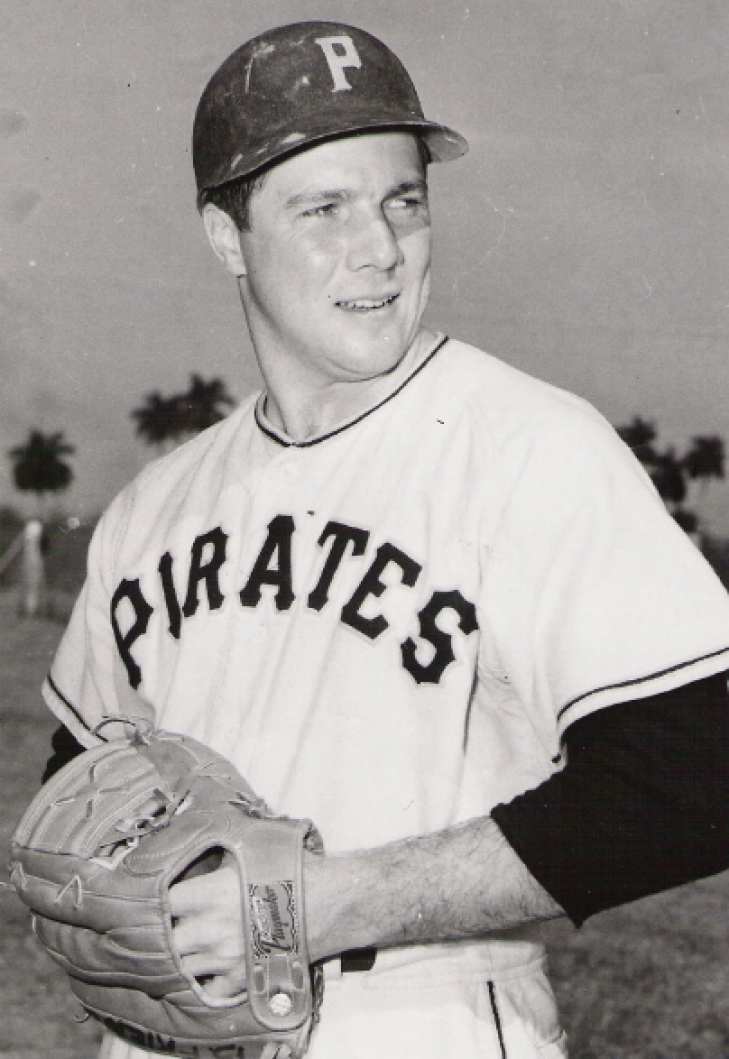
Bob Friend played most of his career with the Pittsburgh Pirates (1951-63), where he quietly had one of the better decades of the National League's Pitchers.
Friend cracked the Majors in 1951, but it was not until 1955 that he proved himself as a bona fide Starting Pitcher. While his record was only 14-9, he led the NL in ERA (2.83) and bWAR for Pitchers (6.0). Over the next three seasons, Friend was a workhorse leasing the league in Games Started in the first three years and Innings Pitched in the first two. The three-time All-Star had his most decorated season in 1958, where he led the NL in Wins (22) and finished third for the Cy Young and sixth for the MVP. Two years later, Friend was a large part of the Pirates’ surprise World Series win over the New York Yankees.
Friend played for Pittsburgh until 1965 and made brief stops with both New York teams before retiring in 1966. He would have a losing record of 197-230, but was still highly regarded.
Despite his accomplishments, Friend was left off the Baseball Hall of Fame ballot when he was first eligible in 1972.
194. Bill Madlock
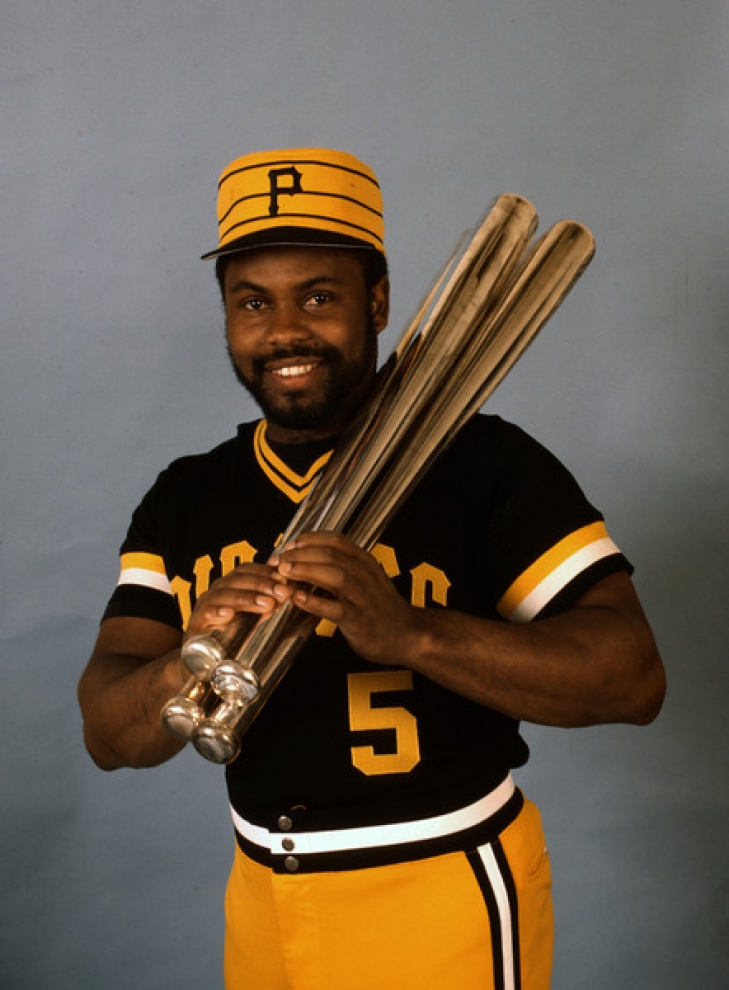
Bill Madlock is one of the more unlikely multi-time Batting Champions, as when you look in the annals of baseball history, Madlock is not on the tip of your tongue. He should be, as this is a four-time National League Batting Champion.
Madlock began his career with the Texas Rangers, but it was brief, as he was traded to the Chicago Cubs after his rookie year. The infielder would show his batting skill quickly as he led the National League in Batting Average in both 1975 and 1976, and that was in the midst of a five-year run of .300 years spent with the Cubs and San Francisco.
When that run ended, he began a new three-year run of .300 seasons, with the Pittsburgh Pirates (1981-83), where the first and third year of the streak were All-Star and Batting Title campaigns. His initial arrival in Pittsburgh was also impressive, as he arrived in a mid-season trade and helped the Pirates win the 1979 World Series. Madlock finished his career with the Los Angeles Dodgers and the Detroit Tigers.
Madlock would accumulate 2,008 Hits with a .305 Batting Average, 163 Home Runs, and 174 Stolen Bases.
85. Babe Adams
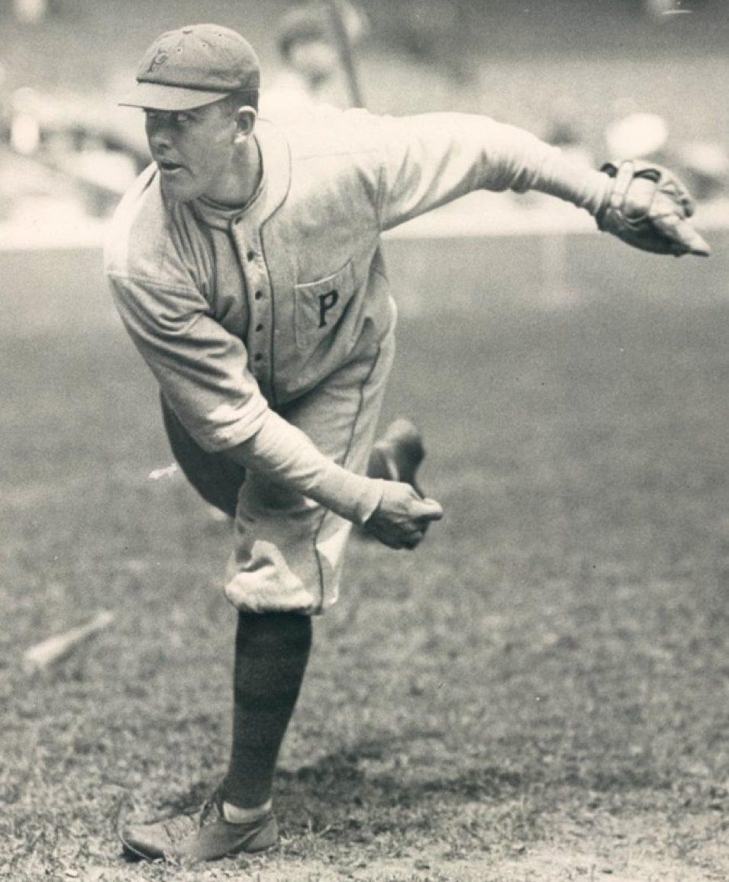
Playing all but one game of his career with the Pittsburgh Pirates, Babe Adams was one of the best control Pitchers of his day.
Adams played in one game for the St. Louis Cardinals in 1906, and his contract was traded to the Pirates shortly after. 1909 was the year he struck, and in that year's World Series, he was their shining star, winning three Games and posting a 1.33 ERA and a 0.889 WHIP.
Over the next few years, Adams was a high-end starter for the Pirates, leading the NL in WHIP in 1911 and 1914 and going 20-for-20 in saves in both 1911 and 1913. Sadly for Adams, shoulder trouble led to a subpar 1916 season, and he spent 1917 in the minors and most of 1918 on the sidelines. It looked like it was over for Adams, but he got healthy, and had there been a Comeback Player of the Year Award, he likely would have won it (although the players coming back from World War I might have had something to say about that).
From 1919 to 1921, he led the National League in WHIP, and from '19 to '22, he was the first-place finisher in BB/9 and SO/BB. Adams would also lead the NL in FIP four times in his career.
His play fell off by 1924, but he was in his 40s by this time. Adams did play in the 1925 World Series, and although he did not play much, he was a member of that championship team, making him the only player who was on both Pittsburgh's 1909 and 1925 World Series Titles. His last season was 1926, and he retired with a record of 194-139 and a WHIP of 1.090.
The Pittsburgh Pirates will begin a franchise Hall of Fame in 2020
Regular visitors of Notinhalloffame.com know that we are slowly working on the top 50 of every major team in the NHL, NBA, NFL and MLB. Once that is done, we intend to look at how each team honor their past players and executive. As such, it is news to us that the Pittsburgh Pirates have announced that they will be creating their own franchise Hall of Fame in 2020.
It was also announced their Steve Blass will be part of the Pirates’ inaugural Hall of Fame Class.
Blass played ten seasons for Pittsburgh where the Pitcher posted a record of 103-76 and earned a World Series Ring in 1971. Following his playing career, he would become a broadcaster for the team, which began in 1983, a role he still has today.
It is unknown at this time whether or not Blass will be joined by others in the inaugural class, but we suspect there will be more.
The Hall of Fame will be located at PNC Park.
We here at Notinhalloffame.com would like to congratulate Steve Blass for this prestigious honor and the Pittsburgh Pirates for establishing this institution.
60. Roy Face
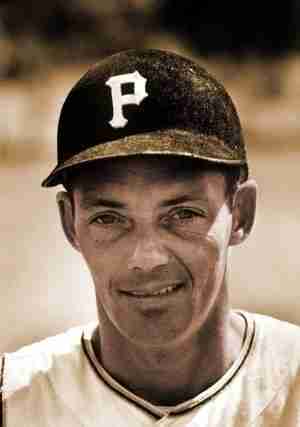
Hoyt Wilhelm generally receives credit for being the game’s first great reliever. History may eventually show that Wilhelm was not the only prototype for relievers, as Roy Face deserves to be included in that discussion as well.
Roy Face was the first pitcher to ever record twenty saves in a season. He would lead the senior circuit in that category three times. Roy Face still holds the record for the highest winning percentage in a season with a whopping .947 (18 wins to 1 loss). Face used his forkball to get Pirate teams out of jam after jam and racked up multiple wins and saves all in a relieving role.
The role of the closer is still being sorted out in Baseball’s Hall of Fame, but if a strong case was successfully made for Hoyt Wilhelm, should Roy Face have been this far behind him in consideration?
Should Roy Face be in the Hall of Fame?
43. Al Oliver
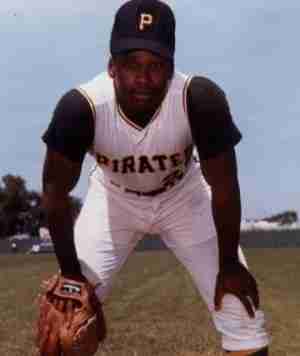
Al Oliver came to the league in 1969 as a line-drive hitter and, for eighteen years, consistently smacked the ball for hits. He had over 2,700 hits in his career, and despite not being a genuine power hitter, he had a plethora of RBI’s.
Oliver’s main gift was hitting for average. In addition to his 1982 Batting Title, he had ten other seasons where he hit the .300 plateau. Oliver wasn’t known for hitting home runs (though he did over 200 in his career), but he found the gap often and was perennially among the league leaders in doubles. As he was a decent clutch hitter and was always in the hunt for Batting Titles, it would have been thought that Al Oliver would have had more support for the Hall of Fame.
96. Wilbur Cooper
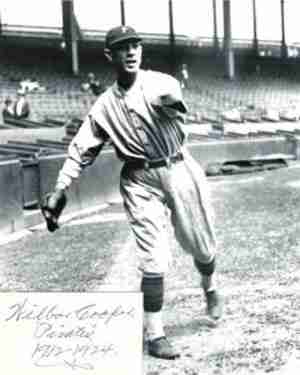
Although Wilbur Cooper is considered one of the best pitchers in Pittsburgh Pirates history, his legacy is often forgotten because it was so long ago. From 1917 to 1924, Cooper was at his best and was in the top ten regularly in virtually every pitching category in the National League. He was the first left-hander in the NL to hit 200 wins, but his overall total in that department did not exceed much more than that. Advanced metrics have given Cooper a bit more of a look again, but at the very least, he should be remembered with greater fondness in the Steel City than he is currently. Had he played for a World Series team, he probably would be.
92. Tommy Leach
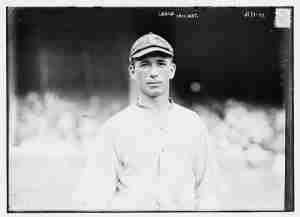
How many times is an athlete described as “small in stature but big in heart”? This analogy has been used more times than we can determine, but far too often, and it was an accurate assessment when describing the turn-of-the-century ballplayer Tommy Leach.
“Wee” Tommy Leach was a triples machine and one of the fastest ballplayers of his day. Leach hit a few Home Runs in the dead-ball era, though most of them were of the inside-the-park variety. For all intents and purposes, Leach was a power hitter and often cleared the bases, or would himself get on base for the legendary Honus Wagner, who batted behind him during his heyday in Pittsburgh. It was fitting that it was Tommy Leach who would get the first hit and first run in World Series history. Injuries would catch up to him by 1910, and he wasn’t the same player, but Leach is a forgotten star in the first century of the 1900’s.
Should Tommy Leach be in the Hall of Fame?
Fraddy Sanchez officially retires

Sanchez, 38, who won his batting title on the final day of the season in 2006 while with the Pittsburgh Pirates officially finishes his career with 1,012 Hits with a .297/.335/.413 Slash Line and three All Star Game appearances.
He is eligible for the Hall of Fame in 2017, though he is not expected to get in.
We here at Notinhalloffame.com wish Freddy Sanchez the best in his post MLB career.
Aramis Ramirez Retires
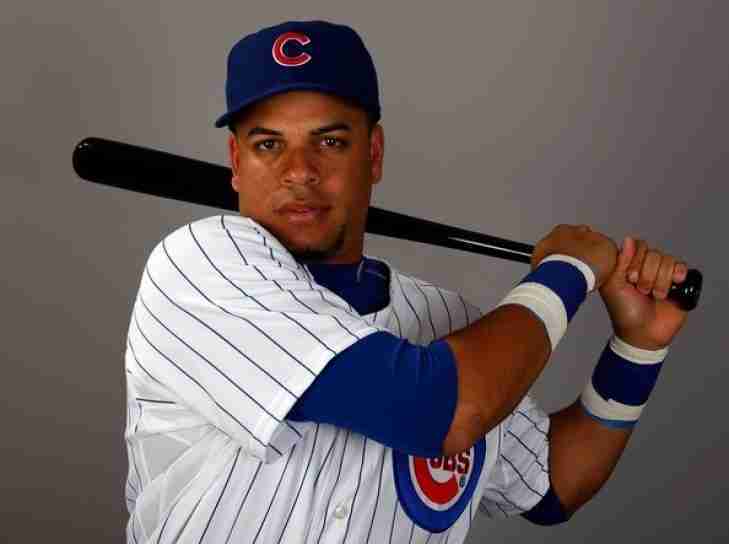
Ramirez leaves the game with some impressive accolades. He was a three time All Star, a one time Silver Slugger and would finish in the top ten in MVP voting three times. Statistically, he leaves the game with 386 Home Runs and 2,303 Hits and led the National League in Doubles in 2012. He would play his entire career in the National League, beginning (and ending) his career with the Pittsburgh Pirates with lengthy stints with the Chicago Cubs and Milwaukee Brewers along the way.
We always ask the question here at Notinhalloffame.com when we have a retirement as to whether that said player is HOF caliber. While Ramirez had a very good career, his numbers, especially poor defense resulting in a career bWAR of 32.1 isn’t one that will cut it in the modern thought process, and he will struggle to gain more than a handful of votes in 2021, the first year that he becomes Hall of Fame eligible.
While Aramis Ramirez has completed his service to Major League Baseball, he will do a farewell tour in his native Dominican Republic playing for Tigres del Licey in the Dominican Winter League.
We here at Notinhalloffame.com would like to wish Aramis Ramirez the best of luck in his post-MLB career.
120. Bob Elliott
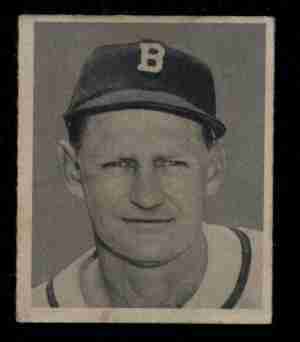
In this era of the overpriced, overpampered, selfish athlete, we can’t help but like a player who was nicknamed “Mr. Team”. This isn’t to say that Bob Elliott did not still rack up some impressive individual accolades, as he certainly did just that.
Bob Elliott had some solid campaigns for the Pittsburgh Pirates, but because many of the great stars were away during World War II, he did not have many to compete against. Elliott would still prove valuable, as when the League returned to full strength, he put up his best numbers (as a member of the Boston Braves) and would win the NL MVP in 1947.
At the time of his retirement, Bob Elliott was the all-time leader for Home Runs and Slugging for Third Basemen. This has been surpassed by many since then, but it should not be forgotten what he accomplished during his era.
Should Bob Elliot be in the Hall of Fame?
1. Barry Bonds
You may have noticed that many sportswriters who have a Hall of Fame ballot for the Baseball Hall of Fame drink a little more since the PED candidates entered the ballot. The PED question is now utterly unavoidable with the wave of eligible candidates, as the sport’s biggest stars of the last two decades are now eligible for Hall of Fame enshrinement.
It is not that our baseball list has not been controversial in the past. We already made significant revisions when we initially created a “1a” and a “1b” to account for the fact that both Pete Rose and “Shoeless” Joe Jackson are ineligible for the Hall due to gambling (though this was reversed in 2025). A thought crossed our mind to create a list of eligible players who were caught (or suspected) of using PEDs, but there is one fact that cannot be ignored: these players are eligible for the Hall of Fame, and it is widely suspected that PED users have already entered Cooperstown.
Let’s get to the man at the top of this list: Barry Bonds
It has often been said that Barry Bonds would have been a Hall of Famer before the period during which it is believed that he started taking Performance Enhancing Drugs. With excellent career numbers (both traditional and sabermetric) and three National League MVP Awards under his belt, the Cooperstown resume was already there. What has been speculated is that Bonds grew frustrated at the attention that Sammy Sosa and Mark McGwire received during their famous chase of Roger Maris’ single-season Home Run record, and that had he done the same things (PED) that they did, he could have surpassed their levels. Whether or not that history is correct, Bonds’ already impressive numbers reached stratospheric levels, and he completely dominated the Steroid Era.
We don’t have to tell you all the statistics. A first look shows seven MVPs, the career Homer Run and Walks marks, and the top five career tallies in Runs, RBIs, WAR, and OPS, without going into great depth. We also don’t have to tell you that Mark McGwire and Rafael Palmeiro (others tainted by PEDs) have colossally failed to earn the writer’s support for the Hall, and there is no evidence that they will change their minds. However, Barry Bonds was a better player than those two superstars, and if any player from that era deserves to be in, it is Barry Bonds. Let’s also not forget that many of the writers who voted for Bonds to win the MVPs in his later years strongly believed he was juicing. They voted for him anyway.
We would have no problem voting for Bonds for the Hall of Fame if we were ever granted a ballot, as evidenced by his selection at the top of our list. We would, however, understand if you wouldn’t. As it stands now, we doubt he will see a plaque with his name on it.
