

162. Lew Burdette
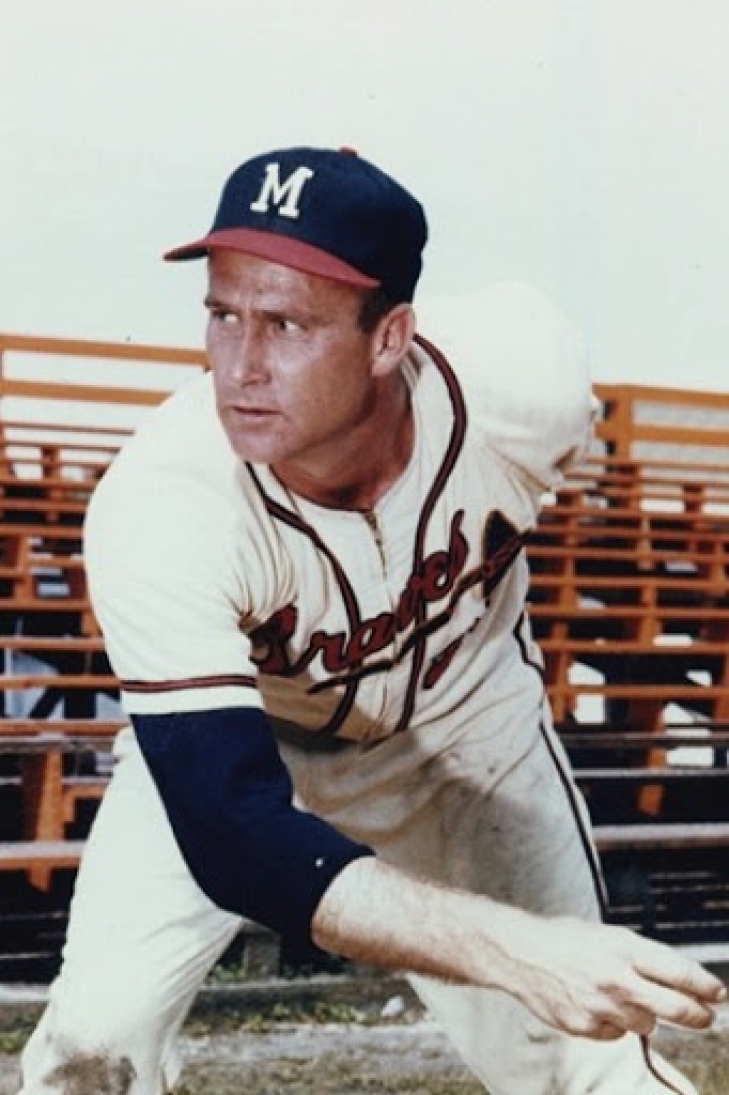
Lew Burdette was the star right-hander for the Milwaukee Braves in the 1950s, but his career was a tad on the complicated side to dissect.
Burdette made his first appearance in the Majors for the Braves in 1950, but he was not a permanent member of the roster until 1952. Burdette became a top hurler in 1953, and from 1953 to 1961, he had at least 15 Wins every year but 1955. Burdette won the National League ERA Title in 1956 (2.70), and the year after, he was the World Series MVP in what would be the Braves' only World Series Championship in Milwaukee. He had 20 Win years in 1959 and 1960 and was third in Cy Young voting in the latter season.
Burdette was good during this period, utilizing control to lead the NL in BB/9 three times, but he also gave up a lot of Hits, and his career bWAR is under 30. Known for his fidgeting, Burdette was an annoyance to batters, and it was joked that he would make coffee nervous.
After declining in the early 60s, Burdette bounced to St. Louis, Chicago (NL), Philadelphia, and California before retiring in 1967 with a record of 203-144.
48. Felipe Alou
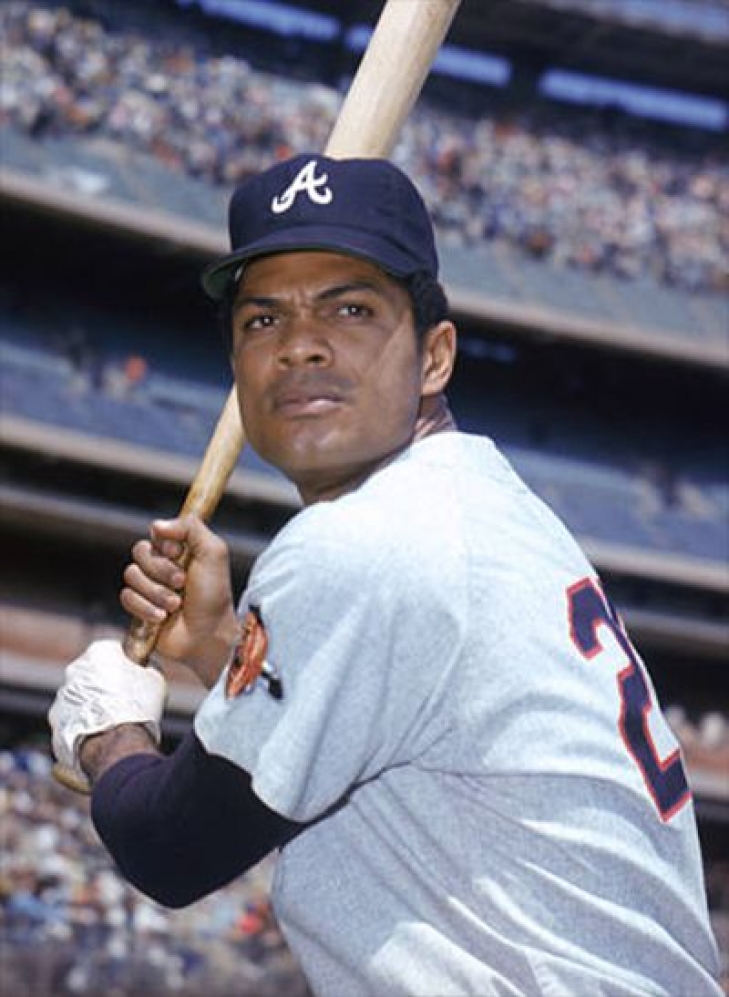
Felipe Alou is arguably better known in baseball as a manager, having helmed the Montreal Expos for years and been named Manager of the Year in 1994, but he was also a former player who accumulated over 2,000 hits in his career.
Alou came up through the Giants, where he would be named an All-Star in 1962, and he would arrive in Milwaukee as part of a seven-player trade after the 1963 season. The Outfielder played for the Braves for six years, where he had the best run of his career. In 1966, he would lead the National League in Hits (218) and Runs Scored (122), both of which were career highs. He would also set personal bests with 31 Home Runs, a .327 Batting Average, and a .533 Slugging Average, all of which would land him a fifth-place finish in MVP voting. Alou would again lead the NL in Hits in 1968, this time with 210 Hits and a .317 Batting Average.
Twice an All-Star as a Brave, Alou’s six seasons would see him bat .295 with 989 Hits.
41. Rico Carty
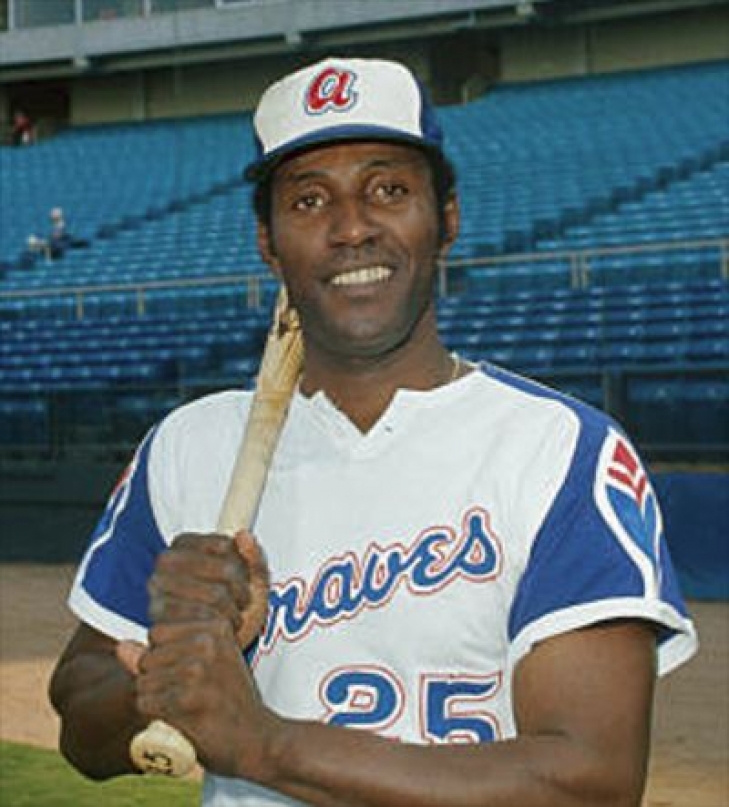
Rico Carty may have been popular, but he was not necessarily lucky. While a member of the Atlanta Braves, Carty would miss two complete seasons, 1968 due to tuberculosis and 1971 due to a severe knee injury. In that time frame, Carty put forth an incredible 1970 season, leading the National League in Batting Average (.366) and On Base Percentage (.454), and posting career power highs of 25 Home Runs and 101 Runs Batted In. Carty was so good that he was voted an All-Star that year, despite having to be a write-in candidate, making him the first to accomplish that! Carty’s overall numbers as a Brave would see him play 828 Games with a Slash Line of .317/.388/.496.
30. Joe Adcock
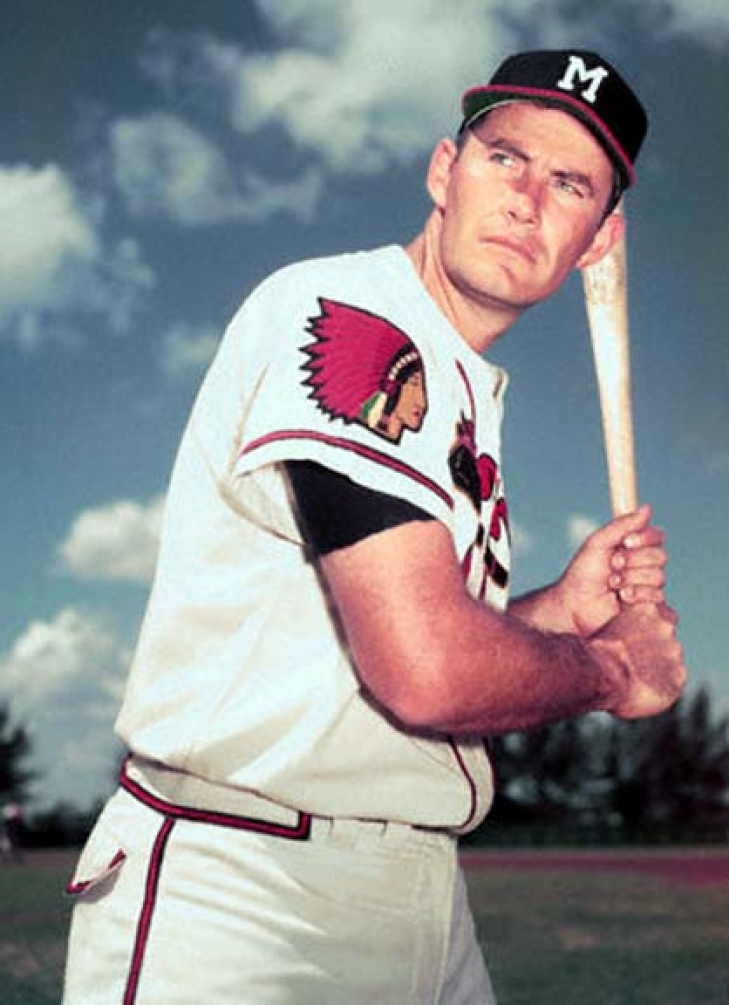
We return to the potent Milwaukee Braves team of the 1950’s, where we have Joe Adcock, a slugger who went yard for the franchise 239 times, including a 38 dinger season in 1956.
Adcock arrived in Milwaukee in a complex four-team trade, which he benefited from, as he was not playing at his natural First Base position, as Cincinnati had Ted Kluszewski. Adcock’s power always seemed to come at unique times. He had a four Home Run game in 1954, and it was Adcock who hit a Home Run (which he didn’t get credit for due to Hank Aaron’s baserunning error, but there was a runner ahead who scored) to end Harvey Haddix’s legendary game where he pitched 12 perfect innings. Adcock would thrice finish the season with MVP votes, and he had 1,206 Hits with a .285 Batting Average. He was also instrumental in the 1957 World Series Championship. It is also worth noting that Adcock didn’t want to play at First Base because he preferred it, he was also really good at it. He would finish first in Range Factor per Game and Fielding Percentage three and four times, respectively, as a Brave among all National League First Basemen.
24. Bob Elliott
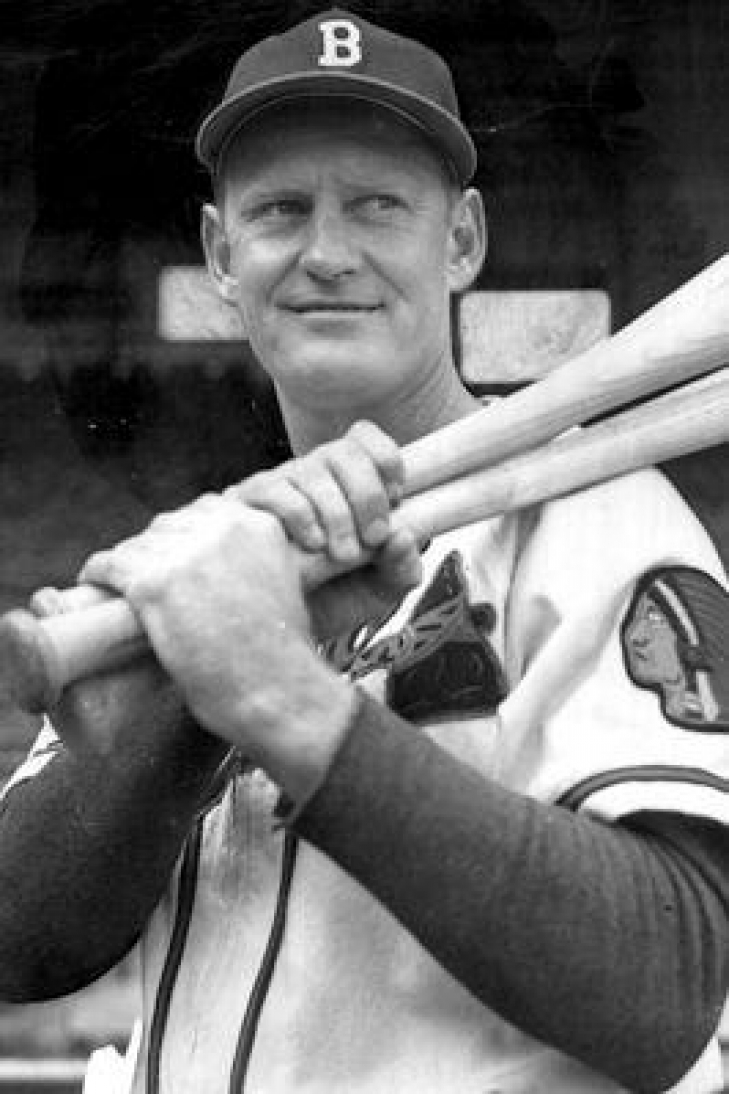
Prior to joining the Boston Braves, Bob Elliott was already a proven commodity in professional baseball, having been a three-time All-Star for the Pittsburgh Pirates. His first season in Boston would be his best, as in 1947 he posted a career-high .317 Batting Average with 22 Home Runs and 113 RBI.
As a Boston Brave, Bob Elliott was nicknamed “Mr. Team,” a moniker that reflects how selfless and excellent a teammate he was and why his value to the Braves extended beyond his stat line. The Third Baseman continued his strong performance in Boston, being named an All-Star again in 1948 while helping the Braves win the National League Pennant as their clean-up hitter. He was with the Braves for three more seasons, and in his five years in Boston, he had 101 Home Runs with a Slash Line of .295/.398/485.
33. Del Crandall
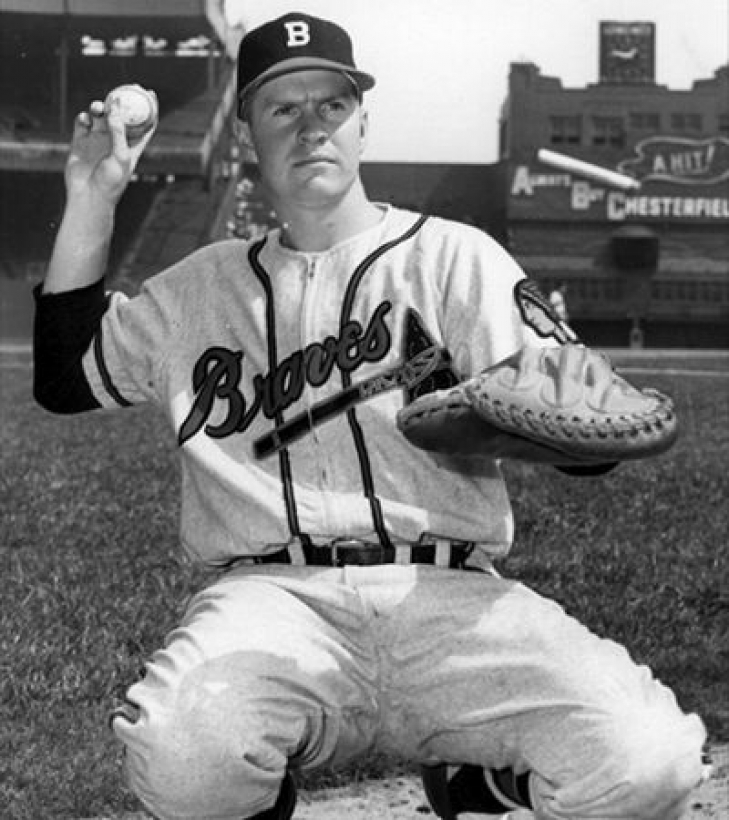
We have another member of the 1957 World Series Championship team, Del Crandall, who would represent Milwaukee in eight All-Star Games. Crandall lost a couple of years early due to serving his country during the Korean War, but upon his return stateside, he established himself as one of the best defensive Catchers in baseball and an elite pitch caller whom pitchers trusted implicitly. Crandall won four of the first Gold Gloves issued to Catchers in the National League (the first was won by one person regardless of the league), and had that piece of hardware been issued before 1957, he would have probably won another four. Crandall would lead all National League Catchers in Total Zone Runs six times and Fielding Percentage four times.
Crandall was not the best hitter, but, for his defense, not many catchers were when he played. He would accumulate 1,176 Hits and 170 Home Runs as a Brave, and he would have seven seasons where he received MVP votes, his highest being a tenth-place finish in 1958.
In 2003, Crandall was the lone inductee to the Braves Hall of Fame.
25. Johnny Logan
23. Johnny Sain
There was a famous saying around the Boston Braves that waxed poetic about the late 1940’s Boston Braves:
16. Lew Burdette
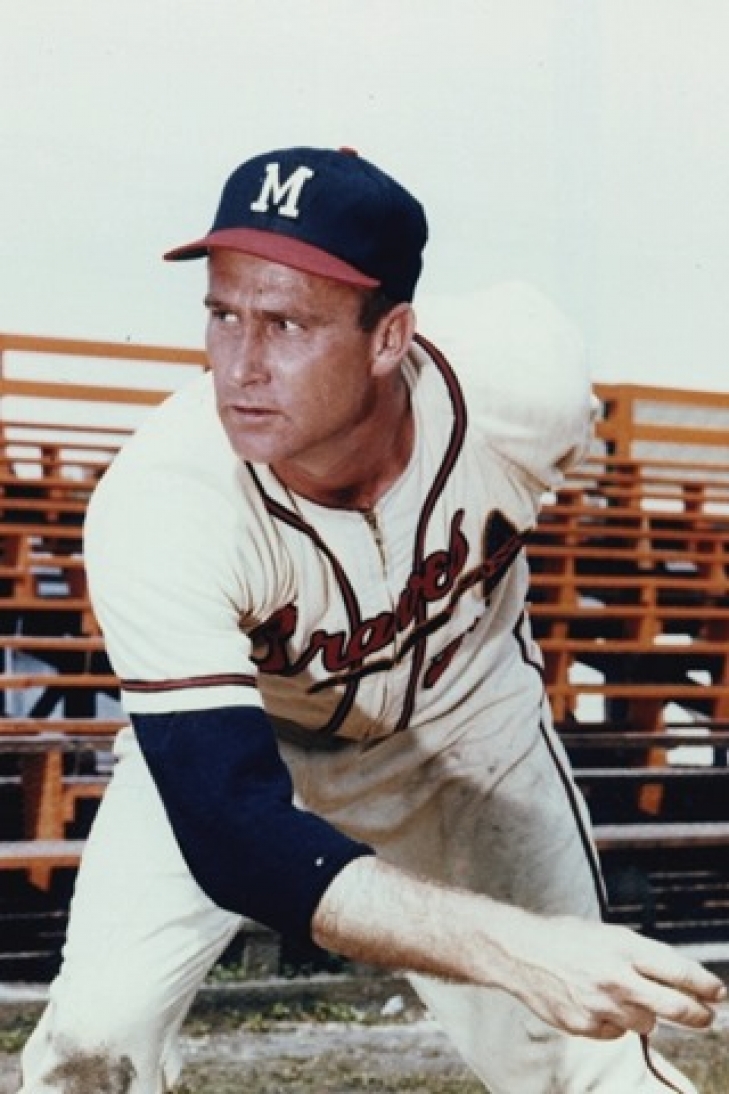
Lew Burdette was a consistent Pitcher for the Milwaukee Braves, where he would win 179 Games for the franchise. Burdette first came to notice in the 1953 season, going 15-5 and finishing 7th in ERA. The hurler remained solid for a couple of years, and in the last half of the 50’s, he would go on his best run, where from 1956 to 1961, he never had less than 17 Wins, and in three of those seasons, he was the National League leader in BB/9. Burdette would also win the ERA Title (1956) and the Wins leader in 1959.
An All-Star twice (1957 & 1959), Burdette would help Warren Spahn propel the Braves to the World Series, and Lew was at his absolute best, going 3-0 in the Fall Classic with a 0.67 ERA and a 0.926 WHIP. He would win the World Series MVP that year.
Despite his on-field accomplishments, Burdette might be best known for being a prankster and fun-loving individual who was popular with teammates and fans alike. If this list were based on overall likability, it would have been hard to supplant Lew Burdette.
4. Eddie Mathews
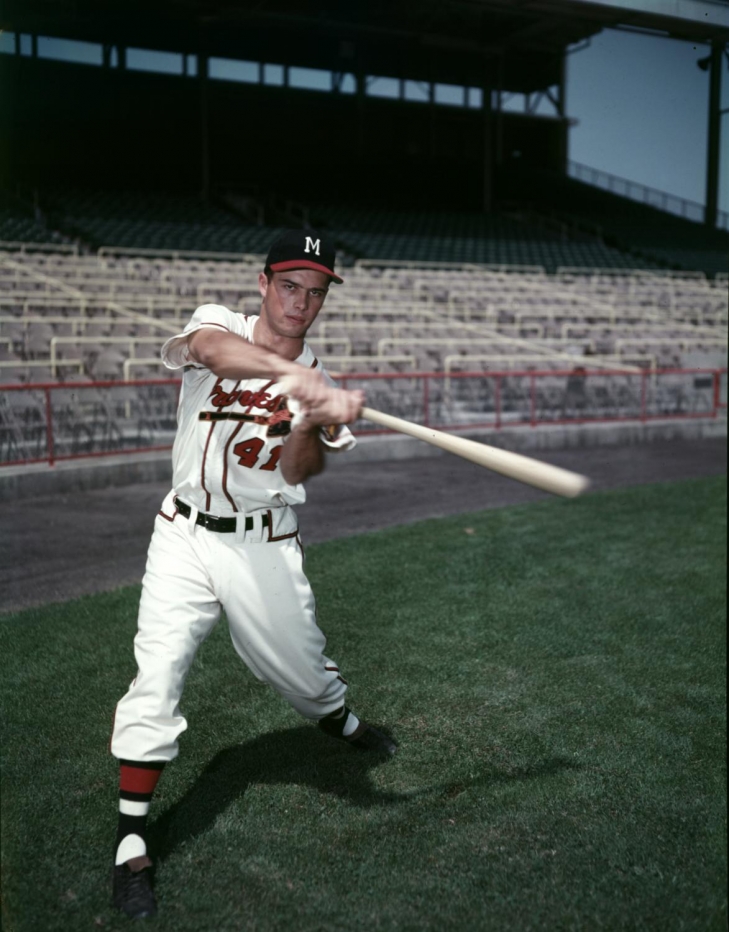
The only player in franchise history to play for the organization when the team was in Boston, Milwaukee, and Atlanta, Eddie Mathews is historically regarded as one of the best Third Baseman in the game’s history.
Mathews debuted in 1952 with the Boston Braves where he finished third in Rookie of the Year voting but in 1953 when the franchise moved to Milwaukee he would become an All-Star for the first of nine times. This was only his second season of seventeen years in the Majors yet it was arguably his best as he had career highs in Home Runs (47, which was also enough to lead the NL) Runs Batted In (135), a sweet Slash Line of .302/.406/.627 and he was second in MVP voting. This isn’t to say that Mathews declined after this because he certainly did not. Paired up with Hank Aaron, Mathews was one half of the most powerful dup in the National League. The Third Baseman would have three more 40 Home Run Seasons, was a four-time leader in Walks and again would have a second-place finish in MVP voting (1959) while finishing in the top ten two other times. It also can’t be forgotten that he was a critical part in the Braves winning the World Series in 1957. He was also more than decent on the defensive side of the ball as he was a two-time leader at his position in Total Zone Runs and was a top-five finisher on seven more occasions.
As a Brave (Boston, Milwaukee & Atlanta) he would accumulate 2,201 Hits, 493 Home Runs, 1,388 RBIs with a Slugging Percentage of .517.
Eddie Mathews was traded after fifteen seasons with the Braves and in his last year in the Majors he would win his second World Series ring in a minor role with the Detroit Tigers in 1968.
Mathews would be chosen for the Baseball Hall of Fame in 1978 on his fifth year on the ballot. Atlanta retired his number 41 in 1969 and he was inducted along wth three other legends into the Braves' first Hall of Fame class in 1999.2. Warren Spahn
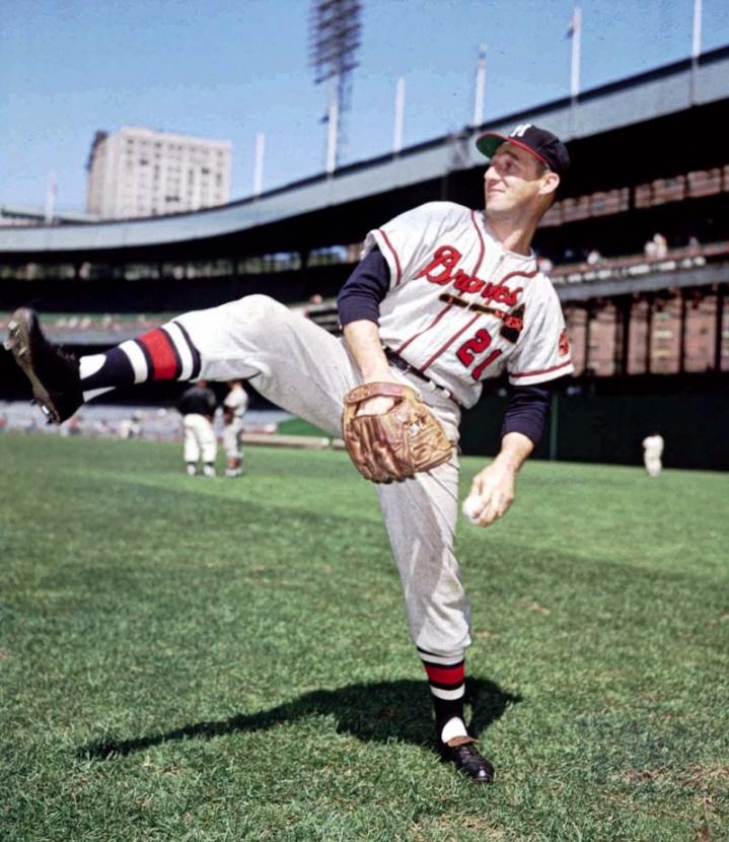
Not only are we comfortable saying that Warren Spahn was the greatest Pitcher in Braves history, but he is also in the top ten all-time and the greatest left-hander ever.
Calling anyone the greatest Braves Pitcher of all time is no small statement considering the legends who took the mound. A Cy Young winner in 1957 (the inaugural winner), Spahn had a later start: he debuted for the Boston Braves in 1942 but missed the next three years due to military service. The southpaw would emerge as an All-Star for the Boston Braves, winning 21 Games and the ERA and WHIP titles while also eating the most Innings. This would become a pattern for the next decade and a half.
21 must have been his favorite number as he would win exactly that amount of Games seven times with two other 20 Win seasons. Leading the NL in Wins eight times, 356 of his 363 Wins were with the Braves, and whether it was in Boston or Milwaukee (where they moved to in 1953), it could always be counted on that Spahn would win a lot, strikeout his share of batters, and keep his ERA down. This is also a 17-time All-Star, a three-time ERA leader, and a four-time Strikeout leader. He won the 1957 Cy Young Award when it was awarded to the best in both leagues, and he was also runner-up for it the next three years. Let’s not forget that he was the ace of the staff that won the 1957 World Series.
Sabremetrically speaking, Warren Spahn never finished first among Pitchers but he was second four times, third twice, fourth once, and was fifth four times. From 1949 to 1959, he never finished outside the top five! We haven’t even mentioned that he hit 35 Home Runs over his career.
Spahn would enter the Baseball Hall of Fame in 1973, his first year on the ballot, and he will not be dislodged from this spot at #2 for decades to come. His number 21 was inducted by the Braves in 1965, and in 1999, he was one of four former players enshrined in the Braves Hall of Fame.
1. Hank Aaron
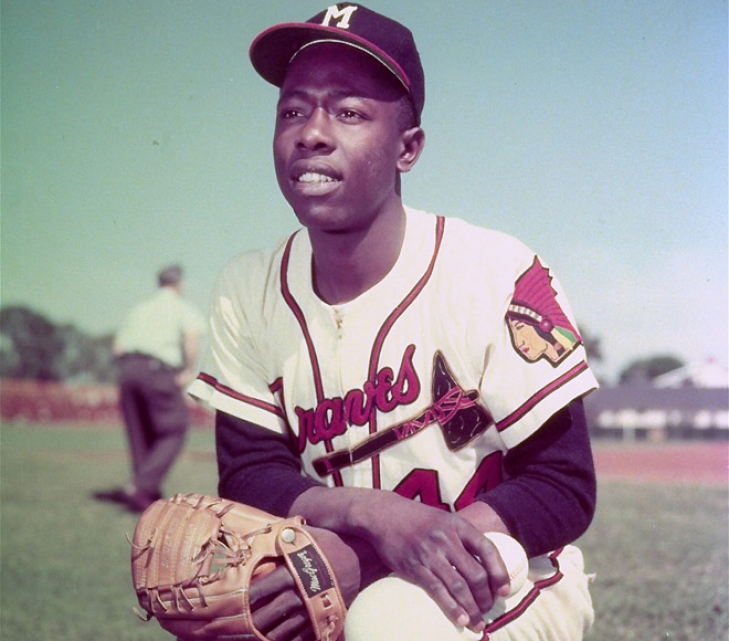
We need to bring this up as much as we can…
Regardless of the era Hank Aaron is one of the greatest baseball players that ever existed.
Period.
