

169. Harry Davis
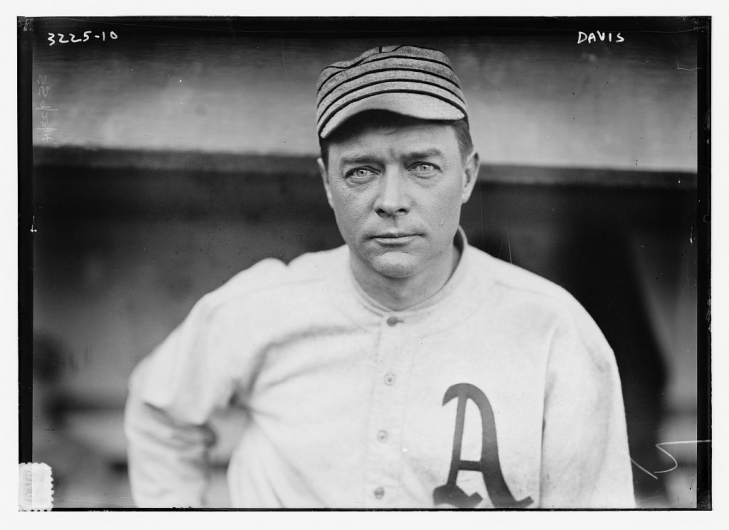
From 1895 to 1899, Harry Davis was either a budding journeyman or a future star. He played for four different teams in the National League and had a 28 Triple year in 1897 while batting .305. Davis was in the minors for all of 1900, and Connie Mack, the owner/manager of the Philadelphia Athletics, saw him as a building block for his brand new American League franchise, and he was one of their first signees.
15. Harry Davis
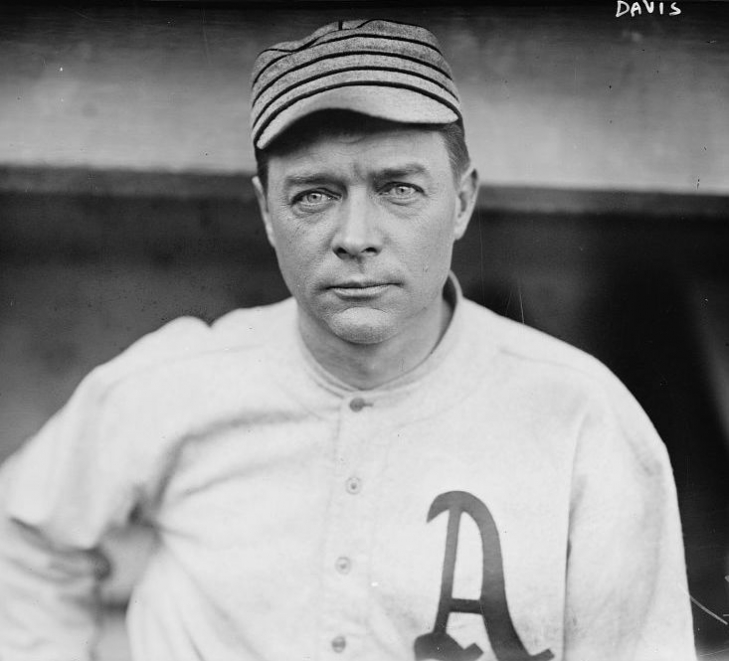
During the assembly of the original Philadelphia Athletics roster for the American League's inaugural season in 1901, Connie Mack looked to the minor leagues for a key addition. Harry Davis, aged 27 and seemingly prepared to retire after an inconsistent career across four National League clubs and a tenure with the Providence Grays, was identified as a promising talent. Mack recognized the potential in the right-handed infielder and persuaded Davis to relocate to Philadelphia. This decision catalyzed a revival, transforming Davis into one of the most formidable and enduring run producers of the dead-ball era.
Initially positioned at first base, Davis promptly emerged as the cornerstone of the early Athletics lineups. He adapted seamlessly to his new environment, achieving three consecutive summers with a batting average exceeding .300. While his patient approach did not always result in a high on-base percentage, settling at a modest .337 during his tenure, he compensated with exceptional line-drive power. He utilized his swing effectively to lead the American League in doubles on three occasions, consistently providing Philadelphia with a superior extra-base threat in the heart of the batting order.
That offensive value soared to a historic peak between 1904 and 1907. In an era characterized by deep fences and a soft, scuffed ball that made home runs extremely rare, Davis achieved an extraordinary feat by leading the American League in home runs for four consecutive seasons. His power was complemented by a precise efficiency with runners on base; he secured consecutive junior circuit RBI titles in 1905 and 1906, leading the offensive efforts for Mack’s early pennant contenders and establishing himself as the first authentic captain of the franchise.
As the decade progressed, his consistent presence within the clubhouse and leadership on the field served as a crucial bridge to the franchise's inaugural true dynasty. Although the younger and more athletic Stuffy McInnis would ultimately assume the daily responsibilities at first base, Davis continued to be an indispensable veteran. He made substantial contributions to the Athletics' consecutive World Series victories in 1910 and 1911, notably batting an impressive .353 in the 1910 Fall Classic against Chicago, thereby securing his first championship ring.
After managing Cleveland briefly in 1912, he returned as a coach and occasional defensive replacement. He played only 19 games from 1913 to 1917 but earned a third World Series ring with the 1913 team. He finished with 1,500 hits and 761 RBIs for Philadelphia, known as the foundational captain who helped modernize the Athletics.
