

121. Eddie Cicotte
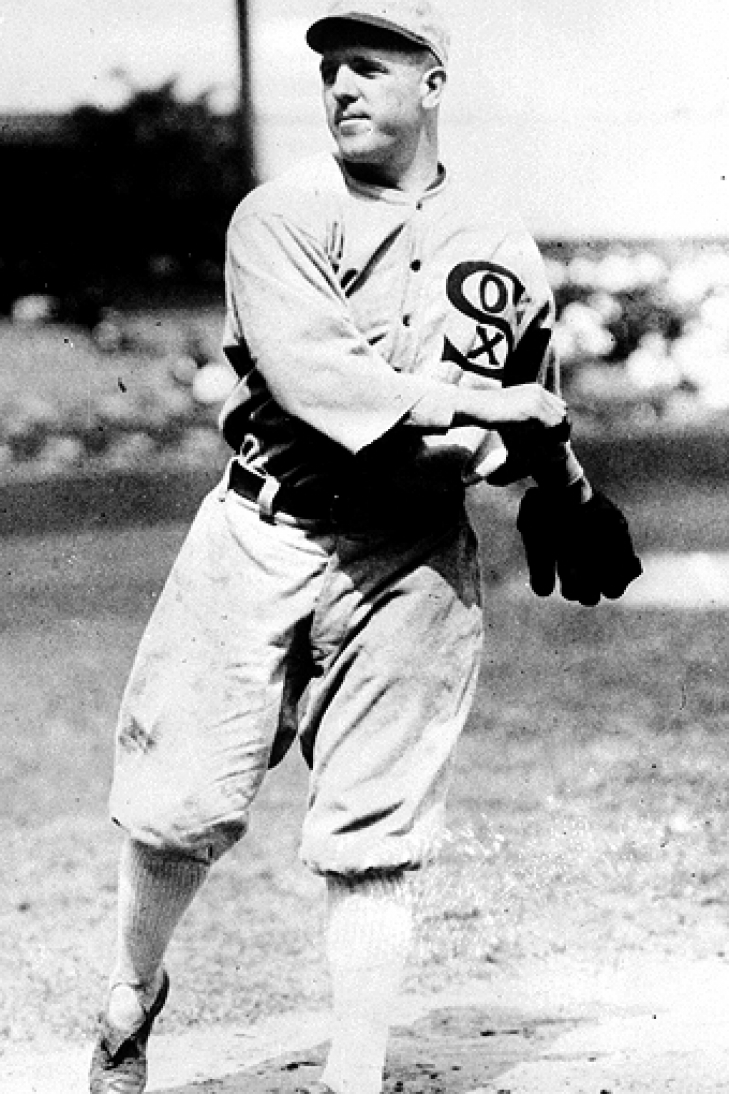
The Hall of Fame victim most often cited in the Black Sox Scandal is "Shoeless" Joe Jackson, but Pitcher Eddie Cicotte might also have cost a Cooperstown plaque.
After a brief stint with the Detroit Tigers in 1905, he went back to the minors, only to return three years later with the Boston Red Sox. Cicotte did better there, good enough to stay on the roster but far from a star. That changed when he was traded to the Chicago White Sox during the 1912 season.
With Chicago, he had his breakout season in 1913, when he went 18-11 with a 1.58 ERA, and a monster season in 1917, when he led the American League in Wins (28), ERA (1.53), and WHIP (0.912). Cicotte would help Chicago win the 1917 World Series, going 1-1 with a 1.57 ERA. 1919 was just as good as he again led the AL in Wins (29) and had a 1.82 ERA. Cicotte and the White Sox were heavily favored in the 1919 World Series against the Cincinnati Reds, but gamblers got into the palms of some White Sox players (allegedly), and Cicotte was one of them (allegedly). In that World Series, he went 1-2 and looked ineffective (or throwing the game) in his first two starts. Chicago would lose that series to the Reds.
After going 21-10 in 1920, the suspected White Sox players were brought to trial. Although the court would find the White Sox players innocent, Commissioner Kennesaw Mountain Landis banned the eight players from baseball after 1920, ending their careers at age 36.
10. Eddie Cicotte
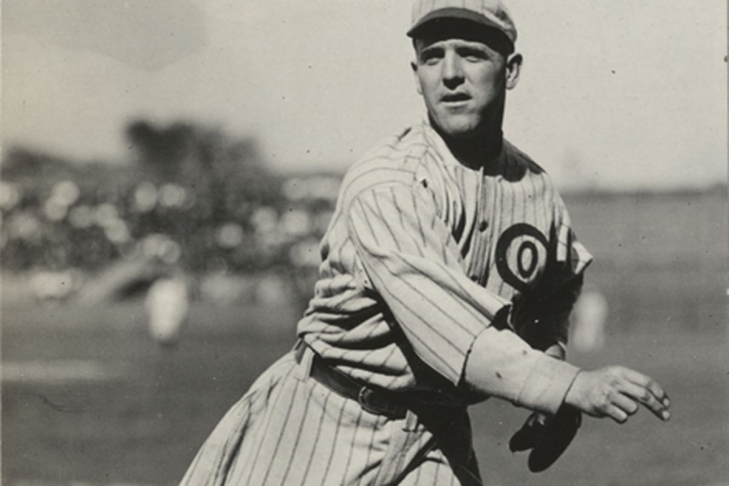
When Eddie Cicotte arrived in Chicago during the 1912 season, he was viewed as a talented but erratic castoff from the Boston Red Sox. Management in Boston had grown tired of his inconsistency, but the change of scenery provided the spark for one of the great pitching transformations of the Deadball Era. Cicotte became a true student of the craft, perfecting the knuckleball and later adding a "shine ball" and a spitball to a repertoire that kept hitters in a state of permanent confusion. By 1913, he was already emerging as a premier arm, posting a microscopic 1.58 ERA and proving that his Boston struggles were firmly in the rearview mirror.
The pinnacle of Cicotte’s journey arrived in 1917, when he reigned as the undisputed king of the American League. He spearheaded the White Sox’s march to a World Series title by leading the league in wins (28), ERA (1.53), and innings pitched (346.2). He was a metronome of efficiency, capping the year with a dominant performance in the Fall Classic against the Giants. At that moment, Cicotte was more than just a pitcher; he was the primary architect of a Chicago juggernaut that looked poised to dominate the decade.
However, the narrative took a dark, irreversible turn in 1919. Despite a spectacular regular season where he won 29 games and led the Sox back to the World Series, Cicotte became the first domino to fall in the Black Sox conspiracy. Driven by resentment toward owner Charles Comiskey's frugal salary practices, Cicotte famously took the mound in Game 1 and hit the leadoff batter, the signal to the gamblers that the fix was on. While he would actually pitch well in a Game 7 victory, his early-series performance and uncharacteristic fielding lapses in Game 4 helped seal the team's fate.
The final chapter was a brief, haunting coda. Cicotte returned in 1920 and pitched at an elite level, winning 21 games as if the scandal weren't looming over his head. But the reckoning arrived before the season could even conclude. Following his grand jury confession, Cicotte was banned for life from Major League Baseball, along with seven of his teammates. He left the South Side with 156 wins and a 2.25 ERA, statistics that would normally point toward Cooperstown but instead serve as a reminder of a legacy traded away. He arrived as a Red Sox castoff searching for a home and left as a ghost of the game, a master of deception who ultimately fooled no one but himself.
