

9. Bobby Grich
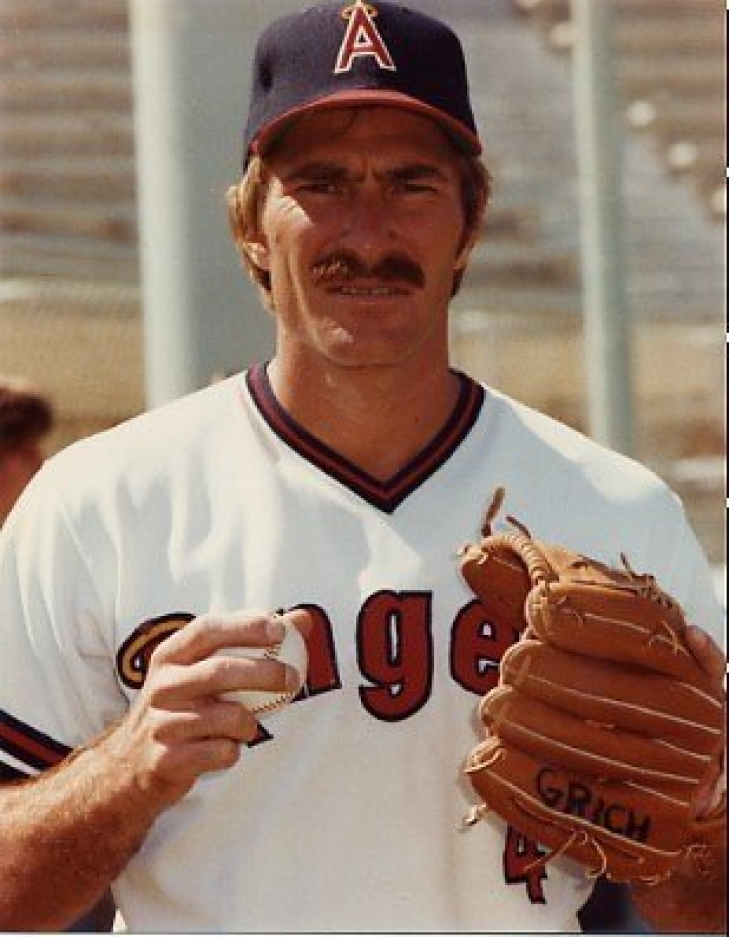
Bobby Grich redefined the expectations for a second baseman in Anaheim, joining the California Angels as a marquee free agent following the 1976 season. For ten years, he anchored the infield with a specialized blend of elite defensive range and a disciplined, high-impact approach at the plate. While he had already established himself as a premier American League force in Baltimore, Grich provided the Angels with a weapon that helped transform the expansion-era club into a perennial contender in the AL West.
Grich’s journey in a California uniform reached a historic peak during the 1979 and 1981 campaigns. After several seasons of steady production, he transitioned into a premier power threat, launching 30 home runs and driving in 101 runs to help lead the Angels to their first-ever division title in 1979. This performance signaled his transition from a defensive specialist to a foundational piece of the team’s core, earning him an eighth-place finish in the MVP voting. He showed the organization that a middle infielder could be a primary source of run production, a rarity in an era that prioritized small-ball at the position.
The bulk of his Anaheim years were characterized by elite efficiency and a reputation for statistical outliers. In the strike-shortened 1981 season, Grich reached a career peak for individual dominance, leading the American League in home runs, slugging percentage, and OPS+. He possessed a focused intensity that allowed him to thrive in high-leverage situations, earning his first Silver Slugger and his sixth career All-Star selection. Despite the physical toll of his aggressive style of play, he remained a model of offensive efficiency, recording 1,103 hits and 154 home runs in a California uniform. He provided the steady-state leadership and veteran-like poise that stabilized the roster through multiple postseason runs.
In 1988, he became the inaugural inductee into the Angels Hall of Fame.
19. Bobby Grich
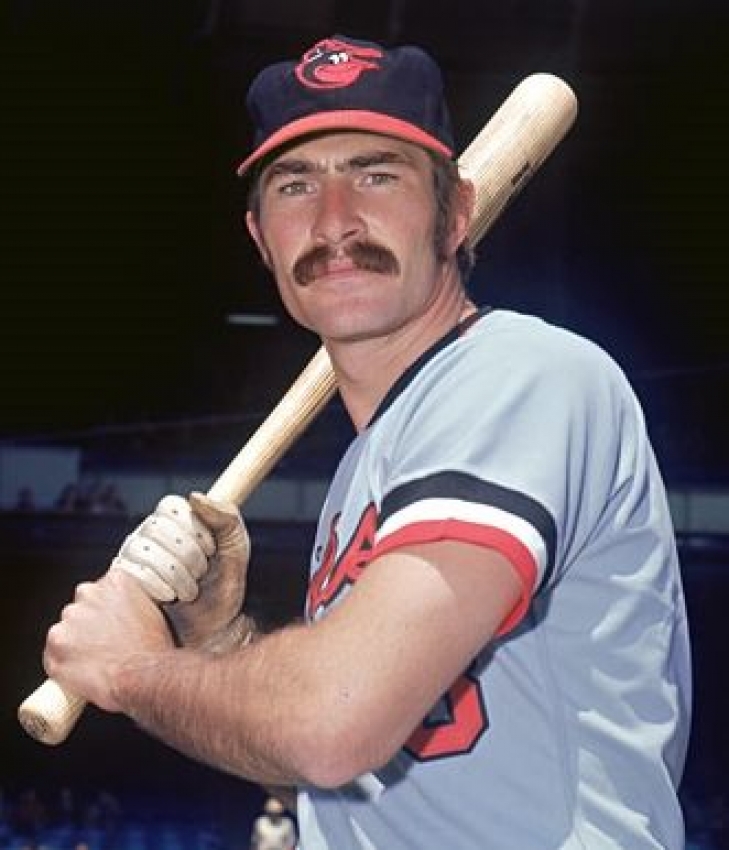
While Bobby Grich is often associated with the California Angels, he "cut his teeth" and reached his statistical zenith as a member of the Baltimore Orioles. A first-round pick in 1967, Grich was so talented that he forced the Orioles to trade away an incumbent All-Star (Davey Johnson) just to get his bat and glove into the lineup full-time by 1972. It was a move that paid immediate dividends, as Grich became the premier all-around second baseman in the American League.
Grich was a cornerstone of the Orioles' defensive "Iron Wall." Between 1973 and 1976, he captured four consecutive Gold Gloves, anchoring a middle infield alongside Mark Belanger that remains the gold standard for run prevention. His 1973 campaign was a masterpiece of "Era Dominance"; he set an all-time Major League record with a .995 fielding percentage and recorded a staggering 4.0 Defensive bWAR. That same year, Grich led the entire American League in total bWAR with an 8.3, proving that his "invisible" value was more impactful than the league's most famous sluggers.
Offensively, Grich was a pioneer of the "on-base revolution." While his .262 Baltimore average was modest for the era, his elite eye produced a .372 on-base percentage and five seasons of 13 or more home runs. He was a three-time All-Star in Charm City before departing for California as a free agent in 1976. Remarkably, though he played nearly 450 more games for the Angels, Grich’s peak value remained in Baltimore, where he accumulated more bWAR (36.0) in just seven seasons.
Inducted into the Baltimore Orioles Hall of Fame in 1998, Grich remains a favorite of historians and analysts alike—a player whose true greatness was revealed not by the back of a baseball card, but by the modern metrics that prove he was a giant of the diamond.
Awards = HOF? Part Twenty-Five: Gold Glove Second Base
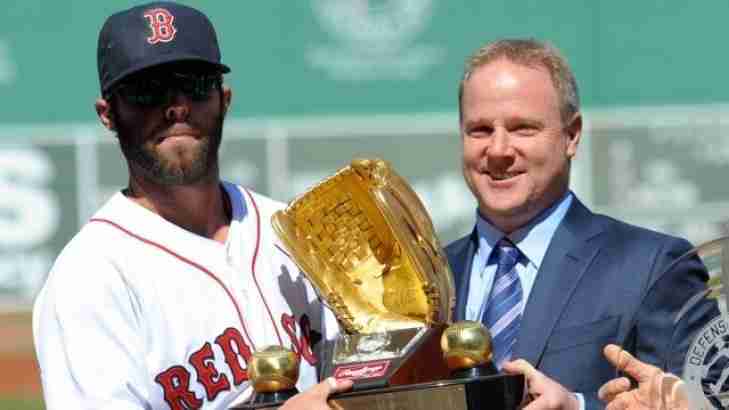
Needless to say, different awards in different sports yield hall of fame potential. In basketball, the team sport with the least amount of players on a roster, the dividend for greatness much higher. In baseball, it is not as much as a great individual season does not have the same impact.
We are now taking a look at the Gold Glove Award, given annually to the best defensive player in MLB in each respective position.
28. Bobby Grich
1,800 career hits and a lifetime .266 Batting Average sounds like a good career, but not necessarily a Hall of Fame one. A closer look at Bobby Grich's overall body of work indicates he is much closer than you might think.
Prior to Grich, the prototypical second baseman was a smaller athlete who was a wizard with the glove, and any offense you got from him was a bonus. There were occasional exceptions, but that was generally the rule for the position. Grich was oversized for a Second Baseman, but had exceptional range and won four Gold Gloves. Grich had decent power and co-led the league in homers during the strike-shortened season of 1981. Grich may not have been dazzling with his traditional batting numbers, but he was with his On Base Percentage, which was often well over a hundred points over his Batting average.
Bobby Grich had the misfortune of making the ALCS five times, but his teams could not get to the World Series. Grich may not have been any serious threat for a postseason award, but time is showing a new light on his contributions and his ushering in of a new wave of offensively capable second basemen. We are still not sure if he should be in the Hall, but we do believe he deserved better than being a “one and done” for the Baseball Writers in terms of his eligibility.
Should Bobby Grich be in the Hall of Fame?
Awards = HOF? Part Seven: The Silver Slugger (Second Base) (MLB)
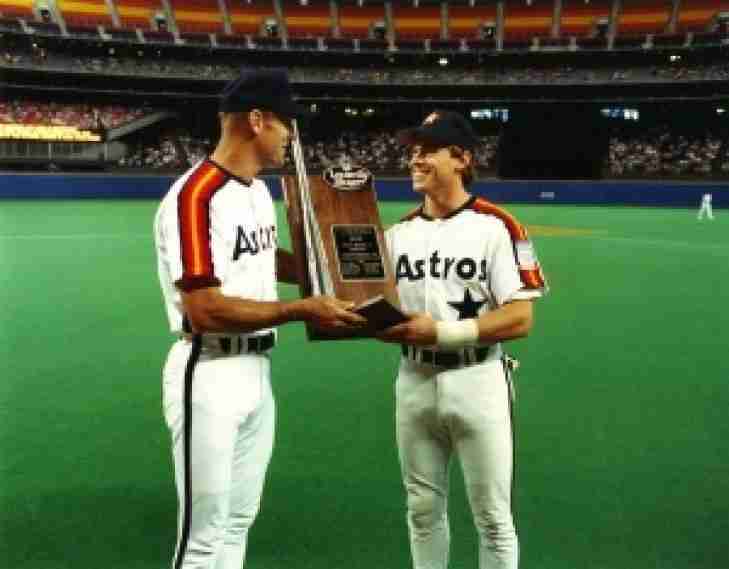
Needless to say, different awards in different sports yield hall of fame potential. In basketball, the team sport with the least amount of players on a roster, the dividend for greatness much higher. In baseball, it is not as much as a great individual season does not have the same impact.
