


Site Admin
44. Bucky Walters
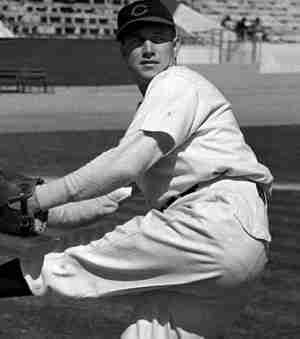
A converted third baseman, Bucky Walters took the mound later in his career, but once he did, he made up for the lost time. Walters would even win the MVP for his pitching prowess and was one of the rare hurlers who could often be used as a pinch-hitter.
Walters did not just win the MVP in 1939; he won the coveted pitcher’s Triple Crown in the process. He would win twenty games on two more occasions and, with a dazzling sinking fastball, was more than adept at fanning hitters. The prime of his career saw Walters as the Reds’ staff ace, winning games, eating innings, and leading Cincinnati to a World Series title in 1940.
Walter did not reach the 200-win mark, but he did start late and did not receive much run support during his seasons in Philadelphia. He had a very good career and is often brought up as a candidate for the Veterans Committee.
Should Bucky Walters be in the Hall of Fame?
25. Bill Freehan
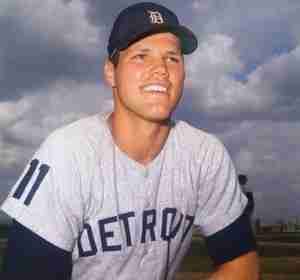
You would not think that an eleven-time All-Star would be forgotten among Hall of Fame consideration, but in the case of career-long Detroit Tiger, Bill Freehan that appears to be the reality.
Bill Freehan gained a lot of respect among Major League players. He may not have been a huge force with his bat (though he did have a few respectable seasons), but he was among the best in handling a pitching staff and the defensive roles of a professional catcher. It was primarily through these attributes that Freehan gained as much MVP support as he did, as he was a serious contender in two seasons. Freehan may not have won the MVP, but he did win the Gold Glove five times and was an All-Star eleven times.
Bill Freehan was never a regular in any top ten offensive categories, but few catchers were when he played. He did more than most at that position, and as such, a great overall ballplayer, it is curious that the respect he got in terms of postseason awards did not translate into a larger Hall of Fame vote.
Should Bill Freehan be in the Hall of Fame?
69. Orel Hershiser
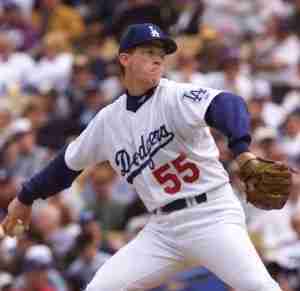
What a year 1988 was for Orel Hershiser. He didn’t just win the Cy Young that year, getting better to the point of being unstoppable as the season wound down. He broke Don Drysdale’s consecutive scoreless innings record to end the regular season, then went on to win three games in the postseason (including one save) and propelled the Dodgers to a World Series win, and won the World Series MVP in the process. What a year!
Hershiser did not duplicate that year (who could), but he suffered a severe shoulder injury that threatened his career. Hershiser did come back and was an effective pitcher, but he never again dominated or reached All-Star levels. Still, with a career of 200 wins and 2,000 strikeouts, he had a record that was envied by most.
The issue for the Hall is that Hershiser was considered the best Starting Pitcher in baseball for a two-and-a-half-year period and a solid number two or three man after his shoulder surgery. If Hershiser was a dominant ace for a longer period of time, his 1988 season would have helped make him a serious contender for the Hall.
Should Orel Hershiser be in the Hall of Fame?
46. Ron Guidry
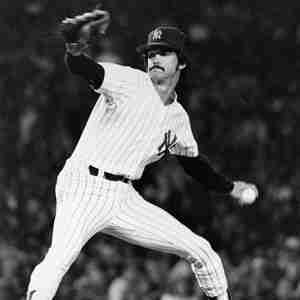
With a magical season, a pair of exceptional ones, and a few very good ones, Ron Guidry had an excellent career in Baseball all with the Yankees. Theoretically, “Louisiana Lightning” did everything you want to accomplish in a career as he won the Cy Young Award (and was in the hunt for a few others) and won the World Series, which he did twice. However, the knock on Guidry is that he was only a full-time player for nine seasons, and though he has one of the most impressive winning percentages in Baseball, his longevity is questioned in comparison to the immortals. Regarding the Hall of Fame, this generally doesn't matter!
