


Site Admin
Robert Lebel
Mar 03, 2013
Published in
1970 Hockey Inductees
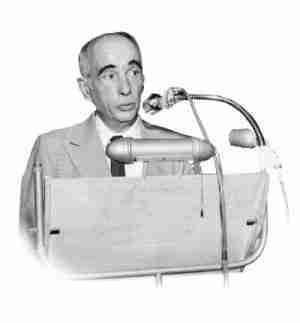
Another longtime administrator who dedicated his professional career to the sport of Hockey, Robert Lebel rose up the ranks to take over as the President of the Quebec Amateur Hockey League in 1955. Shortly thereafter he took over as the President of the Canadian Amateur Hockey Association and in 1960 was elected as the President of the International Ice Hockey Federation. Quite an impressive five year period, don’t you think? Overall, his lifelong work to growing Hockey in Canada and to a lesser extent internationally, paved his induction to the Hockey Hall of Fame.
Bill Gadsby
Feb 24, 2013
Published in
1970 Hockey Inductees
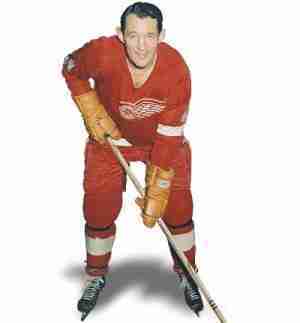
An excellent two way Defenceman, Bill Gadsby did not have the best of fortune with the teams he played on, as even in the Original Six era, he only played 67 playoff games. Most of those playoff games were on good Red Wings teams from the 60’s, when he was still a good player, but not at his prime like he was the decade before.
Babe Dye
Feb 24, 2013
Published in
1970 Hockey Inductees
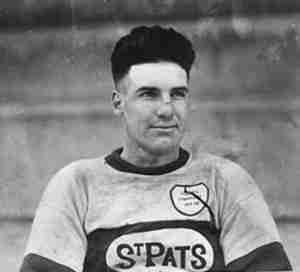
Good enough to have become a professional Baseball player (Connie Mack of the Philadelphia Athletics offered him $25,000 to sign with his team), Babe Dye elected to remain with his true love of Hockey and fans of the sport were rewarded with the spectacular sound of his blistering slap shot.
Sid Abel
Feb 24, 2013
Published in
1969 Hockey Inductees
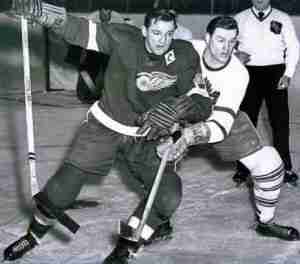
Dubbed “Bootnose” from an unfortunate incident on the losing end of a Rocket Richard punch, Sid Abel should be remembered for more than a colorful nickname from a head butt to a fist. Abel was the Centre of the Detroit Red Wings “Production Line” with Ted Lindsay and Gordie Howe and was a part of three Stanley Cup wins for Motown. His best season was the 1948-49 campaign where Abel captured the Hart Trophy and led the NHL in Goals. After his playing career was done, he became a successful coach, also for Detroit which was the position he held when he was elected to the Hockey Hall of Fame in 1969. Abel would also have his number 12 retired by the Red Wings.
