


Site Admin
272. Maya Gabeira

271. Olia Burtaev

47. John Wetteland
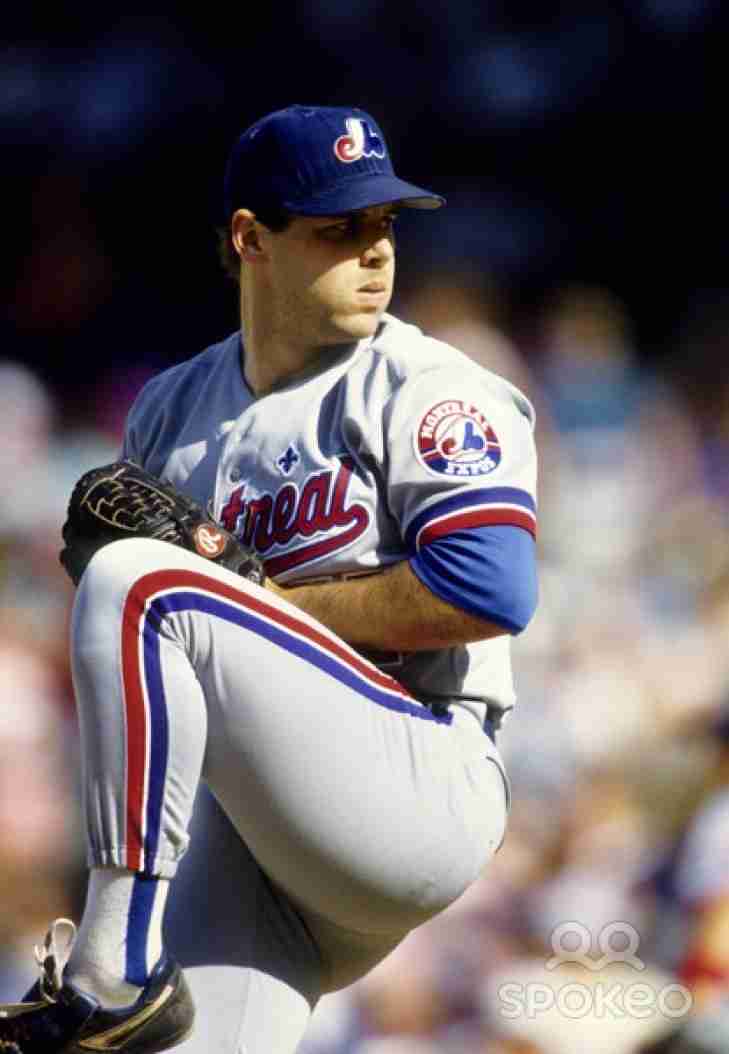
Great closers are characterized by their unwavering confidence when pitching, but John Wetteland brought an additional element of physical intimidation to the ninth inning. After joining the Montreal Expos from the Cincinnati Reds in December 1991, this broad-shouldered right-hander showcased a blazing fastball in the high-90s and a fierce competitive spirit. During a focused three-year period in French Canada, Wetteland evolved from a talented yet inconsistent young pitcher into one of the most dominant and feared closers in Major League Baseball, setting the benchmark for late-inning mastery.
His debut at the Stade Olympique bullpen in 1992 immediately highlighted his elite power pitching. Taking on the vacant closer role, Wetteland overwhelmed National League batters, earning 37 saves and striking out 99 batters in only 83.1 innings. His knack for consistently missing bats in crucial moments provided Montreal with a psychological advantage, making any late-inning lead nearly unassailable.
The following summer, he further honed his skills, delivering a standout performance during the 1993 season. With an impressive 1.37 ERA and a 1.012 WHIP, Wetteland used his power pitching to achieve a career-best 43 saves. He struck out 113 batters in 85.1 innings, with over 44% of his recorded outs coming from strikeouts.
In the 1994 season, he was a highly effective reliever, recording 25 saves for the Expos, who had the best record in baseball before the strike ended the season early. However, the financial consequences of the strike led Montreal to trade him to the New York Yankees in April 1995 to reduce payroll. Wetteland gained national fame with the Yankees, earning the 1996 World Series MVP and making three All-Star appearances with both the Yankees and Texas Rangers. Nonetheless, the core skills that defined his elite closing career were firmly established while he played in Canada.
Wetteland pitched in 189 relief Games, with a 17–13 record, 2.32 ERA, and 1.09 WHIP. Over 232.1 innings, he secured 105 saves, struck out 280 batters, and posted a 167 ERA+.
44. Ken Hill
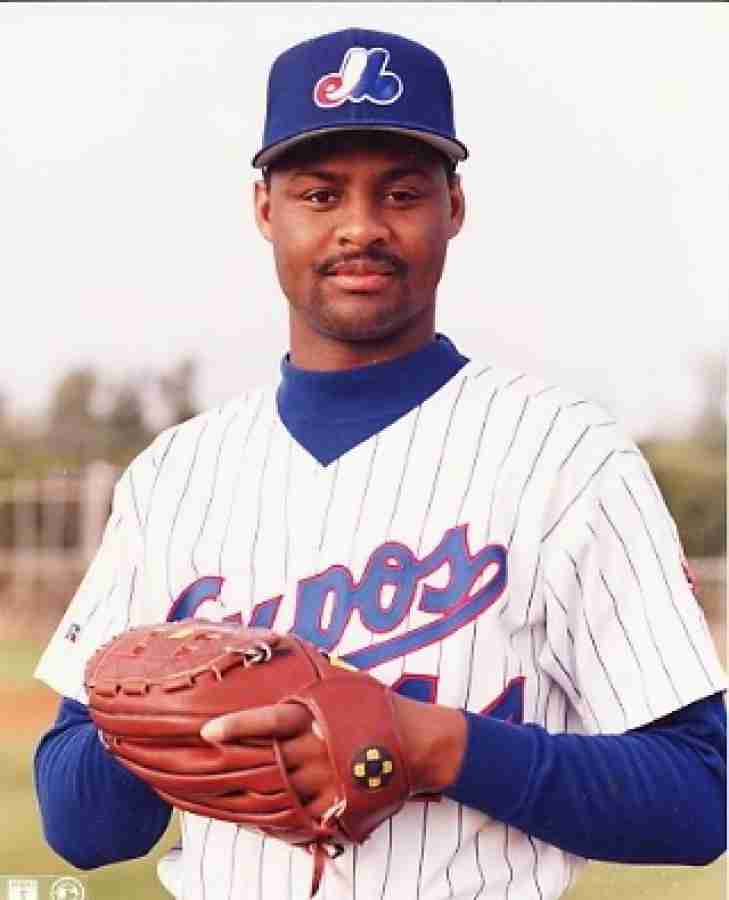
To understand the sheer dominance of the Montreal Expos in the early 1990s, one need only look at the trade that brought Ken Hill to Quebec. In November 1991, the Expos sent budding star Andrés Galarraga to St. Louis in exchange for Hill. While losing "The Big Cat" was a tough pill for local fans to swallow, Hill immediately sweetened the deal by transforming into the unquestioned, high-velocity ace of a pitching staff that would soon capture the imagination of the baseball world.
His arrival in Montreal in 1992 represented an exemplary demonstration of leadership in frontline rotation. Equipped with a powerful, sinking fastball and an assertive approach, Hill effectively dominated National League hitters during his debut season, recording a 16–9 win-loss record, an impressive 2.68 ERA, and pitching 218 innings. He provided the Expos with a genuine top-of-the-rotation pitcher capable of outperforming any ace in the Senior Circuit, thereby immediately substantiating Montreal's claim for NL East dominance.
Despite some challenges with run support in his 1993 campaign, Hill delivered his greatest career achievement during the notable 1994 season. Playing with relentless intensity and high-leverage pitching, he led the league with a 16–5 record and maintained a 3.32 ERA across 154.2 innings. He topped the National League in wins, earned his first All-Star selection, and finished second to Greg Maddux for the NL Cy Young Award. His consistent mound presence was key to Montreal's impressive 74–40 record before a strike interrupted their pursuit of a world championship.
Sadly, the financial fallout of that strike meant the small-market Expos had to let Hill go, trading him back to the St. Louis Cardinals in April 1995 just as the season resumed. Hill would later be traded to Cleveland that summer, helping guide them to the 1995 World Series, and enjoyed a highly successful 14-year major league odyssey.
Hill appeared in 91 games (all starts), with a 41–21 record, 3.04 ERA, 1.20 WHIP over 581.1 innings. He had eight complete games, four shutouts, 377 strikeouts, and a 127 ERA+.
