


Site Admin
13. Joe Judge
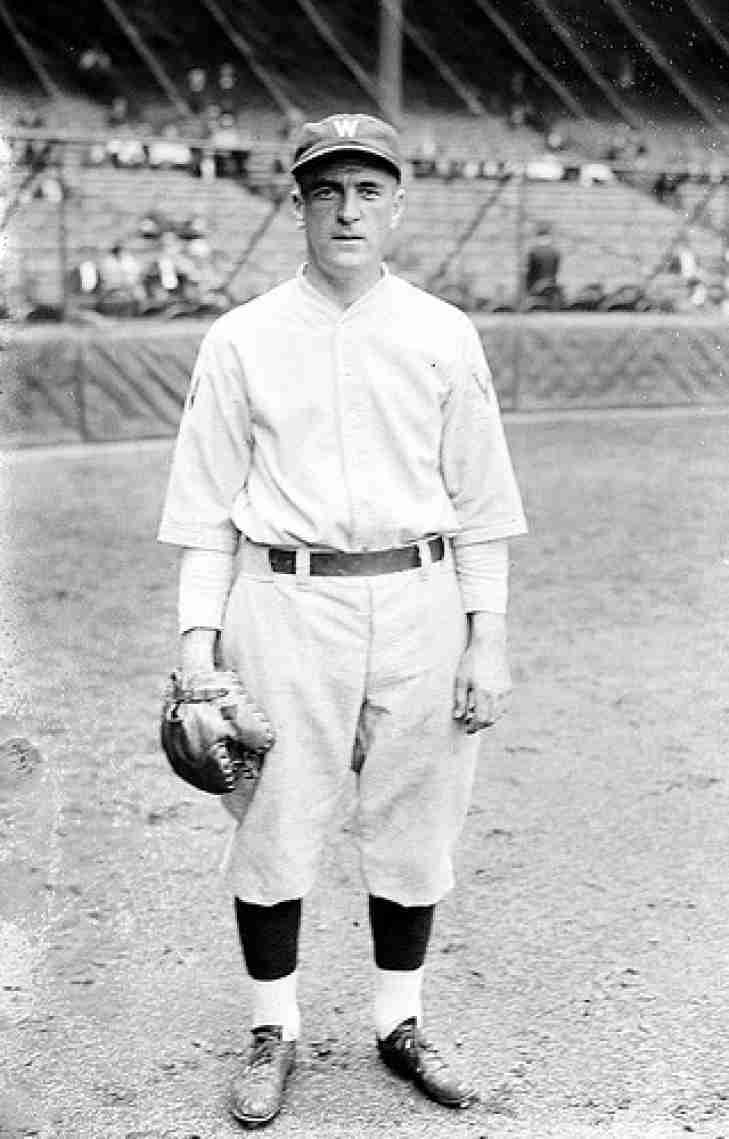
Joe Judge made his debut in Washington in 1915. A 21-year-old left-handed player from Brooklyn, he spent 18 seasons redefining the first baseman role. During a time when the position was often filled by bulky power hitters, he brought a unique mix of speed, precise batting, and defensive skill. Over more than 2,000 games with the Senators, he became a key player, delivering the "freakish consistency" that supported the team's most prosperous decade.
While Judge achieved a historic level of efficiency with nine seasons batting over .300, he was perhaps best known for his defensive skills. Standing only 5'8", he demonstrated mastery at first base, setting American League records for putouts, assists, and double plays that endured for decades. His defensive excellence peaked with five league-leading fielding percentage titles, creating a model of consistency during the "Deadball" era and the transition to the live-ball period.
Judge achieved the height of individual and team success in the 1924 World Series. Although he was a key player during the regular season, batting .324 and helping Washington narrowly beat the Yankees for the pennant, it was in the Fall Classic that his legacy was cemented. He reached a historic level of postseason performance, batting an impressive .385 against the New York Giants and scoring the winning run in the 12th inning of the final Game 7. He proved to be a giant of the series, collecting ten hits and demonstrating the "fighting spirit" that secured the Senators their only world championship.
He played for the team until he was released in 1932. Judge compiled 2,291 hits, 71 home runs, and a .297 batting average with the Senators.
15. Chuck Knoblauch
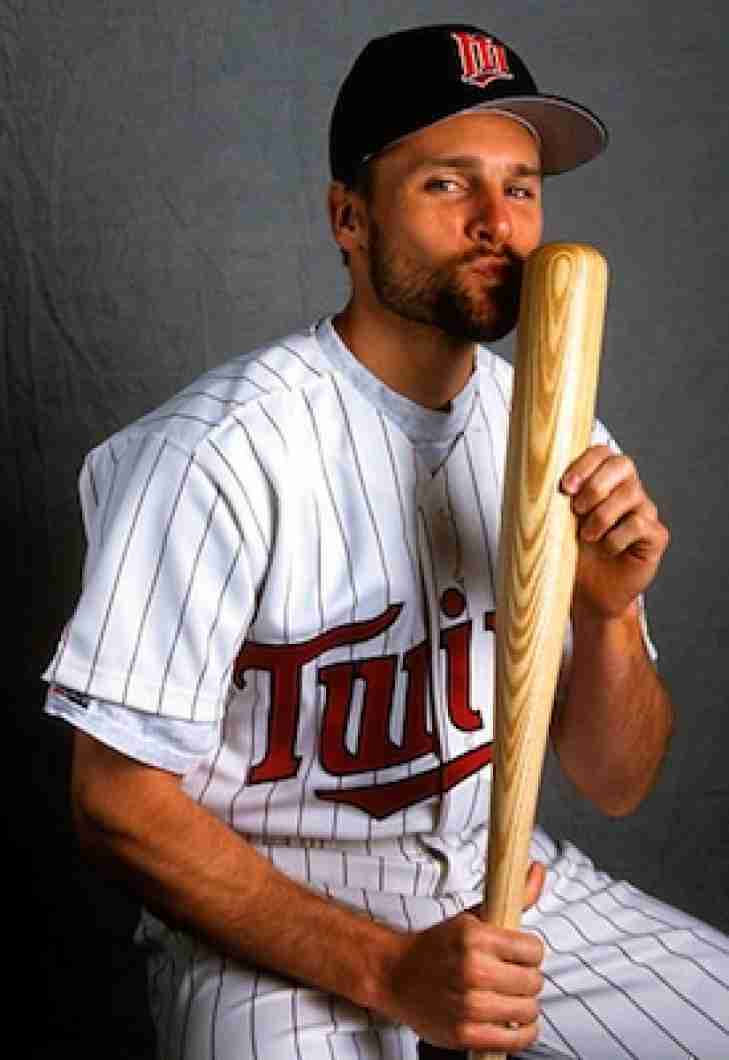
A first-round pick from Texas A&M, Chuck Knoblauch came to Minnesota in 1991, a first-round selection from Texas A&M, who stepped into the Metrodome and immediately acted as the catalyst for the most famous season in franchise history. While his later career in New York would become a case study in the "yips" and defensive decline, his residency in the Twin Cities was a masterpiece of specialized leadoff hitting and gritty, gold-glove caliber defense.
In 1991, Knoblauch achieved a peak rookie season, earning the American League Rookie of the Year Award. He was crucial to the Twins' dramatic turnaround from last place to champions, notably tagging out Lonnie Smith in Game 7 of the World Series on a controversial double-play pivot that prevented the Braves from scoring. During the postseason, he demonstrated excellent strike zone control, hitting .308 in the Fall Classic and securing a world championship in his first professional summer.
Knoblauch peaked between 1994 and 1997, with three seasons batting over .310, including a .341 average in 1996, along with career-high doubles (35) and runs scored (140). He set the Twins' record with 62 stolen bases in 1997 and was a four-time All-Star with a Gold Glove, key to the Twins’ lineup for his speed and discipline.
After expressing frustration with the team's losing record and seeking a change of scenery, the organization finalized a massive trade that sent him to the New York Yankees in exchange for a package of five players, including future All-Star shortstop Cristian Guzmán and starter Eric Milton. While he departed with 1,197 hits and a .304 batting average, his legacy reached a somber final punctuation in 2014. Despite being elected to the Twins Hall of Fame, the organization reached the difficult decision to finalize the cancellation of his induction following a series of domestic violence issues.
14. Brad Radke
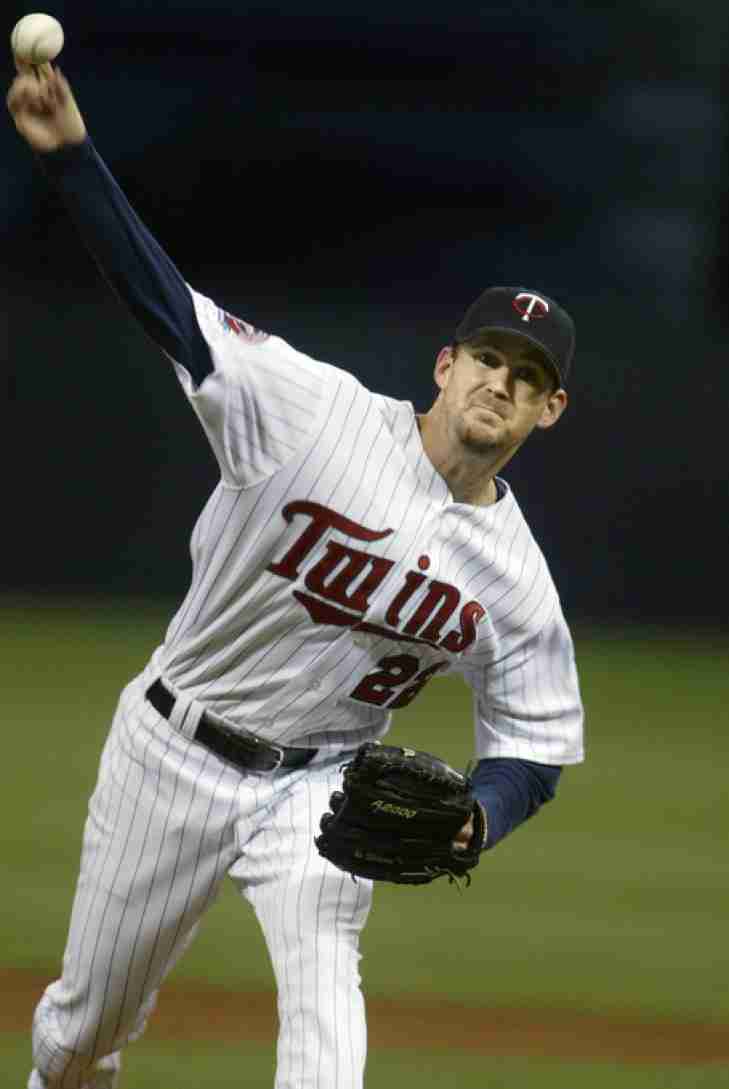
Brad Radke arrived in Minnesota in 1995, a mid-round pick from Tampa who spent 12 years as a model of the "Twin Cities" workhorse. In an era of high-velocity bullpens and rising strikeouts, he relied on pinpoint control, seeming like a throwback. In 378 games, all in a Twins uniform, he was a mainstay, providing stability from the late 90s lean years to the early 2000s division win.
In 1997, Radke achieved a career peak with 20 wins, a 3.87 ERA, and 12 consecutive starts, a rare feat. He finished third in Cy Young voting behind Clemens and Johnson, then was an All-Star in 1998, cementing his role as the staff's ace.
He was an efficiency giant, leading the American League in BB/9 (1.0) in 2001 and ranking in the top five eight more times. His specialized approach sometimes led to home runs, but his game management was shown by his frequent spots in the bWAR leaderboards, finishing in the top ten six times. He became a franchise icon by signing multiple extensions to stay in Minnesota, opting for loyalty over larger markets.
In 2006, despite battling a torn labrum and a separated shoulder, Radke achieved a historic milestone of "fighting spirit" by pitching through intense pain to help the Twins win a division title. His postseason performance marked his career's end, as he made one final start against Oakland before retiring in December.
Radke compiled a 148-139 record, a 4.22 ERA, and 1,467 strikeouts. In 2009, he was inducted into the Twins Hall of Fame.
11. Goose Goslin
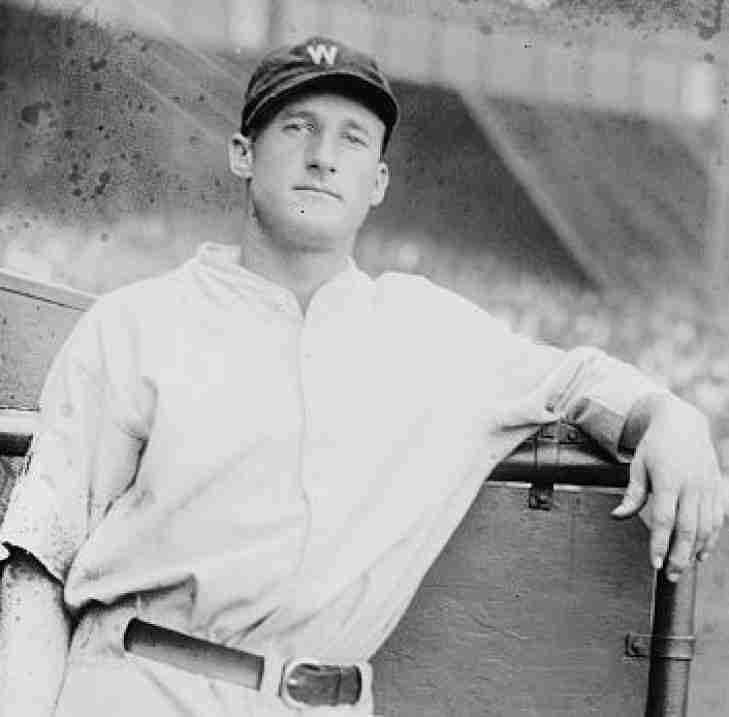
In 1921, Leon Allen "Goose" Goslin began his baseball career as a Washington Senator, a left-handed powerhouse whose stay in the nation's capital transformed the Senators from perennial also-rans into world champions.
By 1923, Goslin had become a well-respected figure in professional baseball, leading the American League in triples with 18. His career reached a new high in 1924, when he led the league with 129 RBIs and a batting average of .344. That incredible season helped the Senators win their first and only World Series title in D.C. During that Fall Classic, Goslin showed remarkable efficiency, batting .344 with three home runs and setting a then-record six consecutive hits over three games. His performance truly highlighted his special value when the pressure was at its peak.
Between 1924 and 1928, he consistently ranked in the top ten of MVP voting three times. In 1928, he created his masterpiece by winning the American League Batting Title with a career-high .379 average, narrowly surpassing Heinie Manush on the final day of the season. He demonstrated exceptional control of the strike zone during this peak, achieving five seasons with a batting average over .300 and serving as a key defensive player in left field. Despite his charming "Goose" nickname in the field, he was a true iron man of his era, amassing 201 hits in consecutive seasons (1925–1926).
In 1930, the organization traded him to the St. Louis Browns. He returned for a final season in 1933, helping the Senators win their third and last American League pennant in D.C., but his main career remains tied to his decade in Washington. Goslin compiled 1,939 hits, 127 home runs, and a .323 batting average as a Senator, and he joined the Baseball Hall of Fame in 1968.
