


Site Admin
20. Joe Cronin
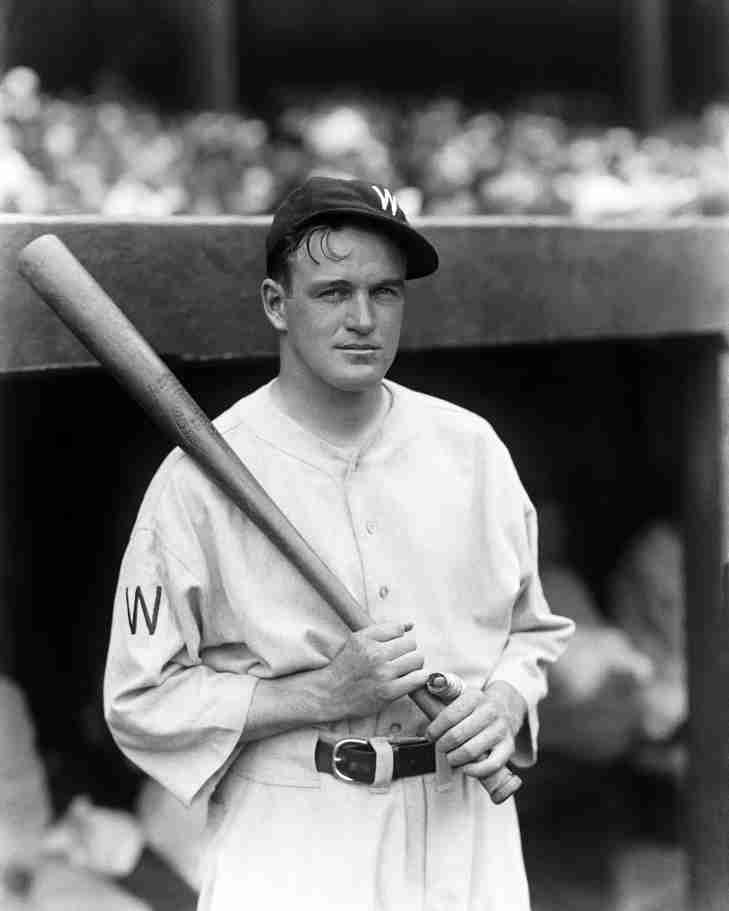
Joe Cronin did not play much for the Pittsburgh Pirates, but he was a star in waiting. So much so, the Senators paid the Pirates $7,500 to acquire his services before the 1928 season.
After becoming a regular in 1929, Cronin achieved his peak performance in 1930, hitting .346 with 126 RBIs and earning the Sporting News MVP Award. He owned the field, establishing himself as a key professional for the Senators by reaching 100 RBIs in five straight seasons. Known for his exceptional defensive skills, he led the American League in Defensive WAR three times (1930, 1931, 1933) and frequently topped the league in putouts and assists. His most notable recognition came in 1933 when he served as both player and manager, guiding the team to an AL Pennant and finishing as the MVP runner-up.
The Senators traded their star player-manager to the Boston Red Sox for $250,000 and shortstop Lyn Lary. While gaining fame in Massachusetts, he finished his Washington career with 1,090 hits and a .304 batting average. Entering the 2026 season, he's remembered as a Baseball Hall of Famer (Class of 1956) and a top shortstop of the D.C. era.
In Washington, Cronin compiled 1,090 hits, 51 home runs, and a .304 batting average
12. Buddy Myer
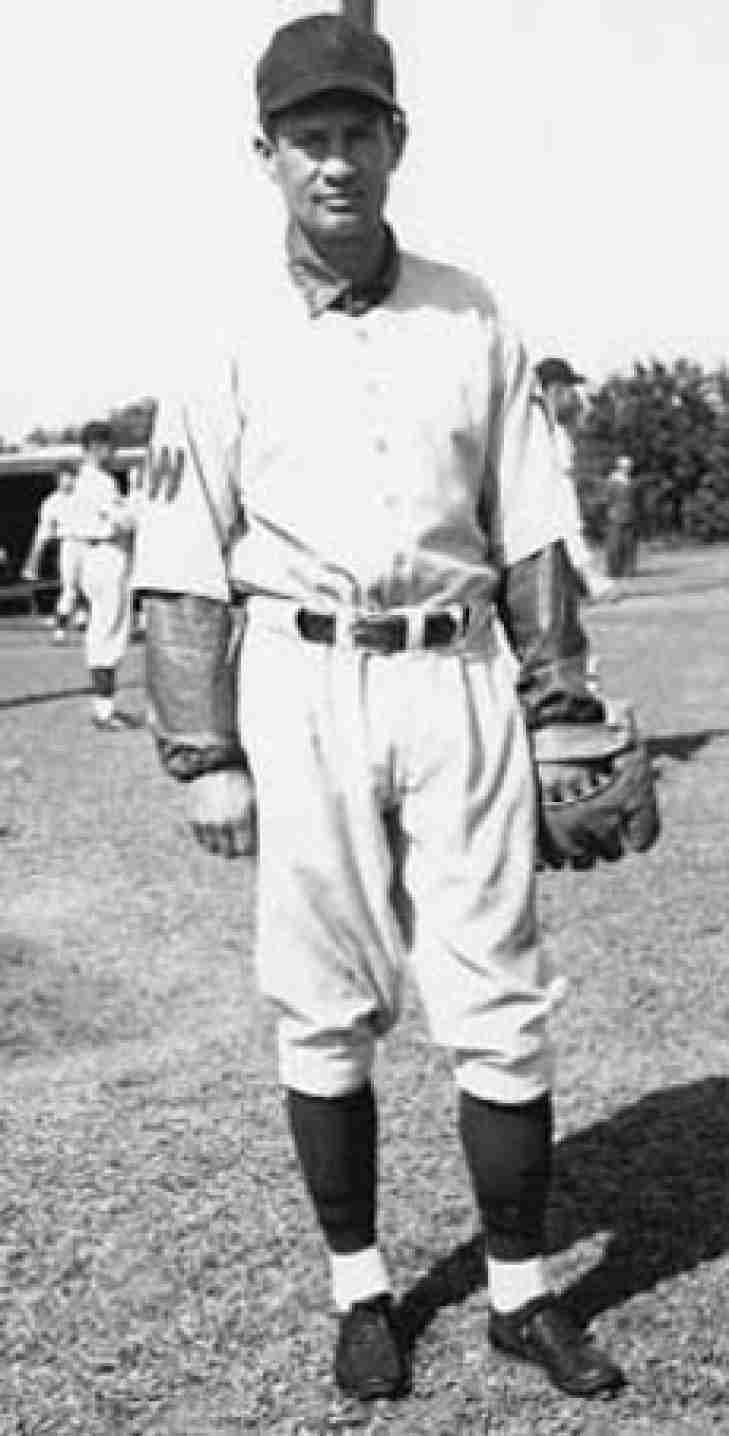
Save for a couple of productive seasons with the Boston Red Sox early in his career, Buddy Myer was a career member of the Washington Senators, the team he began and ended his career with.
The slick-fielding Myer was traded to the Boston Red Sox, and in his brief stay in Massachusetts, his stock rose so much so that the Senators traded five players to get him back before the 1929 season. Myer became more consistent, moving from shortstop to second base and dominating the middle infield. He controlled the strike zone, with a career-high 102 walks in 1934, showing that his ability to reach base was key for the Senators' offense.
Any story about Myer has to include his historic display of resilience during the 1933 season. Myer was at the center of one of baseball's most violent brawls after being spiked and subjected to antisemitic taunts by Ben Chapman of the Yankees. Despite the targeted abuse and the fact that he was raised Baptist, though he never felt it necessary to publicly correct assumptions about his heritage, Myer remained focused on the field. He helped lead the Senators to the 1933 American League Pennant, delivering a steady performance in the World Series in their loss to the New York Giants.
In the 1935 season, he produced a remarkable performance that remains one of the greatest hitting displays in team history. On the final day, he went 4-for-5, finishing with a .349 average and winning the American League Batting Title by a narrow margin over Joe Vosmik. That year, he placed fourth in MVP voting, with 215 hits, 100 RBIs, and led the league in double plays turned by a second baseman. This outstanding season earned him his first of two All-Star selections, solidifying his reputation as a top player in the Junior Circuit.
Myer played until 1941, leaving behind 1,828 hits, 735 RBIs, and a .303 batting average.
16. Jim Kaat
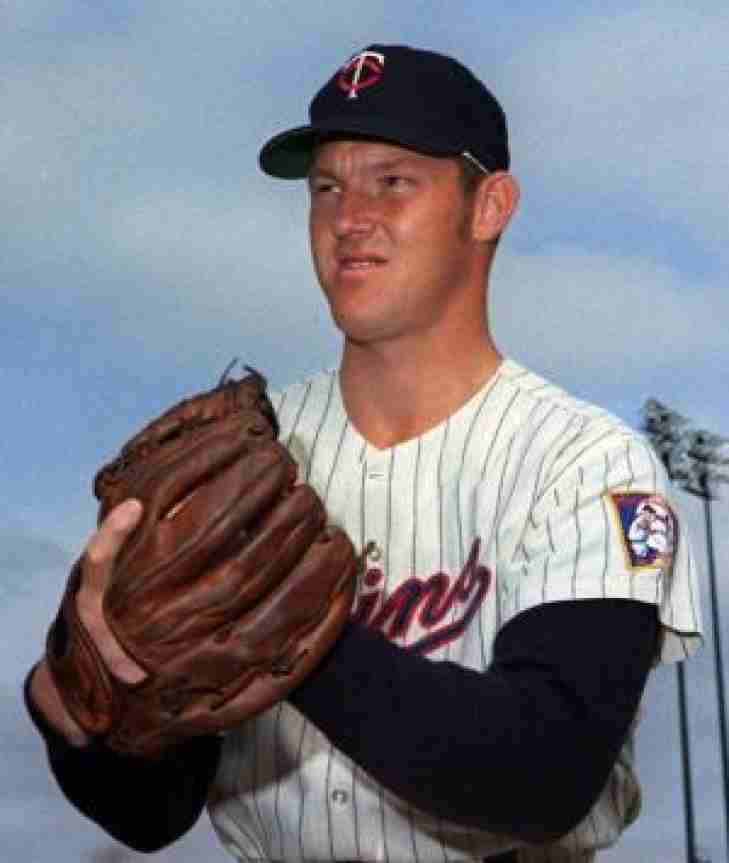
In 1959, Jim Kaat, a 20-year-old left-hander standing 6’4", arrived in the nation's capital with an efficient pitching style that would characterize his career. He was among the original group that moved the team from the Senators to the Minnesota Twins in 1961, serving as the link between the franchise’s Washington, D.C., origins and its future in the Upper Midwest.
Kaat reached the pinnacle of leatherwork, earning 12 consecutive Gold Glove Awards with the Twins, a run that eventually extended to 16. He demonstrated complete command of the mound, moving with athletic grace, making him a key asset for a pitching staff focused on ground-ball efficiency. While his glove made him a legend, his arm reached historic heights in the 1965 World Series, where he started three games against the Dodgers and outdueled Sandy Koufax in a complete-game masterpiece in Game 2.
In 1966, Kaat led the league with 25 wins, 19 complete games, and 304.2 innings. He attained control, leading BB/9 (1.6) and SO/BB (3.73), and was a top Pitcher, finishing fifth in MVP voting. This cemented his status as the mid-60s’ premier southpaw.
In August 1973, after 15 years of regional success, the organization concluded that the 34-year-old veteran was nearing the end of his effective career. Assuming his arm was no longer reliable, the Twins placed him on waivers, and he was quickly claimed by the Chicago White Sox. Against expectations, Kaat achieved a new peak in Chicago with consecutive 20-win seasons, ultimately extending his career across four decades.
Kaat compiled a 190-159 record, a 3.34 ERA, and 1,851 strikeouts for the Twins. Cooperstown finally called his name in 2022, and the Twins retired his number 36.
17. Firpo Marberry
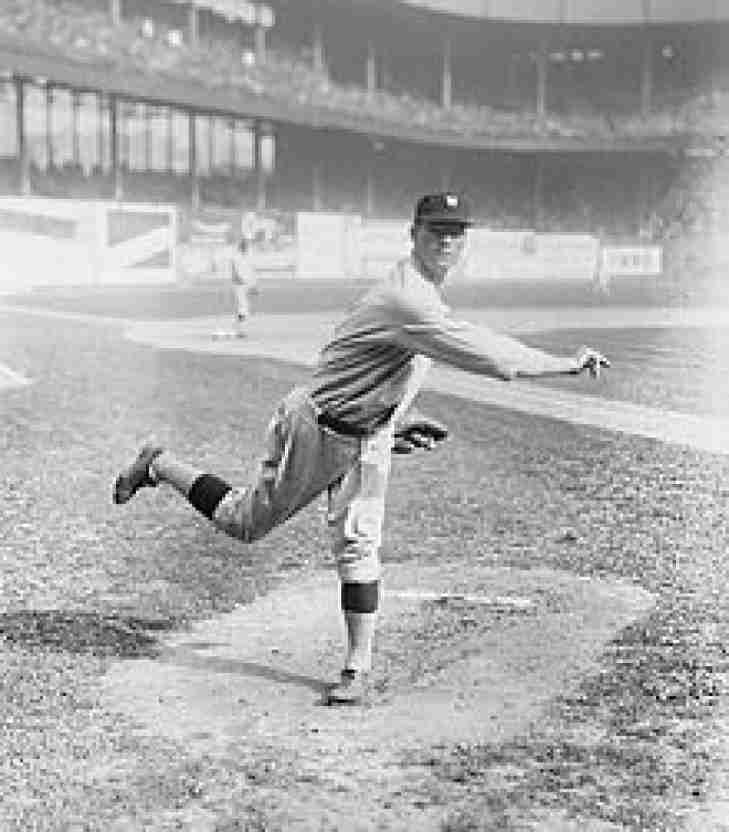
Debuting for the Senators in 1923, a big right-hander from Texas who would become the era’s most revolutionary pitcher. At a time when removing a starter was seen as failure, Marberry's specialized versatility redefined the bullpen’s role. Over ten seasons in Washington, he was the first true "closer" in spirit, offering high-leverage durability that helped the Senators win their only World Series.
In 1924, Marberry achieved a remarkable level of statistical impact that was well ahead of its time. He recorded 15 saves—a retroactive major league record, alongside 14 starts. He led in appearances (50) and games finished (31), becoming the key asset rookie manager Bucky Harris relied on for late-inning relief. His place in Senators history was cemented during the 1924 World Series, where he pitched in four games, earned two saves, and delivered a crucial performance in Game 7 that secured the championship for D.C.
Between 1926 and 1932, he reached a new peak in 1926, breaking his own record with 22 saves and a 3.00 ERA, his lowest. He showed a knack for switching roles, especially in 1929 when he had 19 wins and led the league with 11 saves. During this peak, he led the AL in pitching appearances six times and saves five times, finishing with 94 franchise saves, a record that remained a benchmark for relievers for decades. He played for Washington until he was traded to Detroit after the 1932 season.
Notably (though not recognized at the time), Firpo Marberry would lead the American League in WHIP and led the AL in Saves six times with 94 in total for the team.
