


Site Admin
I'm Sorry
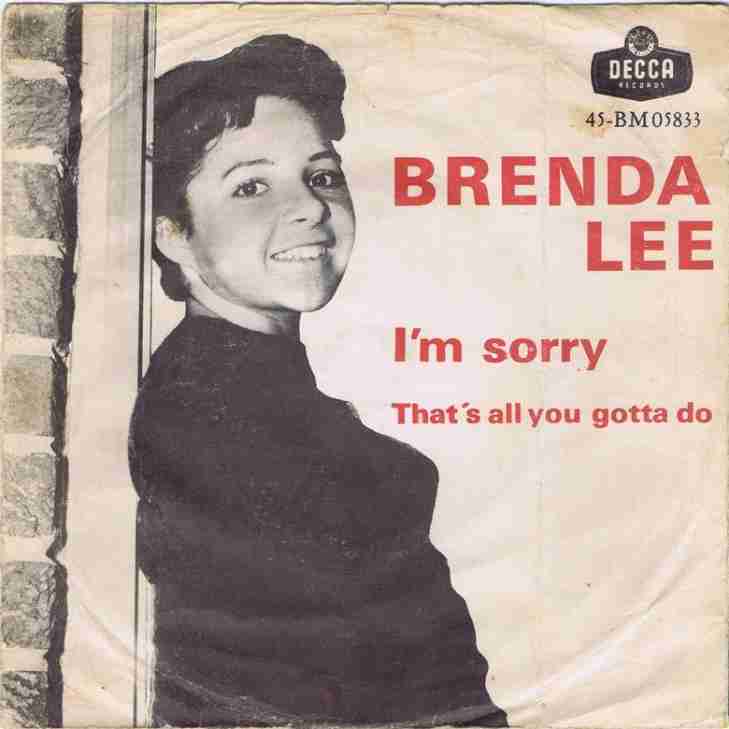
Brenda Lee
I’m Sorry
25. Frank Viola
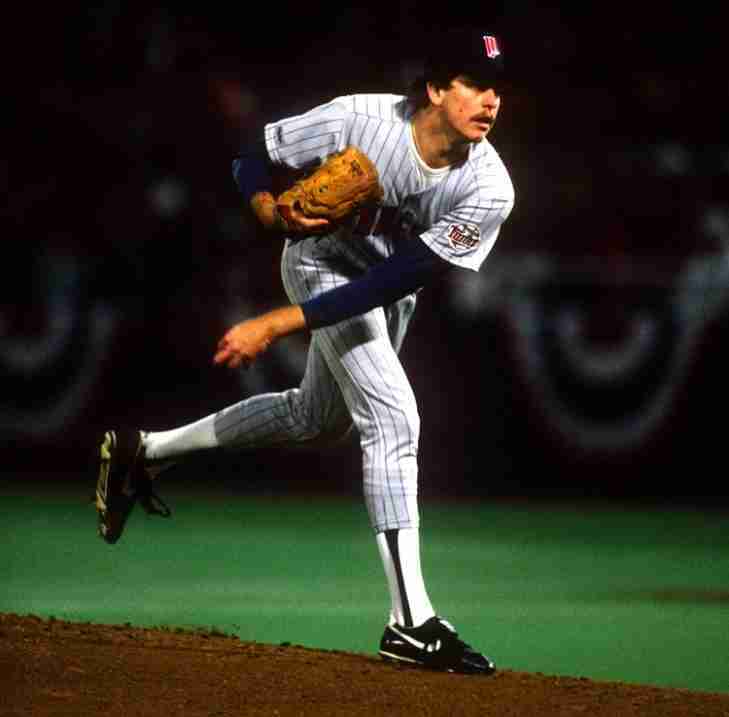
Frank Viola emerged as a left-handed powerhouse for Minnesota in the early 1980s, eventually becoming the rotation's definitive ace. While he earned the nickname "Sweet Music" for his specialized changeup and poise, he served as the high-voltage engine that powered the franchise's first championship run.
Viola achieved a historic streak of four 16-win seasons, reaching his peak in 1987 when he helped the Twins secure the division and then was named World Series MVP, cementing his postseason legend and bringing Minnesota its first title. During the 1987 World Series, Viola led with three key starts against the St. Louis Cardinals. In Game 1, he allowed one run over eight innings for a win. After a setback in Game 4, he pitched eight innings in Game 7, allowing two runs. His poise earned him the MVP trophy.
While the Twins did not make an appearance in October baseball in ’88, that year was Viola’s finest, winning the Cy Young Award with a 24-7 record. With the Twins struggling during the 1989 season, Viola was traded midway through to the New York Mets.
He would win 112 Games as a Twin and was inducted into the Twins Hall of Fame in 2005.
28. Dutch Leonard
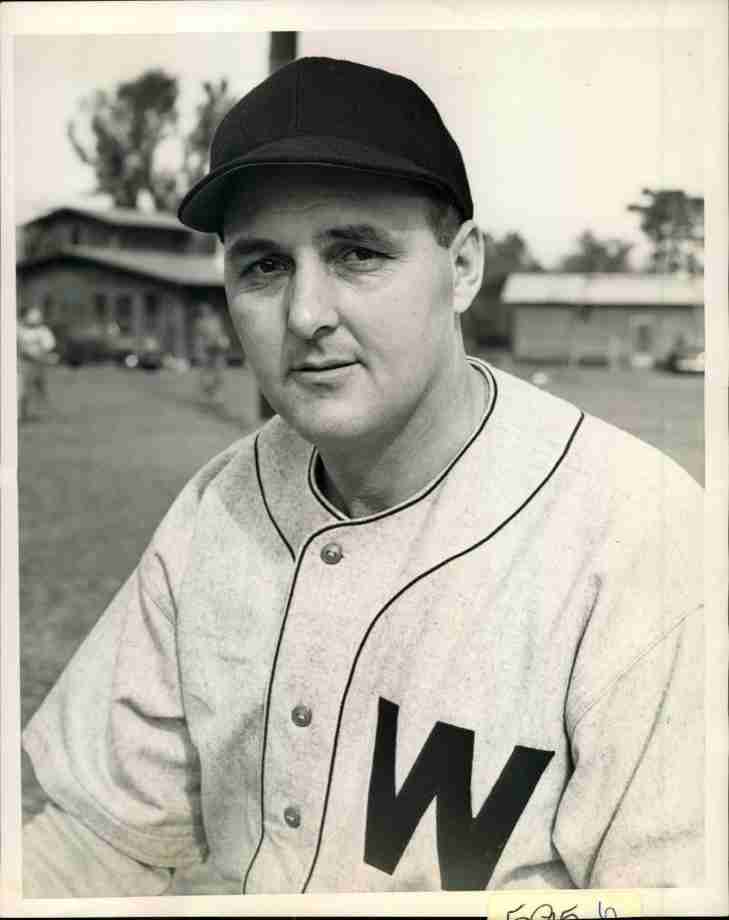
After four nondescript years in Brooklyn, Dutch Leonard arrived in the nation’s capital in 1938, bringing a fluttery, unpredictable knuckleball that haunted the nightmares of the league’s greatest hitters. While many who threw the "knuckler" struggled with its erratic nature, Leonard mastered the pitch with a surgical precision that defied the laws of physics.
Leonard’s tenure was marked by exceptional mastery of the strike zone, uncommon for a knuckleballer. He exemplified efficient pitching, leading the American League in BB/9 twice (1939, 1945). His peak was in 1944 when he led in WHIP (1.114). His restraint was best shown in 1945, when he led the AL in Strikeout-to-Walk ratio (2.41), impressive for a pitcher who rarely struck out many but refused to give free passes.
Leonard earned a reputation as a big-game craftsman, with three All-Star selections (1940, 1941, 1943) during his Washington career. Jackie Robinson praised his knuckleball as one of the most difficult pitches to handle, highlighting Leonard's ability to generate movement while pinpointing location. He was a key part of the 1945 staff that fell just one game short of a pennant.
Dutch Leonard’s tenure in Washington ended abruptly after the 1946 season. Despite being a key rotation player, a contract and role dispute led to his trade to the Phillies for infielder Merrill May in December 1946.
With the Senators, Leonard had a record of 118-101 with a 3.27 ERA.
24. Jim Perry
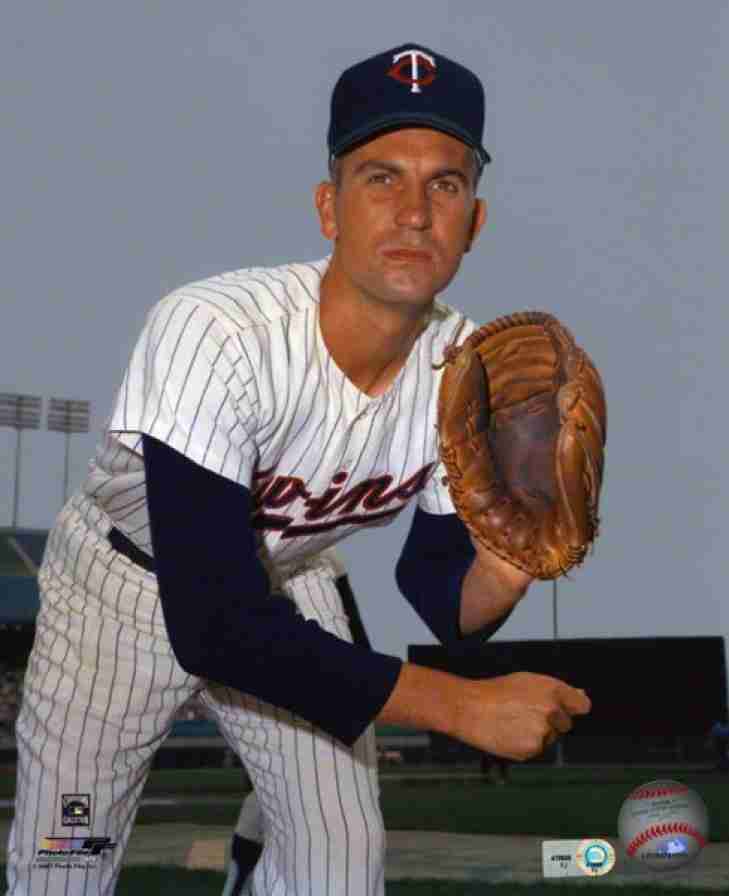
Jim Perry joined the organization in 1963, a right-handed control artist who spent a decade anchoring the Minnesota rotation with fellow stalwarts. While he started in Cleveland, he peaked statistically in the Twin Cities, where he was known for durability and pinpoint accuracy.
From 1963 through 1968, Perry served as a versatile and professional mainstay on the staff, often alternating between the rotation and the bullpen. He provided essential depth for the 1965 American League Championship team, recording 12 wins and demonstrating a specialized ability to eat innings whenever called upon. His role expanded as the decade progressed, and by 1969 he reached a historic plateau as a full-time starter, recording 20 wins and helping lead the Twins to the inaugural American League West title.
As good as his 1969, his 1970 season was even better. That year, he went 24-12 with a 3.04 ERA. He showcased total command of the strike zone that summer, earning his second All-Star selection and reaching the absolute peak of individual recognition as the American League Cy Young Award winner.
Perry had two more seasons with the Twins before he was traded to Detroit before the 1973 season. Minnesota selected Perry for their Hall of Fame in 2011.
