


Site Admin
43. Dave Goltz
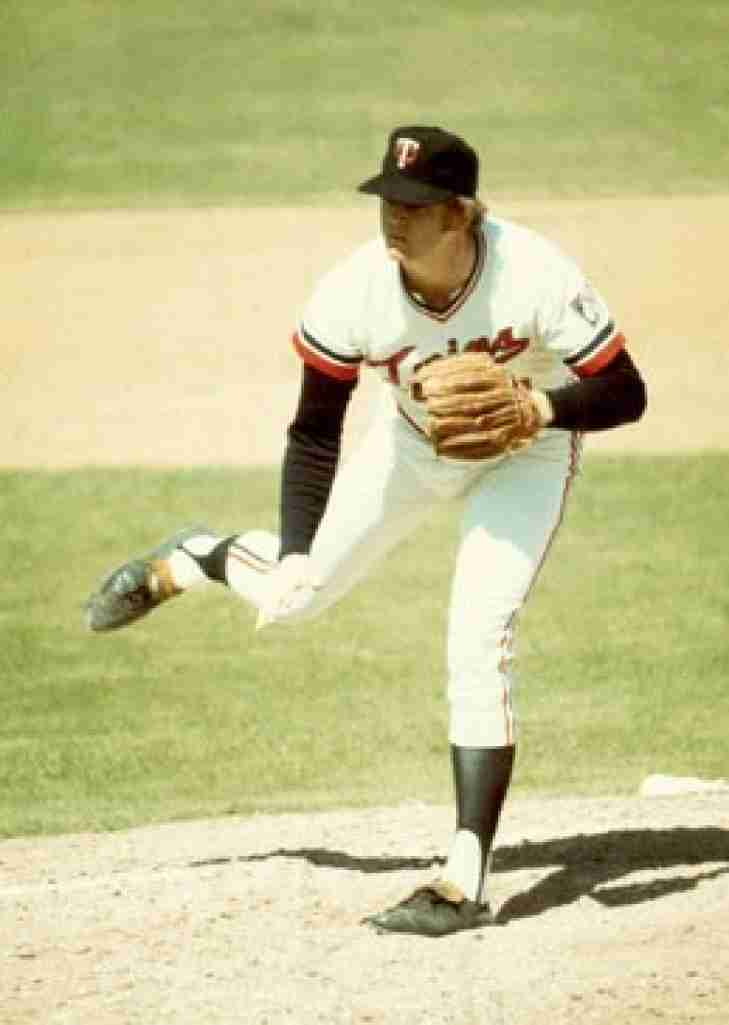
Dave Goltz first joined the Minnesota rotation in 1972, a steady and durable right-hander from Pelican Rapids, Minnesota, who achieved the rare dream of pitching for his hometown team.
His defining Minnesota moment was 1977, when Goltz debuted as a durable starter, going 39 games with a 20-11 record and 3.36 ERA. His leadership earned sixth in AL Cy Young voting. Goltz was more than a one-year wonder; his value came from consistently giving the Twins a strong chance to win. He ranked in the top five in bWAR for pitchers in 1977 and 1978, using a sinker and command to handle tough lineups. He had four straight seasons with at least 14 wins, finishing with 96 victories before testing free agency.
Goltz became a free agent after the 1979 season and elected to join the Los Angeles Dodgers. Overall, he had a Twins record of 96-79 with an ERA of 3.48.
38. Heinie Manush
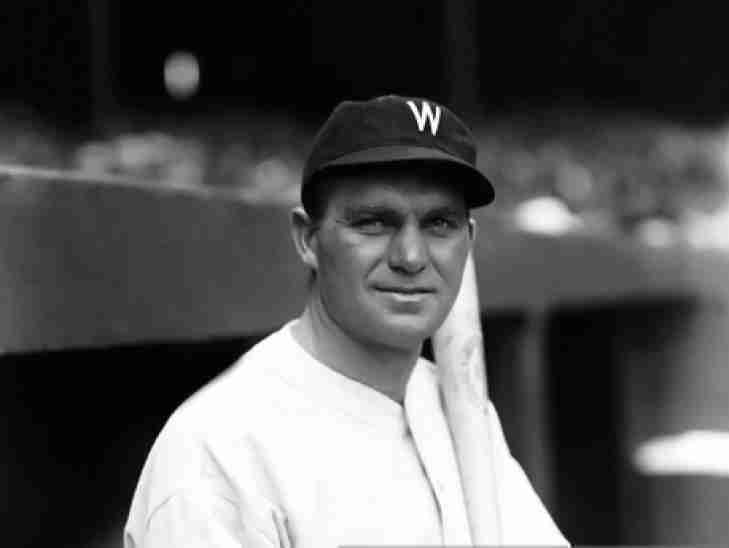
Heinie Manush joined the organization in June 1930 via a rare, high-leverage trade that saw the Senators send future Hall of Famer Goose Goslin to the St. Louis Browns in exchange for Manush and pitcher Alvin "General" Crowder. He arrived in the capital already recognized as one of the game's elite contact hitters, and he promptly occupied the peak of his fame as the offensive engine for the club.
Manush was a powerhouse player during the 1932 and 1933 seasons. He placed third in MVP voting for two consecutive years and consistently exploited gaps at Griffith Stadium, notably achieving a 33-game hitting streak in 1933. That year, he hit a historic peak by leading the American League in hits with 221 and triples with 17, delivering an outstanding season that helped Washington secure its last American League Pennant.
Although he never won a batting title while in the capital as he had in Detroit in 1026, Manush achieved a level of consistency that confirmed his status as an elite hitter. He finished in the top five of the batting race three times as a Senator, notably in 1933 when his .336 average was only behind Jimmie Foxx. He was a key part of the lineup facing the Giants in the 1933 World Series, but he became notorious in Game 4 when he was ejected for jokingly—and then forcefully—pulling on an umpire's bowtie.
His stay in D.C. ended in January 1936, when the Senators traded their star outfielder to the Red Sox in exchange for Roy Johnson and Carl Reynolds. His legacy was finalized in 1964 when he reached a new plateau of recognition as an inductee into the Baseball Hall of Fame.
Manush had 1,061 Hits with Washington with a .328 Batting Average.
33. Buddy Lewis
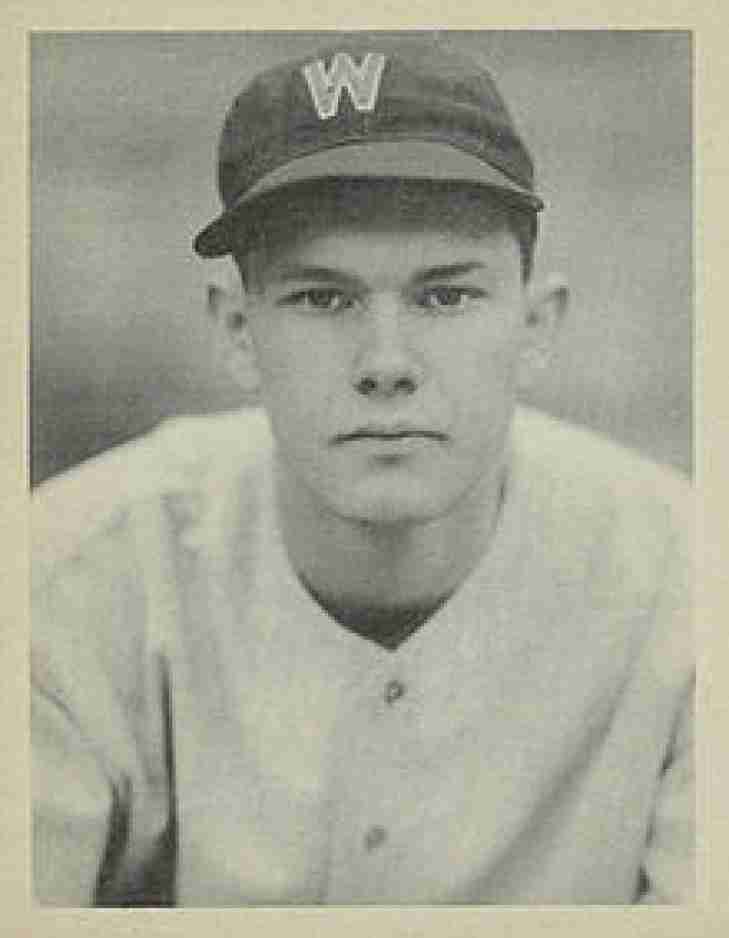
Buddy Lewis first took to the Griffith Stadium field in 1935 as a nineteen-year-old phenom, quickly cementing his reputation as a hitting powerhouse for the Senators. A versatile athlete, he played both the hot corner and the outfield, serving as the main driving force of Washington's offense in the late 1930s.
Lewis achieved six consecutive seasons with at least 160 hits at the start of his career, a remarkable streak that placed him second only to Ty Cobb for total hits by a player of that age. He was a consistent performer, participating in two All-Star Games (1938 and 1947), and consistently contributed at the top of the lineup, batting over .300 in four of his first six full seasons.
Similar to many athletes, Lewis experienced a three-year hiatus during what should have been his peak physical condition. As with numerous contemporaries, he discovered that this period away adversely affected his timing and agility. Upon his return to the Senators in 1945, he continued to contribute; however, he was no longer the statistical anomaly that had previously challenged Cobb's early-career records.
After a poor 1949 season, Lewis retired from baseball, leaving behind 1,563 hits with a .297 batting average.
35. Joe Nathan
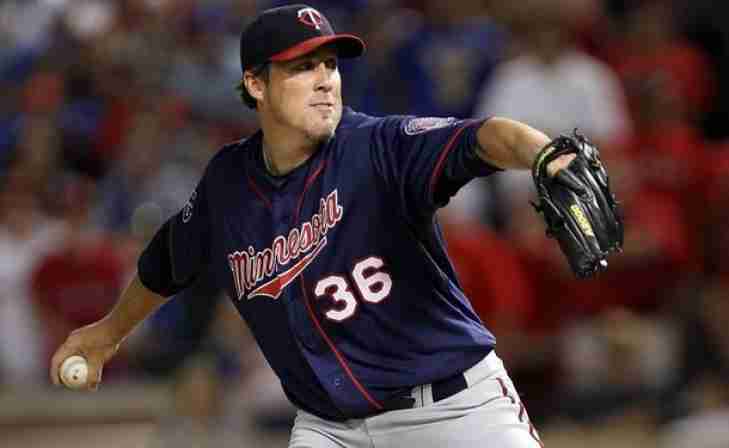
Joe Nathan came to Minnesota in 2004 through a franchise-changing trade with San Francisco, evolving from a dependable setup man into the franchise’s most dominant closer. Although he demonstrated potential in the National League, he truly maximized his abilities in the Twin Cities, where his fastball that topped the radar and sharp slider often sealed Minnesota's wins.
Nathan quickly demonstrated his capabilities during his inaugural season as a Twin in 2004, achieving 44 saves and securing a fourth-place position in the Cy Young Award voting. This accomplishment was not merely a one-time achievement; he subsequently maintained a consistent performance over six successive seasons, each with at least 35 saves. Such a sustained level of excellence established him as a mainstay in the bullpen of the Twins. Throughout this period of peak performance, he attained the highest level of individual recognition by being selected for the All-Star team four times (2004, 2005, 2008, 2009) and finishing fifth in the Cy Young Award voting in 2006.
He showed total command of the strike zone, with a 0.956 WHIP while with Minnesota. His baserunner prevention made him a key high-leverage pitcher, helping the Twins win multiple division titles. He left the team as a free agent for Texas, leaving behind 260 saves and a 2.16 ERA.
Nathan was inducted into the Twins Hall of Fame in 2019.
