


Site Admin
47. Jose Rosado
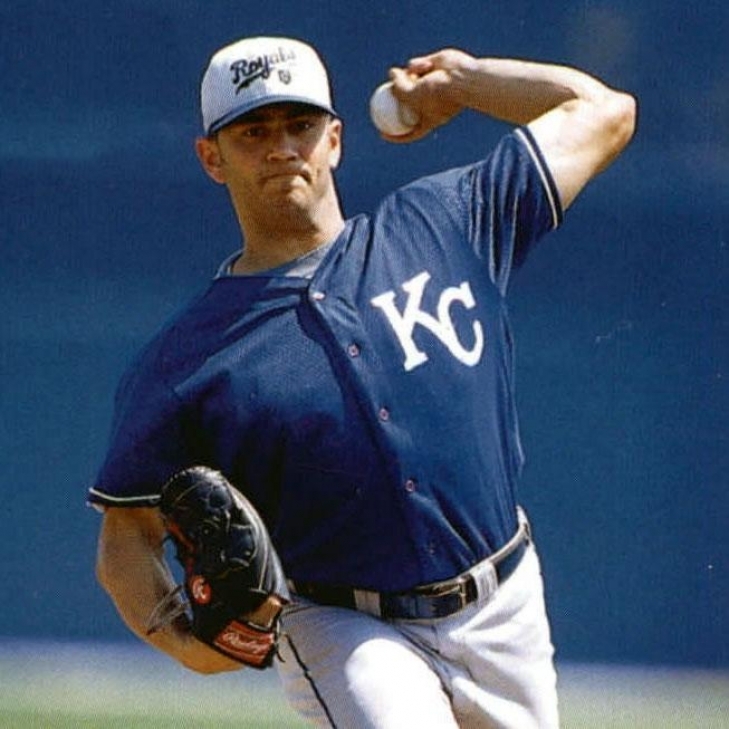
Jose Rosado arrived in the Kansas City organization as a 12th-round selection in 1994, a left-hander whose deceptive delivery and poised mound presence propelled him through the system at a breakneck pace. He debuted in 1996 and immediately looked like the specialized ace the franchise had been searching for since the departure of Kevin Appier.
Right out of the gate, when he was called up in 1996, Rosado proved he belonged in the Majors. He only made 16 starts that summer, but posted a 3.21 ERA and a 1.114 WHIP and finished fourth in the American League Rookie of the Year voting. This success served as the lead-in to 1997, where he earned his first All-Star selection and proved his durability by tossing over 200 innings and recording 12 victories.
In 1999, he reached another peak of individual recognition, earning his second All-Star nod and famously picking up the win for the American League in the Midsummer Classic. He had a personal best of 141 strikeouts, but he was unable to build on his momentum.
Shoulder injuries compounded in 2000, and he was forced to retire at 25, leaving one of the biggest “what ifs?” in organizational history. Rosado compiled 37 wins, 480 strikeouts, and two All-Star selections over his career.
49. Dick Drago
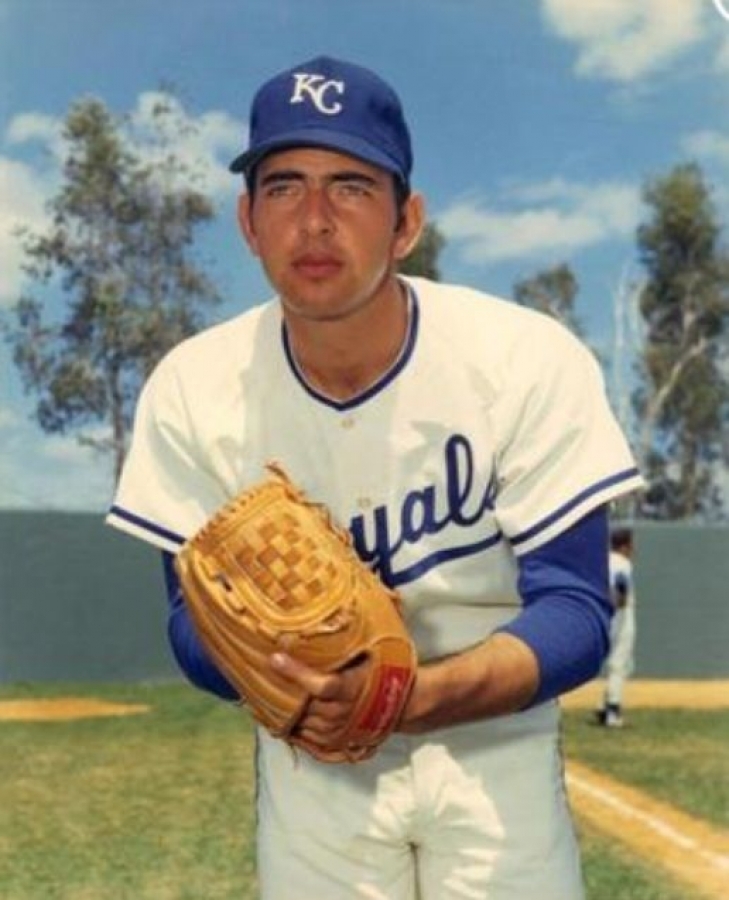
Dick Drago arrived in the Kansas City organization via the 1968 Expansion Draft, a right-hander plucked from the Detroit Tigers system before he had ever thrown a pitch in the big leagues. While the move thrust him into a foundational role earlier than expected, he proved to be a nice find for the fledgling franchise.
Drago’s best year by far was in 1971. He was manipulating the strike zone at will, recording 17 wins and a localized best 2.98 ERA. He showed the organization he was a foundational professional by tossing 241 innings and leading the staff with 15 complete games, a performance that earned him a fifth-place finish in the Cy Young voting. His tactical value was defined by his elite precision, as he consistently ranked among the league's top ten in fewest walks per nine innings.
Between 1970 and 1972, Drago was a club workhorse, averaging nearly 33 starts per season and proving to be a foundational leader for a young pitching staff. While his 61-70 record reflected the growing pains of a new franchise, his specialized 3.52 ERA and his technical mastery of the "low-walk" approach made him essential for the Royals.
After the 1973 season, Drago was traded to the Boston Red Sox in exchange for Cecil Upshaw. With Kansas City, Drago had 61 wins, 63 complete games, and a 3.52 ERA.
46. Cookie Rojas
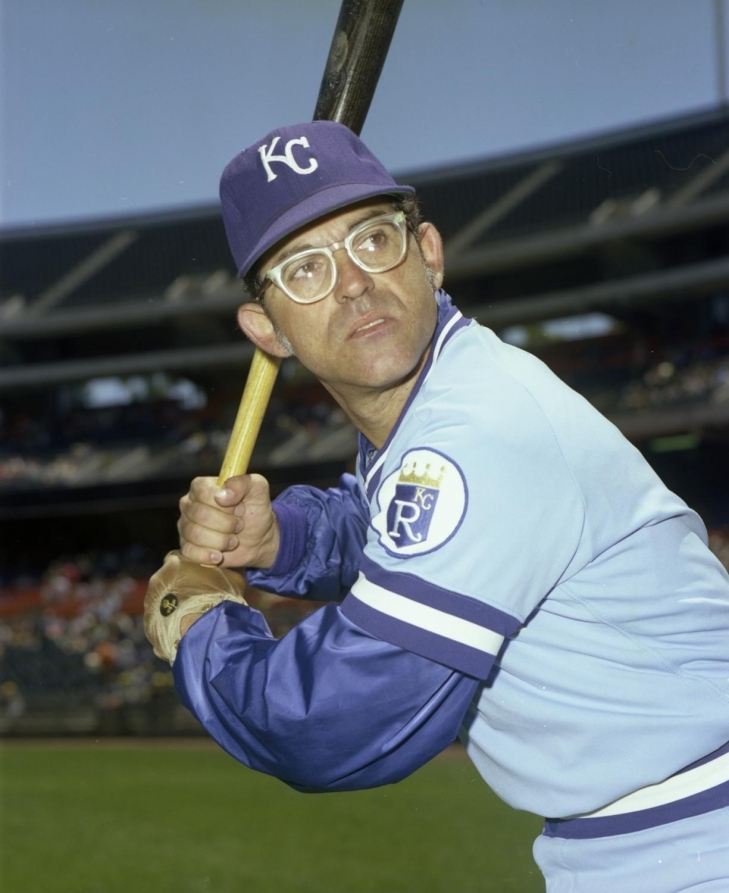
Cookie Rojas arrived in Kansas City via a June 1970 trade with the Philadelphia Phillies, a veteran infielder brought in to provide a stabilizing presence for a franchise still in its infancy. While he had already established himself as a versatile defender in the National League, it was with the Royals where he matured into a perennial All-Star and a foundational leader.
Rojas found an immediate rhythm upon his arrival, especially in his first full season (1971) with the club. That year, he demonstrated a specialized ability to manipulate the bat, recording a .300 batting average and earning the first of four consecutive All-Star selections. He showed the organization he was a foundational professional by finishing among the league leaders in several contact-oriented categories, a performance that earned him his first career MVP votes. This style of play became his calling card, as he followed up with a 1972 season where he recorded 134 hits and a career-best 65 RBIs.
Between 1971 and 1974, Rojas was the primary engine of the Royals' infield, averaging over 140 hits and maintaining a respectable .270 average during a period where league-wide offense was often suppressed. He also showed the organization he was a foundational leader by mentoring a young George Brett and Frank White. Though his advanced metrics, such as a career .309 on-base percentage, suggested limits to his overall offensive impact, his localized popularity and four straight All-Star nods reflected his status as the face of the team’s early success.
As the 1970s progressed and the roster evolved into a powerhouse, his role naturally shifted toward a veteran bench presence. He remained a high-quality contributor throughout the 1977 season, helping the team secure back-to-back division titles. Following that championship run, he moved into a coaching capacity, effectively ending his playing days in Kansas City.
Rojas compiled 845 hits, four All-Star selections, and a .268 batting average in powder blue.
26. Danny Duffy
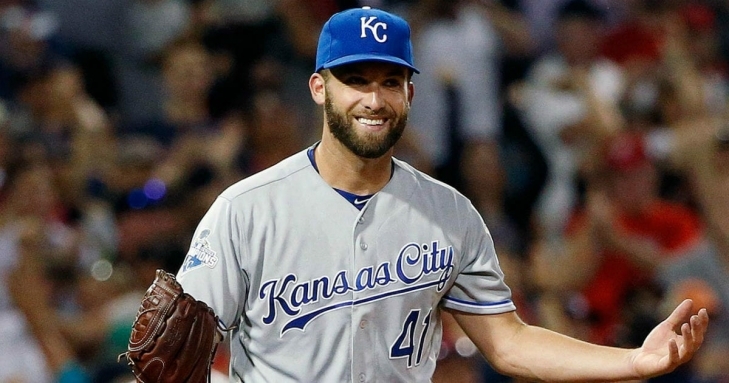
Danny Duffy joined the Kansas City organization as a third-round selection in 2007, a high-ceiling left-hander who would become one of the most beloved figures of the modern era. After making his debut in 2011 and overcoming Tommy John surgery early in his career, he evolved into a foundational piece of the rotation.
In 2014, he moved into the rotation full-time and posted a career-best 2.53 ERA, setting the stage for the team’s historic postseason run. During the 2015 championship season, he demonstrated a specialized resilience by transitioning to a relief role late in the year. He showed the organization he was a foundational winner by tossing high-leverage innings in the ALDS, ALCS, and World Series, helping Kansas City secure its first title in 30 years.
In 2016, he evolved into a true staff ace, recording a career-high 12-3 record and a franchise-record 16 strikeouts in a single game against Tampa Bay. He showed the organization that he was a foundational star by recording 188 strikeouts and earning the first of back-to-back Opening Day starts in 2017. He possessed a rare, durable quality that saw him pitch at an elite level for Team USA in the 2017 World Baseball Classic, helping secure a gold medal. Despite recurring shoulder issues that surfaced in 2018 and 2019, he remained the emotional heartbeat of the rotation, famously declaring "Bury me a Royal" to signal his lifelong commitment to the organization.
In July 2021, Duffy was traded to the Dodgers, an exit motivated by the Royals’ desire to give the veteran a chance at another ring while acquiring a player to be named later. A flexor strain prevented him from ever making an appearance for Los Angeles. With K.C., Duffy compiled a 68-68 record, 1,048 strikeouts, and the 2015 World Series title.
