


Site Admin
65. Darren Woodson
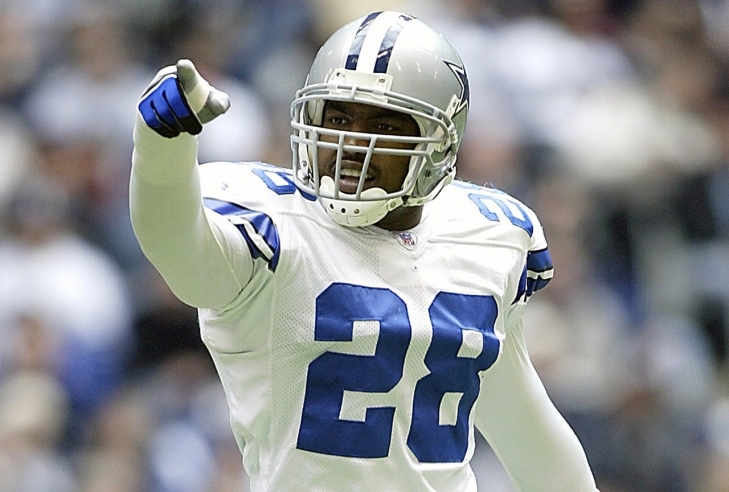
Darren Woodson arrived in Dallas as one of the Draft Picks acquired in the Herschel Walker trade, and the 2nd Rounder from Arizona State wasted little time establishing himself as a force in the Cowboys Secondary, even though he was a Linebacker in college. A member of the All-Rookie Team, Woodson aided Dallas to a win in Super Bowl XXVII and subsequently Super Bowl XXVIII and in the season after he would begin a three-year streak of First Team All-Pros and five year run of Pro Bowls. This period would also see Woodson win his third Super Bowl (XXX).
66. Eddie Meador
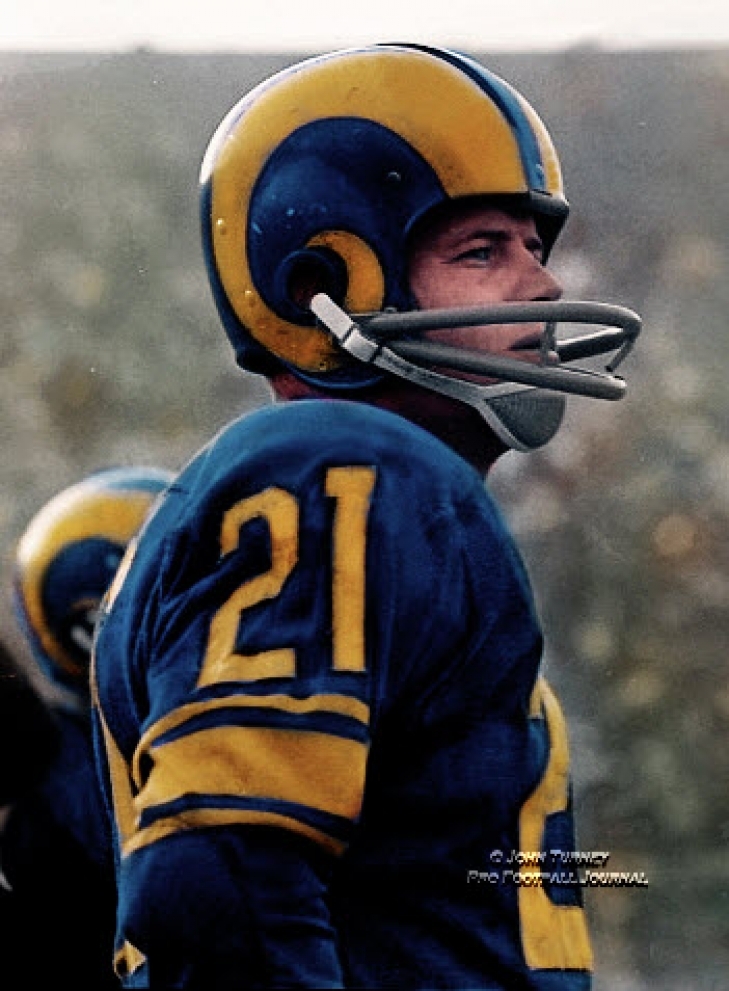
In the 1960s, the Los Angeles Rams defense was best known for its "Fearsome Foursome" Defensive Line, but their secondary also featured a star in Eddie Meador, who earned six Pro Bowl selections. Meador came from Arkansas Tech and would become the starting Left Cornerback in his second season. That year (1960), he would be named to the Pro Bowl, but when he moved to Right Safety in 1964, he was in a better spot for his skill set. Meador would go to five straight Pro Bowls (1964-68) and was a First Time All-Pro in both 1968 and 1969.
As of this writing, Meador is still the Rams' all-time leader in Interceptions (46), and he would be named to the 1960's All-Decade Team.
120. Bucko Kilroy
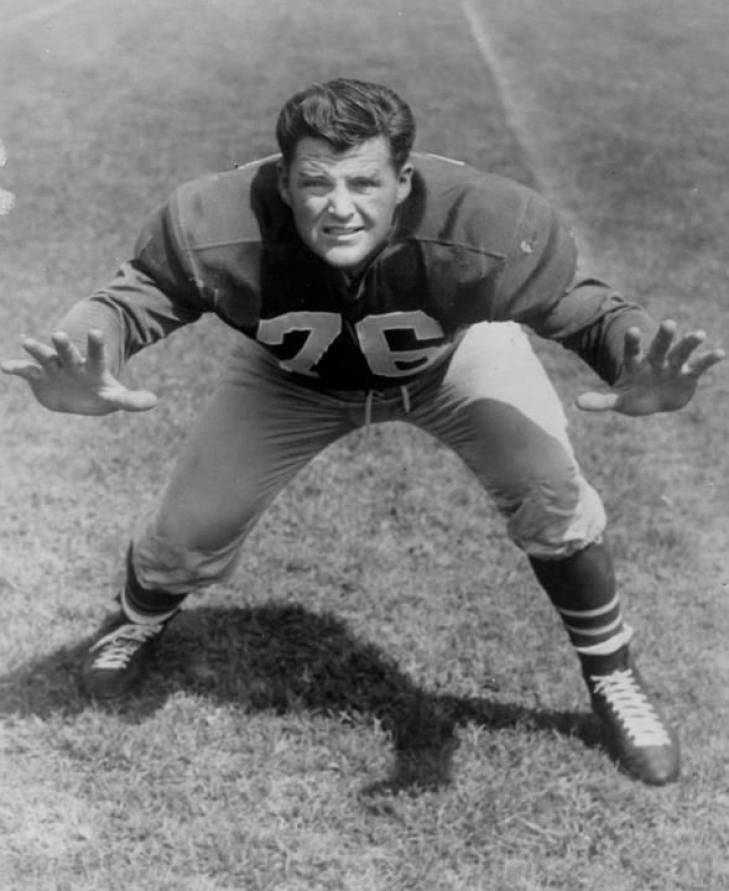
A beast at Temple University, Francis Joseph "Bucko" Kilroy may not have been drafted, but his hometown Philadelphia Eagles knew there was something special there, and he made the team; albeit in a combined effort, as in 1943 the Eagles merged with the Pittsburgh Steelers due to the depletion of talent due to World War II.
Kilroy would play his entire career with the Eagles, and the bruising Lineman was considered one of the toughest players in the league. He helped Philadelphia win the 1948 and 1949 NFL Championships and made three Pro Bowls in the 1950s. He would later be named to the 1940's All-Decade Team.
Kilroy would later become a very successful scout and administrator, and if the Pro Football Hall of Fame combined on-field and post-playing career (they don't), the case can be made that Kilroy should have been inducted decades ago.
92. Shaun Alexander
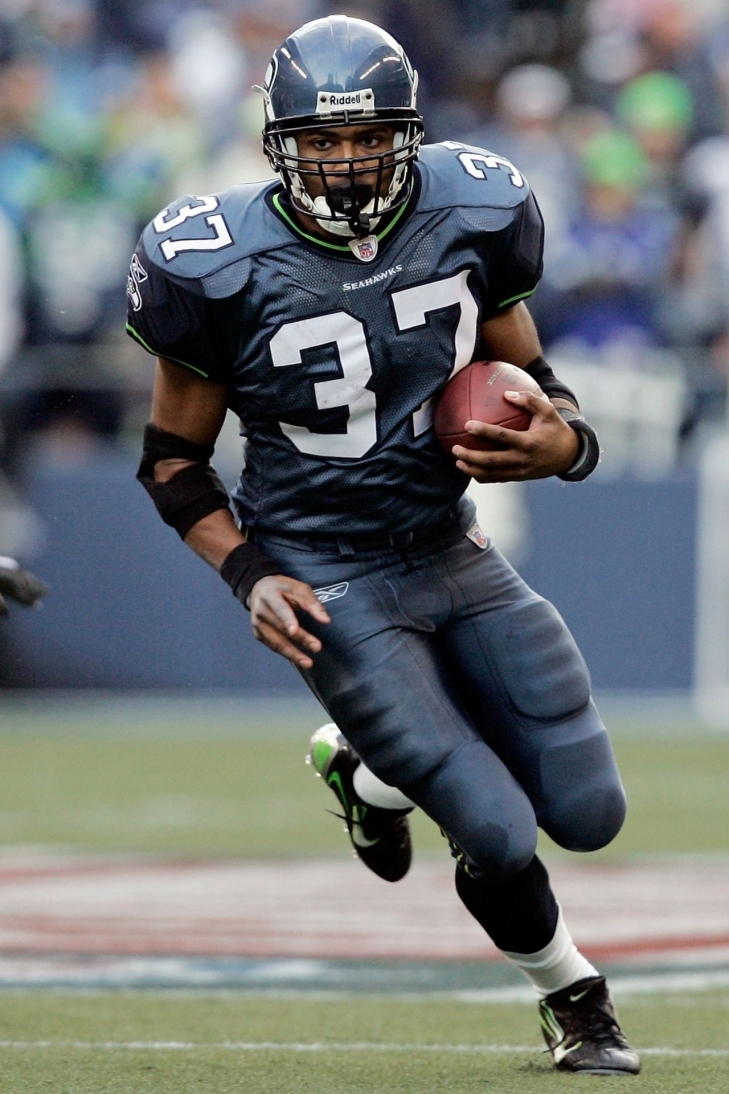
Coming out of the University of Alabama, Shaun Alexander backed up Ricky Watters in his rookie season (2000), and after Watters' retirement, he would become the lead back for the Seattle Seahawks. Alexander went on to a five-year run in which he exceeded 1,000 Rushing Yards and, most importantly, became a touchdown factory. In 2001, he led the NFL with 14 Rushing TDs and would never go below that in the next four seasons.
Alexander would be named to his first of three straight Pro Bowls (2003) when he had a 1,435 Rushing Yard season, and he would increase that to 1,696 in 2004 and was a Second Team All-Pro. He followed that up with the best season of his career and one of the best offensive campaigns ever by a Seattle Seahawks player. He rushed for a league-leading 1,880 Yards with 27 Rushing Touchdowns, and he was named a First Team All-Pro, AP Offensive Player of the Year, and the AP MVP.
Unfortunately, injuries piled up, and he was out of football three years later and failed to reach the magic 10,000 Yard Rushing mark. He is, however, one of the few players to rush for 100 Touchdowns, with 112 overall, and that is his key number for Hall of Fame consideration.
