


Site Admin
195. Rich Jackson
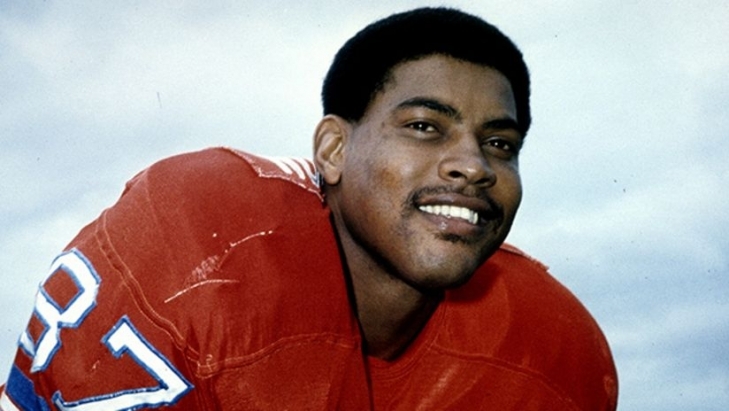
Undrafted out of Southern in 1966, Rich Jackson was given a chance by the Oakland Raiders, where he played only five games. Al Davis traded Jackson to the Denver Broncos, but the Raiders owner would soon regret it.
Jackson would become the best Defensive End in the American Football League, where, from 1968 to 1970, the man nicknamed “Tombstone” would go on a three-year streak of First Team All-Pros and Pro Bowls and would be known forever for his “head slap” and “halo spinner", two moves that would become staples of those looking to emulate Jackson. It is arguable for us to say that during those three seasons, no other Defensive End could touch him, but that was over almost as quickly as it began. He suffered a massive injury to his knee in 1971, and he was out of the game a year later, but his impact on the game, whether people are aware, is substantial.
171. Harlon Hill
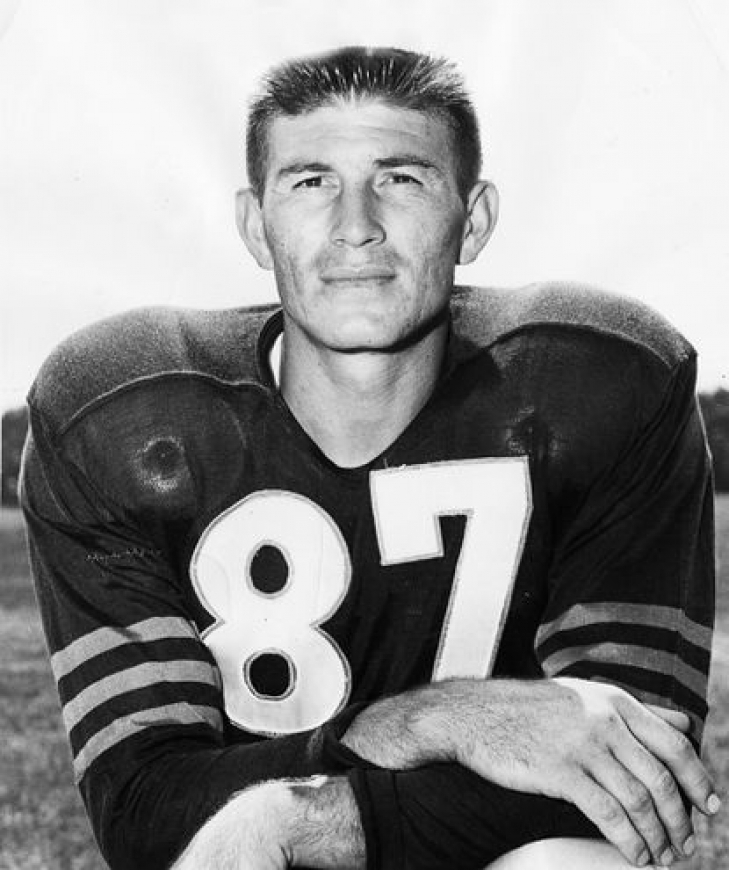
Harlon Hill was such a great player at the University of North Alabama that the MVP of Division II receives the Harlon Hill Trophy. But this isn't about college now, is it?
Drafted in the 15th Round by the Chicago Bears in 1954, Harlon Hill made an immediate impact and set a (since broken) franchise record of 1,124 Receiving Yards and led the National Football League in Touchdown Receptions (12) and Yards per Reception (25.0). Hill remained one of the game’s top receivers over the next two seasons, winning the inaugural Jim Thorpe Award as the Newspaper Enterprise Association MVP in 1955, though he had a better 1956 season. That year he beat his own record with 1,128 Yards and again led the NFL in Yards per Reception (24.0). To this day, he is still third all-time in the NFL in Yards per Reception with 20.2.
Hill would pile up injuries, especially a serious one involving a torn Achilles, and he was only dominant for those three seasons. He would retire after the 1960 campaign.
163. Art Powell
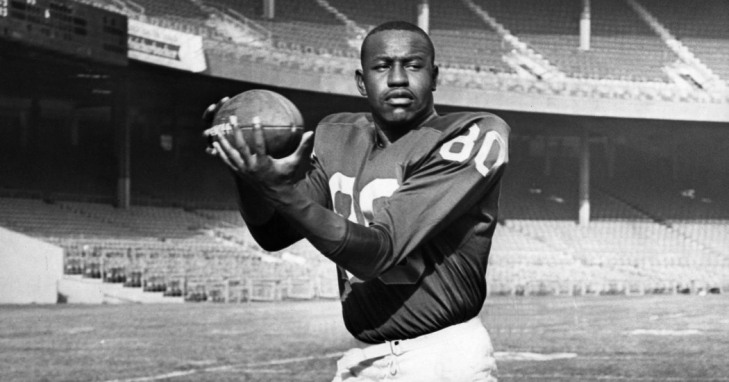
Art Powell played in the Canadian Football League for two seasons before the Philadelphia Eagles drafted him in 1959. As an NFL rookie, Powell played returner and defensive back but later joined the New York Titans (later renamed the Jets) of the American Football League. With the Titans, Powell would lead the AFL in Receiving Touchdowns (14) in the league's first year of existence, and in 1962 he would finish first in Receiving Yards (1,130).
He joined the Oakland Raiders, where he stayed for four years, and was named an AFL All-Star each season. In his first season there (1963), he would lead the AFL in Receiving Yards (1,304) and Touchdown Receptions (16) and was a First Team All-Pro. Powell also exceeded his yardage in 1964 (1,361) and again had a four-digit output in yardage in 1966 (1,026). He would also never have fewer than 11 TDs in a season as a Raider. Powell finished his career with one season each in Buffalo and Minnesota.
Powell would accumulate 8,046 Receiving Yards and 81 Touchdowns over his 177 Game career in American Football, and in 2024, it looked like he was going to get his bust in Canton. The Senior Committee put him forward as a Finalist, but along with Buddy Parker, the main committee passed on Powell. This does not bode well for him in the future.
198. Nate Newton
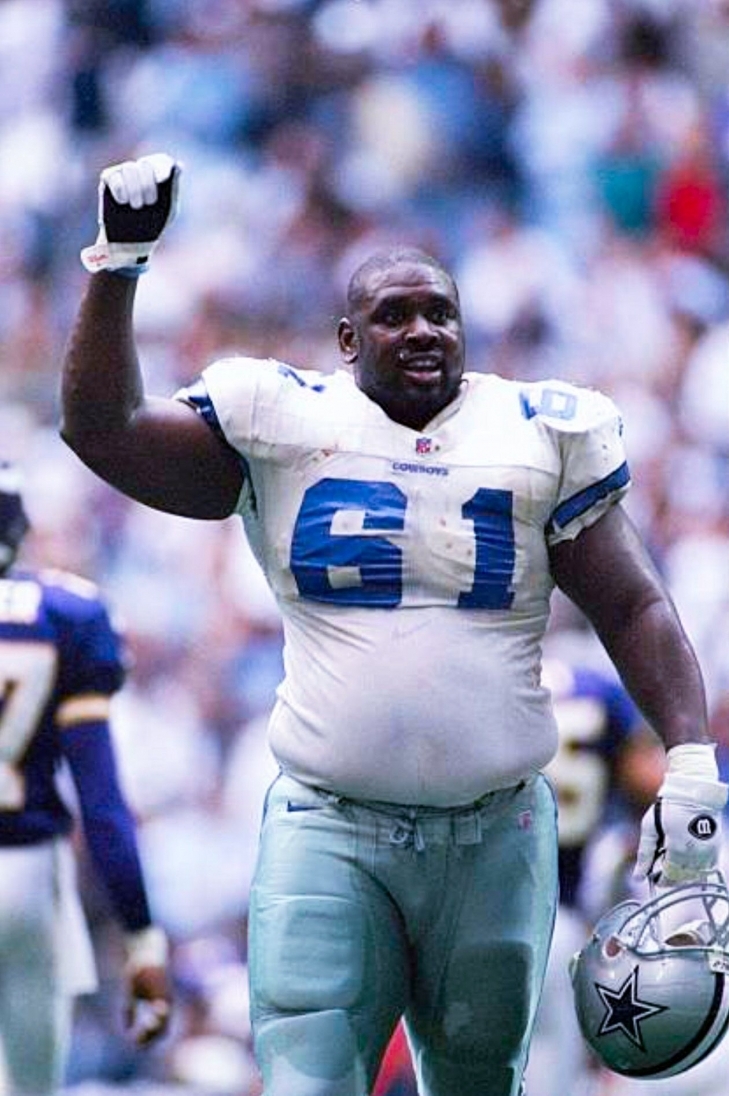
Nate Newton was so big that he was called the “Kitchen," in reference to the fact that he was a more massive player than William "The Refrigerator" Perry. Newton went undrafted out of Florida A&M but found a home in the USFL, where he played two years with the Tampa Bay Bandits and earned All-USFL Honors.
Now a seasoned professional, Newton signed with the Dallas Cowboys but continued to struggle with his weight. In his 30s, Newton was at his best, going to six Pro Bowls and earning two First Team All-Pro selections, and he was a large (literally) part of the superb O-Line that helped Emmitt Smith rush his way to the Hall of Fame. Big Nate would win three Super Bowl Rings with the Cowboys, and we are guessing that his ring size may have been the largest one ever created.
