

Site Admin
74. Vada Pinson
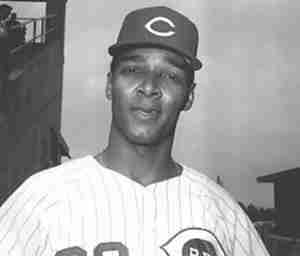
The start of Vada Pinson’s career showed promise of a Hall of Fame career as he was a five-tool baseball player. So just how does a player who had this much promise still compile over 2,700 hits and yet have what was considered a journeyman career?
The easy answer may be that Vada Pinson had many very good seasons, but none that could be considered great. He racked up many hits (four times he compiled over 200 in a season), but wasn’t always considered a clutch hitter, as shown when he batted .091 in his lone World Series in 1961. He had decent speed but never led the league in steals. He could field, but only had one Gold Glove. He had a great Batting Average but barely walked giving him a relatively low On Base Percentage.
Pinson was durable, lasted a long time, and took a lot of hits in his career. He was very good for a long time (far longer than most), but without that one season of being great, the case for Vada Pinson’s Hall of Fame candidacy becomes a tough sell.
Should Vada Pinson be in the Hall of Fame?
64. Bobby Bonds
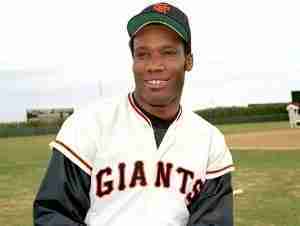
It seemed like Bobby Bonds was always in someone’s shadow. As a kid breaking into the Giants, he shared an outfield with Willie Mays. In his final years, he remained a talented pro but was relegated to journeyman status, bouncing around the league. He is also Barry’s father. We prefer to think of him as one of the early prototypes of the modern baseball athlete.
Bobby Bonds was one of the great leadoff men of all time. He combined power and speed in ways that nobody had before, and in the 1973 season, he was a home run away from becoming the first ever 40/40 man in baseball history. Bonds did the 30/30 five times in his career and displayed the kind of skills that would come to be expected of the next generation of baseball players. He would lead his respective league in Power-Speed nine times and, as of this writing, is 5th all-time in that statistic.
Bonds did have negatives that would keep him from the Hall. He did walk a lot, but his batting average was only .268. Subsequently, Bonds struck out a lot, leading the league in that category three times. He may not necessarily deserve enshrinement in Cooperstown, but he does deserve to be out of shadows.
Should Bobby Bonds be in the Hall of Fame?
32. Stan Hack
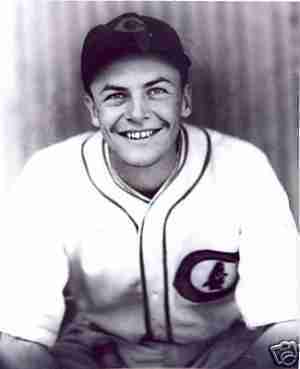
Stan Hack played his entire 16-season career with the Chicago Cubs. He was one of the Cubbies most popular players as “Smilin” Stan’s sunny disposition made him a fan favorite among players, fans, and journalists alike. It also didn’t hurt that he was one hell of a hitter.
Hack hit over 2,100 hits batting first for Chicago, but like any true good leadoff hitter, he found a way to get on base. Hack knew how to draw the free pass and was constantly among league leaders in On Base Percentage. Once on the base paths, Hack was an intelligent base runner, making few mistakes. He made even fewer mistakes at third, where he would have likely won multiple Gold Gloves had they been implemented at the time.
Hack had no significant slugging numbers, but that was not what he was paid to do. His main goals were to get on base and defend the hot corner, and he did both very well. He did accumulate some of his numbers during a weakened league (during World War II), but he was a consistent performer who should have gotten more Hall of Fame votes than he did.
Should Stan Hack be in the Hall of Fame?
51. Rusty Staub
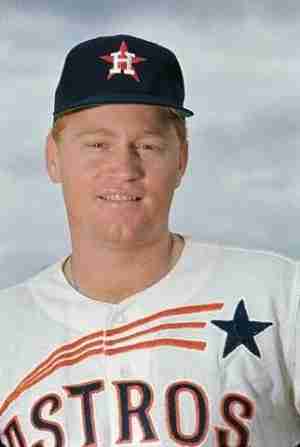
If the main criteria for the Hall are perseverance and effort, then Rusty Staub should have been a first-ballot Hall of Famer. His hard work resulted in over 2,700 hits in a Major League career that many people who saw him early on would never have pegged him for.
Nobody could ever accuse Staub of not giving everything he had, regardless of the endeavor. Those efforts included cooking, history, and, of course, baseball. They called him eccentric for these things, but his meticulous nature turned him into a pure hitter and gained him respect throughout the league. He made six All-Star Games but did so without showing much power (though he hit 25 homers twice) and without any real speed. What he did do was hit for average consistently and walk frequently, which enabled him, even late in his career, to be a solid pinch-hitter.
Staub may have been freakishly consistent, but he was never dominant and was never a serious contender for any postseason award. Six All-Star appearances were impressive, but rarely has the Baseball Hall of Fame rewarded longevity without at least a flash of immortality. If they did, Staub would be a good place to start.
Should Rusty Staub be in the Hall of Fame?