

35. Bob Boone
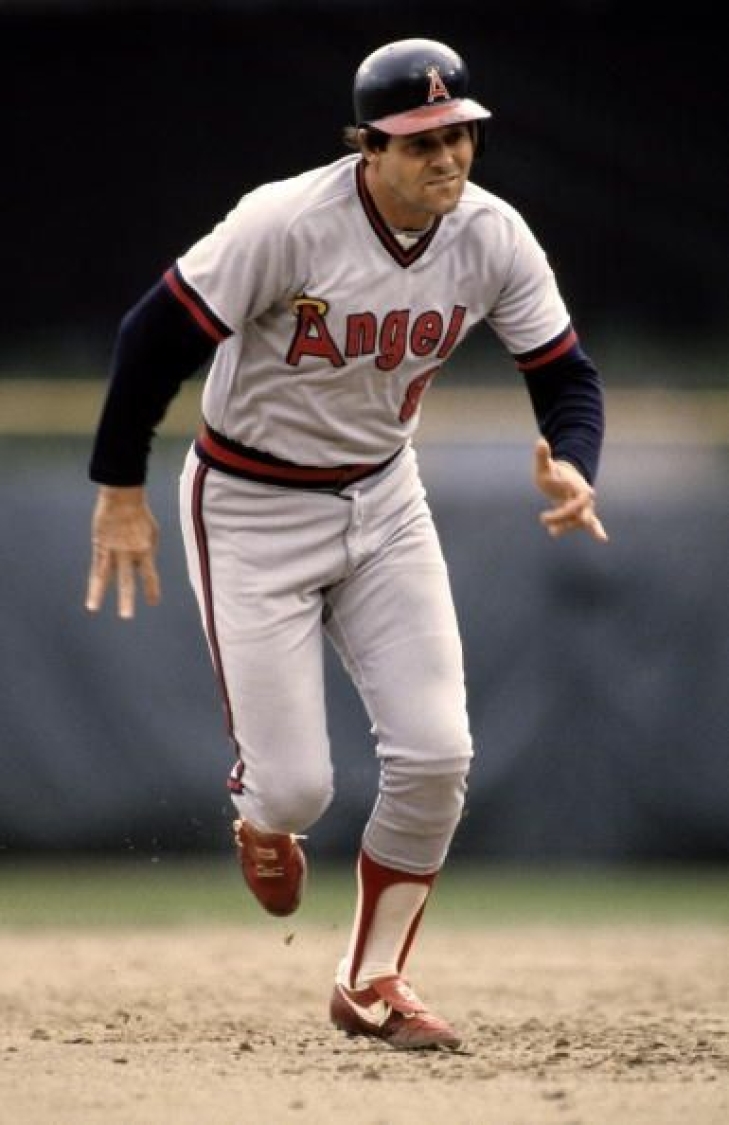
Bob Boone arrived in the California organization in December 1981 via a purchase from the Philadelphia Phillies, a veteran acquisition intended to stabilize a pitching staff in need of an elite signal-caller. While he was already 34 years old and widely celebrated for his championship run in Philadelphia, he proceeded to author a second act that defied the typical aging curve for a catcher.
During his first summer on the West Coast in the 1982 campaign, he showcased a unique skill in stopping the running game by throwing out 21 of the first 34 runners attempting to test him. His performance helped the team secure an American League West title. Demonstrating his importance to the organization, he caught 143 games at an age when most catchers are moving to a backup role, earning the first of four Gold Gloves he would win with the team. His tactical value was further emphasized by his league-leading caught-stealing percentage, consistently ranking among the best despite the fast-paced, high-frequency environment of 1980s baseball.
From 1982 to 1988, he amassed an impressive 14.7 defensive bWAR, the highest in franchise history. He proved his leadership by guiding the staff through two postseason runs and famously catching Mike Witt’s perfect game in 1984. Although his offensive stats were modest, with 742 hits and a .620 OPS, his exceptional skill in managing games and preventing runs was crucial. He led American League catchers in total zone runs five times and remained among the top defensive players even as he approached age 40.
Boone signed with the Kansas City Royals as a free agent in 1989.
33. Albie Pearson
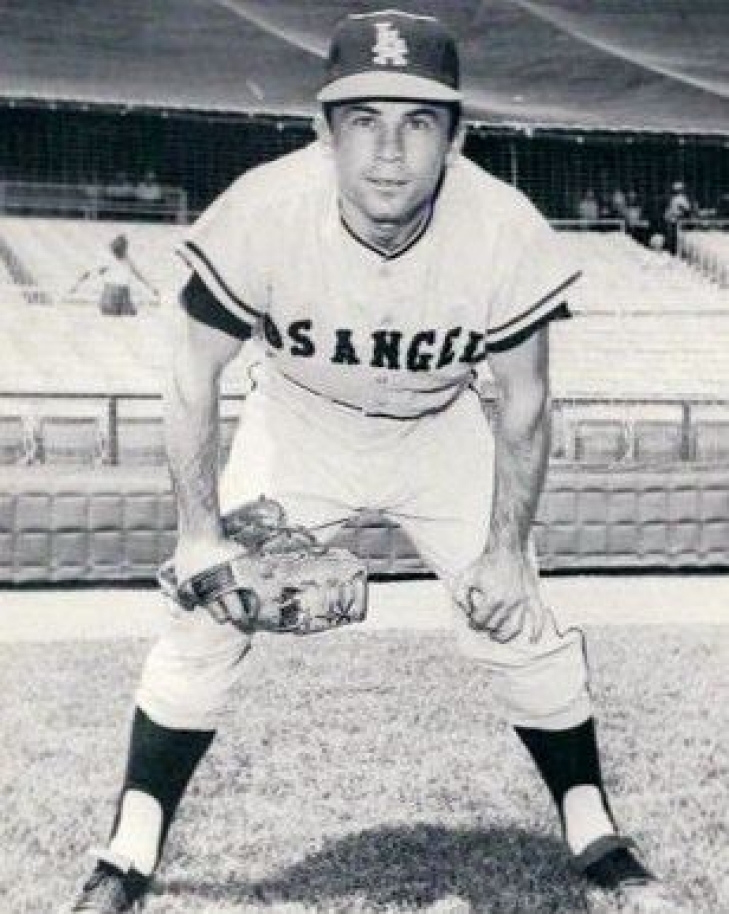
Albie Pearson arrived in the California organization via the 1960 Expansion Draft, a diminutive outfielder whose career seemed to be on the wane after two lackluster seasons in Washington and Baltimore. Standing just 5' 5", he was often dismissed for his stature, yet he provided the spark the fledgling franchise needed during its first five seasons.
1961 marked a significant comeback for Pearson. That summer, he achieved a .420 on-base percentage alongside a solid .288 batting average. He proved to the organization that he was a key professional player by regaining the form that earned him the 1958 Rookie of the Year award. His consistent ability to reach base set the stage for 1962, a season in which he showed remarkable durability by leading the American League with 115 runs scored.
His career reached a historic high in 1963, the year he earned his only All-Star selection. That summer, he showcased exceptional contact hitting, setting career records for hits (176) and batting average (.304). He proved his value to the organization as a key player by anchoring the outfield and providing strategic support to a lineup that was gaining momentum in the American League. Although he did not hit many home runs, his ability to grind out at-bats and draw walks made him a significant threat at the top of the order, ending his stint with the Halos with a notable .379 on-base percentage.
A series of nagging back injuries began to surface in 1964. While he attempted to push through physical limitations, his production declined significantly over his final two years, leading to his eventual release in 1966. Pearson compiled 618 hits, a .379 on-base percentage, and the 1962 American League lead in runs scored.
29. Adam Kennedy
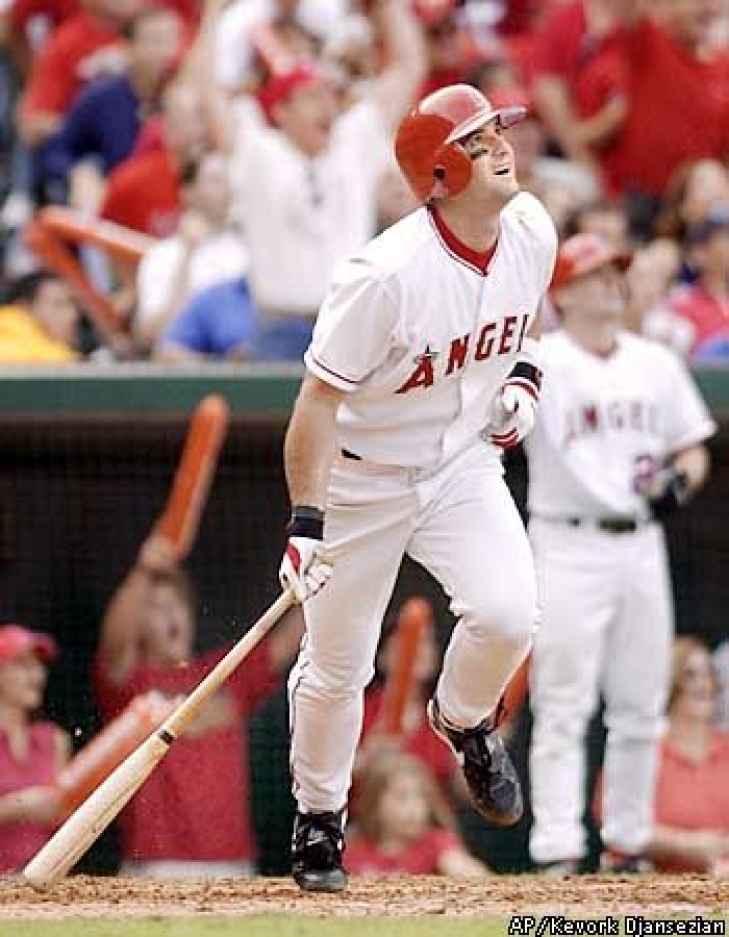
Adam Kennedy arrived in the Anaheim organization via a franchise-altering trade in March 2000, a move that sent fan-favorite Jim Edmonds to the Cardinals in exchange for the young second baseman and pitcher Kent Bottenfield. While following a legend is never easy, Kennedy quickly carved out a specialized niche as the dependable engine of the Angels' middle infield.
Kennedy blossomed in 2002, recording a career-best .312 batting average and providing a high-frequency spark from the bottom of the order. He had a phenomenal postseason, particularly in the ALCS against the Twins, where he famously blasted three home runs in the clinching Game 5, and he finished the series with a staggering 1.357 OPS, an outlier performance that propelled the franchise to its first World Series title.
Between 2001 and 2005, he recorded at least 1.0 defensive bWAR each season, demonstrating range and sure-handedness that peaked with a 2.0 dWAR in 2005. He had a batting average of at least .266 in every full season with the club, pairing his contact skills with an ability to disrupt opponents on the basepaths, as evidenced by his 123 stolen bases.
His run in SoCal ended when he signed with the St. Louis Cardinals in 2006. With the Halos, Kennedy compiled 935 hits, 123 stolen bases, and a 2002 World Series championship.
32. Wally Joyner
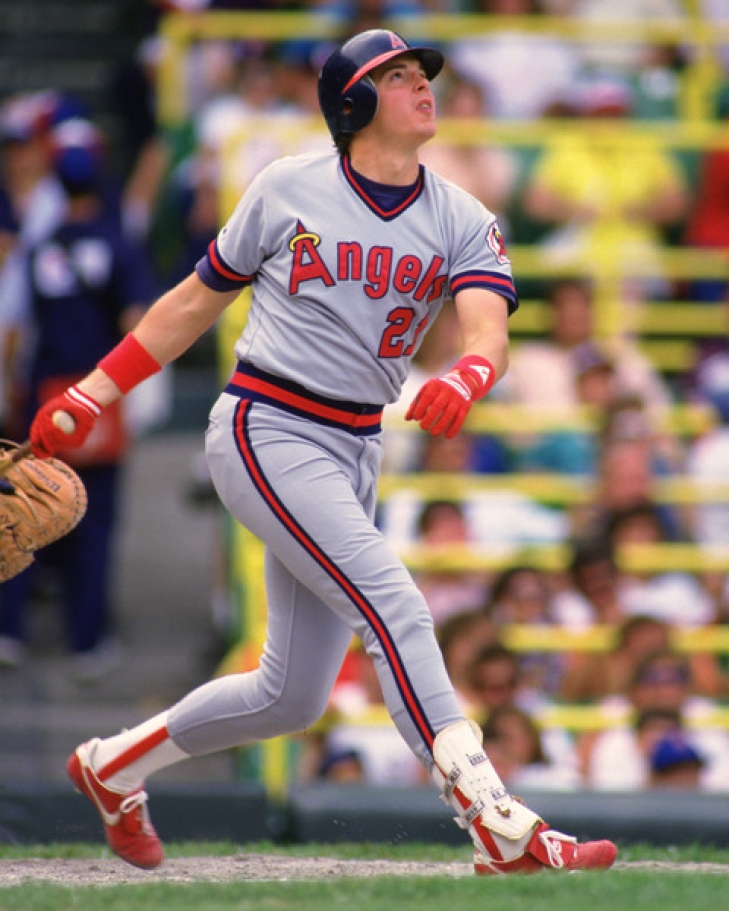
Wally Joyner joined the California organization as a third-round pick in 1983. A smooth swinger and first baseman, he helped spark one of the most passionate local movements in baseball history. Debuting in 1986, he quickly became a key member of a team that went on to win the American League West title.
Joyner's debut in 1986 marked a swift rise in popularity and performance. That summer, he proved his ability to handle intense pressure, hitting 22 home runs and maintaining a .290 batting average. His impressive contribution established him as a key player for the organization, becoming the first rookie to be voted a starting spot in the All-Star Game. He also finished as the runner-up for Rookie of the Year in a close contest with Jose Canseco. His frequent and impactful play ignited the local enthusiasm for "Wally World," leading to increased attendance and helping the Halos reach the postseason.
The 1987 campaign marked the historic peak of his offensive output. He reached a second peak of individual dominance, recording career highs in home runs (34), RBIs (118), and slugging percentage (.528). While his home run totals naturally regressed in the following seasons, he remained a high-quality contributor at first base. Joyner had one more solid year with the Angels (21 HR, .301 BA), but he was entering free agency and opted to join the Kansas City Royals.
With California, Joyner collected 961 hits and 117 home runs while batting .286.
28. Jarrod Washburn
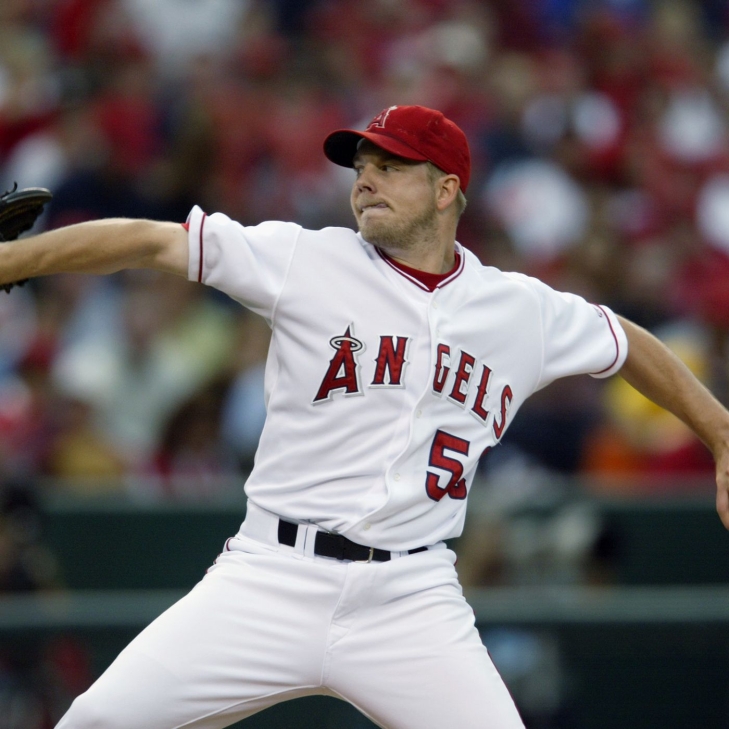
Jarrod Washburn arrived in the California organization as a second-round selection in 1995, eventually serving as the reliable left-handed anchor of the rotation for the better part of a decade. While his early years were marked by frequent moves between the minors and the parent club, he established himself as a full-time fixture by 2001.
Washburn reached a historic peak of efficiency during the 2002 championship campaign. That summer, he evolved into the unquestioned ace of the staff, posting a career-best 18-6 record with a 3.15 ERA. He demonstrated a specialized ability to handle a heavy workload, tossing over 200 innings and finishing fourth in the American League Cy Young voting. He who propelled the club to its first World Series title, even though his dominance in the regular season didn't quite carry over to the final series against San Francisco.
The latter half of his tenure in Anaheim was defined by resilience, as he bounced back from mid-career struggles. After his ERA climbed above 4.00 in 2003 and 2004, he reached a statistical outlier for efficiency in his final year with the club in 2005. That season, he demonstrated a specialized ability to suppress runs, recording a 3.20 ERA over 29 starts and ranking among the league leaders in night-game performance.
After the 2005 season, Washburn left for the Seattle Mariners on a four-year, $37.5 million contract. Washburn compiled 75 wins and 699 strikeouts in SoCal.
26. Doug DeCinces
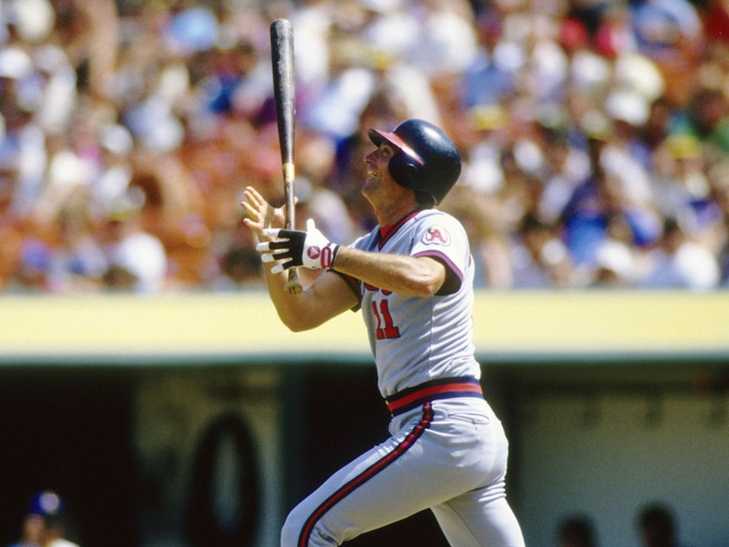
Doug DeCinces arrived in the California organization via a January 1982 trade with the Baltimore Orioles, a move that finally allowed him to step out from the massive shadow of Brooks Robinson. While his time in Baltimore was defined by the impossible task of following a legend, his transition to the West Coast sparked an immediate offensive renaissance.
DeCinces had his best season in baseball in 1982, belting a career-high 30 home runs and recording his only career .300 season. He led the club to an American League West title and finished third in the AL MVP voting behind future Hall of Famers Robin Yount and Eddie Murray. The regular season was punctuated by a historic week in August, where he hit three home runs in a single game twice within a five-day span, earning him the 1982 Silver Slugger Award.
The 1983 campaign saw DeCinces maintain his status as one of the premier third basemen in the junior circuit, earning his lone career All-Star selection. While a mid-season injury limited his total games, he remained a model of consistent power throughout the mid-eighties, smacking at least 20 home runs in three consecutive seasons from 1984 to 1986, the last of which he recorded 26 home runs and 96 RBIs while finishing 11th in the MVP race and helping the Angels reach the ALCS.
DeCinces’s play tailed off in 1987, and he was released late in the season. With California, he had 130 home runs and a .277 average
25. Torii Hunter
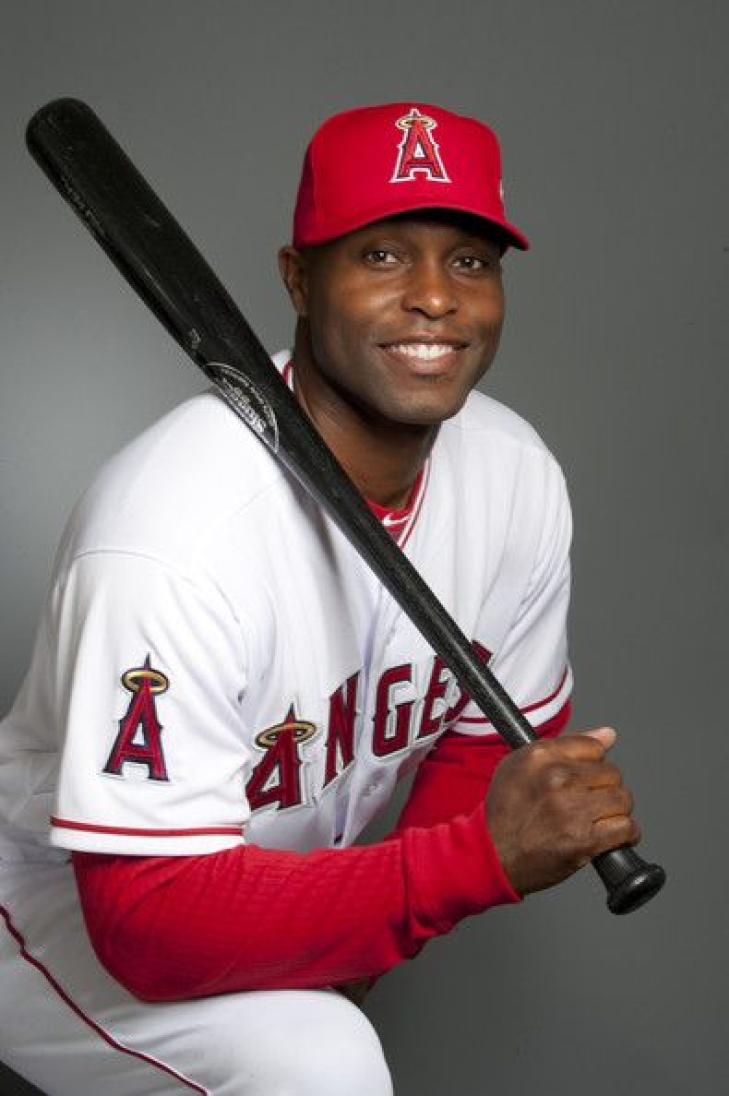
Torii Hunter joined the California organization as one of the most significant free-agent acquisitions in franchise history, signing a five-year deal prior to the 2008 season. After a decade of establishing himself as a defensive icon in Minnesota, he arrived in Anaheim to solidify the outfield for a club in the midst of a competitive window. For five seasons in an Angels uniform, he provided a specialized blend of veteran power and gold-standard defense, proving that his athletic prime extended well into his thirties.
In 2008 and 2009, he continued a historic streak by securing his eighth and ninth consecutive Gold Glove Awards, anchoring center field while mentoring a young core. He paired this defensive excellence with high-frequency power, belting at least 21 home runs in each of his first four seasons with the club and earning back-to-back All-Star selections in 2009 and 2010.
In 2009, despite being limited by a shoulder injury, he recorded a .299 batting average with 22 home runs and 90 RBIs, earning his first Silver Slugger Award while helping lead the Angels to an American League West title. In 2012, his final season in Anaheim, he batted a career-high .313 and recorded 92 RBIs at the age of 36.
Hunter signed with the Detroit Tigers after the 2012 season and compiled 768 hits, 105 home runs, and two Gold Glove Awards with the Angels.
24. Mike Witt
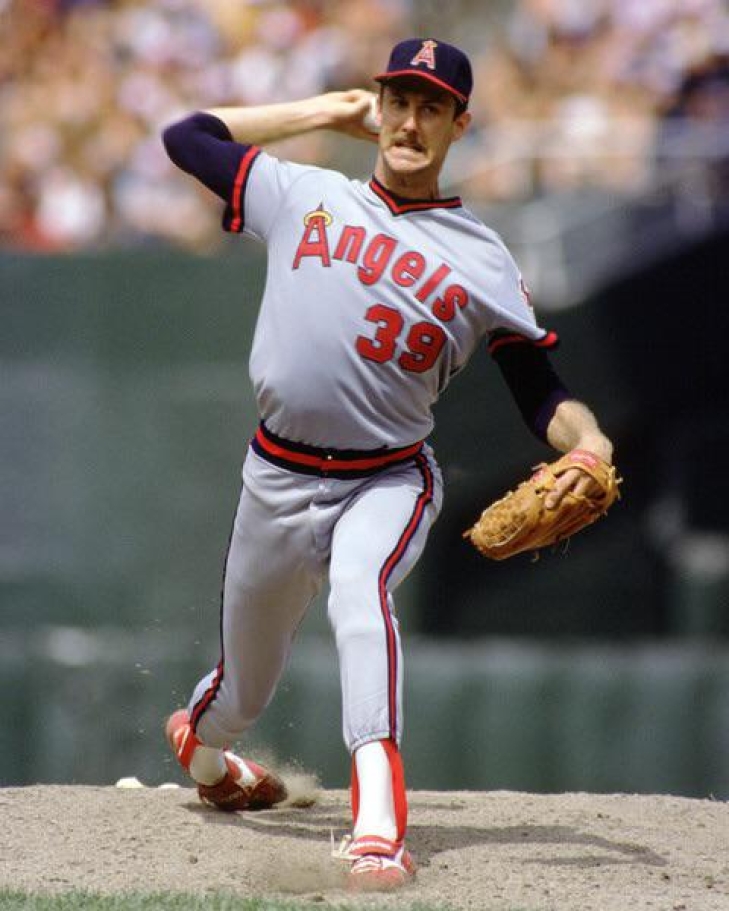
Mike Witt arrived in the California organization as a fourth-round selection in 1978 out of Fullerton’s Servite High School, essentially pitching in his own backyard. Standing 6’ 7”, he possessed a specialized high-release point that made his power curveball nearly unhittable when he was on his game.
On the final day of the 1984 season, Witt delivered one of the most statistically dominant performances in baseball history. On September 30, he demonstrated a specialized ability to dominate the Texas Rangers, tossing the 11th perfect game in Major League history using only 94 pitches. This historic gem served as the lead-in to his most consistent stretch of production, as he won at least 15 games and fanned 180 or more batters in four consecutive seasons (1984–1987).
The 1986 campaign represented Witt’s most complete effort as he recorded 18 wins with a 2.84 ERA and 208 strikeouts, leading the Angels to an American League West title and finishing third in the Cy Young voting. He also recorded 14 complete games and earned the first of back-to-back All-Star selections. While his dominance began to taper in the late eighties, he provided one final high-frequency highlight in 1990, tossing two perfect innings in relief to finish a combined no-hitter with Mark Langston.
In May of 1990, the Angels dealt Witt to the New York Yankees, departing with 109 wins and 1,283 strikeouts while wearing the Halo. He would later be inducted into the Angels Hall of Fame in 2015.
31. Andy Messersmith
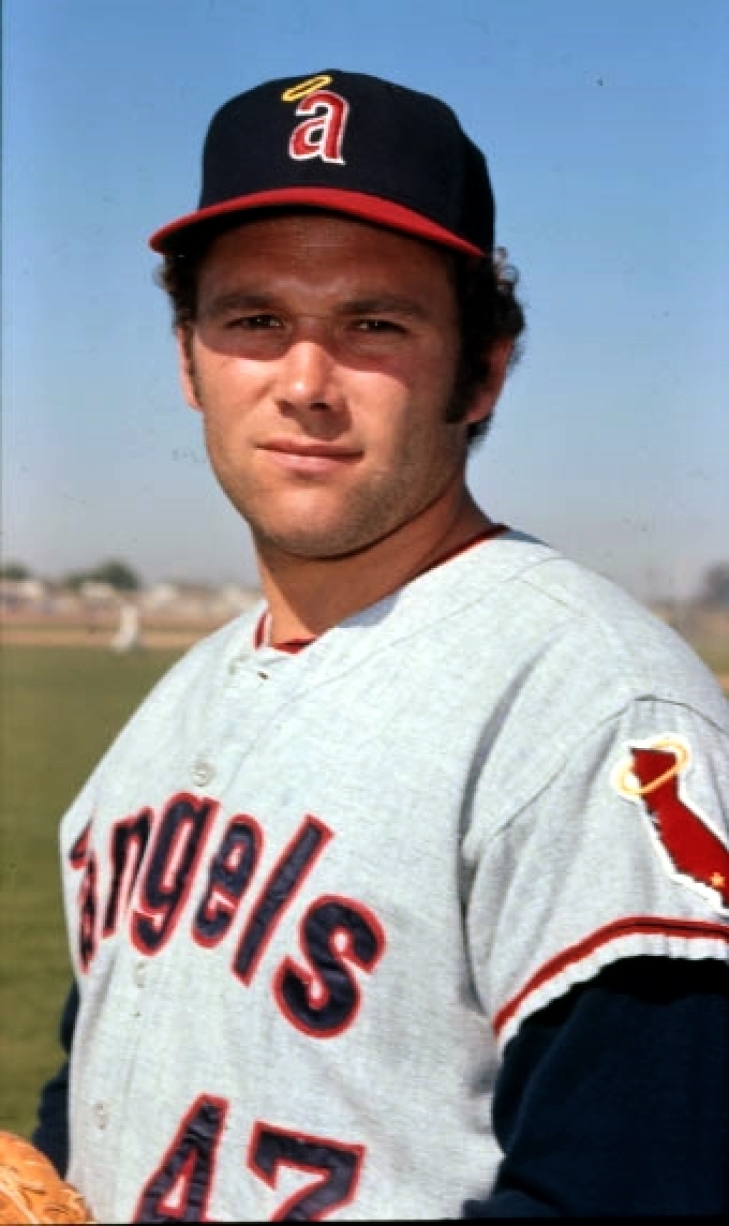
Andy Messersmith arrived in the California organization as a first-round pick in 1966, a right-hander whose specialized, high-velocity arsenal and competitive demeanor made him an immediate cornerstone of the young franchise. After a brief but efficient debut in 1968, he quickly became a workhorse.
Messersmith first stepped onto the mound for California in 1968, appearing in 21 games, mostly in relief, and offering a glimpse of the dominance to come. He showed the organization he was a foundational professional by posting a 2.32 ERA over his first 81.1 innings. By 1969, he had fully transitioned into a high-volume starter, demonstrating a specialized ability to suppress contact by leading the American League in fewest hits allowed per nine innings. This localized breakout saw him record 16 wins and a stellar 2.52 ERA, setting a technical standard for efficiency that he would maintain through the 1970 season, when he added another 11 victories and 178 strikeouts to his ledger.
This three-year introductory run served as the perfect lead-in to his historic 1971 campaign, during which he recorded 20 wins and led the staff with 276.2 innings pitched. He showed the organization he was a foundational professional by earning his first career All-Star selection and finishing fifth in the Cy Young voting.
His journey in Southern California took a local turn in November 1972, when he was sent to the Los Angeles Dodgers in a blockbuster multi-player trade that brought Hall of Famer Frank Robinson to the Angels. While he continued to excel across town, his legacy eventually transcended the box score when he famously challenged the "reserve clause," a move that ushered in the era of free agency.
With the Angels, Messersmith had a record of 59-47, a 2.78 ERA, and 768 strikeouts.
27. Jim Edmonds
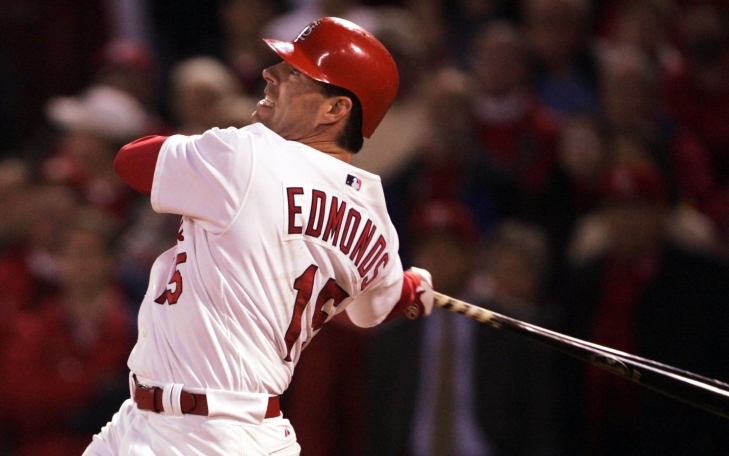
Jim Edmonds arrived in the California organization as a seventh-round selection in 1988, eventually developing into one of the most dynamic all-around center fielders of his generation. While he debuted in late 1993, he established himself as a premier talent during a breakout 1995 campaign.
In 1995, Edmonds demonstrated a specialized ability to drive the ball to all fields, belting 33 home runs and recording 107 RBIs while earning his first All-Star selection. He showed the organization he was a foundational professional by pairing this offensive surge with gold-standard defense, leading the American League in putouts by a center fielder. This performance served as the essential lead-in to a four-year stretch where he consistently batted near .290 and averaged 28 home runs per season.
The 1997 and 1998 campaigns represented the peak of Edmonds’ defensive recognition in Anaheim. During these seasons, he earned consecutive Gold Glove Awards, punctuated by one of the most famous defensive plays in baseball history: a full-extension, layout-diving catch over his head against the Kansas City Royals in June 1997. Edmonds regularly showcased the skill to read the ball off the bat, allowing him to play a shallow center field and still track down balls at the wall.
Before the 2000 season, Edmonds was traded to the St. Louis Cardinals because his looming free agency made him unlikely to re-sign with the Angels. With the Angels, Edmonds compiled 121 home runs, 768 hits, and two Gold Glove Awards.
23. Erick Aybar
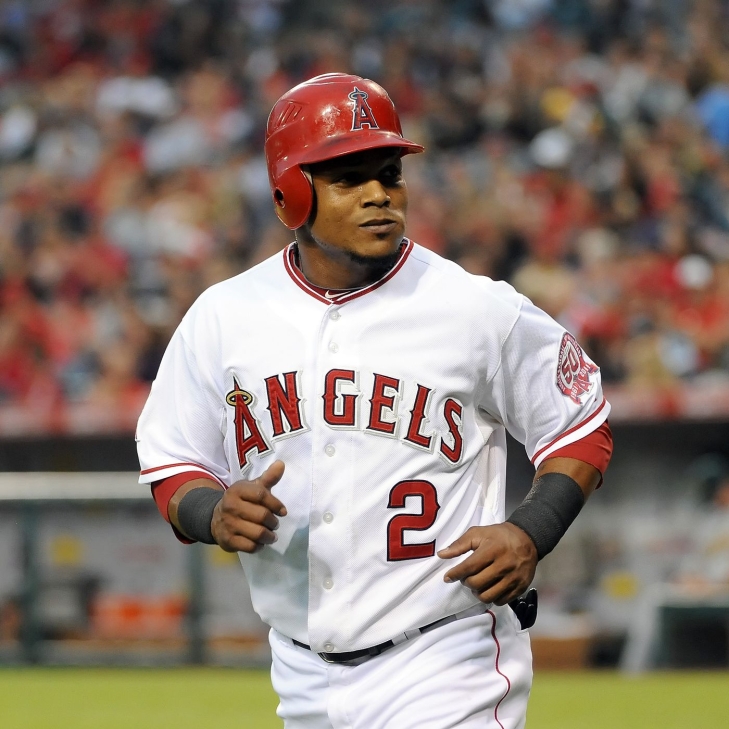
An amateur free agent in 2002, Erick Aybar was a switch-hitting shortstop who would eventually become one of the most reliable fixtures in the middle of the Angels' infield.
Debuting in 2006, Aybar spent several seasons as a versatile defensive asset before securing the full-time starting role. In the 2011 campaign, he demonstrated a specialized ability to lock down the infield by recording a career-high .980 fielding percentage, which earned him his first career Gold Glove Award. Offensively, Aybar had 30 stolen bases that year, but he had better seasons ahead.
The 2014 season represented the peak of Aybar's individual recognition. That summer, he recorded 164 hits and a career-high 68 RBIs, earning his lone All-Star selection while helping lead the club to a major league-best 98 wins.
While his career OBP often hovered near .315, Aybar’s overall impact was defined by his longevity and 1,223 hits in an Angels uniform. Traded in 2015 to Atlanta, Aybar batted .271 for the Halos.
17. Troy Percival
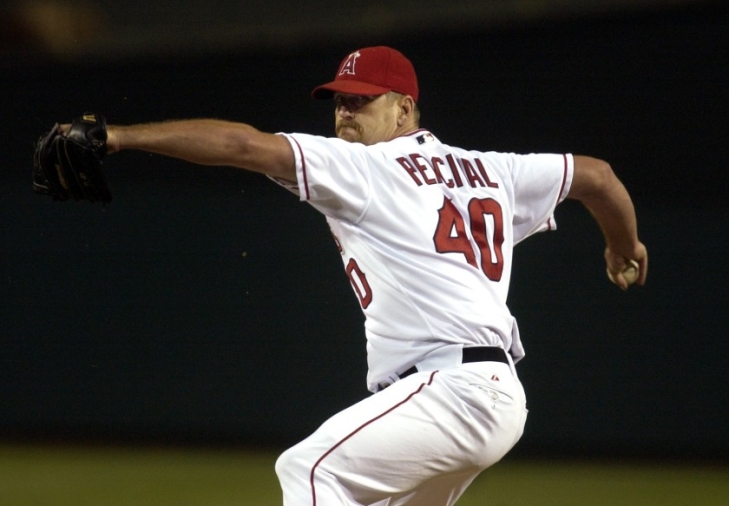
Troy Percival arrived in the California organization as a catcher before a historic transition during his minor league tenure. After coaches noticed his return throws to the pitcher were faster than the pitches he was receiving, he moved to the mound and quickly climbed the ranks. He debuted in 1995 as a primary setup man for Lee Smith, delivering a dominant 1.95 ERA and 94 strikeouts in 74 innings, which earned him a fourth-place finish in the American League Rookie of the Year voting.
Percival took over the closer role in 1996 and immediately established a standard of high-frequency success in high-pressure situations. He recorded 36 saves and struck out 100 batters in his first year as the stopper, earning the first of four All-Star selections. For nearly a decade, he served as a foundational piece of the bullpen, recording at least 30 saves in seven of his eight full seasons as the closer. He reached a statistical peak in 1998 with a career-high 42 saves, proving that his mid-90s fastball and aggressive approach were a tactical nightmare for opposing hitters.
The 2002 postseason represented the ultimate punctuation of Percival's career in Anaheim. During the club's run to its first championship, he demonstrated a focused intensity by going a perfect 7-for-7 in save opportunities, tying a then-Major League record for saves in a single postseason. He was on the mound for the final out of the World Series, inducing a flyout from Kenny Lofton to secure the title. While he continued to produce at a high level through 2004, a degenerative hip condition began to alter his delivery and slightly sap his velocity, signaling a transition point for the Angels' bullpen.
Percival departed for Detroit in free agency, leaving behind 316 saves in an Angels uniform.
20. Rod Carew
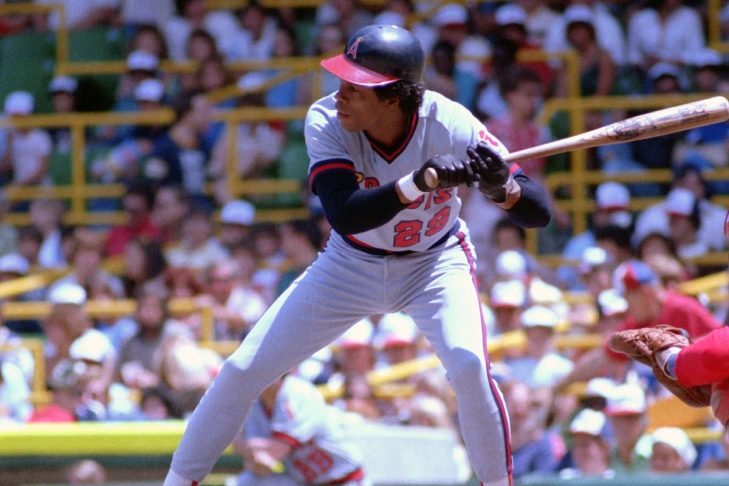
Rod Carew arrived in the California organization via a blockbuster trade in early 1979, bringing a legendary resume that included seven batting titles and a league MVP. While he had already established himself as a generational icon in Minnesota, he proved that his scientific approach to hitting was not dependent on his surroundings.
In 1979 and 1983, he batted over .300 each season and maintained an on-base percentage north of .380. He showed the organization he was a foundational professional by earning an All-Star selection in every one of his first six seasons with the club, helping lead the Angels to their first two American League West titles in 1979 and 1982.
The 1985 campaign provided the ultimate punctuation for his historic career. On August 4th, against his former club in Minnesota, Carew recorded his 3,000th career hit, a line-drive single that cemented his status among the game's immortal hitters. Overall, as an Angel, Carew compiled 968 hits, a .314 average, and earned six All-Star selections.
22. Chone Figgins
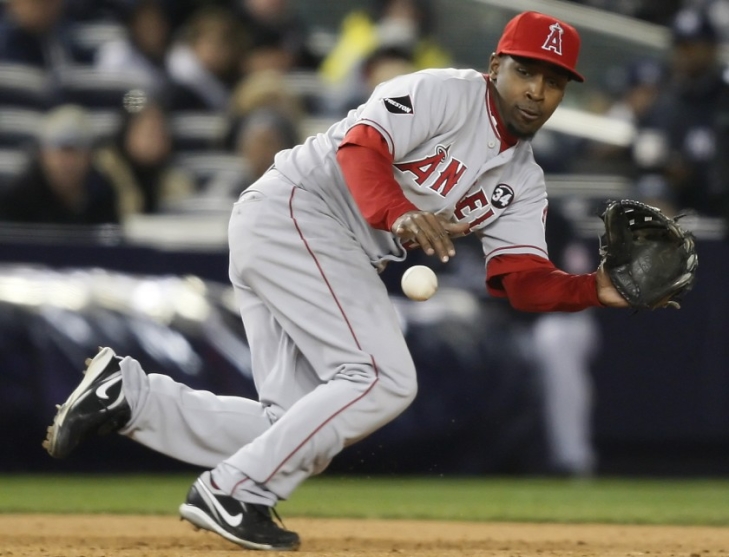
Chone Figgins arrived in the California organization via a July 2001 trade with the Colorado Rockies, a move that sent veteran outfielder Kimera Bartee to Denver. While he was drafted as a middle infielder, Figgins’ elite athleticism allowed him to become one of the most versatile weapons in franchise history.
Figgins first demonstrated his ability to impact winning as a high-speed specialist during the 2002 postseason. Called up as a late-season weapon, he appeared in 15 regular-season games before becoming an asset on the basepaths during the Angels' run to their first World Series title. Figgins transitioned to a full-time role in 2004, where he batted .296 and recorded a career-high 17 triples. This breakout served as the lead-in to 2005, where he evolved into the premier base-stealer in the sport, leading the major leagues with 62 stolen bases and finishing in the top 15 of the MVP voting.
In 2009, he demonstrated a specialized ability to manufacture runs by leading the American League with 101 walks and recording a career-high 183 hits. He showed the organization he was a foundational star by earning his lone All-Star selection and finishing tenth in the AL MVP race. Throughout this period, he maintained a reputation for defensive versatility, logging significant time at third base, second base, and all three outfield positions while recording 30 or more stolen bases for six consecutive seasons.
Figgins signed a four-year contract with the Seattle Mariners in 2009, leaving behind 1,045 hits, a franchise-record 280 stolen bases, and the 2002 World Series title.
18. Howie Kendrick
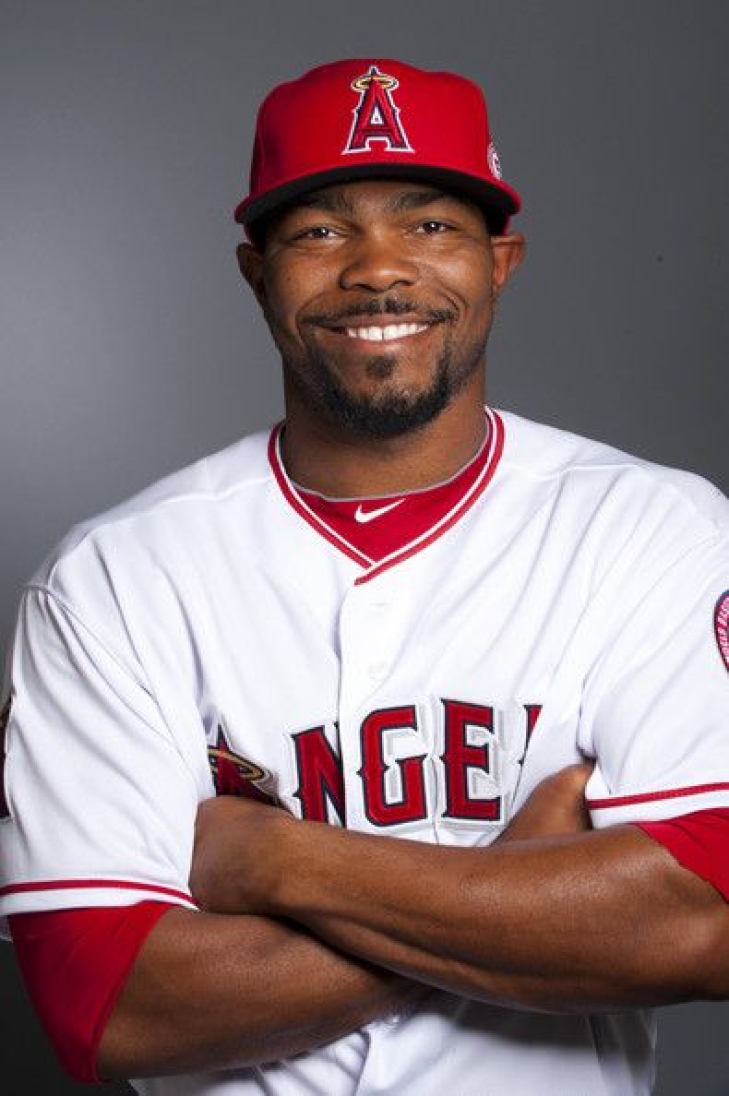
A 10th-round pick in 2002, Howie Kendrick was a contact-first specialist whose minor league averages were so high they bordered on the mythical. After destroying Triple-A pitching, he debuted in 2006 and immediately demonstrated the smooth, line-drive swing that would define his decade-long stay in Anaheim.
During the 2011 campaign, he recorded a career-high 18 home runs and earned his lone All-Star selection while maintaining a .285 batting average. He showed the organization he was a foundational star by providing versatile defense across the diamond, appearing at first base and in the outfield as needed, though he remained the primary fixture at second base.
Between 2012 and 2014, Kendrick demonstrated a specialized ability to drive the ball into the gaps, recording at least 30 doubles in back-to-back seasons. He became a statistical outlier in 2014, recording a career-high 181 hits and batting .293, helping lead the club to a league-best 98 wins. While he never captured a Gold Glove, he provided the tactical flexibility the club required,
In December 2014, a move driven by the Angels' desire to acquire young pitching in Andrew Heaney led to Kendrick being traded to the crosstown Dodgers. Kendrick compiled 1,204 hits and a .292 average with the Halos.
13. Garret Anderson
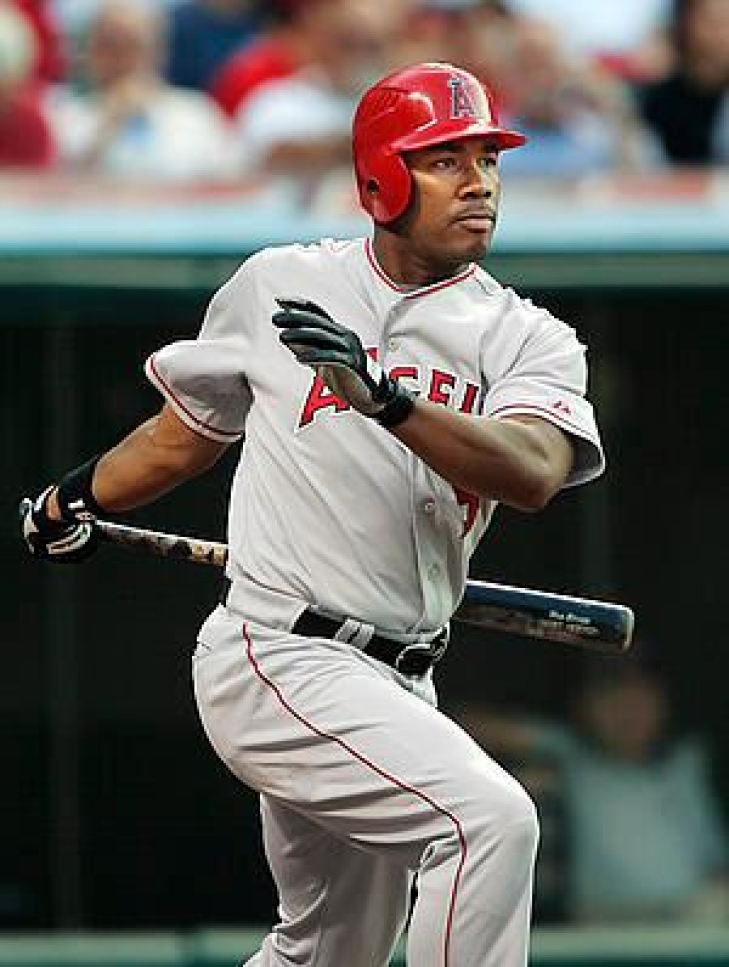
Garret Anderson emerged as the most durable fixture in the history of the Anaheim outfield, a 1990 draft pick who transformed from a quiet prospect into the franchise’s most prolific run-producer. After a brief introduction to the big leagues in 1994, he secured the starting role in left field and immediately proved his worth by finishing as the runner-up for the 1995 American League Rookie of the Year. For fifteen seasons, he anchored the lineup that thrived on his short, effortless left-handed stroke.
Anderson’s journey in a California uniform reached a historic peak during the 2002 and 2003 campaigns. As the club marched toward its first World Series title, he emerged as a premier American League standout, earning his first All-Star selection and a Silver Slugger Award in 2002. That summer, he demonstrated a specialized ability to drive the ball into the gaps, leading the league with 56 doubles while finishing fourth in the MVP voting. He showed the organization that he was a foundational piece of a championship core, providing the high-velocity production of 123 RBIs and 29 home runs in the heart of the "Thundersticks" order.
Between 2000 and 2003, Anderson was a constant presence at the top of the leaderboards, recording four straight seasons with at least 28 home runs and 116 RBIs. He possessed a focused intensity that allowed him to maintain a batting average over .300 for three consecutive years during that span, becoming a perennial fixture at the mid-summer classic. Despite a low-walk approach that impacted his overall efficiency, he remained a model of reliability, eventually setting franchise records for hits, runs, and RBIs.
In 2008, Anderson moved on to Atlanta as a free agent. He left behind a statistical footprint that remains unmatched in the team’s record books: 2,368 hits, 272 home runs, and 1,292 RBIs. In 2016, he was inducted into the Angels Hall of Fame.
10. Brian Downing
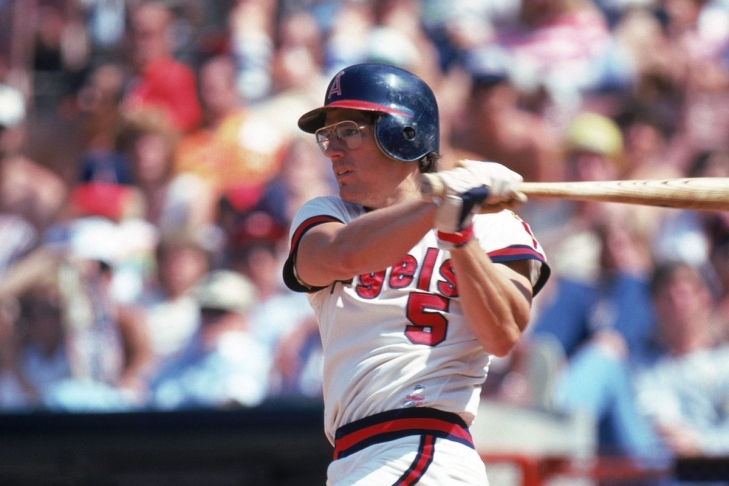
Brian Downing became a central figure in the evolution of the Angels, transforming from a defensive-minded catcher into one of the most feared power-leadoff hitters in the American League. Acquired from the Chicago White Sox in a multi-player trade following the 1977 season, he arrived in Anaheim and immediately reimagined his career through a specialized weight-training regimen and a distinctive open batting stance. An Angel for thirteen seasons, "The Incredible Hulk" helped propel the Angels to their first three playoff appearances.
In his second year with the club, he secured his only All-Star selection by batting a career-high .326 and leading the Angels to their first-ever division title. This initial splash signaled a transition from a marginal regular to a premier league force that specialized in the art of the base hit
Following a serious ankle injury in 1980, Downing moved away from the catcher position, a change that allowed his offensive efficiency to reach a different level. Between 1982 and 1990, he was a statistical force of reliability, launching at least 14 home runs in nine consecutive seasons and twice surpassing 100 runs scored. He reached a career peak for plate discipline during the 1987 season, where he blasted 29 home runs and led the American League with 106 walks. Despite the physical toll of his high-effort style, which famously included a record-setting 105 hit-by-pitches as an Angel, he remained a model of resilience, eventually recording 1,588 hits and 22 homers in a California uniform.
In 1990, Downing signed with the Texas Rangers as a free agent, and in 2009, he was inducted into the Angels Hall of Fame.
12. Darin Erstad
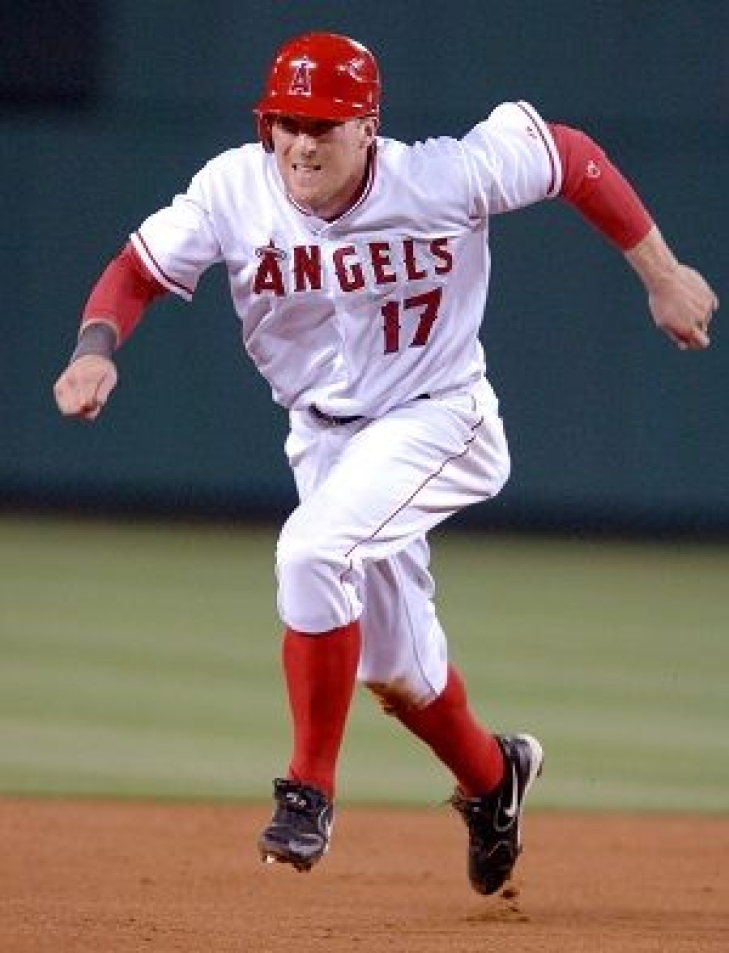
Darin Erstad joined the Anaheim organization as the first overall pick in 1995, a decorated athlete from Nebraska. Debuting just a year later, he functioned as the initial building block for a culture that would eventually define the team's greatest era. For eleven seasons, he covered the grass at Angel Stadium with a high-velocity, reckless style of play that made him the heartbeat of the roster.
Erstad’s impact in a California uniform reached a historic peak during the 2000 campaign, following an early taste of stardom with his first All-Star selection in 1998. That summer, he transitioned into a premier American League force by recording a staggering 240 hits, a franchise record and the highest total in the league that season. He demonstrated a specialized ability to handle any pitch, finishing with a .355 average, 25 home runs, and 100 RBIs. He showed the organization that he was a foundational piece of the lineup, earning his second All-Star nod and finishing eighth in the MVP voting by providing the production required of a modern leadoff threat.
The bulk of his Anaheim years were characterized by elite defensive versatility and a reputation for big-game production. Between 2000 and 2004, Erstad was a statistical force of reliability, becoming the first player in history to win Gold Gloves as both an outfielder and a first baseman. He reached a career peak for high-stakes value during the 2002 postseason, where he recorded 25 hits, including a crucial home run in Game 7 of the World Series, to help secure the first championship in team history. Despite the physical toll of his aggressive, dirt-stained style of play, he remained a model of resilience, recording 170 stolen bases and over 1,500 hits in a Halo uniform after departing for the Chicago White Sox in 2007.
30. Andrelton Simmons
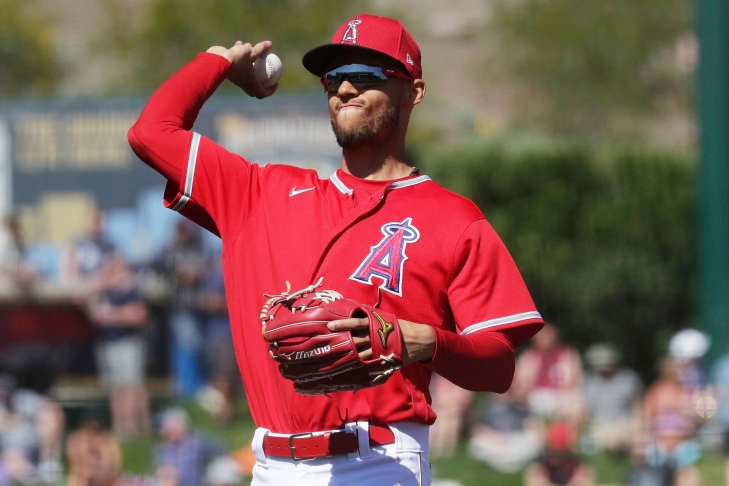
An Atlanta Brave for the first four years of his career, Andrelton Simmons arrived in the Anaheim organization via a high-profile November 2015 trade, a transaction designed to give the Angels the most specialized defensive anchor in the sport. Already a human highlight reel in the National League, Simmons brought a foundational level of run prevention to the shortstop position that redefined the team’s defensive floor.
After a solid 2016, Simmons had a defensive season for the ages. That summer, he demonstrated a specialized ability to turn impossible plays into routine outs, leading the American League with a staggering 5.2 defensive bWAR. He combined that glove work with the best offensive year of his career, recording 164 hits and a career-best .278 average. This excellence earned him an eighth-place finish in the MVP voting and his first of two consecutive Gold Gloves in an Angels uniform.
Between 2017 and 2018, he secured back-to-back Wilson Defensive Player of the Year Awards, proving to be a localized vacuum on the left side of the infield. His 12.1 defensive bWAR over just five seasons reflected a surgical impact that few players in franchise history have ever matched, essentially serving as a second "ace" for the pitching staff through his range alone.
Simmons’ career slowed during the shortened 2020 season due to ankle injuries, and he left Orange County for Minnesota as a free agent. With the Angels, Simmons had 592 hits, two Gold Gloves, and a 12.1 dWAR.
7. Jim Fregosi
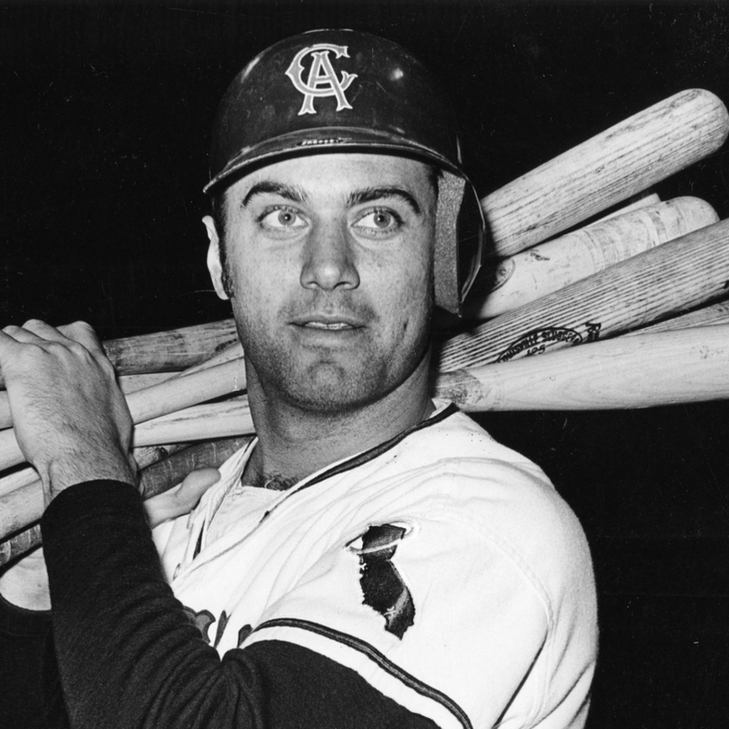
Jim Fregosi arrived in the Angels system as a byproduct of expansion, a young shortstop plucked from the Red Sox who would eventually become the definitive face of the franchise’s first decade. During an era when the team struggled to find its footing in the American League, Fregosi provided a rare combination of defensive stability and offensive punch.
Fregosi’s rise in California began almost as soon as the team took the field in 1961. By 1963, he had secured his place as the everyday shortstop, proving that he could handle the rigors of the position while contributing significantly at the plate. He reached a career-defining breakout during the mid-sixties, a stretch where he became a perennial fixture in the Midsummer Classic. Between 1963 and 1970, he recorded at least 140 hits every single season, signaling his transition from an expansion draft pick to a bona fide league leader.
In 1967, Fregosi earned his fifth All-Star selection, captured a Gold Glove for his defense, and finished seventh in the American League MVP voting. With 171 hits and a .290 average, he showed the organization that a shortstop could be a primary offensive engine, often providing double-digit home run power in an era where middle infielders were expected to be defensive specialists. He earned MVP votes in eight consecutive seasons, a high-frequency recognition of his value as the team’s most reliable asset.
Following the 1971 season, the Angels traded their captain to the New York Mets in a blockbuster deal. While Fregosi struggled to regain his form in New York, the trade famously brought Nolan Ryan to California, a move that shifted the franchise's trajectory. He left Anaheim with 1,408 hits and 115 home runs, a statistical footprint that made him the club’s all-time leader in nearly every major category at the time of his departure.
Fregosi returned as the team’s manager from 1978 to 1981, guiding the club to its first-ever division title in 1979. The organization recognized his enduring legacy in 1989 by making him the second player ever inducted into the Angels Hall of Fame, eventually retiring his number 11 nearly a decade later.
