

Notinhalloffame List Update: 176-200 on Football Revised
The problem with running a Hall of Fame-related website is that many of the big ones we cover all have announcements within months of each other. The backbone of what we do is list-related, resulting in a long push to revise what we already have, specifically now with our Football and Basketball Lists.
At present, we have a minor update as we have completed the next twenty-five of the 2024 Football List, which you can comment on and vote on:
The new 176 to 200:
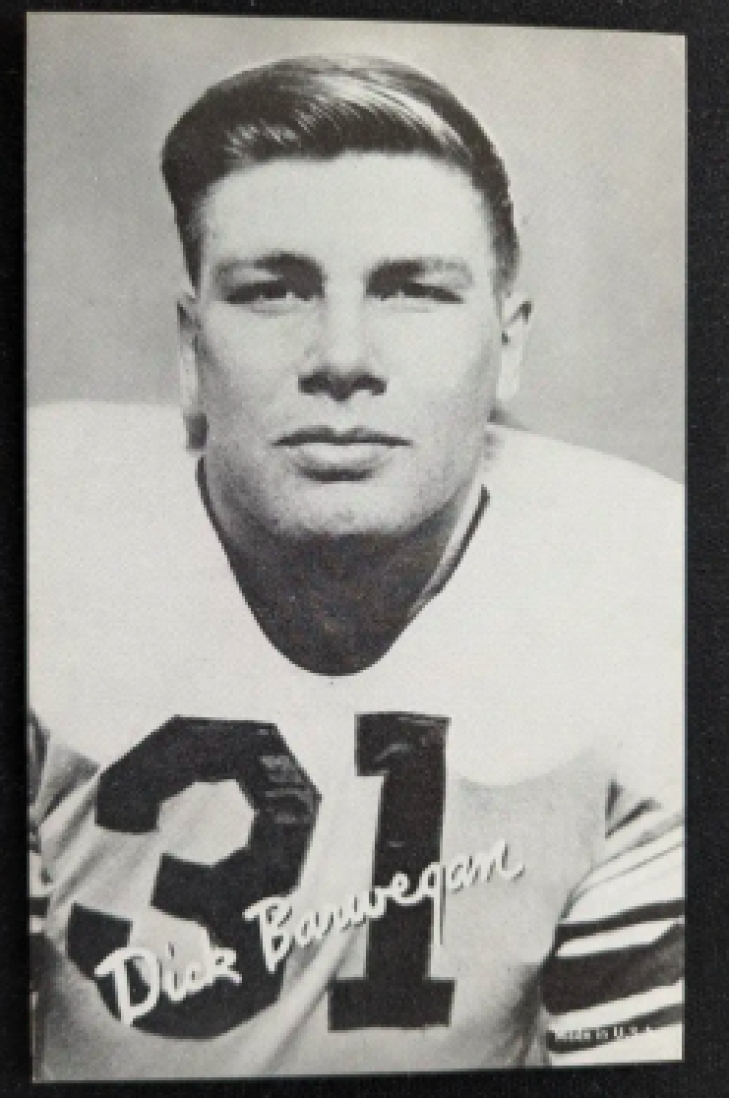
176. Dick Barwegan
177. Charley Hennigan
178. Cornell Green
179. Charley Brock
180. Bob Baumhower
161. Tank Younger
182. Buford “Baby” Ray
183. Bob Hoernschemeyer
184. Asante Samuel
185. Rich Jackson
186. Jim Katcavage
187. Matt Blair
188. Ken Kavanaugh
189. Abe Woodson
190. Nate Newton
191. Tom Sestak
192. Bill Forester
193. Brian Waters
194. Tim McDonald
195. Don Perkins
196. Steven Jackson
197. Jim Lachey
198. Brandon Marshall
198. Butch Byrd
199. Frank Minnifield
200. Dave Krieg
Rankings are impacted annually based on your comments and votes.
Thank you all for your patience. We will soon unveil more changes to the football and basketball lists.
28. Frank Minnifield
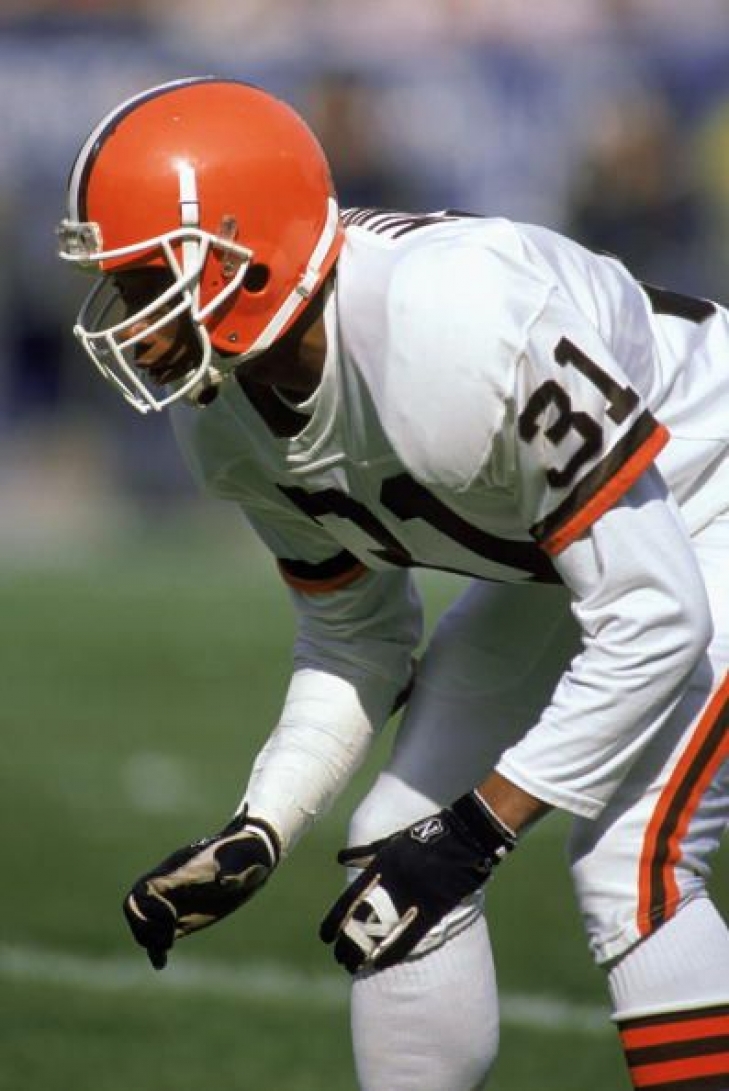
Frank Minnifield, initially overlooked by NFL teams from Louisville, took an unconventional path to professional football. He began in the USFL with the Chicago Blitz and Arizona Wranglers, demonstrating early on that his 5-foot-9 stature did not hinder his ability to excel in pass defense. During contract disputes, Minnifield filed and won a lawsuit against the USFL, which nullified his contract and allowed him to sign with Cleveland as a free agent in 1984.
The Browns put him on the field right away, and Minnifield responded with an All-Rookie campaign at cornerback. Playing with an ultra-physical, press-man style, he made up for his modest stature with fiery aggression, incredible leaping ability, and a willingness to deliver bone-jarring hits on boundary receivers and ball carriers alike.
By 1986, Minnifield had become a household name, earning four consecutive Pro Bowl selections from 1986 to 1989. Alongside Hanford Dixon on the opposite side, they formed the league's top cornerback duo. Defensive coordinator Marty Schottenheimer often relied on single coverage for both, freeing the front seven to focus on stopping the run. Minnifield’s career peaked in 1988 when he received First-Team All-Pro honors, with Second-Team All-Pro recognition in 1987 and 1989.
Alongside Dixon, Minnifield helped birth a franchise identity when the two began barking at their defensive teammates during training camp drills. That energy spilled directly into the bleachers at Municipal Stadium, creating the legendary "Dawg Pound" culture that remains the heart and soul of the fan base to this day.
A severe knee injury limited Minnifield to just seven games in 1990, stripping away some of his signature suddenness. He fought through injuries over his final two campaigns, serving as a respected veteran leader before hanging up his pads after the 1992 season.
Across nine seasons spent entirely in Cleveland (1984–1992), Minnifield picked off 20 passes and recovered seven fumbles. The team named him a Cleveland Browns Legend in 2005.
212. Frank Minnifield
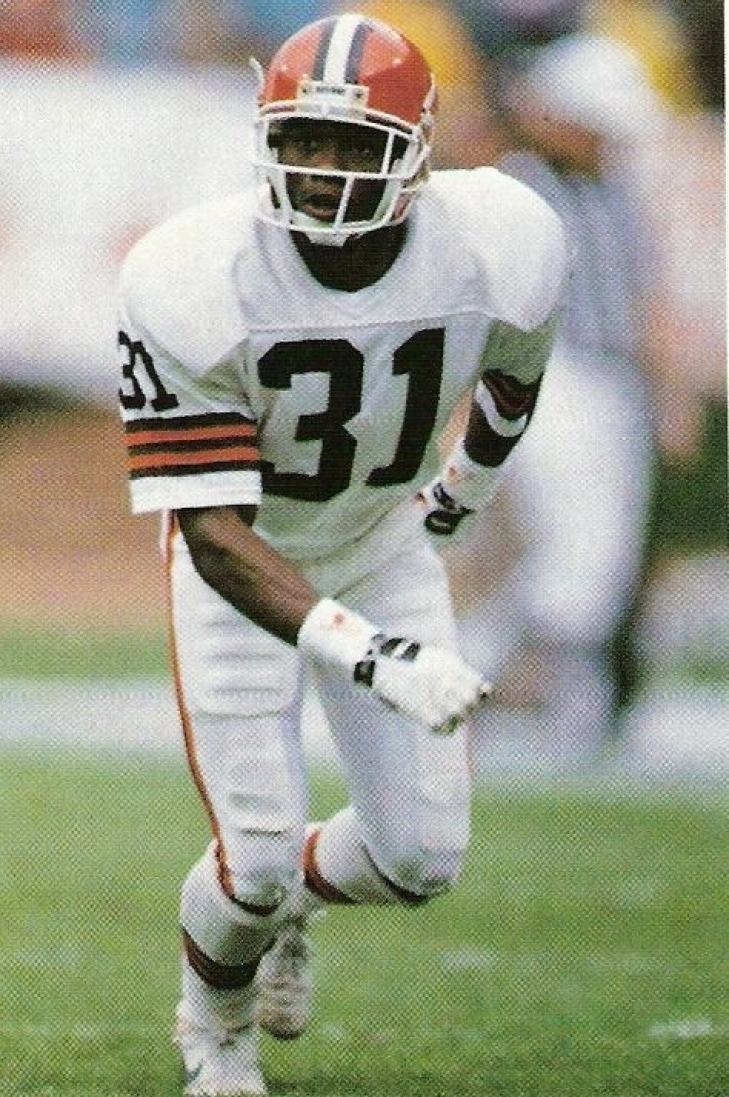
Undrafted out of Louisville, Frank Minnifield quickly found a home in the USFL, where he briefly played for the Chicago Blitz and the Arizona Wranglers before suing his way out of the league to play for the Cleveland Browns.
Minnifield blossomed into one of the best Cornerbacks in the NFL in the second half of the 1980s, earning Pro Bowl Selections each year from 1986 to 1989. A First Team All-Pro in 1988, Minnifield anchored a strong Cleveland Secondary, but perhaps his most significant contribution was coining the term “Dawg Pound” along with fellow Browns Corner, Hanford Dixon. That alone is Hall of Fame-worthy in the eyes of many on the North Coast.
