

Notinhalloffame List Update: 301-325 on Football Revised
The problem with running a Hall of Fame-related website is that many of the big ones we cover all have announcements within months of each other. The backbone of what we do is list-related, resulting in a long push to revise what we already have, specifically now with our Football and Basketball Lists.
At present, we have a minor update as we have completed the next twenty-five of the 2024 Football List, which will expand to 400, and you can comment on and vote on:
The new 301 to 325:
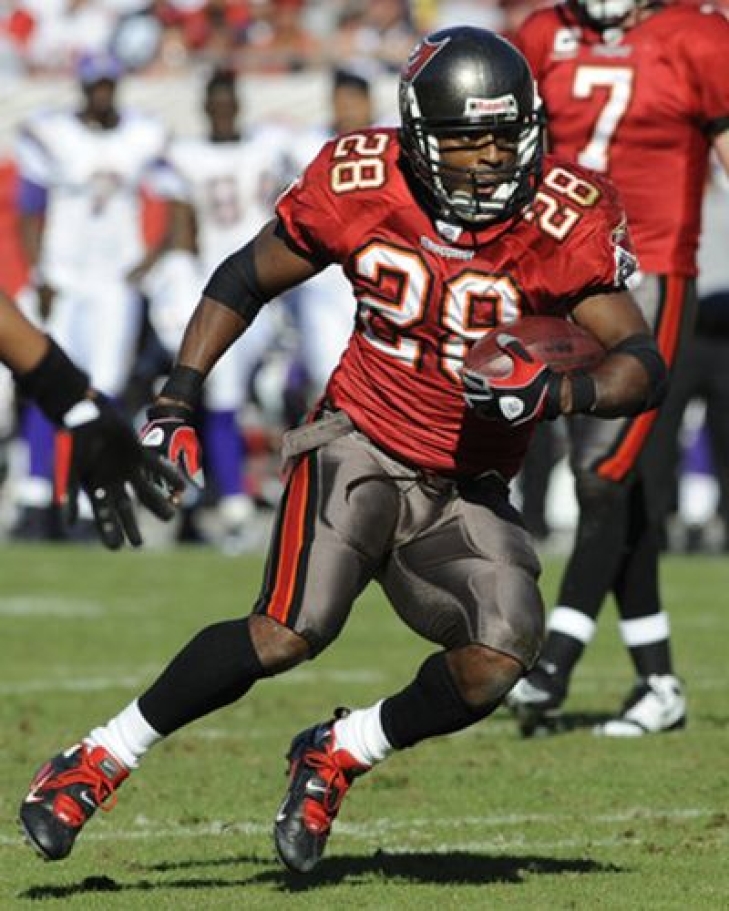
301. Warrick Dunn
302. Levon Kirkland
303. Roddy White
304. Lou Rymkus
305. Kyle Williams
306. Willie Galimore
307. Keith Lincoln
308. Jerry Norton
309. Bobby Walston
310. Sherrill Headrick
311. Wayne Walker
312. Ryan Kalil*
313. Julian Peterson
314. Casey Hampton
315. Vic Sears
316. Swede Youngstrom
317. Ron McDole
318. Daryl Johnston
319. Nnamdi Asomugha
320. Bob Talamini
321. Sam Madison
322. Wesley Walls
323. Gaynell Tinsley
324. Jack Ferrante
325. Bubba Baker
*Denotes First Year of Eligibility.
Rankings are impacted annually based on your comments and votes.
Thank you all for your patience. We will soon unveil more changes to the football, basketball and hockey lists.
301. Daryl Johnston
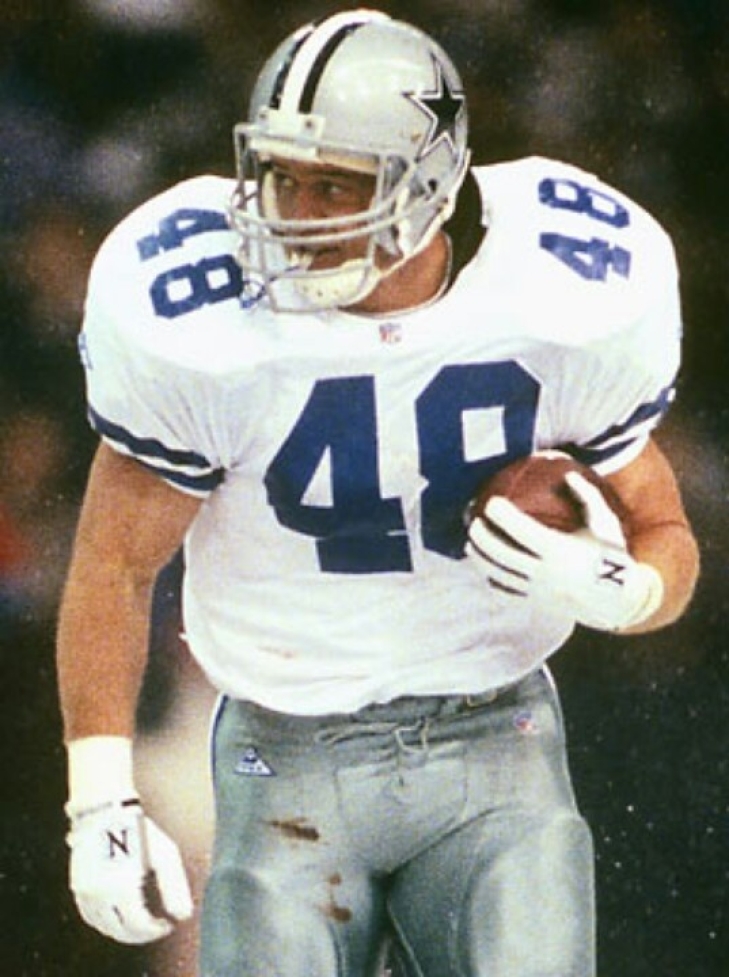
An All-American at Syracuse, Daryl Johnston became the “Moose” in Big D when Dallas chose him with their Second Round Pick in 1989.
Johnston was listed as a Fullback/Running Back, but he was mostly a blocker and had far more yardage as a receiver. Paving the way for Emmitt Smith, Johnston was integral in Dallas’s three Super Bowls in the early 1990s dynasty, and he parlayed that popularity into a broadcasting and executive career.
Johnston is never in the Pro Football Hall of Fame conversation, but to Cowboy Nation, he was a legend. Many non-Cowboys fans will say the same.
46. Daryl Johnston
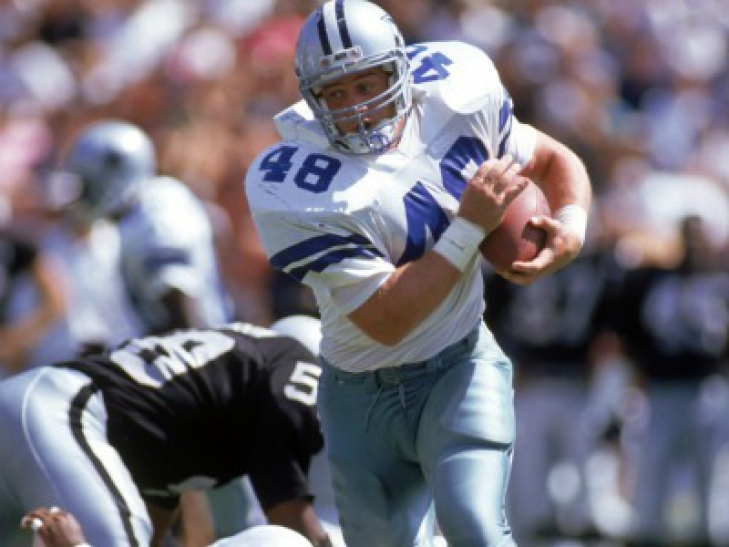
Long before the fullback position was largely erased from modern NFL playbooks, Daryl Johnston turned lead-blocking into an art form. Selected in the second round out of Syracuse in 1989, the 6-foot-2, 240-pound bruiser arrived in Big D just as Jimmy Johnson was laying the groundwork for a dynasty. It didn't take long for Texas Stadium to embrace him, as booming, deep chants of "Mooooose" echoed through the stands every time he leveled an incoming linebacker.
While Johnston was a capable runner and receiver in his own right, his true greatness lay in his selflessness as the lead blocker for Emmitt Smith. Paving highway-wide lanes through stacked defenses, Johnston served as the physical battering ram that allowed Smith to systematically dismantle opponents on his way to becoming the NFL’s all-time rushing leader. Smith frequently singled out Johnston as the unsung key to his record-breaking success, famously requesting that Moose join him on stage during his Hall of Fame induction.
Beyond his devastating lead-blocking duties, Johnston gave Troy Aikman an incredibly reliable third-down option out of the backfield. Equipped with soft hands and a high football IQ, he hauled in 294 career passes, keeping drives alive with clutch short-yardage conversions and outlet receptions under pressure.
Johnston was an indispensable pillar of the Cowboys’ 1990s glory years, capturing three Super Bowl titles (XXVII, XXVIII, XXX) while earning Pro Bowl selections in 1993 and 1994. In fact, his unique dominance at the position forced the NFL to officially create a dedicated fullback slot on the Pro Bowl ballot, ensuring true lead-blockers received proper recognition.
A persistent neck injury sidelined Johnston late in his career, ultimately forcing him to hang up his cleats following the 1999 season. As the NFL increasingly phased out traditional fullbacks in favor of spread formations and single-back sets in the years that followed, Johnston stood as one of the final, magnificent enforcers of a bygone gridiron era.
Johnston accumulated 2,227 receiving yards, 753 rushing yards, and 22 total touchdowns (14 receiving, eight rushing).
