


Committee Chairman
16. Gary Garrison
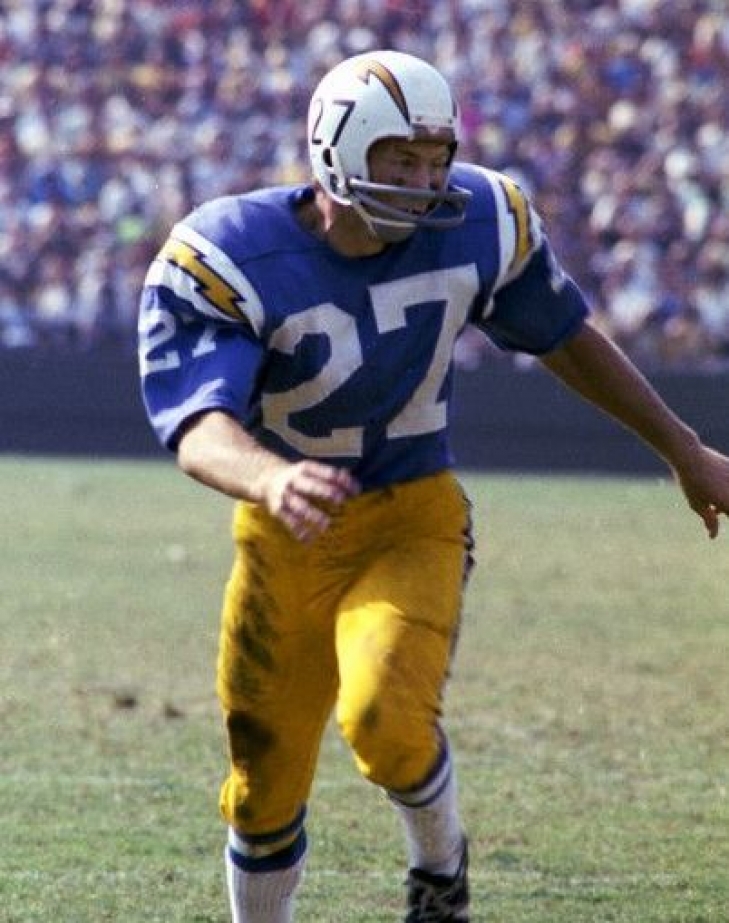
Playing his college ball at San Diego State, Gary Garrison was one of the many players in the 1960s who was drafted in both the National Football League and American Football League. Garrison stayed in San Diego, joining the Chargers, who drafted him instead of Philadelphia of the NFL.
15. Doug Wilkerson
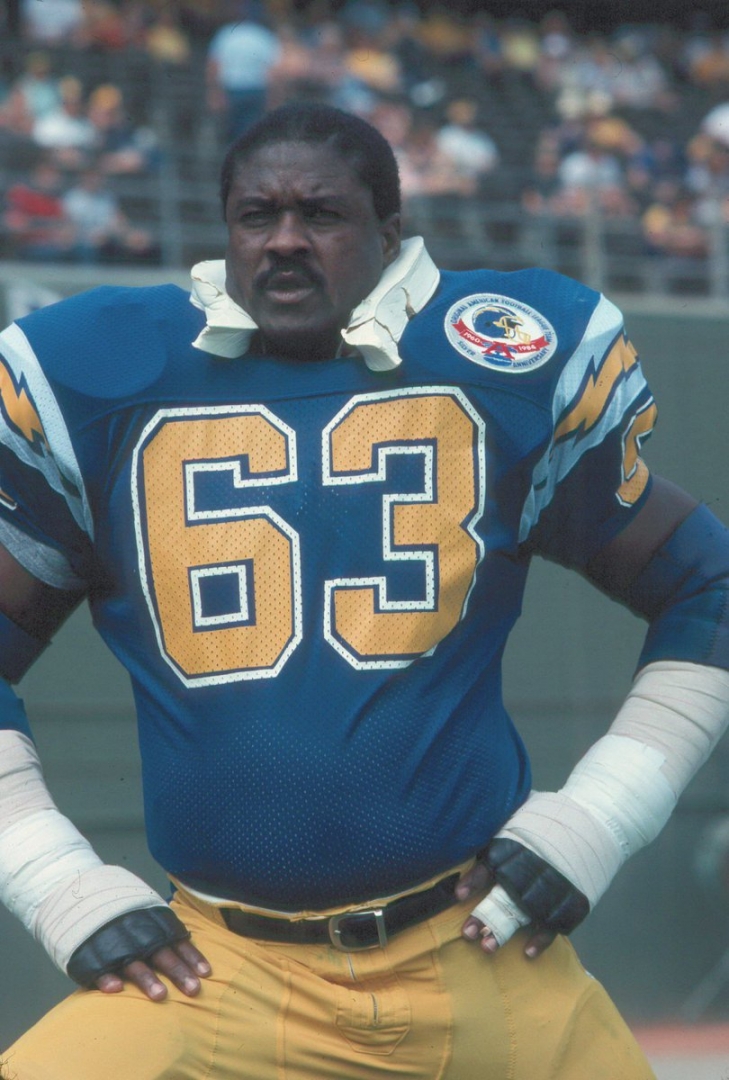
After playing his rookie season with the Houston Oilers, Doug Wilkerson was traded to the San Diego Chargers for Tight End, Willie Frazier. Frazier had been a two-time AFL All-Star for the Chargers, but his best days were behind him. Wilkerson went on to play 14 years for San Diego.
14. Leslie O'Neal
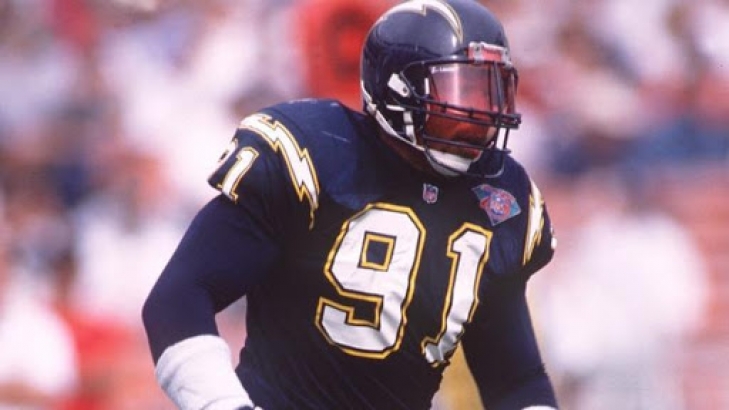
Drafted eighth overall in the 1986 NFL Draft out of Oklahoma State—where he was a two-time consensus All-American—Leslie O'Neal immediately delivered one of the most explosive introductory stretches by a pass rusher in league history. Stepping into the starting lineup for the San Diego Chargers, he terrorized opposing backfields right out of the gate, compiling an astonishing 12.5 sacks in his first 13 professional games to capture AP Defensive Rookie of the Year honors and earn a spot on the PFWA All-Rookie Team.
However, what promised to be a legendary rookie campaign turned tragic in Week 14 against St. Louis, when O'Neal suffered a devastating knee injury that tore multiple ligaments. The severe damage forced him into a grueling rehabilitation process that stripped away his entire 1987 season and kept him sidelined for the first half of 1988.
After returning full-time, O'Neal shifted to outside linebacker and rewarded San Diego's patience in 1989 with an explosive full-season comeback. With his trademark burst off the edge, he racked up 12.5 sacks and earned his first Pro Bowl selection, instantly reaffirming his place among the game's premier defenders.
Moving back to his natural defensive end spot in 1992, O'Neal kicked off a dominant four-year run of Pro Bowl selections from 1992 through 1995. He reached double-digit sacks in five distinct seasons for the Bolts, headlined by a career-high 17.0 sacks in 1992 that co-led the entire NFL. In 1994, he anchored a fierce defensive unit that carried San Diego to an AFC Championship and the franchise's first Super Bowl appearance (Super Bowl XXIX).
Following nine active seasons in Southern California, O'Neal departed in 1996 for St. Louis, playing two years with the Rams and spending his final two seasons with the Kansas City Chiefs. He retired with 132.5 career sacks, tied for 14th on the NFL's all-time official leaderboard. In 2014, the Chargers formally enshrined his legendary status by inducting him into the Chargers Hall of Fame. With the Chargers, O’Neal compiled 105.5 sacks (franchise record), 517 combined tackles, 22 forced fumbles, and 13 fumble recoveries.
13. Russ Washington
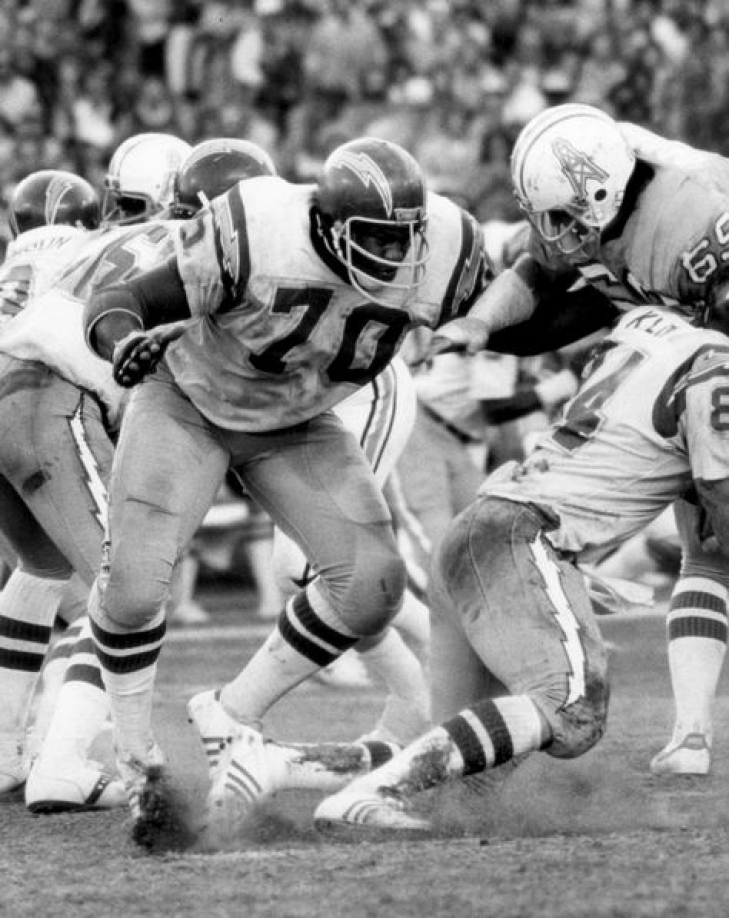
Selected fourth overall in the 1968 AFL Draft out of Missouri—where he was a standout lineman and Big Eight Player of the Year—Russ Washington arrived in San Diego, expected to anchor the defensive front. Standing 6-foot-6 and weighing nearly 300 pounds, he lined up primarily at defensive tackle during his first two seasons and earned AFL All-Rookie Team honors. However, a position switch in his third year altered the trajectory of both his career and the franchise's offensive line.
Moving to right tackle in 1970, Washington found his true calling as an impenetrable pass blocker. Opponents quickly dubbed him "Mt. Washington" due to his massive frame, low center of gravity, and immovable base. Pass rushers couldn’t drive through him or get around his long reach. His insertion at right tackle gave signal-callers like John Hadl and later Dan Fouts an absolute wall on the edge, creating the deep pockets Sid Gillman and Don Coryell needed to stretch defenses downfield.
Washington’s dominance at tackle earned him national acclaim across multiple coaching eras. He was selected to five Pro Bowls (1974, 1975, 1977, 1978, and 1979) and earned First-Team All-Pro honors from the NEA in 1974, along with multiple Second-Team All-Pro recognitions. When Coryell unleashed the historic "Air Coryell" passing offense in the late 1970s, Washington and left tackle Doug Wilkerson held down the edges, allowing Fouts to drop back and rewrite the NFL passing records.
Beyond his individual accolades, Washington was an absolute pillar of durability. Over 15 seasons in San Diego, he played in 200 regular-season games, starting 196. He anchored the line through 148 consecutive games at one point, serving as an indisputable team leader during San Diego's back-to-back AFC Championship Game appearances in 1980 and 1981.
When Washington retired following the 1982 season, he held the franchise record for most games played in a Chargers uniform (a mark later passed by Junior Seau and Philip Rivers). His fifteen years of selfless, elite service were permanently recognized in 1995 when he was enshrined in the Chargers Hall of Fame.
