
Committee Chairman
High-Speed Entertainment: How NASCAR News Aligns with Canadian Gambling
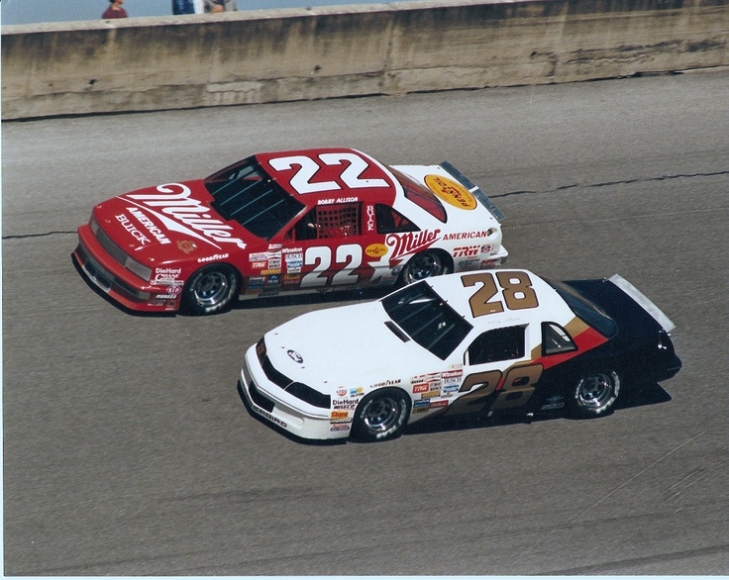
Hey there, racing enthusiasts and betting buffs! If you're looking for high-speed entertainment that perfectly aligns with the thrill of Canadian gambling, then you're in for a treat.
In this article, we're going to explore the exciting world of NASCAR news and how it connects with the adrenaline-pumping action of online gambling Canada. So, fasten your seatbelts, because we're about to take you on a wild ride!
The NASCAR Buzz: More Than Just Racing
NASCAR, the National Association for Stock Car Auto Racing, is not just about cars zooming around tracks; it's a full-blown spectacle that brings fans together in the spirit of competition and excitement. From the roar of the engines to the nail-biting finishes, NASCAR delivers high-speed entertainment like no other.
But what does this have to do with Canadian gambling, you ask? Well, here's the deal: NASCAR events are not just races; they're opportunities to dive into the world of sports betting. Yes, you heard it right! You can place bets on your favorite drivers and teams, adding an extra layer of thrill to the races.
So, as you tune in to catch the latest NASCAR news, keep an eye out for odds and betting options that could turn your passion for racing into a chance to win big in the world of online gambling Canada.
Betting on the Fast Lane: NASCAR and Online Gambling Canada
Now, let's rev up the engines and talk about how NASCAR and online gambling Canada go hand in hand. With the rise of online sportsbooks and betting platforms, you can easily wager on NASCAR events from the comfort of your home or on the go.
Imagine this: You're watching a heated NASCAR race, and your favorite driver is neck and neck with their rival. The excitement is through the roof. Now, picture yourself placing a bet on your driver to win it all. Suddenly, every turn, every pit stop, and every strategic move becomes even more thrilling, as your money is on the line.
Online gambling Canada offers a range of options for NASCAR enthusiasts, including live betting, where you can adjust your bets during the race, and prop bets that let you wager on specific outcomes like the number of cautions or lead changes. It's like being in the driver's seat of your own betting adventure.
The Pit Stops of Betting Strategy: How to Maximize Your NASCAR Wagers
Now that we've delved into the exciting world of NASCAR and its synergy with Canadian gambling, it's time to discuss the art of betting strategy. Just like a pit crew fine-tunes a race car for peak performance, you need to fine-tune your betting approach to maximize your chances of success.
Betting on NASCAR isn't just about picking a driver and crossing your fingers; it's about understanding the nuances of the sport and making informed decisions.
One key strategy is to research the drivers and teams thoroughly. Take a deep dive into their past performances, track records, and recent form. Factors like track type, weather conditions, and the driver's history on specific tracks can all play a role in determining your bets.
Another important aspect of betting strategy is bankroll management. Set a budget for your NASCAR wagers and stick to it. Don't get carried away by the thrill of the race and bet more than you can afford to lose. Remember, it's a marathon, not a sprint.
Lastly, consider diversifying your bets. Instead of putting all your money on a single driver to win, explore different betting options. You can place bets on head-to-head matchups, top-three finishes, or even the number of lead changes during the race. Diversification can help spread your risk and increase your chances of coming out ahead.
The Allure of Live Betting: Real-Time Action and Instant Gratification
In the fast-paced world of NASCAR, sometimes you want your betting action to match the intensity of the race. That's where live betting comes into play. Live betting allows you to place wagers in real-time as the race unfolds, and it's an exhilarating way to stay engaged with the action.
With live betting, you can react to changing circumstances during the race. If your favored driver starts to make a strong move, you can seize the opportunity and place a bet on the spot. Conversely, if things aren't going as planned, you can adjust your bets accordingly.
One of the advantages of live betting is that it keeps you engaged throughout the entire race. It's like having a front-row seat to the excitement, with the added thrill of making split-second decisions. Just be sure to stay focused and avoid impulsive bets; remember, a well-thought-out strategy is still crucial even in the heat of the moment.
NASCAR Beyond the Track: Exploring Fan Culture and Traditions
While NASCAR races are the main attraction, there's a whole world of fan culture and traditions that add an extra layer of excitement to the experience. Whether you're watching from the stands or from the comfort of your home, embracing these traditions can make your NASCAR journey even more enjoyable.
Tailgating is a beloved NASCAR tradition that brings fans together for pre-race festivities. Pack your grill, cooler, and your favorite snacks and beverages, and join fellow fans for a parking lot party. It's a fantastic way to soak in the atmosphere and bond with fellow racing enthusiasts.
Another tradition worth exploring is collecting and trading die-cast model cars of your favorite drivers. These miniature replicas are highly detailed and prized by fans. It's a fun way to show your support and connect with other fans who share your driver loyalty.
In conclusion, NASCAR isn't just about betting and racing in the online gambling Canada. Rather, a rich tapestry of traditions and strategies makes the sport truly special. Whether you're fine-tuning your betting approach, diving into the thrill of live betting, or immersing yourself in fan culture, there's no shortage of excitement in NASCAR. So, gear up, get ready to place your bets, and enjoy the ride!
Join the Action: NASCAR News, Betting Tips, and More
As you dive into the world of NASCAR news and online gambling in Canada, remember that knowledge is power. Stay updated with the latest news about drivers, teams, and track conditions. Check out the best online casino Canada Reddit communities and forums to connect with fellow fans and get insider betting tips.
In conclusion, NASCAR isn't just about fast cars and adrenaline-pumping races; it's a thrilling avenue for Canadian gambling enthusiasts to bet on their favorite drivers and teams. So, rev up your excitement, place your bets, and get ready for a high-speed entertainment experience that's bound to keep you on the edge of your seat. Good luck, and may the odds be ever in your favor!
The Pro Football Hall of Fame Revisited Project: 1950 SEMI-FINAL VOTE
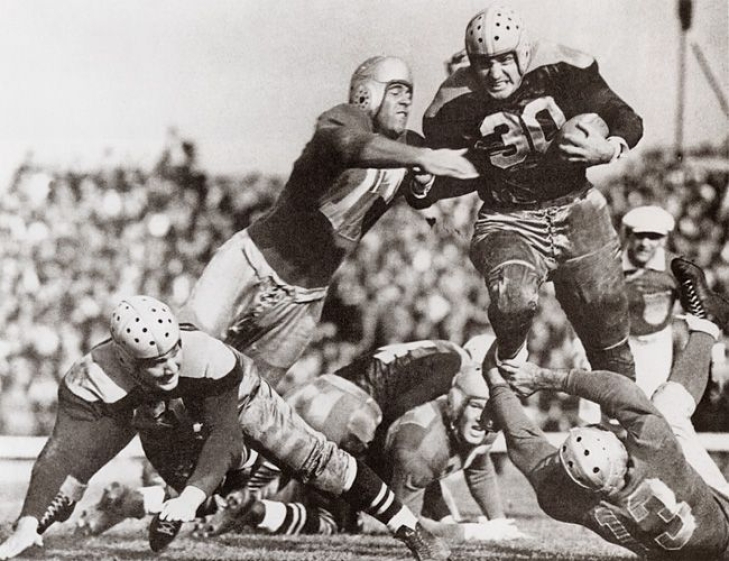
1950 SEMI-FINAL RESULTS:
Thank you for all of you who have participated in the Pro Football Hall of Fame Revisited Project, and if you are unaware of what that is, simply, we acted as if the PFHOF had their first class in January of 1946?
We have completed the first two years, where a Preliminary, Semi-Final and Final vote for the 1946 Class, which inducted two full classes
For “1950” a Preliminary Vote with 128 players whose playing career ended by 1943. We are also following the structure in that players have 20 years of eligibility, and if they do not make it into the Hall, they are relegated to the Senior Pool.
Each voter was asked to select 25 names from the preliminary list, with the top 25 vote getters named as Semi-Finalists.
A week later, the voters were asked to pick 15 names from the 25 Semi-Finalists, and next week, they will pick five from the remaining 15. We will continue this process weekly until we catch up to the current year.
30 Votes took place
This is for the “Modern Era”
Bold indicates they advanced to the Finals:
|
Player |
Year of Eligibility |
Vote Total |
|
Mike Michalske G-T-LB-BB |
8 |
27 |
|
Joe Guyon WB-TB-BB-FB |
18 |
24 |
|
Ray Flaherty E-DE |
10 |
24 |
|
Clark Hinkle FB-LB-HB-DB |
4 |
24 |
|
Verne Llewellen B |
13 |
23 |
|
Cliff Battles TB-FB-WB-DB |
8 |
23 |
|
Jimmy Conzelman HB-TB-BB-E |
16 |
20 |
|
Ox Emerson G-C |
7 |
19 |
|
Red Badgro E-DE |
9 |
18 |
|
Walt Kiesling G-T |
7 |
18 |
|
Bill Hewitt E-DE |
2 |
18 |
|
George Musso G-T |
1 |
18 |
|
Dutch Sternaman HB-QB-FB |
18 |
17 |
|
Tuffy Leemans FB-TB-DB-QB |
2 |
17 |
|
Steve Owen T-G |
12 |
16 |
|
Hunk Anderson G-C |
20 |
14 |
|
Swede Youngstrom G-T-E-C |
18 |
14 |
|
Cecil Isbell TB-HB |
3 |
13 |
|
Cub Buck T |
20 |
11 |
|
Turk Edwards T |
5 |
9 |
|
Pete Stinchcomb HB |
19 |
7 |
|
Beattie Feathers HB-WB |
5 |
7 |
|
Doc Alexander C-T-G-E |
18 |
6 |
|
Tony Latone B |
15 |
5 |
|
Whizzer White TB-HB |
4 |
5 |
This is for the “Senior Era”
*Bold indicates they advanced to the Finals:
|
Blondy Wallace |
5 |
20 |
|
Henry McDonald |
5 |
20 |
|
Gull Falcon |
5 |
19 |
|
Sol Butler |
5 |
13 |
|
Steamer Horning |
2 |
12 |
This is for the Coaches/Contributors
*Bold indicates they advanced to the Finals:
|
Bert Bell |
1 |
27 |
|
Joseph Carr |
1 |
20 |
|
Ralph Hay |
1 |
19 |
|
Jimmy Conzelman |
1 |
14 |
|
Charles Bidwell |
1 |
10 |
Next Saturday, we will be posting the results of the 1949 Finalists of the Pro Football Hall of Fame Revisited Project.
Thank you to all who contributed, and if you want to be a part of this project, please let us know!
Building Character on the Field: The Role of Sportsmanship in Education
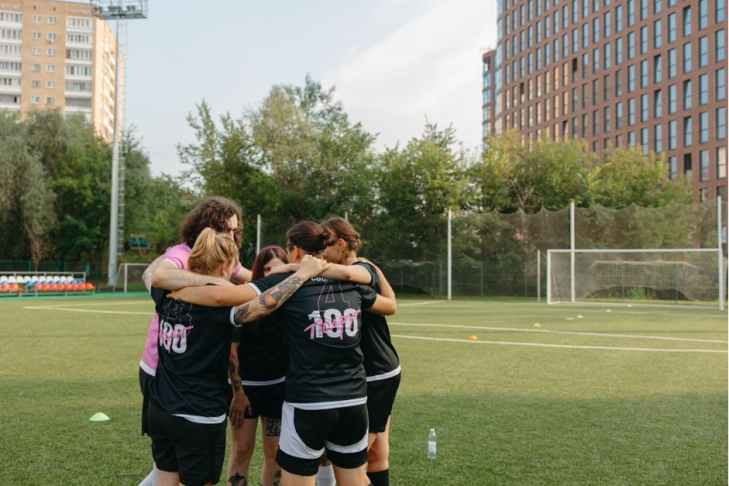
Sportsmanship is more than just cheering when you win or being sad when you lose. It is an important part of growing character, especially in the school setting. This piece will talk about how sportsmanship has a big effect on people, how important it is in school sports, and how it changes the learning experience off the field.
Introduction
1. What does "sportsmanship" mean?
Fair play, respect, and honesty in sports are at the heart of sportsmanship. It's not just about winning; it's also about how the game is played and the lessons that are taught.
2. Why building character is important in school
Education isn't just about doing well in school; it's also about building good character. Sportsmanship is a big part of this because it helps build traits like kindness, humility, and toughness.
3. The connection between being a good sport and learning
There is a strong link between good sportsmanship and knowledge. Players learn important lessons about life that apply to more than just the field. These lessons affect their academic journey and beyond.
How good sportsmanship affects people
1. Getting people to work together and as a team
Team games, in particular, show how important it is to work together. To work well with others in school, you need to learn how to accept each other's strengths and weaknesses and how to work with others. This skill will help you a lot in your studies. When there are problems with writing papers, it is always better to turn to professionals. Qualified writers who work in the writing paper service will always be happy to help you. But how much you can find out for yourself and learn to write on your own also depends on your communication skills.
2. The formation of values
Good sportsmanship helps kids learn important ideals like fairness, honesty, and responsibility. People take these values with them into their school and work lives as guiding principles.
3. Getting stronger by facing problems
Being a good sport teaches people how to handle wins and losses with class. Being tough is an important skill for dealing with the difficulties of school, and it also helps students get ready for the tough situations they will face in real life.
Being a good sport in school sports
1. Why role models are important
As role models, teachers and coaches play a big part in encouraging good sportsmanship. Their actions set an example for students and affect how they deal with problems and talk to their peers.
2. Teaching good manners by coaching
Coaches have a unique chance to teach life lessons through sports. They help build character by stressing how important it is to be fair and treat others with care.
3. Building a good sports culture
Schools can build a good sports culture by encouraging everyone to be involved and showing respect and recognition for different kinds of skills. This makes it possible for a safe and healthy place to learn.
Putting good sportsmanship to use in the classroom
1. Skills that can be used in school settings
Communication, leadership, and conflict resolution are just a few of the skills that can be used in both school and the workplace that you learn through teamwork.
2. Improving your social skills
Good sportsmanship leads to better relationships and better communication. Building ties in school and later at work will require these people skills more than anything else.
3. Making the classroom a good place to learn
A attitude of sportsmanship makes for a good place to learn where everyone feels welcome. Students feel encouraged, which makes them more motivated and interested in schoolwork.
Problems with Encouraging Good Sportsmanship
1. Dealing with competition
Even though competition is a part of sports, it's important to keep an eye on good manners. When people focus too much on winning, the moral parts of the game can get lost.
2. How to deal with bad sportsmanship
Getting rid of bad sportsmanship is important for keeping a healthy school and sports setting. Teachers and coaches need to come up with effective ways to stop bad behavior.
3. Getting past ethnic differences
Different cultures may have different ideas about what it means to be a good player. It's important to respect these cultural differences while also promoting ideals that are true for everyone.
Methods for Promoting Good Sportsmanship in Schools
1. Teaching good manners as part of the curriculum
Character-building is a planned goal of education when lessons on sportsmanship are included in the curriculum. It becomes an important part of the process of learning.
2. Appreciating and rewarding good behavior
Positive feedback happens when good sportsmanship is recognized and rewarded. This can be done with ceremonies, gifts, or other ways of showing appreciation.
3. Partnerships and interest in the community
Promoting good manners in the community has an effect that goes beyond the school. Having partnerships with community leaders and sports groups in the area makes the message stronger.
Case Studies: How to Successfully Bring Good Sportsmanship into Schools
1. Drawing attention to schools with good programs
A number of schools have successfully added good manners to their lessons. By looking at these cases, you can learn about the best ways to do things.
2. Telling stories of success
Real-life examples of people who have done well after learning good sportsmanship inspire and drive both teachers and students.
3. What I learned
By looking at what schools and individuals have done, we can learn useful things that can help other people make their own good sportsmanship programs work.
Trends and inventions for the future
1. Using technology to teach good behavior
Technology like virtual reality and online platforms can be used in new and creative ways to teach and promote good sportsmanship.
2. Methods and methods that change
The ways that teach sportsmanship should change along with schooling. Continuous change makes sure that something is still useful and relevant.
3. Views from around the world on good manners in schools
Looking into how teamwork is seen and promoted around the world helps us understand each other better and promotes working together across cultures.
Conclusion
In closing, sportsmanship is a great way to teach students how to be good people. Its effects go beyond the field; it changes people into strong, helpful, and understanding members of society. Because we are teachers and parents, it is our job to create a sportsmanlike setting so that the lessons learned on the field last a lifetime.