


Committee Chairman
June 12 Update: Notinhalloffame MLB Cup Standings.
It is with great pleasure that we continue the third annual Notinhalloffame MLB Regular Season Cup, and let us explain how this works:
With every single regular season game, we anointed the best five players in the game with descending points, 5-4-3-2-1.
We knew the following:
- The top players for the MLB NIHOF Cup are not always the best in the league, as injuries keep players out of games, and a premium on staying healthy can help pile up points. It also does not hurt to be a top player on an average or mediocre team, as they can amass Cup points easier that elite players on loaded squads.
- In Baseball, it is more common than in Basketball and Hockey for a player to accrue points with a single Home Run in a game, and overall favors position players. Starting Pitchers have a hard time with approximately 30-35 Starts and throwing less innings than in previous generations. This also is true for closers, which is not made for this process.
- Please remember, that this is NOT necessarily who we think were the best players this year, and does not reflect overall consistency. Treat this the way did, as a fun process and more of a compilation of temporary statistical domination.
At present 827 (up from 796 last week) Players have generated at least one Cup Point.
So, MLB players! Get your agents to work winning this into your contracts!
This is the sixth update, with standings as of the morning of June 12.
1. Shohei Ohtani: Los Angeles Angels, Designated Hitter & Pitcher: (Ranked #1 last week)
98 Cup Points, 65 Games, 1.51 Cup Points per Game, 18 Home Runs, 46 Runs Batted In, 9 SB, .287/.359/.571, 3.5 bWAR & 5-2, 3.32 ERA, 102 SO, 1.039 WHIP.
The Notinhalloffame Cup is built for Ohtani, who can compile points in two different avenues; the only one who can do so. After a flat week, Ohtani exploded offensively and is off to his best pitching start, leading the AL in H/9 (8.9) and is second in Strikeouts (102). With his bat, Ohtani is second in the league in Home Runs (18), third in Slugging (.571) and fourth in OPS (.930). Ohtani is also leading the AL in Extra Base Hits (33).
2. Ronald Acuna: Atlanta Braves, Outfield: (Ranked #2 Last Week)
82 Cup Points, 65 Games, 1.26 Cup Points per Game, 13 Home Runs, 37 Runs Batted In, 28 SB, .331/.402/.563, 3.3 bWAR.
Acuna leads all National League batters in bWAR (3.3) and Stolen Bases (28) and is second in Runs Scored (56). He is in the top four in all three Slash Line components.
3. Juan Soto: San Diego Padres, Outfield: (Ranked #4, Last Week)
73 Cup Points, 65 Games, 1.12 Cup Points per Game, 10 Home Runs, 32 Runs Batted In, 6 SB, .258/.406/.462, 2.4 bWAR.
Soto is still the National League leader in Walks (56) and is fourth in OBP (.406). He is also sixth in OPS+ (146).
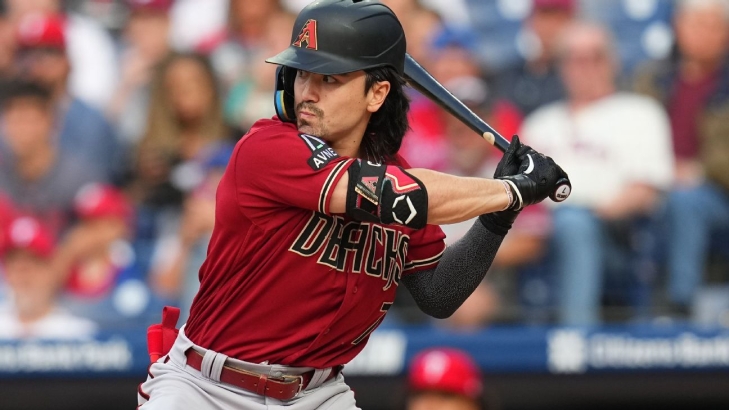
4 (TIE). Corbin Carroll: Arizona Diamondbacks, Outfield: (Not Ranked, Last Week)
72 Cup Points, 62 Games, 1.16 Cup Points per Game, 13 Home Runs, 33 Runs Batted In, 19 SB, .308/.389/.579, 3.1 bWAR.
Carroll is running away with the National League Rookie of the Year Award, and it is only June! At present, the young Outfielder is in the top seven in all Slash Line components and is second in Stolen Bases (19).
4 (TIE). Jorge Soler: Miami Marlins, Outfield & Designated Hitter: (#6, Last Week)
72 Cup Points, 62 Games, 1.16 Cup Points per Game, 19 Home Runs, 38 Runs Batted In, 1 SB, .258/.346/.559, 1.4 bWAR.
Soler is playing more and more at DH this year, but he is providing the Marlins incredible offense. He is second in NL Home Runs (19), fifth in Slugging (.559), and seventh in OPS (.905).
6. Rafael Devers: Boston Red Sox, Third Base: (Ranked #9 Last Week)
71 Cup Points, 57 Games, 1.07 Cup Points per Game, 15 Home Runs, 52 Runs Batted In, 0 SB, .247/.300/.494, 1.1 bWAR.
Devers reversed course and had his first rank increase in some time. He is currently third in the AL in RBIs (52) and fourth in Home Runs (15).
7. Aaron Judge: New York Yankees, Outfield: (Ranked #2, Last Week)
70 Cup Points, 49 Games, 1.43 Cup Points per Game, 19 Home Runs, 40 Runs Batted In, 3 SB, .291/.404/.674, 1.9 bWAR.
A toe injury kept Judge out of the lineup the last week, thus he tumpled four spots on the NIHOF Cup leaderboard. Last year’s NIHOF Cup winner and Home Run leader is still leading the AL in Slugging (.674), OPS (.674), OPS+ (192) and Home Runs (19).
8 (TIE). Marcus Semien: Texas Rangers, Shortstop: (Ranked #4, Last Week)
68 Cup Points, 64 Games, 1.06 Cup Points per Game, 9 Home Runs, 51 Runs Batted In, 7 SB, .296/.361/.5487, 3.2 bWAR.
Semien is having an outstanding 2023, though he is coming off a poor week. He is the current AL leader in Runs Scored (57) and is second in bWAR for Position Players (3.2).
9 (TIE). Yordan Alvarez: Houston Astros, Outfield & Designated Hitter: (Ranked #6 Last Week)
67 Cup Points, 57 Games, 1.07 Cup Points per Game, 17 Home Runs, 55 Runs Batted In, 0 SB, .277/.388/.589, 2.0 bWAR.
Alvarez is one the game’s best hitters and the current American League leader in RBIs (55). He is also in the top ten in OBP, Slugging, OPS, Home Runs, Walks and OPS+.
9 (TIE). Luis Arraez: Miami Marlins, Second Base: (#9, Last Week)
67 Cup Points, 54 Games, 1.06 Cup Points per Game, 1 Home Run, 29 Runs Batted In, 1 SB, .397/.447/.485, 2.8 bWAR.
Arraez is flirting with a .400 Batting Average and he is currently the National League leader in Hits (91), Batting Average (.397) and On Base Percentage (.447). He also has a very impressive Slugging Percentage (.485) for a player with only one Home Run.
Los Angeles’ (NL) Mookie Betts and New York’s (NL) Pete Alonso fell out of the top ten.
Our next update will be the afternoon of June 19.
6 Tips and Strategies for Women Bodybuilders
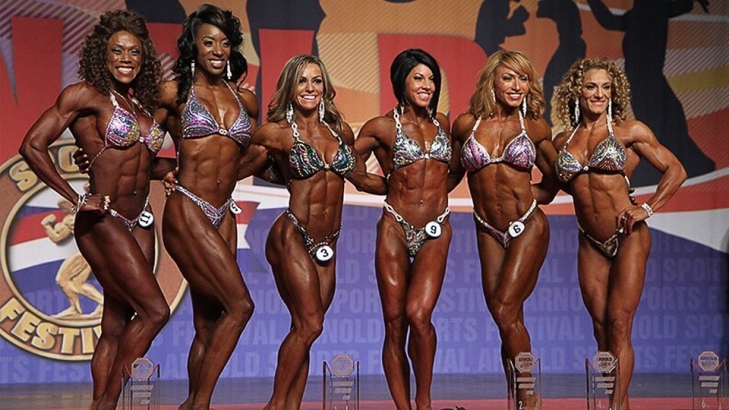
Bodybuilding is a sport that calls for commitment, self-control, and labor. Although generally thought of as a male-dominated industry, more and more women are getting into bodybuilding and succeeding. You could have certain particular difficulties and obstacles as a female bodybuilder, but with the appropriate attitude and techniques, you can go through them and accomplish your objectives. These are six ideas and tactics for female bodybuilders to get you started.
Set Realistic Goals
For any athlete, but especially for female bodybuilders, setting realistic goals is crucial. It can be tempting to compare yourself to other male or female bodybuilders, but doing so could hinder your development. Instead, concentrate on creating attainable objectives that are precise, quantifiable, and time-bound. For instance, set a goal to lower your body fat percentage by 2% in six months or to increase your bench press by 10 pounds in three months.
Prioritize Nutrition and Take Supplements
The need for nutrition for bodybuilders who identify as females is considerably greater. Women must pay special attention to their food in order to develop the lean, muscular figure they seek because they have a higher body fat percentage than men. Make sure your diet is well-balanced and contains a sufficient amount of protein, good fats, and complex carbohydrates. A licensed dietician might be able to help you create a food plan that is customized to your needs.
When it comes to achieving muscle gains, it can be beneficial for women bodybuilders to explore supplements like steroids that are specifically designed to meet their needs. Exploring safe steroid options, such as the CrazyBulk Stack, can be advantageous for attaining muscle gains. By incorporating this supplement into your training regimen, you can potentially experience improved muscle growth and enhanced performance. Remember, it's always important to prioritize safety and choose products that are specifically tailored to your body and goals.
Lift Heavy
Resistance training is necessary to develop muscle, and the most efficient way to do this is to lift heavy weights. It's a common misconception that lifting large weights will make a woman fat or appear masculine. As women's testosterone levels are lower than men's, they cannot gain muscle mass as quickly or as easily. Lift weights that are difficult for you, and as you gain stronger, progressively increase the weight.
Don't Neglect Cardio
Cardiovascular exercise is crucial for overall fitness and health, whereas resistance training is crucial for gaining muscle. Cardiovascular activity lowers the risk of developing chronic diseases, improves endurance, and burns calories. Include cardio in your training plan, but be careful not to overdo it because too much cardio can prevent muscles from growing. At least 150 minutes per week of moderate-intensity cardio should be completed through activities like brisk walking, cycling, or swimming.
Rest and Recover
In order to gain muscle, rest and recovery are equally as crucial as training. After an exercise, your muscles require recovery time in order to heal and get stronger. Be sure you get enough rest, drink lots of water, and take rest days. To lessen soreness and accelerate recovery, think about combining techniques like foam rolling or massage.
Seek Support
Particularly for women, bodybuilding may be a difficult and isolated activity. Finding encouragement from other female bodybuilders, whether in a gym setting or online forums, can be beneficial. Having a support network can help you stay motivated, exchange advice and tactics, and jointly enjoy your victories.
Conclusion
In conclusion, these six pointers and tactics are essential for female bodybuilders to succeed in their sport. A successful bodybuilding journey includes a number of key ingredients, like setting realistic objectives, putting nutrition first, lifting heavy, including cardio, resting and recovering, and looking for support. Female bodybuilders may overcome any challenges and develop the physique of their dreams with commitment, discipline, and hard effort. As everyone is different and requires a distinct approach, keep in mind to concentrate on your own development and refrain from comparing yourself to others. Women bodybuilders can become better athletes by employing the advice and techniques listed here.
From Sidelines to Spotlight: The Importance of Coaches in the NFL
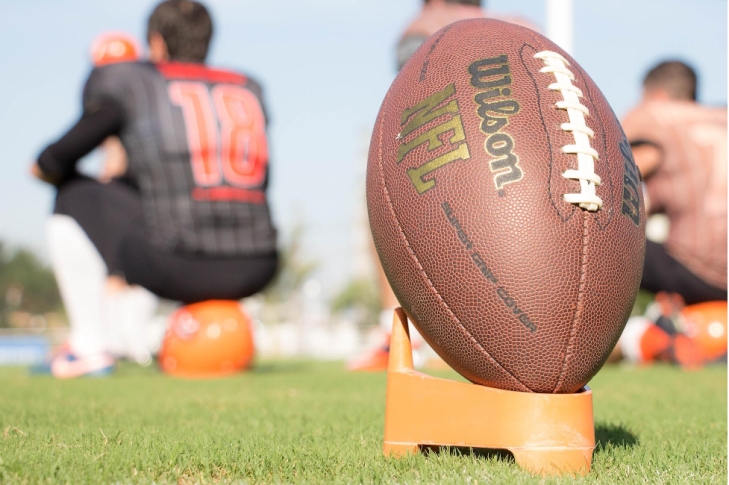
A head coach in the NFL is responsible for leading a team of professional athletes towards success on the field. This role requires a combination of skills, including leadership, decision-making, organization, and communication.
A great coach has the ability to develop a bond with the team, express their love for the game, and motivate players before every game. They usually hold "keep it real" meetings to ensure players know where they stand at all times. As the most valuable head coach position in sports, a good NFL coach can solve hundreds of football problems during a season.
Key Qualities of Successful Football Coaches
Successful football coaches possess several key qualities that contribute to their effectiveness in leading a team. These qualities include creating a positive team culture, focusing on building strong relationships, fostering a growth mindset, emphasizing the importance of teamwork, and instilling confidence in their players.
Poor self-confidence or a fear of failure are just two of the mental barriers that may prevent many talented players from reaching their full potential. A good coach will build their players up and help them overcome any hurdles in front of them.
The Impact of Coaching on Team Performance
Coaching plays a significant role in determining a team's performance in the NFL. A well-coached team is more likely to succeed, as the coach's strategies and tactics can create confusion for the opposing team and exploit their weaknesses.
For example, the New York Jets gamelines have been impacted by the coaching strategies employed by their head coach, Robert Saleh. A good coach can also help players develop their skills and improve their overall performance on the field.
The Evolution of NFL Head Coaches
Over the years, the role of NFL head coaches has evolved, with younger coaches entering the league and bringing fresh perspectives and innovative ideas. This shift has led to a more dynamic and competitive environment in the NFL, as teams strive to adapt and stay ahead of their rivals.
The younger generation of coaches is more focused on building strong relationships with their players and fostering a positive team culture, which can contribute to improved performance on the field.
The Challenges Faced by NFL Coaches
NFL coaches face numerous challenges in their quest for success, including managing a diverse group of players with varying personalities and skillsets, dealing with injuries and roster changes, and navigating the pressures of high-stakes games and playoffs.
Additionally, coaches must adapt to the ever-changing landscape of the NFL, including new rules, emerging strategies, and the increasing importance of analytics in decision-making.
The Future of Coaching in the NFL
As the NFL continues to evolve, so too will the role of head coaches. With advancements in technology and analytics, coaches will need to embrace these tools to stay ahead of the competition.
Also, the emphasis on building strong relationships and fostering a positive team culture will continue to grow in importance, as teams recognize the value of a united and motivated group of players. Ultimately, the future of coaching in the NFL will be shaped by those who can adapt, innovate, and inspire their teams to achieve greatness on the field.
Conclusion
The importance of coaches in the NFL cannot be overstated. From developing game-winning strategies to nurturing player growth and fostering a positive team environment, coaches play a crucial role in determining a team's success. As the league continues to evolve, so too will the role of head coaches, with an increasing emphasis on relationship-building, innovation, and adaptability.
RIP: The Iron Sheik
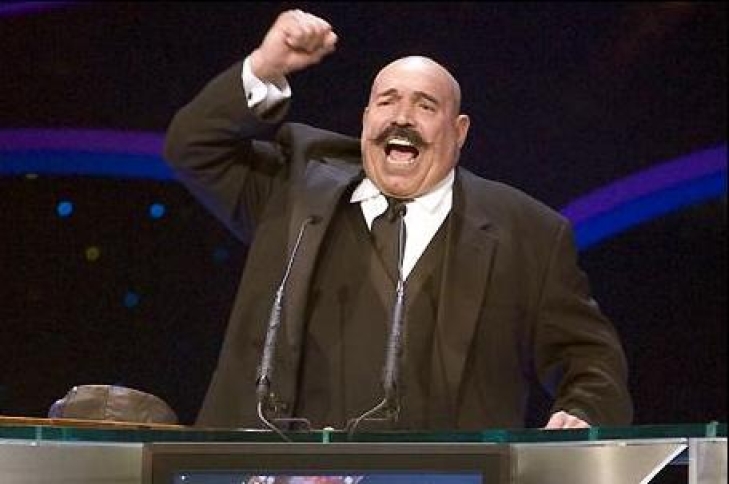
Professional wrestling said goodbye to one is most colorful performers of all-time, The Iron Sheik, who passed away at the age of 81.
Born Hossein Khosrow Ali Vaziri in Iran, The Iron Sheik became a decorated amateur wrestler in his native country. Moving to the United States in 1971, he was later a coach on the U.S. Olympic Greco Roman Wrestling Team.
In 1972, he trained under AWA World Heavyweight Champion, Verne Gagne, and embarked in a career as a pro wrestler, but it was not until the end of the decade before he became a star. Now with a shaved head and distinct moustache, Sheik leaned into the anti-Iranian sentiment that stemmed from the Iranian Revolution and subsequent Hostage Crisis. He was the perfect anti-American heel, and would have success in the WWWF, Florida, Mid-South, Georgia and the Carolinas.
Returning to the WWF in 1983, The Iron Sheik shocked the wrestling world by ending Bob Backlund’s five-year-plus reign as the WWF World Heavyweight Champion. It was short-lived, as he dropped the title to Hulk Hogan a month later, but he remained a top heel in the WWF over the next few years, feuding with stars like Sgt. Slaughter and “Hacksaw” Jim Duggan, and would win the World Tag Team Titles with Nikolai Volkoff.
The Iron Sheik was fired from the WWF in 1987 when he was caught with drugs while travelling with his rival, Jim Duggan, though he would briefly a return a year later. After a failed run in the NWA, he had one more high-profile return in 1991, this time as Col. Mustapha. He would later appear on WWF programming as the manager of the Sultan in 1997, and would win the Gimmick Battle Royal at Wrestlemania 17.
In 2005, he was inducted into the WWE Hall of Fame, but achieved additional notoriety for his chaotic appearances in shoot interviews and the Howard Stern show. Vaziri, who had long since battled addictions to drugs and alcohol, would become clean later in life, and would entertain millions with his appearances and twitter activity.
We here at Notinhalloffame.com would like to extend our condolences to the fans, friends, and family of The Iron Sheik.
