


Site Admin
45. Dave Concepcion
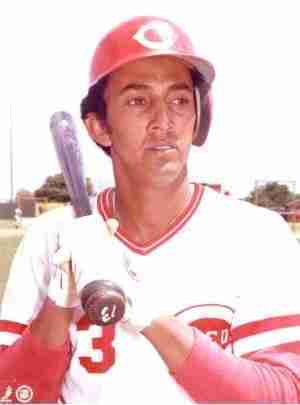
One of two things could happen when you play with a collection of superstars. Either you get lost in the shuffle, or you become incorrectly elevated among them. Neither was the case for Dave Concepcion, who became nationally known playing alongside Pete Rose, Joe Morgan, Johnny Bench, and Tony Perez, but deserved the attention that came with it.
Dave Concepcion played with some of the all-time greats with the Big Red Machine, but he, too, was a huge contributor to the success of that organization. He was the anchor of the defense, and in an era where shortstops were expected to be “good field, no hit”, Dave Concepcion contributed to the Reds’ offense as well. He was not dominating the league with his offensive numbers, but he hit when it counted, and his best efforts were showcased when his team needed him most, as shown by his .300+ Batting Average in all three World Series.
There is little doubt that Dave Concepcion was easily among the top three shortstops of his era. The issue is that his era did not produce many players in that position who could even remotely be considered for the Hall. Concepcion would struggle today to put offensive numbers that would put him in the top ten at shortstop. This isn’t Dave’s fault, but this may be a huge reason that he didn’t make the Hall during his fifteen years of initial eligibility. With that said, an informal poll of his peers would have likely deemed Dave Concepcion a Hall of Fame inductee. Let’s see if the Veterans Committee will one day agree.
Should Dave Concepcion be in the Hall of Fame?
43. Al Oliver
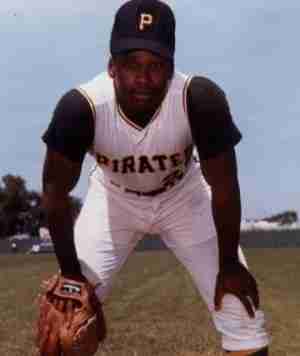
Al Oliver came to the league in 1969 as a line-drive hitter and, for eighteen years, consistently smacked the ball for hits. He had over 2,700 hits in his career, and despite not being a genuine power hitter, he had a plethora of RBI’s.
Oliver’s main gift was hitting for average. In addition to his 1982 Batting Title, he had ten other seasons where he hit the .300 plateau. Oliver wasn’t known for hitting home runs (though he did over 200 in his career), but he found the gap often and was perennially among the league leaders in doubles. As he was a decent clutch hitter and was always in the hunt for Batting Titles, it would have been thought that Al Oliver would have had more support for the Hall of Fame.
That support might have come had Oliver won an MVP (he came close in 1982) or been a better fielder. He also had a relatively low On Base Percentage, which has been the vogue baseball stat in the past fifteen years. Regardless, a decade and a half of consistent contact hitting should have been worth more than 4.3 percent in his first year of eligibility.
Should Al Oliver be in the Hall of Fame?
59. Thurman Munson
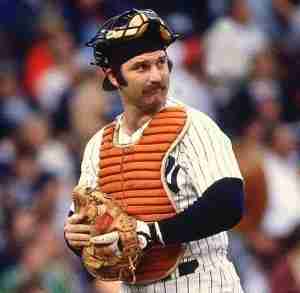
What more would Thurman Munson have accomplished had he not been killed in a plane crash on August 2, 1979? We will never know, but prior to his untimely death, Munson’s accomplishments on the diamond were already sizable.
Thurman Munson was a leader on the field, in the clubhouse, and everywhere else in life. He broke through in the Majors in 1970 and won the coveted Rookie of the Year, cementing himself as a force to be reckoned with in the catcher’s position for the decade. For a catcher, he hit the ball well and consistently provided a solid Batting Average, and showed moderate power numbers. Munson was a perennial All-Star and even won the MVP in 1976. He was known early in his career for his quick release, and he was very difficult to steal from. In each of his six postseason series, he never batted below .300, thus showing his ability to come through when his team needed him the most.
Had Munson not perished, would he have racked up career milestones that would have made it hard for the Hall to ignore? It is possible, but Munson did not have a high On Base Percentage, nor was he really more than a singles hitter. His main asset, though, was his leadership and his ability to make those around him better. This should trump a few walks and doubles on most days.
Should Thurman Munson be in the Hall of Fame?
57. Marty Marion
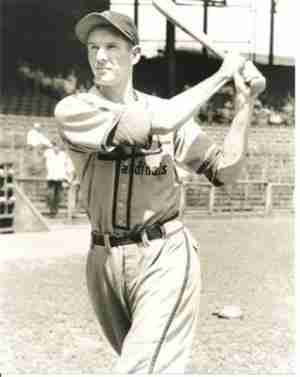
Marty Marion won the NL 1944 MVP based primarily on his leadership and fielding skills as opposed to anything he did with his lumber. His victory is certainly a reminder that there is a lot more to baseball than sexy offensive stats.
Marty Marion was taller than the average Shortstop of his era, but he used that to his advantage. He was deceptively quick, but he used his large wingspan to gobble up any ground ball that got remotely near him. He was called the “octopus”, and he would have used those tentacles to grab every Gold Glove Award….if they existed at the time. Marion usually batted at the bottom of the order, but he was consistent and an excellent bunter.
Marty Marion was not just a defensive wizard; he was a leader whose patience was evident when he became a manager and teacher to young ballplayers. It is often these traits that are pointed to when pundits and ex-colleagues point to Marty Marion and the Baseball Hall of Fame.