

9. Eric Staal

Known for his patience, power, and high hockey IQ, Eric Staal was not a flashy player, but he was a winner and a valuable member of every team he played on.
Staal was the second overall pick in the 2003 Draft, and the Canadian went right to the parent club of the team that drafted him, the Carolina Hurricanes. He had a magical second year in hockey, setting what would be personal bests in Goals (45), Assists (55), and Points (100), while earning a Second Team All-Star. More importantly, he anchored Carolina to their first Stanley Cup. Staal would later become Carolina’s captain, though he never had the same numbers that he did in 2005-06. Still, Staal had at least 70 Points in the five years that followed, and was a four-time All-Star in that time frame.
Staal was traded to the New York Rangers late in the 2015-16 Season, and in the off-season, he joined the Minnesota Wild. Over the next four years, he recorded 240 Points in 311 games, earning two more All-Star Game appearances. He was traded to the Buffalo Sabres in 2021, but age and injuries took their toll, and he bounced around from the Sabres, to Montreal, to Team Canada in the 2022 Olympics, and finally a year with the Florida Panthers.
Internationally, he became a member of the Triple Gold Club, securing Gold with Team Canada at the 2007 Worlds and the 2010 Olympics.
11. P.K.Subban
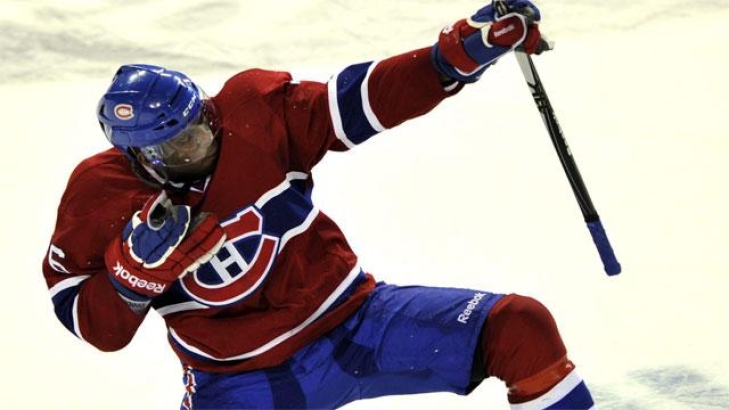
From Toronto, P.K. Subban won two Gold Medals in World Junior Hockey action before he joined the team that drafted him in the second round in 2007, Montreal. Subban was an All-Rookie in 2010-11, and two years later, in the strike-shortened 2012-13 campaign, he won the Norris Trophy on the strength of 38 Points in 42 Games. With the Habs, Subban was a First Team All-Star not only in his Norris year but also two years later.
In a shocking trade, Subban was sent to Nashville in a deal that saw fellow defensive star Shea Weber go the other way. Subban remained strong in his new environment, collecting Second Team All-Star honors in 2018, a year after he propelled the Predators to their first Stanley Cup appearance. The charismatic superstar concluded his career with two seasons in New Jersey, where he won the King Clancy Award in his final year.
In addition to his two Golds as a Junior, Subban won Gold for Canada in the 2014 Olympics and back-to-back Golds in the 2008 and 2009 World Juniors.
5. Ryan Getzlaf

Getzlaf was a First Round Pick in 2003, and he would debut for the team two years later with a 39-Point rookie year. A member of the 2007 Ducks team that won the Stanley Cup, Getzlaf's play blossomed the following season, where he began a four-year streak of 50-plus Assist seasons, and he would hit that threshold four additional times.
A Second-Team All-Star in 2014, the Center finished second for the Hart Trophy that year and was tenth in Frank J. Selke voting. Getzlaf also received Selke votes in seven other seasons.
Getzlaf is already the all-time Ducks leader in Assists (737) and post-season Points (120); in his final year in the NHL, 2021-22, he overtook Teemu Selanne in Points (1,019). He is also a decorated performer in International competitions, helping Canada win two Olympic Gold Medals (2010 & 2014) and Gold in the 2016 World Cup of Hockey.
2. Patrick Marleau
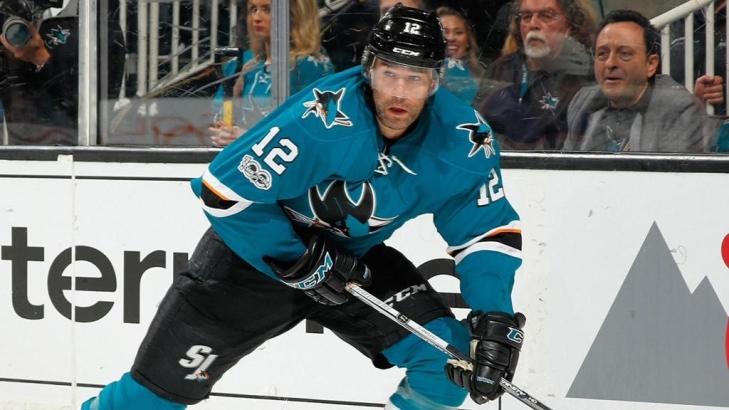
So…what does longevity mean?
As far as we are concerned, it should matter a lot!
200. Jay Bouwmeester

Many say Jay Bouwmeester is one of the most gifted skaters in hockey history. We have to agree, and would gladly add that Bouwmeester is one of the more underrated players in the game.
The Canadian Defenseman was the third overall pick in 2002 by Florida, and was an All-Rookie after making the Panthers after being drafted. Bouwmeester was a two-time All-Star with Florida, and he twice received Norris Trophy votes. He would be traded to Calgary in 2009, and at the 2013 Trade Deadline, Bouwmeester was dealt to St. Louis, providing a veteran presence to the team that won the Stanley Cup in 2019.
Bouwmeester’s career ended abruptly when he suffered a cardiac arrest during a game against Anaheim in February of 2020. He never played again, thus ending one of the most sneaky good careers in hockey. As a professional, Bouwmeester scored 424 Points in 1,240 Games.
If Bouwmeester never becomes a serious contender for the Hockey Hall of Fame, the IIHOF could look at him, as he won five Gold Medals (one Olympics, two World Cups, two Worlds) while playing 57 Games for Team Canada. That is one hell of an international career.
289. Michael Peca
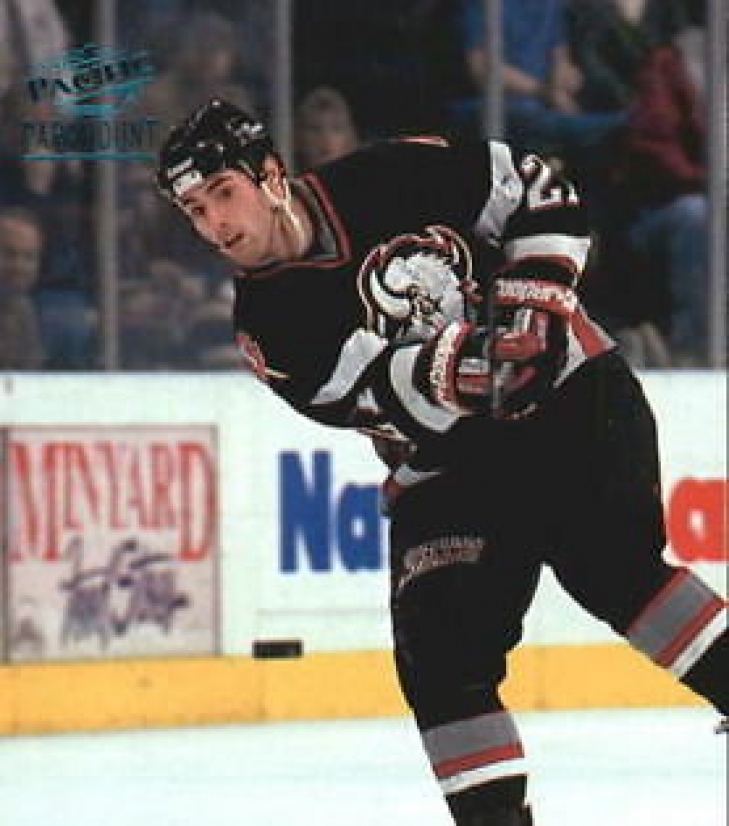
Easily one of the best defensive forwards for years, Michael Peca would finish in the top five in Frank J. Selke Award voting every season from 1996-97 to 2003-04. The first year of that streak was when he
267. Sylvain Cote
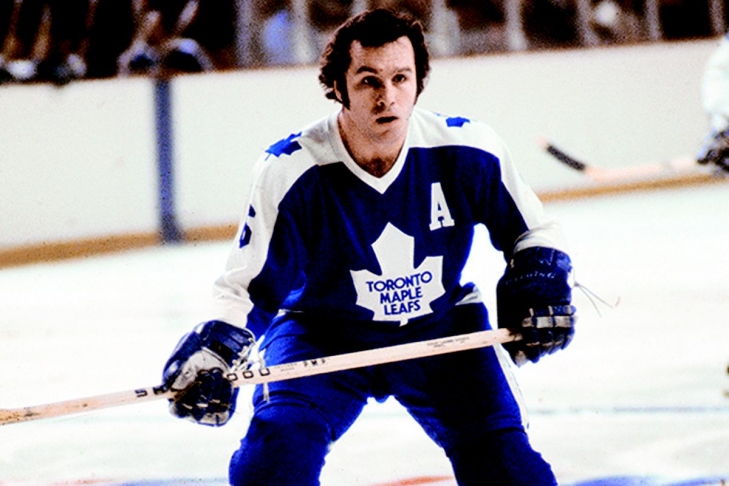
127. Ron Ellis
209. Wade Redden

167. Patrick Sharp
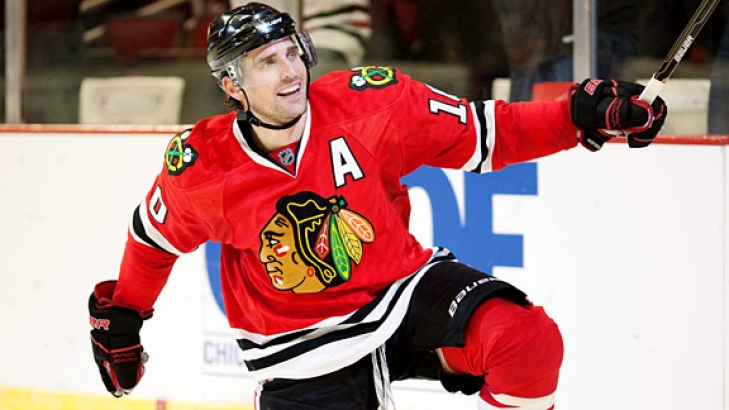
81. Rick Nash

Rick Nash was the first overall pick in the 2002 NHL Draft, and he would quickly prove to the Columbus Blue Jackets that they made a good selection. As a sophomore, Nash would put he puck in the net 41 times, which was enough to win the Maurice Richard trophy for the most Goals in a Season. Nash would never win that award again, but he would have seven more 30 Goal campaigns, two of which were at least 40.
185. James Patrick
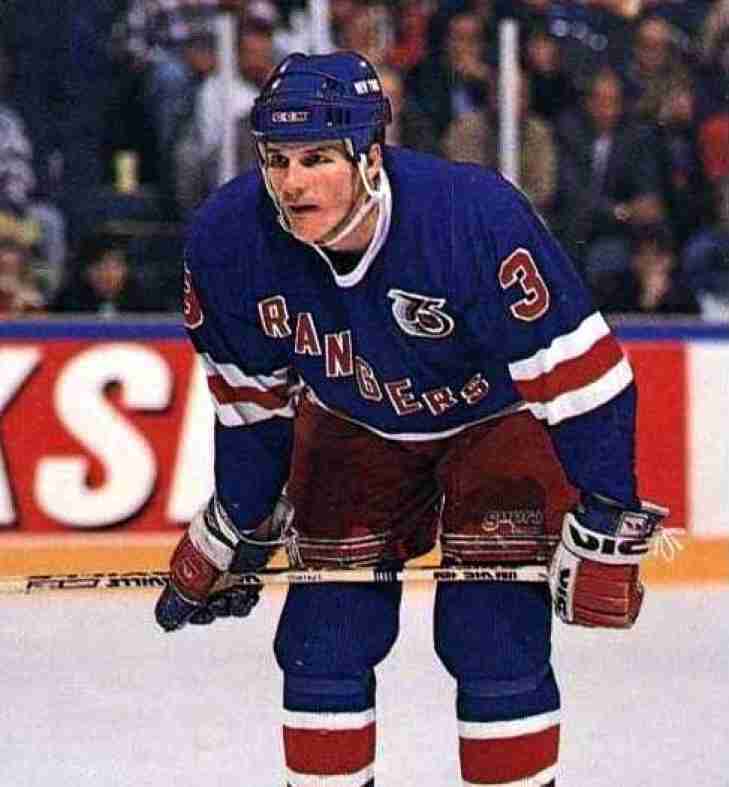
With over 600 NHL Points from the blueline in the NHL, James Patrick eclipsed the 50 Point mark four times. Patrick was best known for his time with the New York Rangers, where he finished twice in the top ten in Norris Trophy voting and represented Canada at the Olympics and the Canada Cup. Frankly, if you played for Canada in any Canada Cup, you must have been pretty good!
77. Adam Foote

One of the most interesting Hall of Fame cases belongs to Adam Foote, a player who was never an All-Star in his professional career and never finished higher than tenth in Norris Trophy voting. Despite this, there is no doubt that Foote carried significant value for every team he played on, and his contributions would never really reflect in a box score.
290. Brenden Morrow

119. Dany Heatley

37. Vincent LeCavilier

83. Brad Richards
39. Paul Henderson
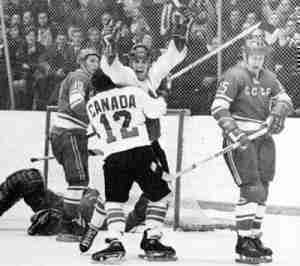
With 477 career NHL points (and 283 in the WHA), the professional statistics speak to a very good player, but not that of a Hall of Famer. This is very much the consensus of most hockey pundits and fans alike. However, we are all familiar with the intangible legacy of the 1972 Canada/Soviet Union Summit Series. Coming off his most productive NHL year with 38 goals, Henderson was an afterthought selection to Team Canada. Henderson responded with the best hockey of his career, leading the tournament with ten points. Of course, it was that final point, a goal with thirty-four seconds remaining, that he will be known forever for. That goal won the series and made him an icon in Canada. It is a moment that is played over and over again on Canadian television and will be replayed for generations to come. When critics say that Paul Henderson would not be in the Hall of Fame discussion if he hadn’t scored “the goal,” but what they have to remember is one thing: HE DID score that goal.
151. Sean Burke

Although the career of Sean Burke was a long and prosperous one, it can be argued that he didn’t live up to the overall expectations that he came with when he entered the National Hockey League. Burke was a star for the Canadian National Team. Many thought that his first NHL team (New Jersey) would go only as far as Burke could take them, and though it did not prove to be true, Burke proved to be a very good goaltender early in his career. Burke would last twenty years in the NHL, and although he tallied over 300 wins, his overall record showed more losses than victories. Throw in the fact that he played for nine teams in the National Hockey League, and you may have the career of the most outstanding journeyman goalie of all time. Journeyman and Hall of Fame are not precisely synonymous.
68. Brent Sutter
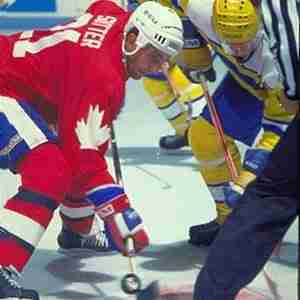
Typically, if you are considered the best hockey player in your family, it isn’t much of an accolade. This was not the case for Brent Sutter, who may have been the most talented of what could be the most storied set of siblings in professional hockey. The Sutters were known for their work ethic, and Brent was no exception. Brent Sutter was known for doing all the small intangibles that made a team successful, and yet he still achieved over 800 points in his career. He likely won’t get in, but should he slip in, it might be a celebration of the Sutter family as a whole.
