

145. Real Cloutier
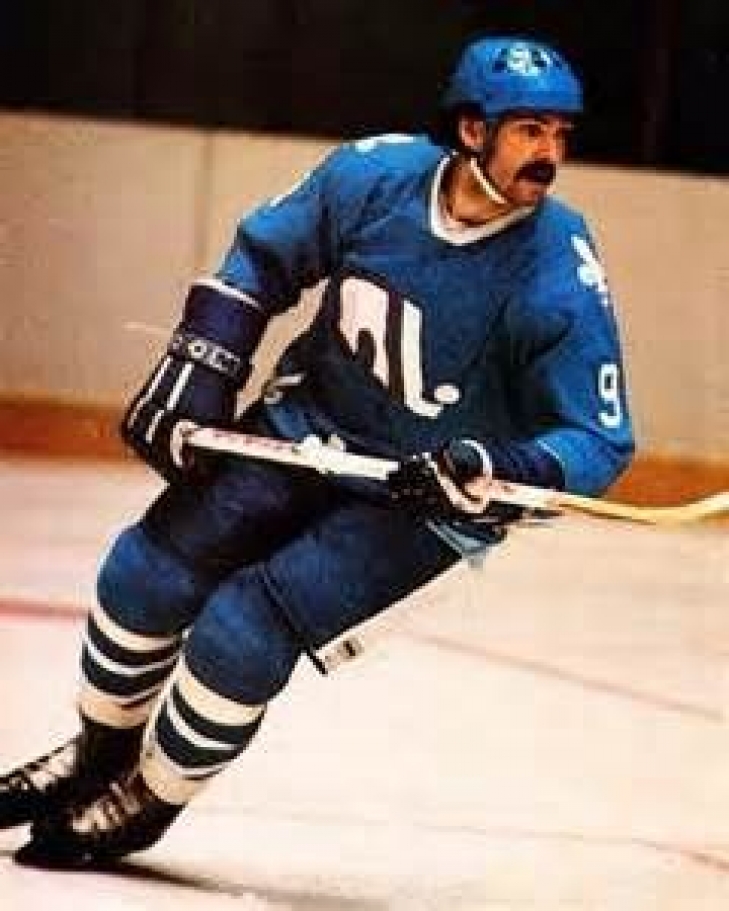
Real Cloutier was an absolute phenom in Quebec, and rather than wait for the age-restricted National Hockey League, he would go directly from the Quebec Ramparts of the QMJHL to the Quebec Nordiques of the WHA, where he could play professionally as an 18-year-old.
50. Marian Stastny
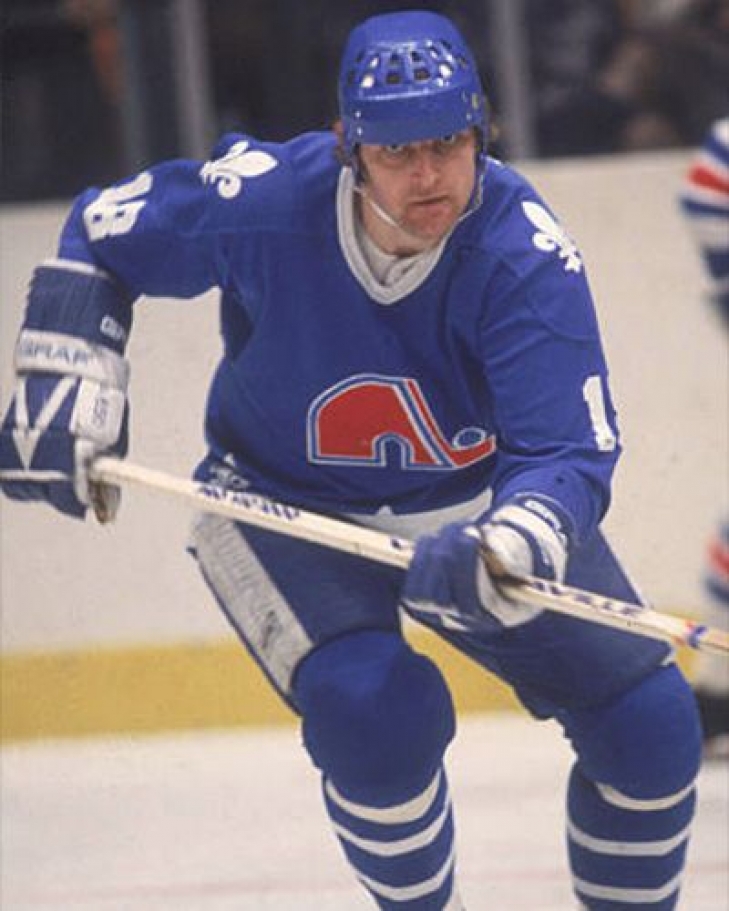
Marian Stastny would join his two younger brothers, Anton and Peter, in the NHL before the 1981-82 season, and the three Czechoslovakian siblings would form one of the most feared lines in hockey.
47. Jon Klemm
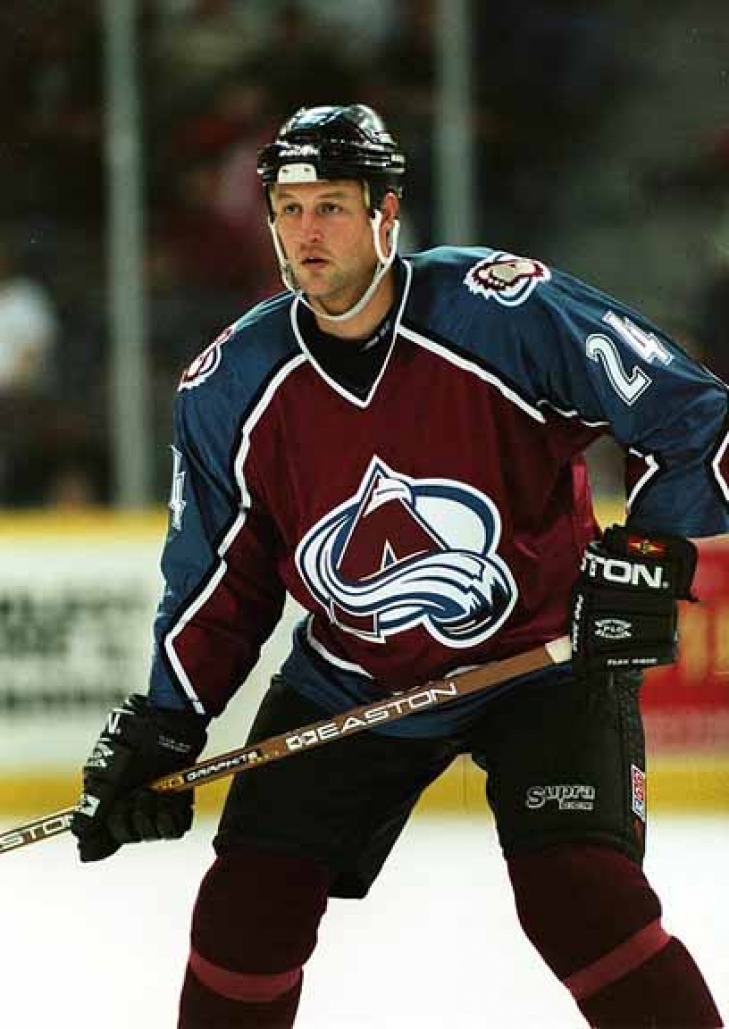
The reality of Jon Klemm is that he fought for every shift he got in pro hockey.
Klemm was an undrafted Free Agent in 1991, and he would not play that much in the NHL for his first few seasons. That might be true, but the Defenseman would continue to ply his trade, and after playing 15 Games when the franchise was in Quebec, the first year the organization relocated to the Rocky Mountains would see the Defenseman find a permanent home.
40. Curtis Leschyshyn
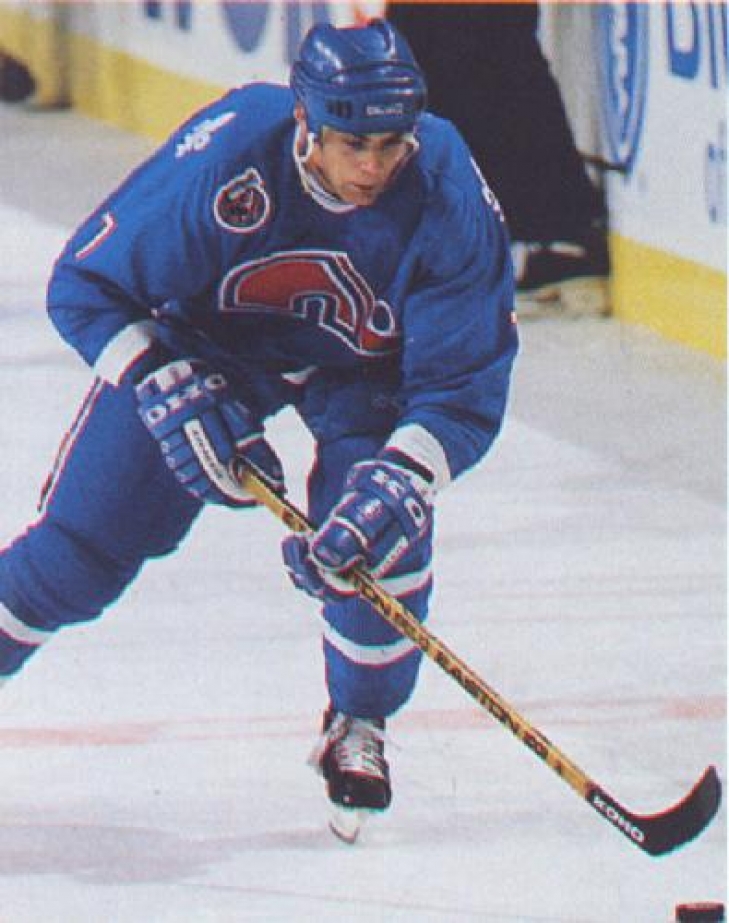
Curtis Leschyshyn was able to play over 1,000 Games in the National Hockey League (1,033), with slightly over half of them being with the Nordiques/Avalanche.
48. Chris Drury
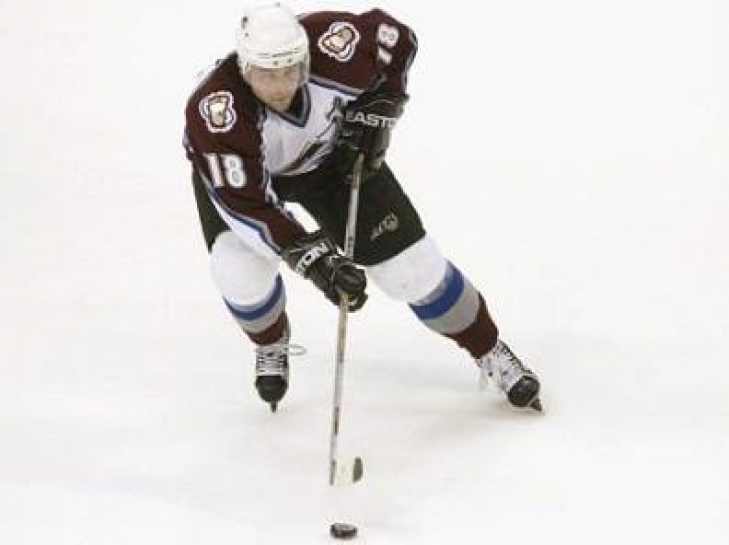
Chris Drury was Quebec's third-round pick in 1994, but rather than join the organization that drafted him, he elected to join Boston University, where he would stay for four years. As a senior, Drury would win the Hobey Baker Award as the nation's top player, and after that, he was ready to join the team that chose him, though they had now relocated to Colorado.
46. Jeff Brown

Playing the last half of the 1980s with the Quebec Nordiques, Jeff Brown got his start in the NHL in La Belle Province. The Defenseman was only with the parent club for 8 Games as a rookie, and he would be promoted for good midway through his second season (1985-86).
45. Scott Young
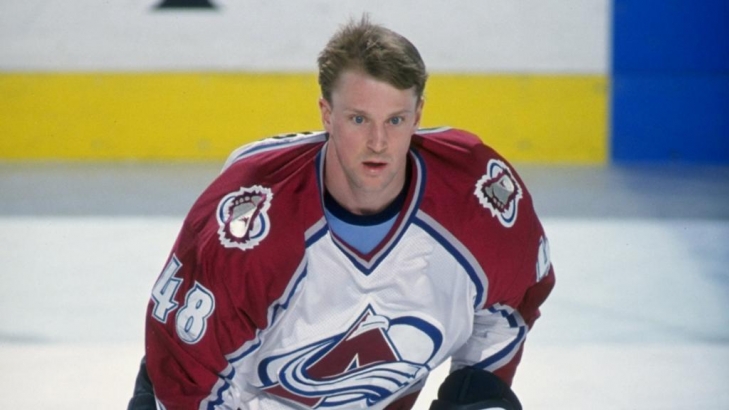
Scott Young won a Stanley Cup ring with the Pittsburgh Penguins and was traded the following year, choosing to play in Italy and represent the United States at the 1992 Olympics.
41. Alain Cote
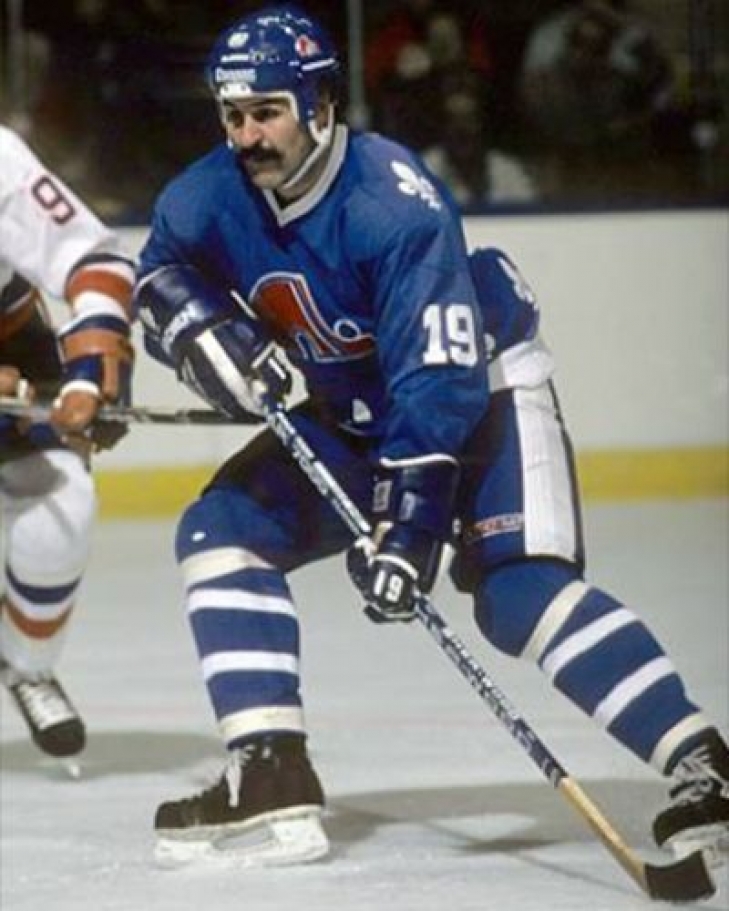
Alan Cote would spend his entire career with the Quebec Nordiques, which would begin when he signed with them in 1977.
39. Owen Nolan
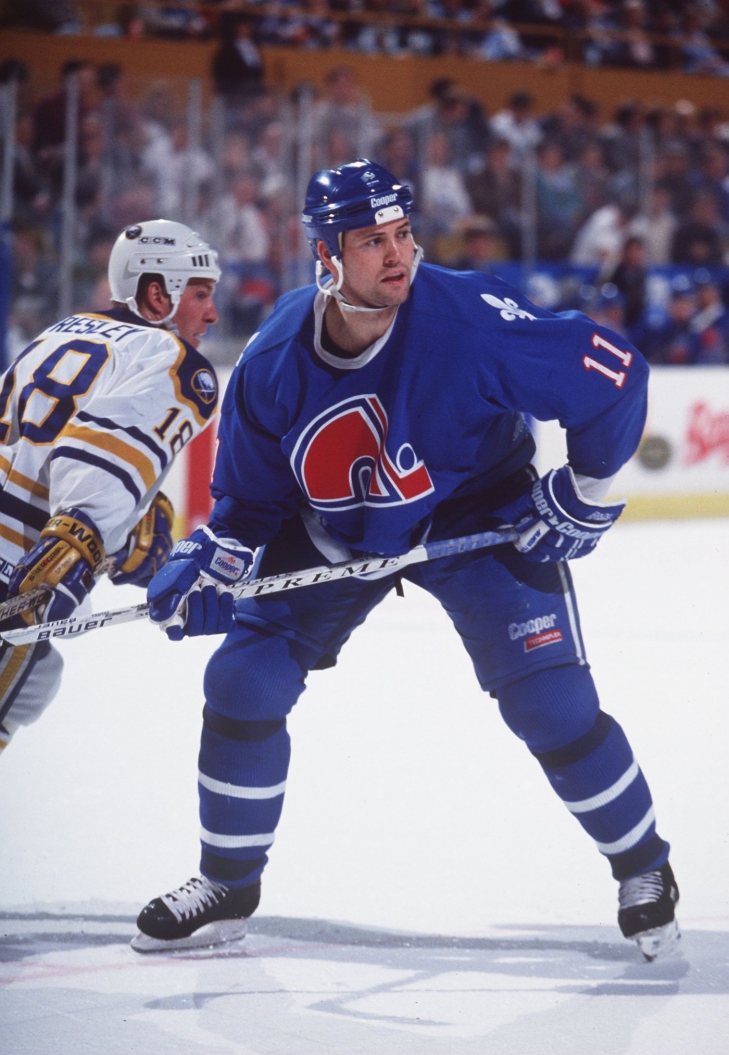
Drafted number one overall in 1990, Owen Nolan had a slow start as a rookie, only scoring 13 Points in 59 Games, but he would turn it around the following season.
38. Normand Rochefort
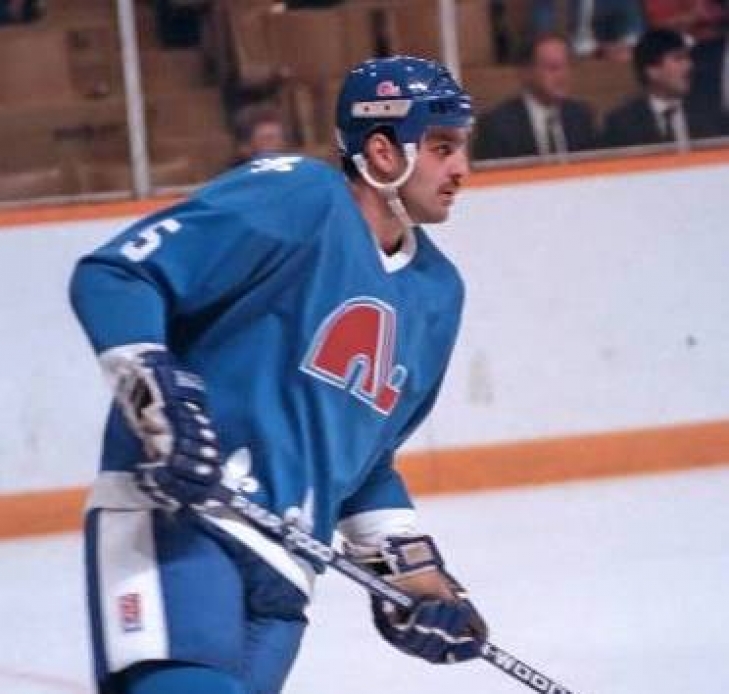
After being drafted 24th Overall in 1980, Quebec-born Defenseman Normand Rochefort joined the Quebec Nordiques as a rookie and played 56 Games.
36. Mats Sundin
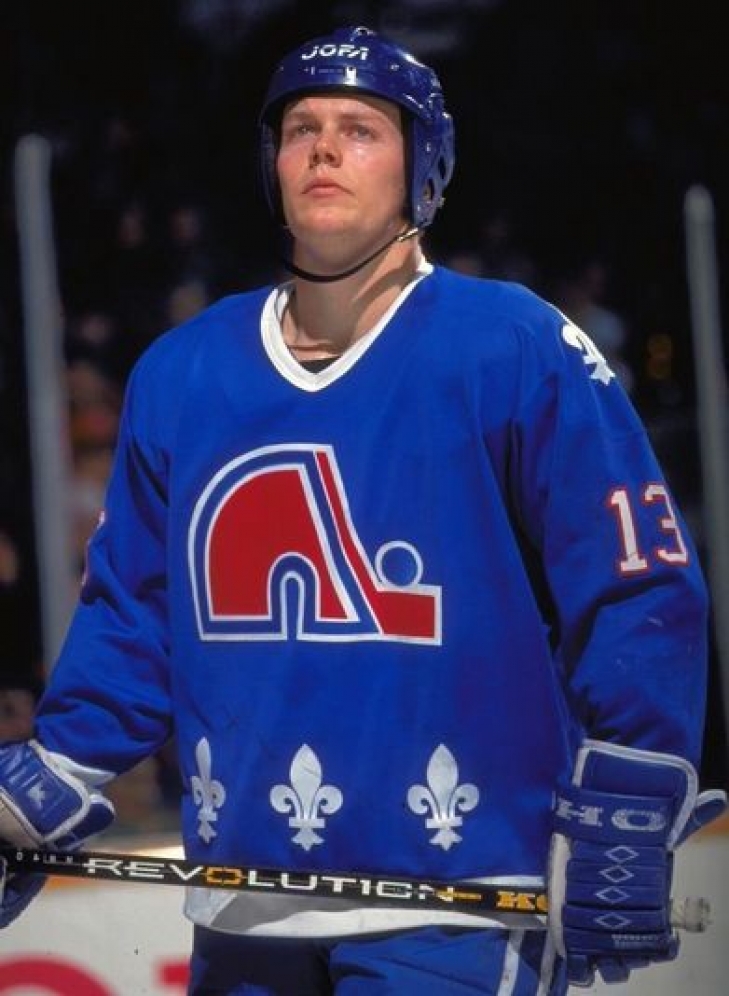
In 1989, Mats Sundin would make history as he would become the first European player to be chosen number one in the NHL Draft when the Quebec Nordiques did so in 1989.
35. Mario Marois
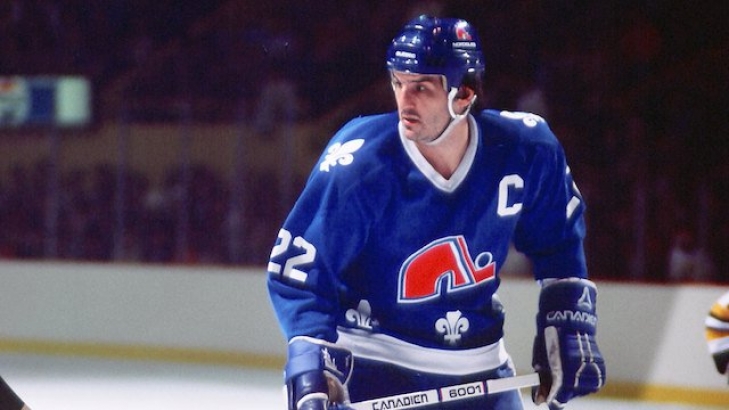
Mario Marois joined the Quebec Nordiques, where he would stay until he was traded to the Winnipeg Jets in November of the 1985-86 Season.
32. Randy Moller
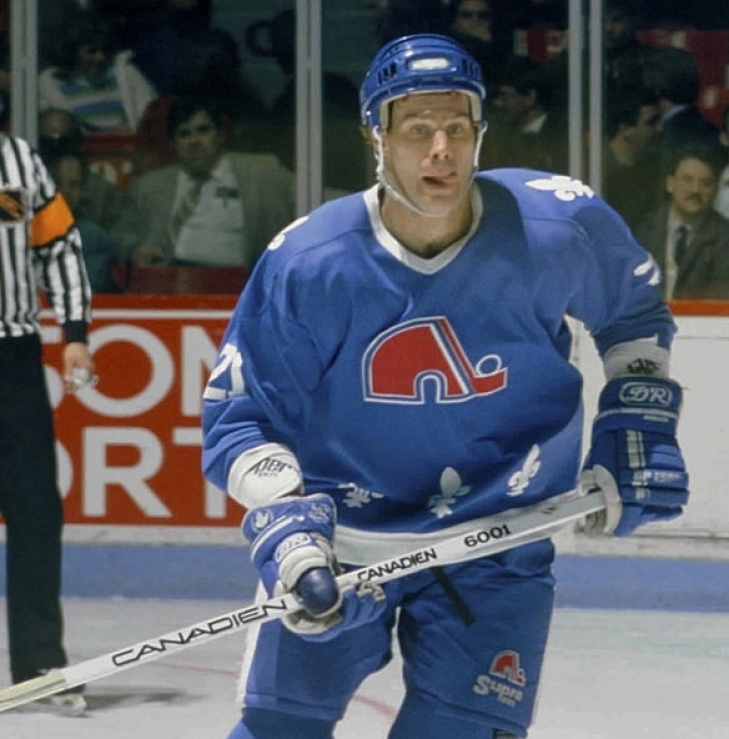
Randy Moller went from winning the gold medal at the World Junior Hockey Championships with Canada to the NHL and the Quebec Nordiques. The Nords were blessed to have him throughout the '80s, where the towering defenseman used his size to intimidate and check among the best of them.
30. Alexei Gusarov
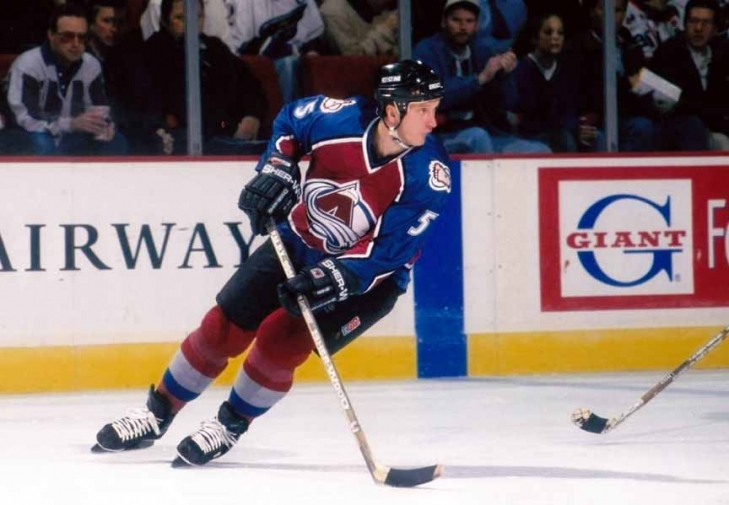
The Quebec Nordiques were ahead of the curve regarding looking at Eastern Bloc talents as they drafted many a player that was in Communist countries, which seemingly could never play in the NHL. As history has shown us, they were right.
23. Anton Stastny
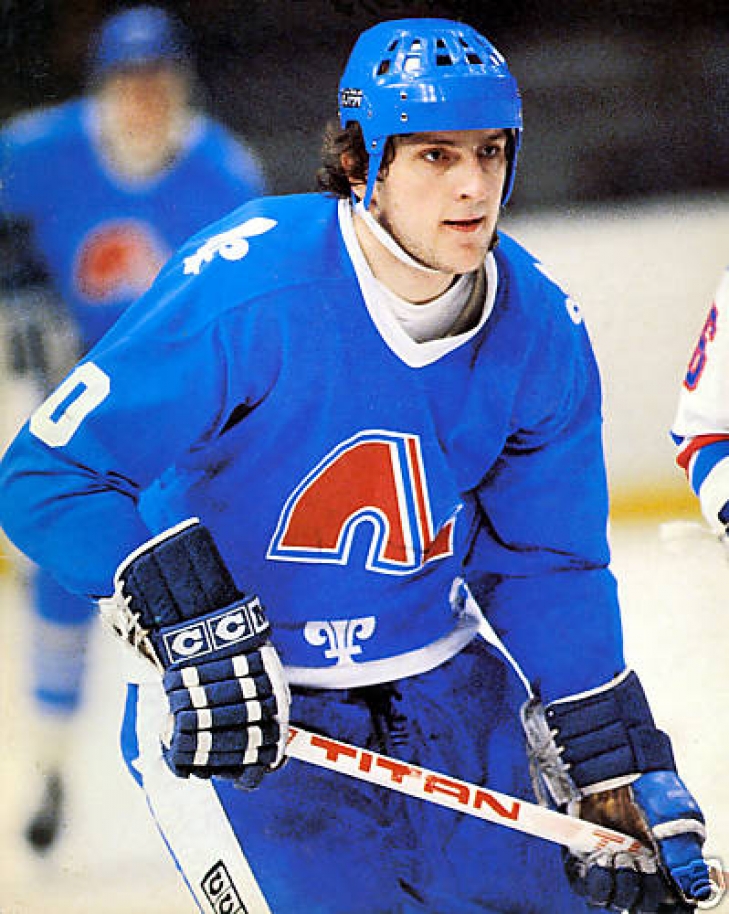
Anton Stastny was actually drafted by the Philadelphia Flyers in 1976; however, the NHL voided the draft, as he was deemed too young (he was 19 at the time). The Quebec Nordiques drafted him the following year, but many thought it was pointless as he lived in Czechoslovakia, which was part of the Communist Bloc. It turned out to be a smart move by the NHL team.
29. Dale Hunter
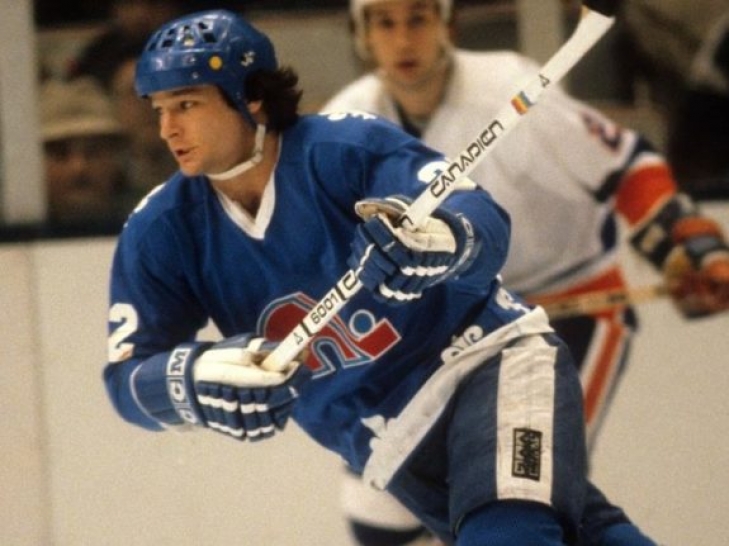
Dale Hunter was a tough-as-nails hockey player who would score as quickly as he would enter the penalty box. As a rookie with the Quebec Nordiques, he scored 63 Points, and in four of the next five campaigns with Quebec, he reached the 60 Point mark.
15. Serge Bernier
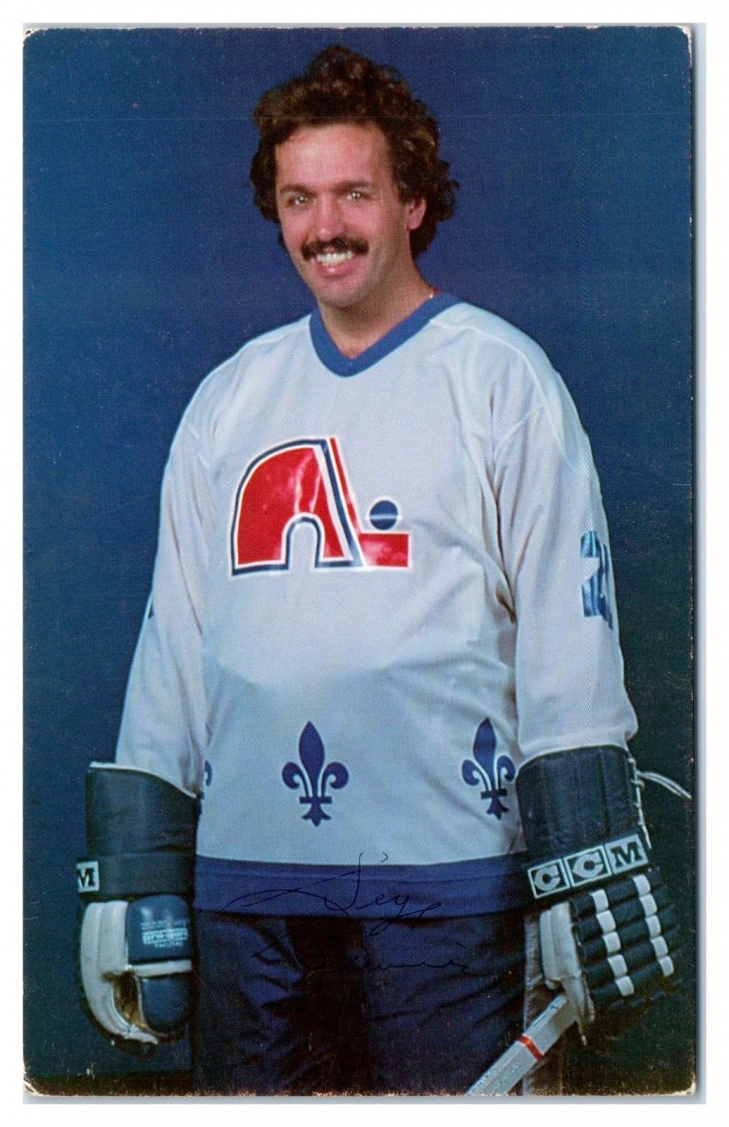
Prior to signing with the Quebec Nordiques of the World Hockey Association in 1973, Serge Bernier had played for the Philadelphia Flyers and Los Angeles Kings and had done well producing a 50 Point Season for each of them.
18. Richard Brodeur
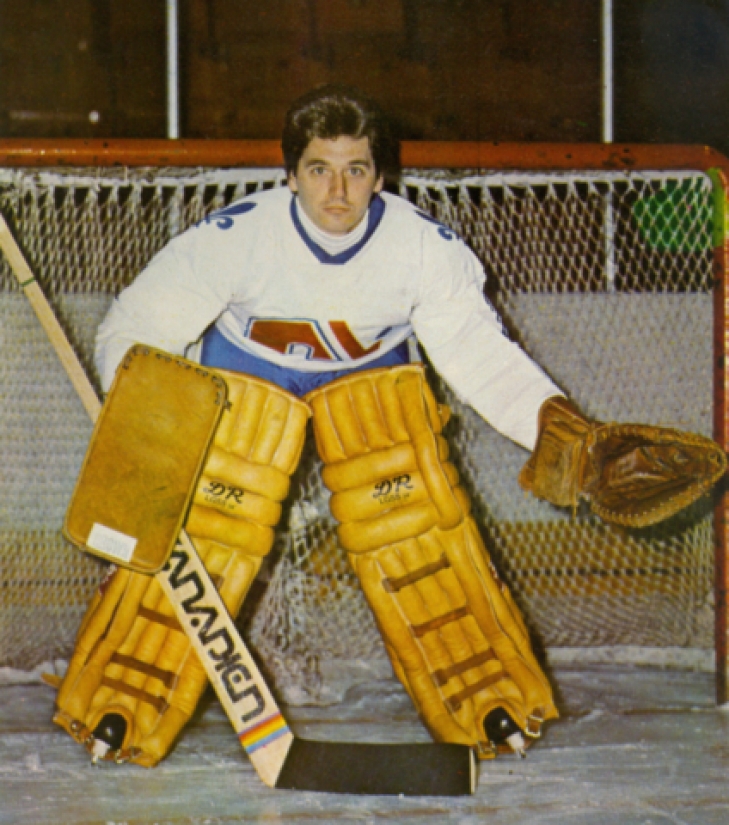
When most people think of the 1977 Avco Cup Champion Quebec Nordiques, they think of the "Flying Frenchmen" of Marc Tardif, Réal Cloutier, and Serge Bernier. There was also a Quebecer who played in the net and made a significant contribution to those great teams. That man was Richard Brodeur.
7. Marc Tardif
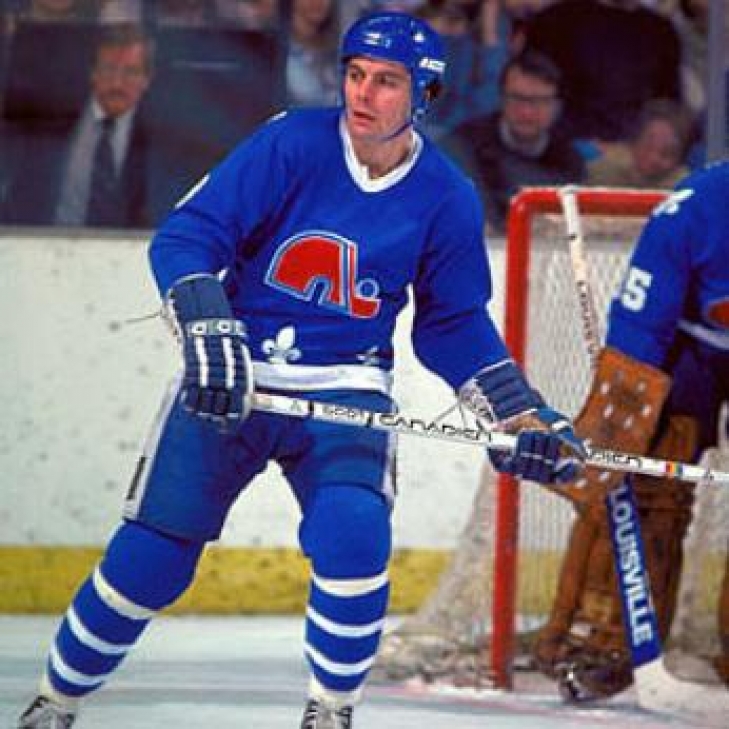
Marc Tardif would win two Stanley Cups with the Montreal Canadiens, but like so many other players in the early 70s, he jumped to the upstart World Hockey Association for a higher salary.
13. J.C. Tremblay
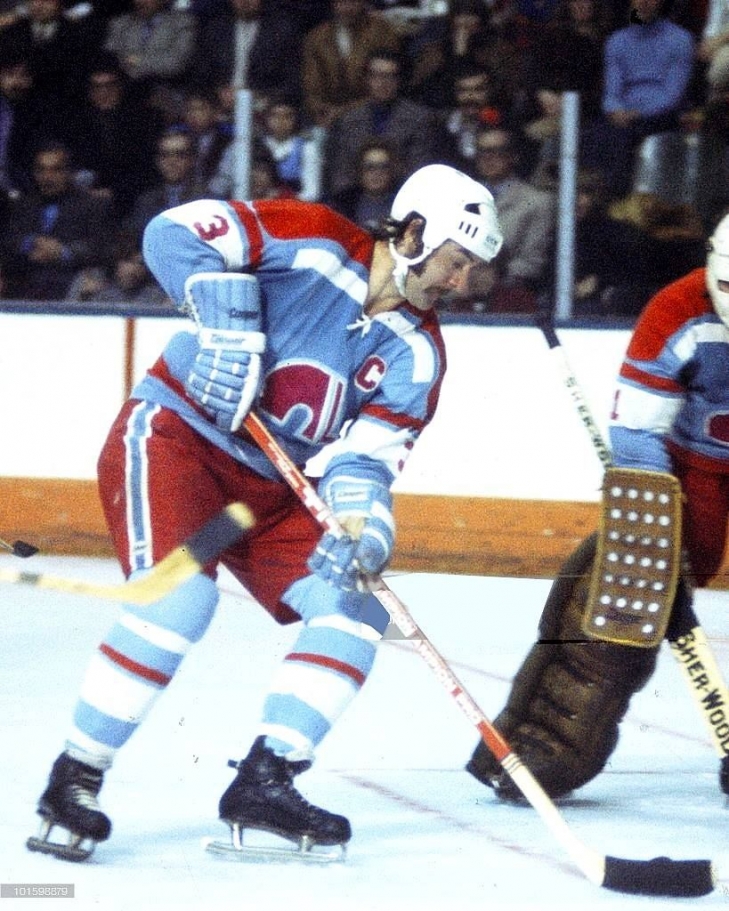
J.C. Tremblay had an excellent career in the National Hockey League, where he was a five-time Stanley Cup Champion with the Montreal Canadiens. That is true, but this is a list about the all-time Colorado Avalanche/Quebec Nordiques, the team where Tremblay had his best individual success.
