

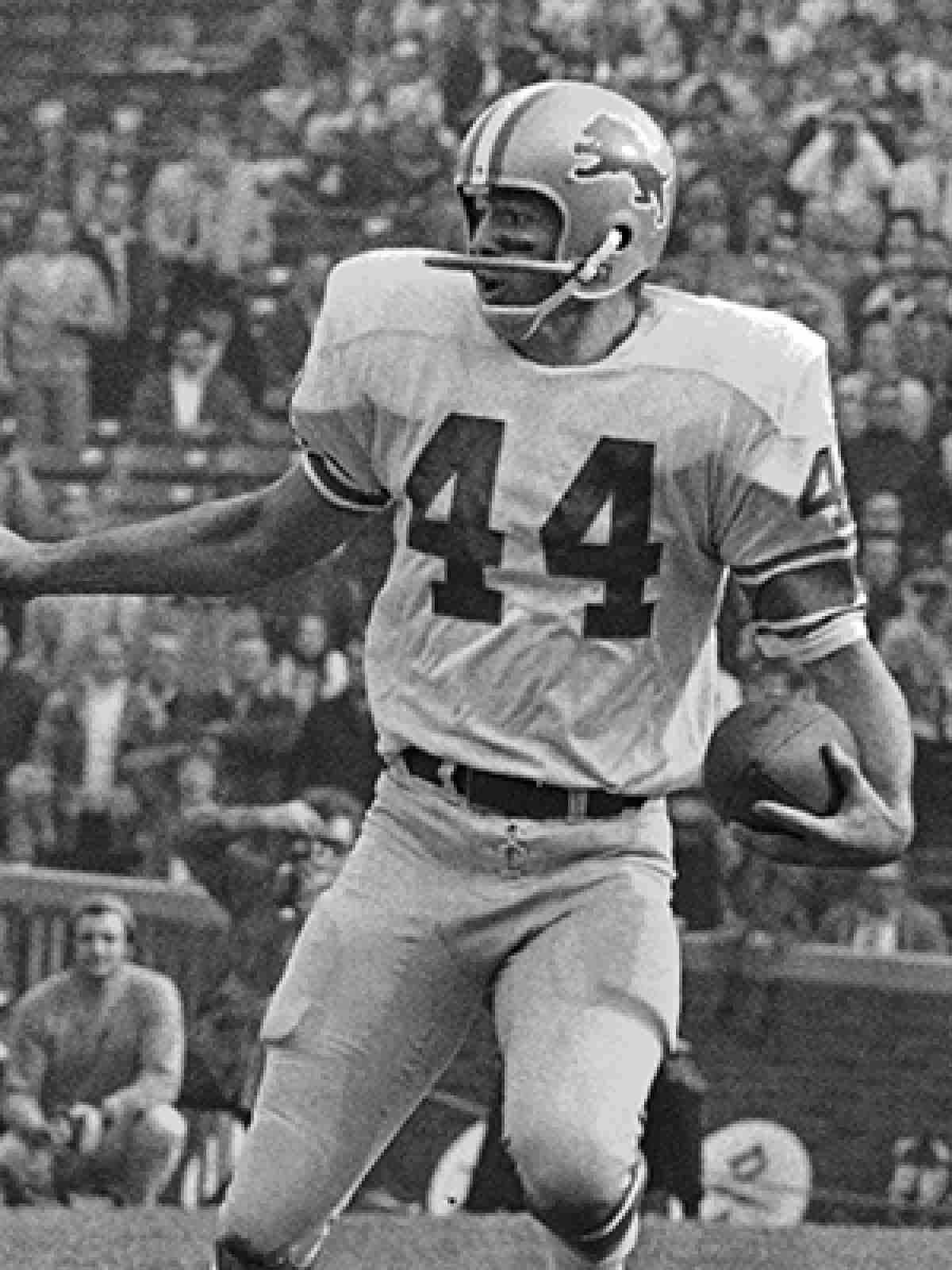
Drafted in the fifth round of the 1959 NFL Draft by Cleveland and promptly waived, Dick LeBeau landed in Detroit as a discarded defensive back with everything to prove. What the Lions acquired was a cerebral cornerback who would spend the next 14 years anchoring the right side of Motown's defense, mastering the intricacies of pass coverage and laying the strategic groundwork for a Hall of Fame career both on the field and on the sideline.
Playing as a secondary alongside Hall of Famer Dick "Night Train" Lane, LeBeau became known as a relentless ball hawk. His key physical ability was exceptional anticipation—predicting quarterback eye movements and route splits to intercept the ball before the throw was completed. Between 1962 and 1971, he achieved at least three interceptions in ten straight seasons. His personal best came during a three-year period from 1968 to 1970, when he earned three consecutive Pro Bowl selections and totaled 21 interceptions, including a career-high nine in 1970, tying for the NFC lead.
LeBeau was not only known for his coverage skills but also for his incredible durability. He set an NFL record for cornerbacks with 171 consecutive games played, demonstrating his toughness during a rough era of football. When he retired after the 1972 season, his 62 career interceptions were the highest in Lions history and ranked third in NFL history, following Paul Krause and Emlen Tunnell.
After retiring his pads, LeBeau made a second major impact on the sport by becoming a legendary defensive coordinator. He created the famous "Zone Blitz" scheme that shaped Pittsburgh's defense for many years. Even before he coached Super Bowl defenses from the sidelines, he was one of the most feared cornerbacks known for his ball-hawking skills.
LeBeau played 185 games, starting 172, with 62 interceptions, 762 return yards, three pick-sixes, and nine fumble recoveries. A three-time Pro Bowler, All-Pro, and Pride of the Lions (2010), he was inducted into the Hall of Fame in 2010.


Comments powered by CComment