
Notinhalloffame List Update: 176-200 on Football Revised
The problem with running a Hall of Fame-related website is that many of the big ones we cover all have announcements within months of each other. The backbone of what we do is list-related, resulting in a long push to revise what we already have, specifically now with our Football and Basketball Lists.
At present, we have a minor update as we have completed the next twenty-five of the 2024 Football List, which you can comment on and vote on:
The new 176 to 200:
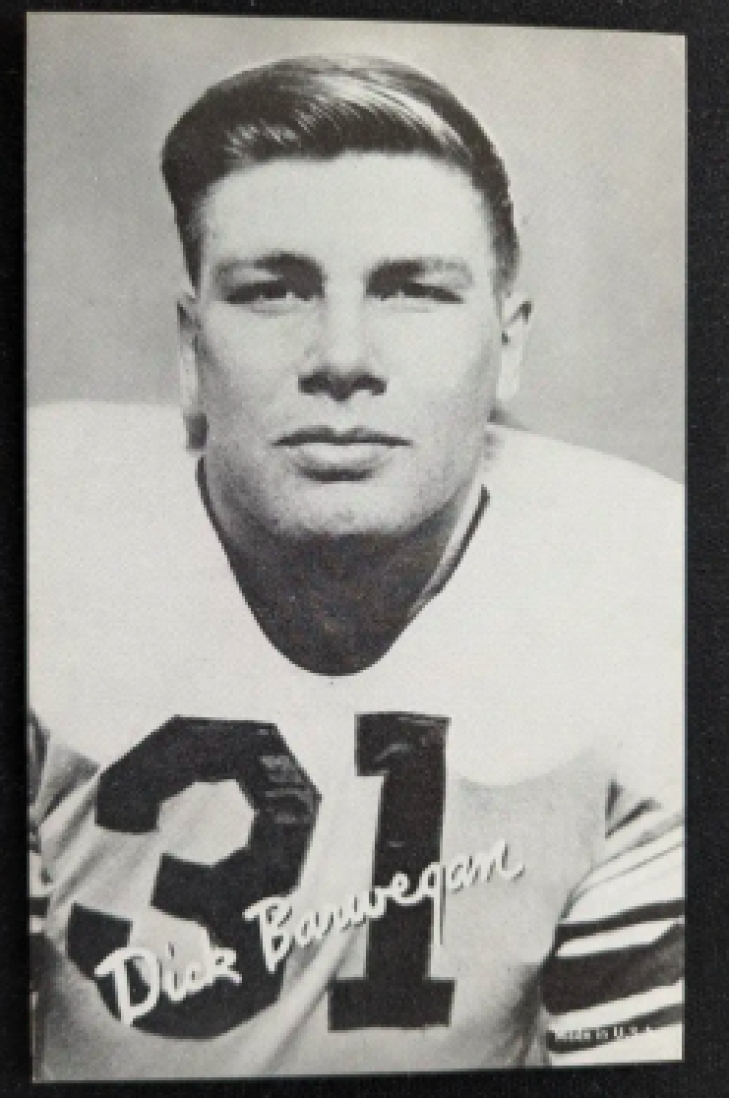
176. Dick Barwegan
177. Charley Hennigan
178. Cornell Green
179. Charley Brock
180. Bob Baumhower
161. Tank Younger
182. Buford “Baby” Ray
183. Bob Hoernschemeyer
184. Asante Samuel
185. Rich Jackson
186. Jim Katcavage
187. Matt Blair
188. Ken Kavanaugh
189. Abe Woodson
190. Nate Newton
191. Tom Sestak
192. Bill Forester
193. Brian Waters
194. Tim McDonald
195. Don Perkins
196. Steven Jackson
197. Jim Lachey
198. Brandon Marshall
198. Butch Byrd
199. Frank Minnifield
200. Dave Krieg
Rankings are impacted annually based on your comments and votes.
Thank you all for your patience. We will soon unveil more changes to the football and basketball lists.
21. Rich Jackson
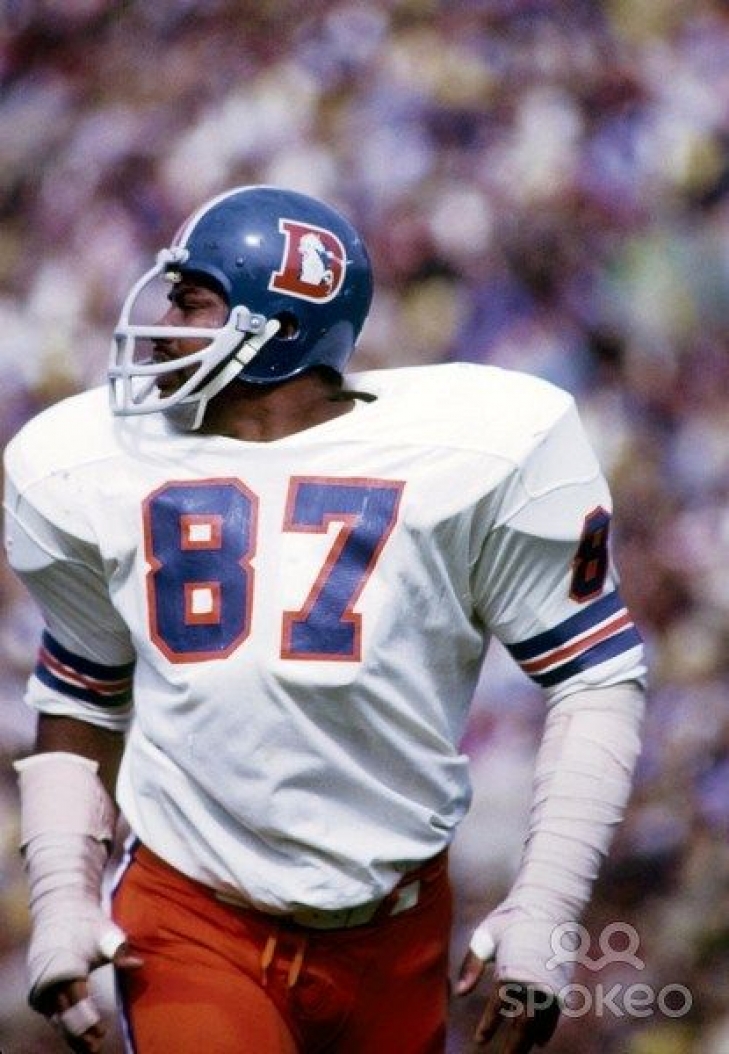
Before the NFL banned the open-handed head slap, offensive tackles in the AFL feared Rich Jackson. Originally signed by Oakland as an undrafted linebacker in 1966, Jackson was traded to Denver after his first season. The coaches wisely moved his 6-foot-3, 255-pound frame to defensive end. With a rare combination of quick closing speed and raw strength, he quickly earned the nickname "Tombstone"—because, as teammates said, when he hit someone, they were like heading to their grave.
Between 1968 and 1970, Jackson established a reign of terror, making it one of the most destructive periods for any edge rusher in pro football history. Known for his brutal head-slap move called the "Halo Spinner,” he dominated top-tier tackles like Kansas City's Jim Tyrer and Oakland's Bob Brown, tossing them aside effortlessly. He achieved three straight First-Team All-Pro selections (1968–1970) and earned three All-Star/Pro Bowl honors. Jackson was also the first in franchise history to receive First-Team All-NFL honors after the AFL-NFL merger in 1970. Although sacks weren't officially recorded, film analysis suggests he accumulated approximately 31 to 33 sacks during those three years.
Tragically, Jackson's peak of stardom was cut short at its highest point. During the 1971 season, a serious knee injury sustained against Green Bay severely limited his lateral mobility. He made a brief comeback attempt in 1972 before retiring, leaving behind a short yet undeniable legacy as a formidable game-wrecker. Legendary writer Paul "Dr. Z" Zimmerman regarded him as one of the best overall pass rushers he had ever seen.
In his seven-year NFL career, Jackson played 67 games for Denver, with an unofficial 43.0 sacks and two fumble recoveries. A three-time First-Team All-Pro, three-time Pro Bowler/AFL All-Star, and Second-Team AFL All-Time Team selection, "Tombstone" was enshrined as one of the four first members of the Denver Broncos Ring of Fame in 1984.
195. Rich Jackson
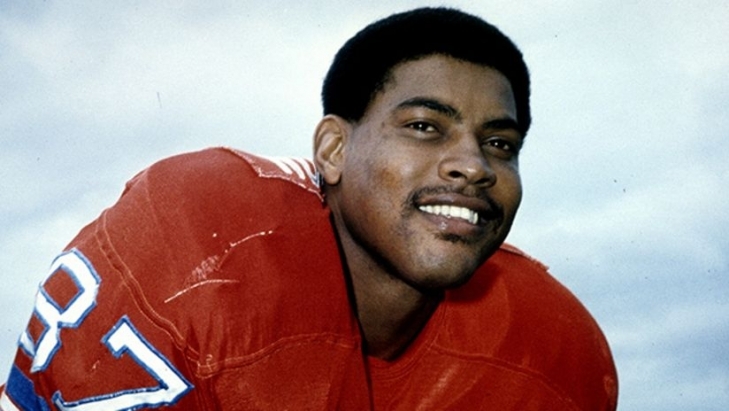
Undrafted out of Southern in 1966, Rich Jackson was given a chance by the Oakland Raiders, where he played only five games. Al Davis traded Jackson to the Denver Broncos, but the Raiders owner would soon regret it.
Jackson would become the best Defensive End in the American Football League, where, from 1968 to 1970, the man nicknamed “Tombstone” would go on a three-year streak of First Team All-Pros and Pro Bowls and would be known forever for his “head slap” and “halo spinner", two moves that would become staples of those looking to emulate Jackson. It is arguable for us to say that during those three seasons, no other Defensive End could touch him, but that was over almost as quickly as it began. He suffered a massive injury to his knee in 1971, and he was out of the game a year later, but his impact on the game, whether people are aware, is substantial.
