

Notinhalloffame List Update: 225-250 on Football Revised
The problem with running a Hall of Fame-related website is that many of the big ones we cover all have announcements within months of each other. The backbone of what we do is list-related, resulting in a long push to revise what we already have, specifically now with our Football and Basketball Lists.
At present, we have a minor update as we have completed the next twenty-five of the 2024 Football List, which you can comment on and vote on:
The new 226 to 250:
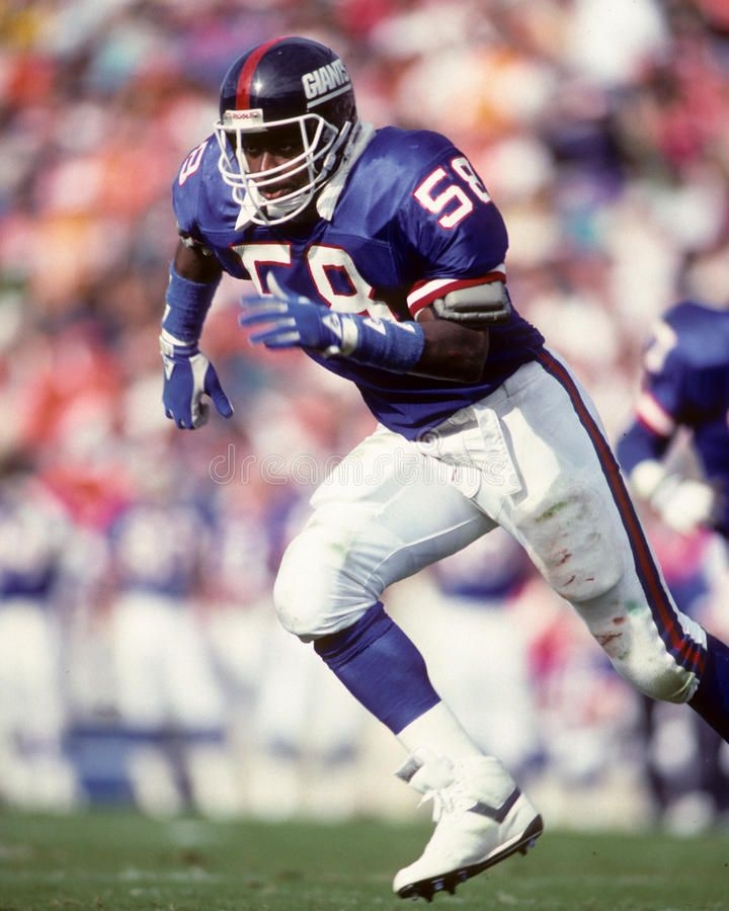
226. Carl Banks
227. Duane Putnam
228. Bob Gain
229. Dan Towler
230. Fuzzy Thurston
231. Derrick Mason
232. Kyle Rote
233. Lyle Alzado
234. Matt Forte
235. Earl Faison
236. Fred Smerlas
237. Ray Donaldson
238. Jamal Lewis
239. Len Younce
240. Ed White
241. Eugene Robinson
242. Mike Stratton
243. Jim Plunkett
244. George Saimes
245. Mark Clayton
246. Ted Washington
247. Len Hauss
248. Jim Ray Smith
249. Al Nesser
250. Dave Butz
Rankings are impacted annually based on your comments and votes.
Thank you all for your patience. We will soon unveil more changes to the football and basketball lists.
22. Jim Ray Smith
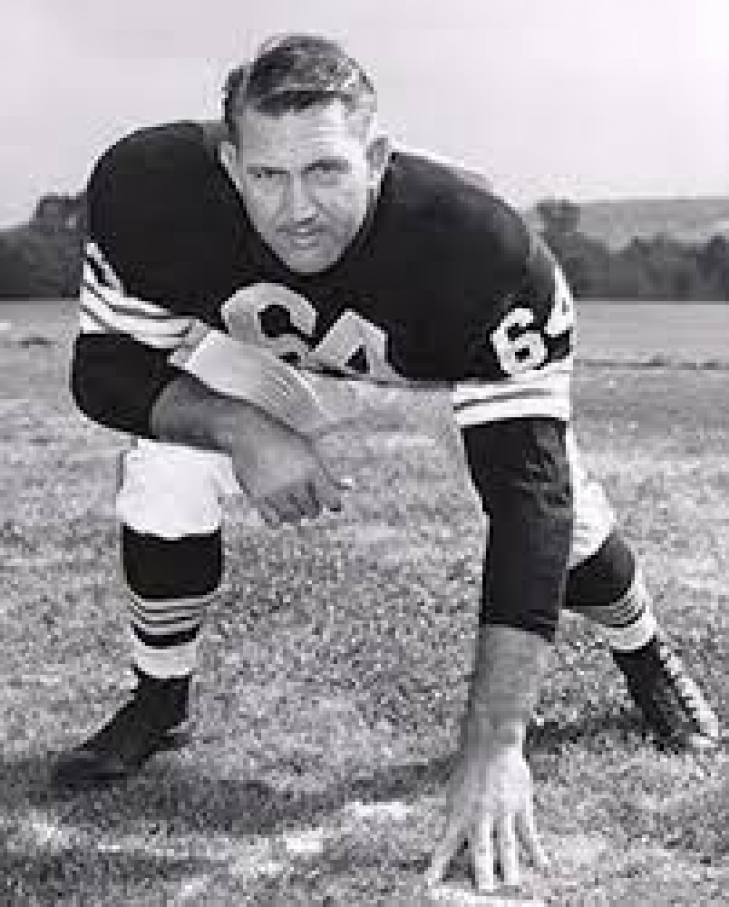
Drafted in the sixth round (64th overall) of the 1954 NFL Draft out of Baylor, Jim Ray Smith arrived in Cleveland as an accomplished collegiate tackle who began his professional career along the defensive line. Smith served in a rotational role at defensive end as a rookie, but head coach Paul Brown quickly realized his rare athletic gifts were suited for a higher calling on the offensive front.
Brown shifted Smith to the offensive line, where he logged six starts at right guard in 1957 before settling permanently at left guard in 1958. That position change unlocked a Hall-of-Fame-caliber talent. Armed with explosive pull-block speed, exceptional balance, and leverage, Smith became the premier interior run-blocker in professional football, pulling across the formation to clear massive lanes for Jim Brown and Bobby Mitchell.
From 1958 through 1962, Smith went on an absolute tear, earning five consecutive Pro Bowl selections alongside five straight All-Pro nods (First-Team honors in 1959, 1960, and 1961). His ability to blow open defensive fronts on sweep plays powered Cleveland's record-setting rushing attacks throughout the late 1950s and early 1960s.
Believing he was ready to step away from the game, Smith briefly retired after the 1962 season. The Dallas Cowboys coaxed him back to the field, acquiring his rights via trade and securing two final seasons of his veteran leadership before he hung up his cleats for good after 1964.
In his seven seasons with the Browns (1956–1962), Smith played in 82 regular-season games and appeared in the 1957 NFL Championship Game. The organization honored his dominant reign at guard by inducting him into the Cleveland Browns Legends in 2005.
248. Jim Ray Smith
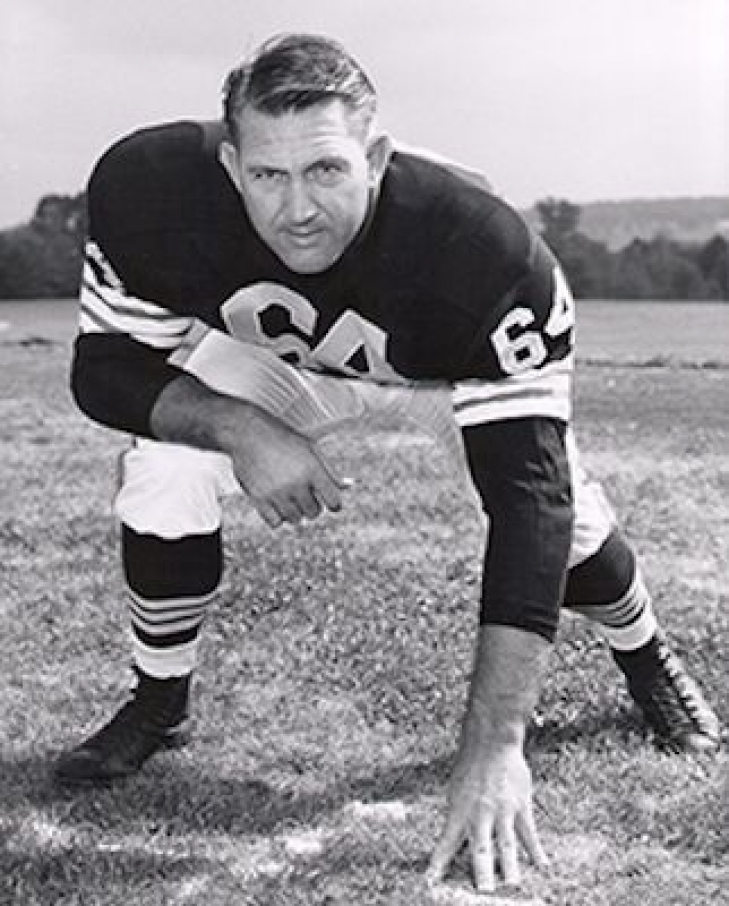
One can argue that Jim Ray Smith missed his window to be known on a higher level as he arrived in Cleveland one year too late and left two years too early, as the Browns would win NFL Championships before and after his arrival, but this was no reflection on the playing ability of Jim Ray Smith.
Smith was drafted in 1954 as an early draftee (Cleveland won the title that year), but due to military commitments, did not arrive until 1956. Smith played both sides, but excelled as an Offensive Lineman, earning his first of what would be five straight Pro Bowls in 1958. In that half-decade time frame, Smith would also be named a First or Second Team All-Pro (three First Team and two Second Team). He retired right after, though he came out of retirement for two seasons with his home-state team, the Dallas Cowboys.
