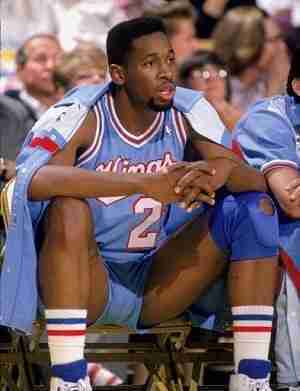

2. Blake Griffin

An All-American at the University of Oklahoma, Griffin was named the 2009 National College Player of the Year. His success with the Sooners landed him the First Overall Pick in the 2009 Draft, joining the Los Angeles Clippers. However, in what was then typical Clipper fashion, he missed the entirety of the 2009-10 season due to an injured kneecap. This setback was overcome, leading to one of the best rookie seasons of all time, as Griffin averaged 22.5 Points and 12.1 Rebounds per Game, ultimately winning the Rookie of the Year award unanimously. Griffin was also an All-Star for the first of five straight years.
Named to the All-NBA Second Team in both 2011-12 and 2012-13, Griffin now had Chris Paul as his Point Guard, and LOB City was formed. The Clippers were now contenders and made the playoffs every year (except his first) that Griffin was there. The Power Forward had his best year in Basketball in 2012-14, when he averaged 24.1 Points per Game and was third in MVP voting. Griffin was a Third Team All-NBA Selection the following season and was eighth in MVP voting.
As electric as the Griffin and Paul combination was, they never got past the second round. Paul was traded to the Houston Rockets in the 2017 off-season, and Griffin was traded during the year to Detroit. In that hybrid Clippers/Pistons year, Griffin had his last good season, earning Third-Team All-NBA honors and his sixth and final All-Star selection. Injuries mounted on Griffin, and gone were the jaw-dropping dunks and overpowering athleticism. He finished his career with Brooklyn and Boston, his last season being the 2022-23.
Griffin’s injuries may have derailed his career, but his early impact could be enough to gain a Hall of Fame induction.
214. Gerald McCoy
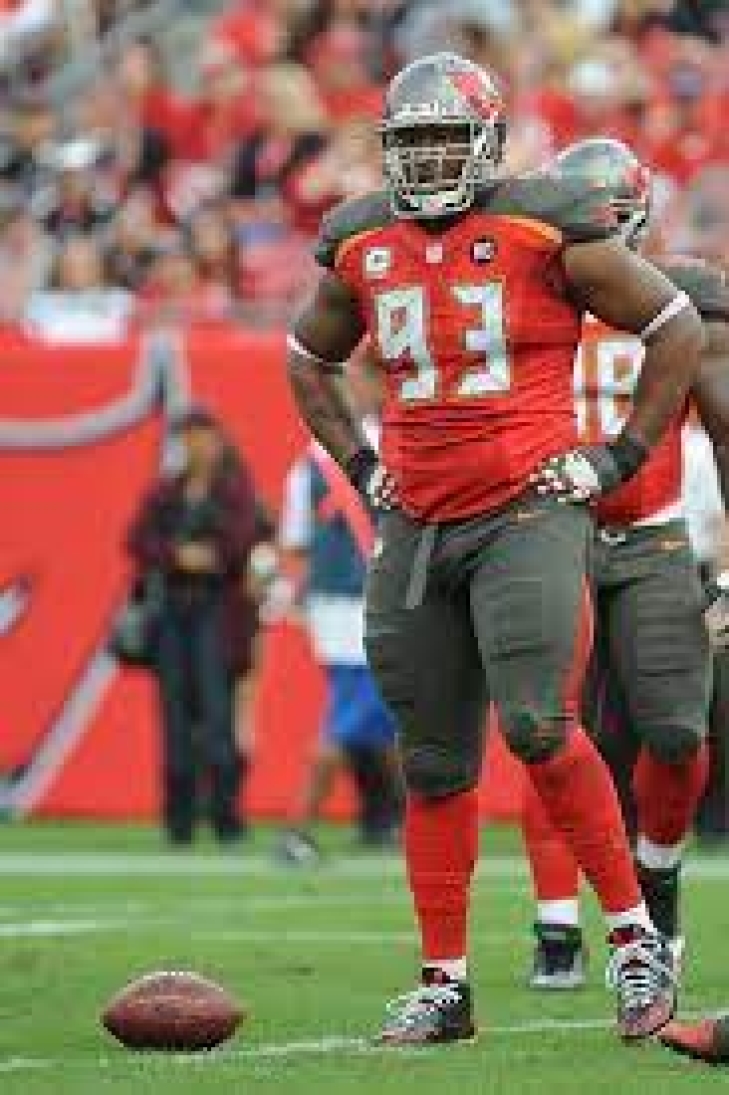
Gerald McCoy was a highly sought-after player in the 2010 NFL Draft after his impressive college career at the University of Oklahoma, where he was a two-time All-American. The Tampa Bay Buccaneers selected him as the third overall pick, joining a long list of defensive stars on their team.
From day one, McCoy won the starting position as the Left Defensive Tackle. Although his statistics don't fully capture his value, McCoy was a consistent disruptor, overpowering most opponents and blocking lanes to open up the rush for his teammates. In his third season, he began a six-year streak of Pro Bowls, including a First Team All-Pro in 2013. He stayed with Tampa until 2018, when he was released because of salary constraints.
McCoy then played for Carolina for one year before signing a three-year contract with Dallas. Unfortunately, he never played a single game for them as he suffered a ruptured quad and was subsequently released. He sat out the entire 2020 season and signed with Las Vegas, but his time with them was cut short after he sustained a knee injury in his first game. That was his last time playing.
Throughout his career, McCoy achieved 59.5 sacks and 334 combined tackles.
2. Adrian Peterson
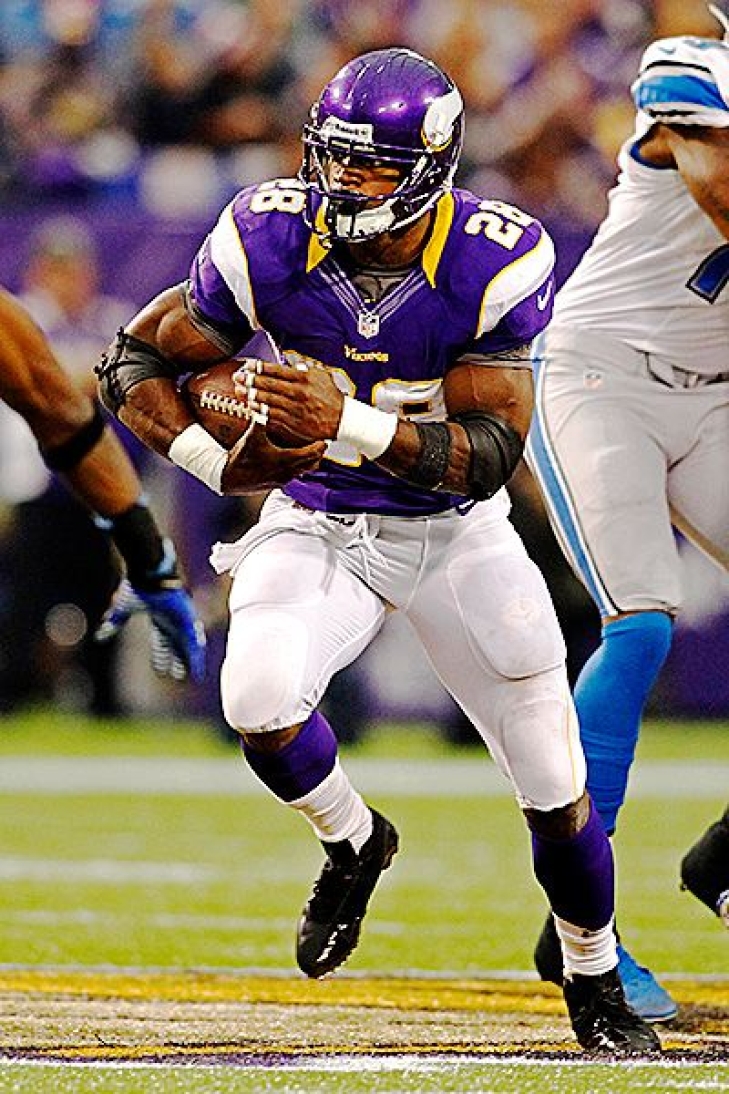
Adrian Peterson quickly proved to be a complete package as a running back. He was an All-American in his first season at Oklahoma and made history as the first freshman to be the runner-up for the Heisman. Peterson played two more seasons with the Sooners, but ankle issues prevented him from having the same impact in those years. Despite scouts' concerns about his past injuries, Peterson was highly regarded. Minnesota drafted him with their seventh overall pick, and his injuries did not hamper him as some had expected.
Peterson proved he had all the skills scouts predicted he would. He was a speedy athlete with a strong frame who could outperform you in outrunning, overpowering, and outmaneuvering you. The Running Back confidently claimed that he would win the Offensive Rookie of the Year title, and he successfully did so by rushing for 1,341 Yards, scoring 12 Touchdowns, and setting a record for the most rushing yards in a single game (296). Even though Peterson had achieved similar results in his freshman year in college, doubters still wondered if he could remain durable over the next few seasons. Nevertheless, Peterson proved them wrong yet again.
Peterson won his first Rushing Title (1,760) as a sophomore and his first Rushing Touchdown Title (18) in his third season. He was a First Team All-Pro in both of those years. As a result, Peterson was the top Running Back in the National Football League at the start of the 2010s.
Peterson remained a top player over the next two seasons, scoring a dozen touchdowns each year. However, in 2011, he suffered a major injury that set his career back. Peterson tore his ACL and MCL and was unlikely to return to the field until Game 1 in 2012. Despite this challenge, Peterson approached his recovery with the same determination he showed on the field against defenders.
Peterson's 2012 season was truly remarkable, especially considering the challenges he faced during the off-season. Despite this, he stayed healthy and had the best performance of his career. He won two titles that season - the Rushing Title (with 2,097 yards) and the Yards From Scrimmage Title (with 2,314 yards), both career-highs. Peterson was also awarded the AP MVP and Offensive Player of the Year Awards. It was a season that will go down in history and is arguably the most outstanding offensive year in Minnesota Vikings history.
Adrian Peterson rushed for 1,266 yards in the 2013 season, which was an emotional year for him due to the tragic loss of his two-year-old son at the hands of his mother's live-in boyfriend. The following season, Peterson faced child abuse allegations and was only able to play in one game. As a result, he was suspended for the rest of the season.
However, Peterson returned in the 2015 season with a vengeance, gaining 1,485 yards and scoring 11 touchdowns. This performance was a significant achievement for him, as he topped the NFL in both categories for the first time. Although he had better performances earlier in his career, this season was Peterson's last All-Pro year. In the six years that followed, he struggled with injuries and moved from team to team.
Despite these challenges, Peterson still had moments of greatness, such as in 2018, when he played for the Washington Redskins and gained close to 2,000 yards in his two years there. He also had brief runs with Arizona, New Orleans, Detroit, Tennessee, and Seattle. Throughout his career, he amassed 14,918 rushing yards, 17,808 all-purpose yards, and 126 touchdowns, along with numerous individual awards.
Despite the off-field controversies, Peterson is widely regarded as one of the greatest running backs in history, with the statistics and awards to back it up. It would be a shock if he did not cruise into Canton immediately.
228. Ralph Neely
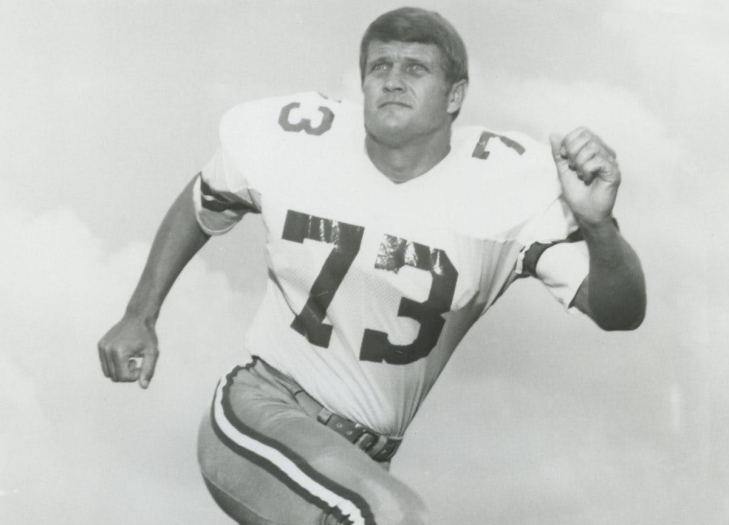
Ralph Neely was drafted by the Houston Oilers of the American Football League and the Baltimore Colts of the NFL, and he secretly agreed to play for the Oilers (it was kept secret so he could play for the University of Oklahoma in the Gator Bowl).
Neely was ready to be an Oiler, but the Colts traded his rights to the Dallas Cowboys, a team he would rather play for, and "Big D" would land the Offensive Tackle.
The AFL was clearly the place for Neely, as he would play there from 1965 to 1977, which was his entire professional NFL career. He was at his best in the late '60s, when he was a First Team All-Pro three years in a row (1966-68) and earned All-Decade Team honors. The tackle helped them win two Super Bowls (VI & XII). His career seemed to be tailor-made for Dallas.
91. Keith Jackson
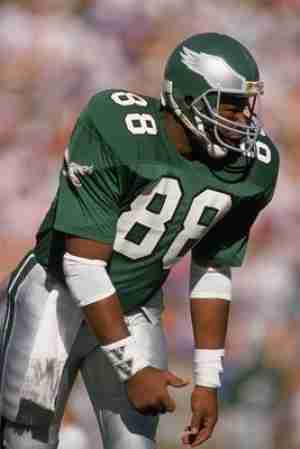
It might be hard to be named Keith Jackson when a very famous sports commentator with the same name had already become the voice of the sport. The Tight End with the same name still managed to carve out his own identity.
Jackson took the football landscape by storm in his rookie year, catching 81 passes. He never reached that level again, but he remained among the league’s top tight ends and earned five Pro Bowl selections. He was at his best when the pressure was on, and his star shone brightly in the playoffs. As a clutch receiver, Jackson was often a favorite target when needed most. He cemented his fine career in his final season with a Super Bowl Ring as a member of the Green Bay Packers.
Keith Jackson had a very solid career, but he is one of many talented Tight Ends on the outside looking in.
Should Keith Jackson be in the Hall of Fame?
40. Bobby Boyd
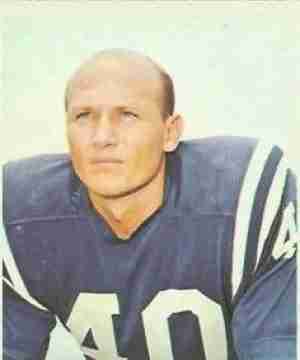
As much as football changes, some statistics will always remain critical to the game. One such stat is the Interception, which is one of the biggest game-changers regardless of era. In the ’60s, Bobby Boyd was one of the masters of the pick.
Although Bobby Boyd was only in two Pro Bowls (though he was a three-time First Team All-Pro) it is hard to look at his career and really find a down year. In his nine years in the National Football League, Boyd nearly averaged an interception for every two games he played. Basically, Bobby Boyd could be counted on to turn the tide of a game several times in a season. As an excellent runner, Boyd was extremely dangerous once he intercepted the ball, and rarely would his picks result in zero yards.
Although he was very good, he is one of many who slipped through the cracks. He had the misfortune of joining the Colts the year after they won a championship, and though they were good through the ’60s, they never won a title during his tenure. Had they done so (let’s say Super Bowl III perhaps?), would Boyd have been the recipient of a Hall of Fame legacy?
Should Bobby Boyd be in the Hall of Fame?
108. Alvan Adams
114. Mookie Blaylock
96. Wayman Tisdale