
265. Troy Vincent
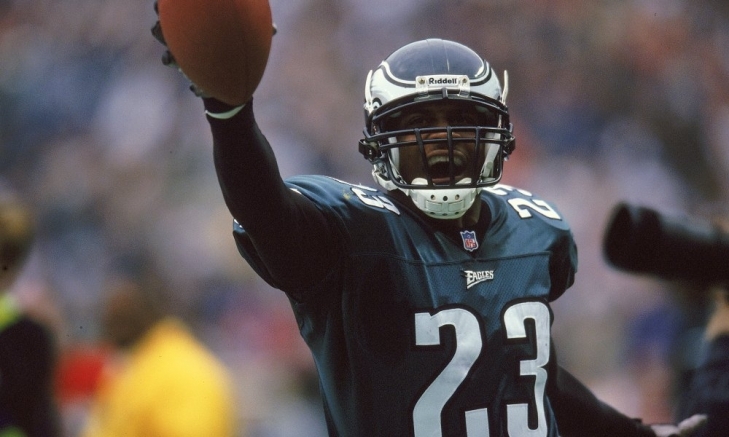
A defensive superstar from the University of Wisconsin, the Miami Dolphins drafted Troy Vincent 7th Overall in 1992. Vincent immediately became the starting Left Cornerback and played well for Miami over his four seasons there. That was a good start, but it was later as a Philadelphia Eagle that he shined.
With Philadelphia, Vincent earned five straight Pro Bowl selections (1999-03) and was a First Team All-Pro in 2002. That year he was also named the Walter Payton Man of the Year, a testament to the character he showed on and off the field. Vincent would finish his career with 47 Interceptions.
305. Jerry Norton
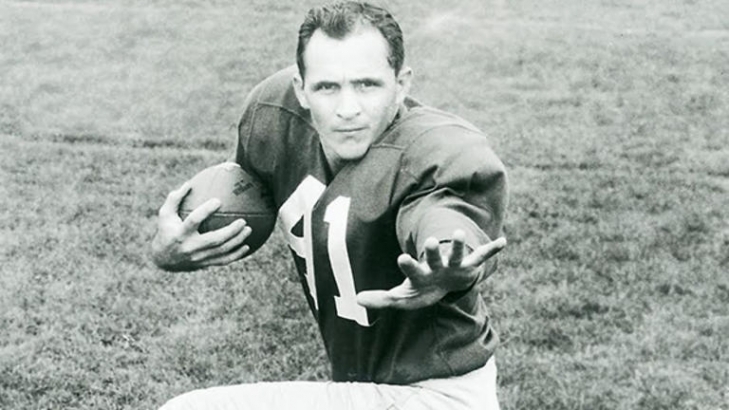
Jerry Norton began his professional football career in 1954 with the Philadelphia Eagles, where he started as a Safety, then performed as a Half Back, then back to Safety again. Norton was also an excellent Punter, and in 1957 he would lead the league in Punts and Punting Yards. He would be traded to the Chicago Cardinals (which would become the St. Louis Cardinals) before 1959 and was affixed at Safety and Punter, and he would continue on a five-year streak of Pro Bowls that he began in Philadelphia. Norton would again lead the NFL in Punts and Punting Yards in 1960, which was the same season he led the league in Interceptions (10). He would accumulate 35 picks in total.
158. Bill Bergey
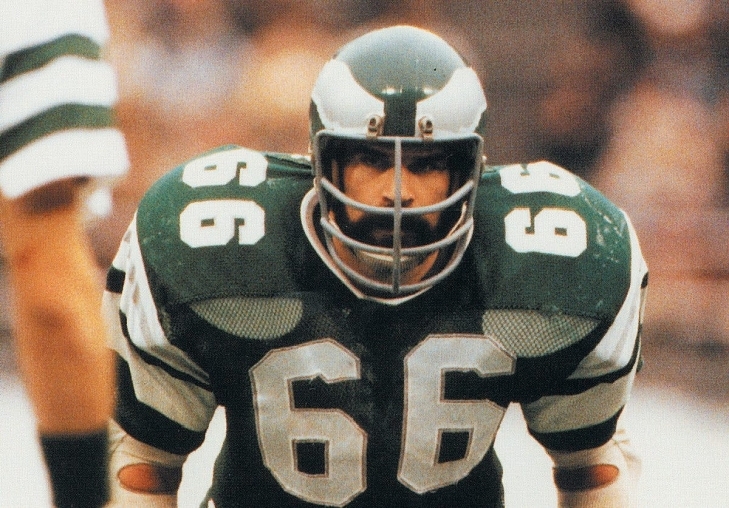
Bill Bergey came to the Cincinnati Bengals from Arkansas State, where, as a rookie, the linebacker went to the Pro Bowl. Bergey didn't make the Pro Bowl again as a Bengal, but he was undoubtedly a strong player Cincinnati coveted until they grew upset with him.
Bergey signed a "futures contract" with the Florida Blazers of the World Football League, which would have taken effect in 1976. The Bengals opted to trade him instead of keeping someone who would be gone in two years, and he went to the Philadelphia Eagles, where he continued his career. Because the WFL didn’t last long and the Blazers didn't exist in ’76, the Eagles came out way ahead in this trade. This turn of events had to irk the Bengals to no end, as in 1974 and 1975, he was named a First Team All-Pro, was an elite tackler (he would have a 233 Tackle season), and when his contract was up, he resigned with the Eagles. Bergey would go on to have three straight Second Team All-Pro selections (1976-78) and would help the Eagles reach Super Bowl XV. He would also go to four more Pro Bowls with Philadelphia.
120. Bucko Kilroy
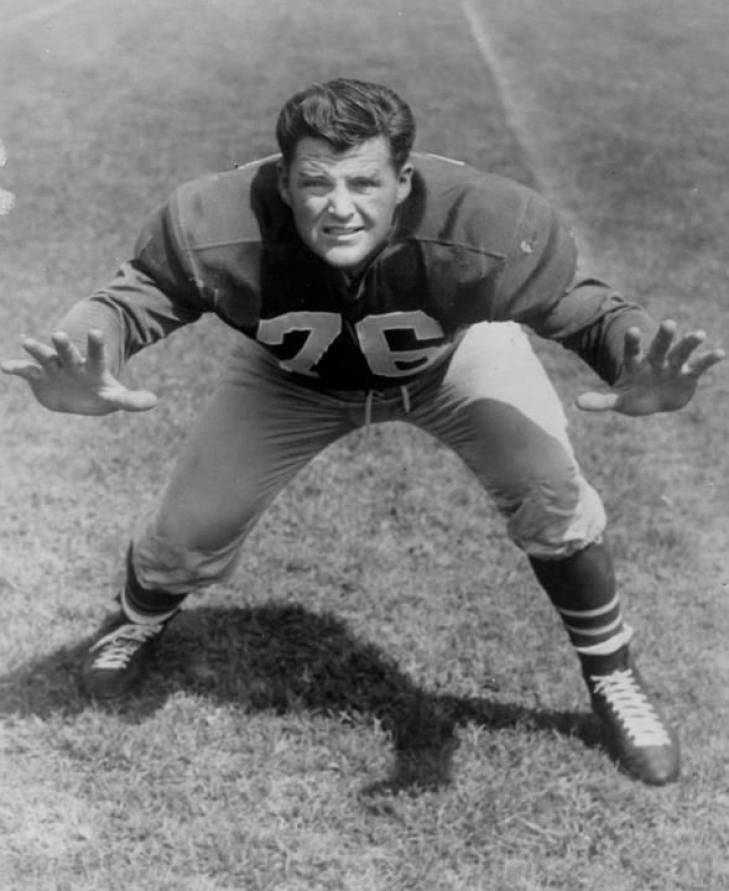
A beast at Temple University, Francis Joseph "Bucko" Kilroy may not have been drafted, but his hometown Philadelphia Eagles knew there was something special there, and he made the team; albeit in a combined effort, as in 1943 the Eagles merged with the Pittsburgh Steelers due to the depletion of talent due to World War II.
Kilroy would play his entire career with the Eagles, and the bruising Lineman was considered one of the toughest players in the league. He helped Philadelphia win the 1948 and 1949 NFL Championships and made three Pro Bowls in the 1950s. He would later be named to the 1940's All-Decade Team.
Kilroy would later become a very successful scout and administrator, and if the Pro Football Hall of Fame combined on-field and post-playing career (they don't), the case can be made that Kilroy should have been inducted decades ago.
30. Al Wistert
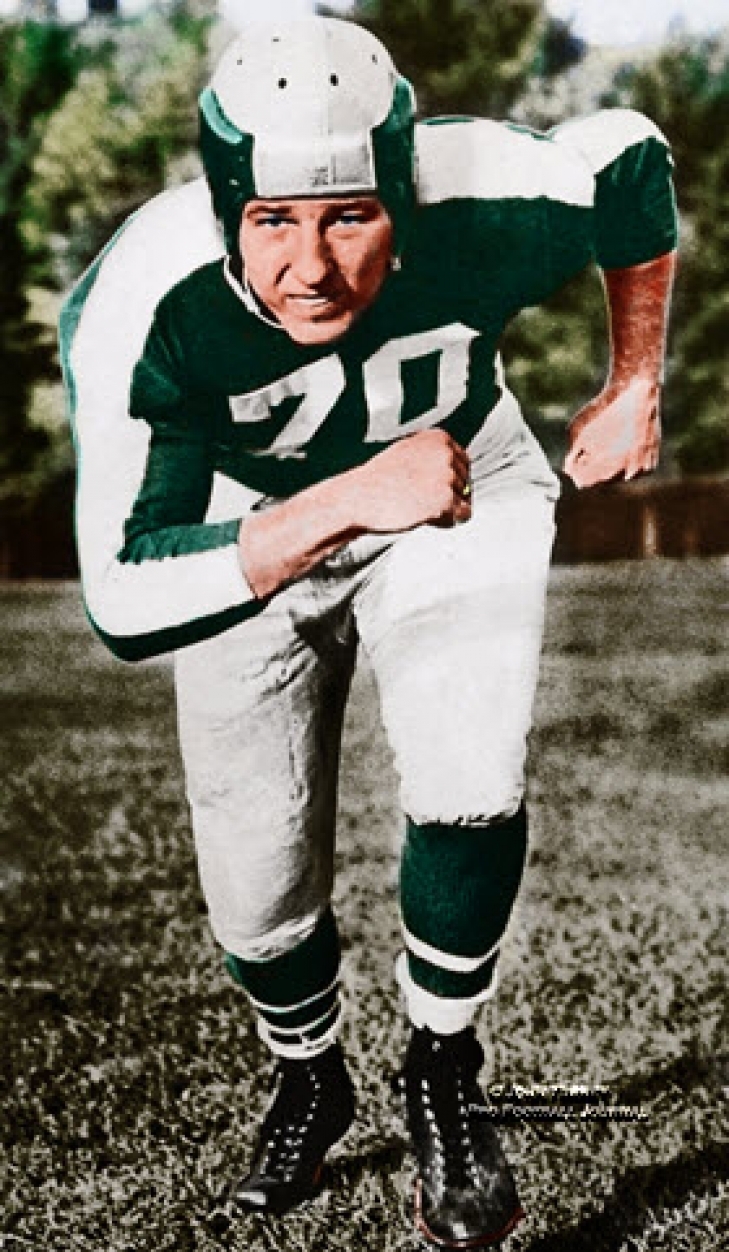
Drafted by the Philadelphia Eagles in 1943, Al Wistert would play his entire nine-year career in Eastern Pennsylvania. Playing at Tackle (on both sides of the ball), the former Michigan Wolverine would be named a First Team All-Pro by the Associated Press four years in a row (1944-47). Wistert would be named to the Pro Bowl in 1950 and was an integral part of Philadelphia's back-to-back NFL Titles in 1948 and 1949. It is hard to fathom the Eagles winning those championships without Wistert, their team captain, an excellent blocker for Steve Van Buren, and the leader of their defense.
The Eagles had a dynamic force in Wistert, but that has yet to translate into a Hall of Fame berth for the Tackle. The 1940s All-Decade Selection faces a tough road, as recent years have made it seem the Hall is done with pre-1960 players.
The Philadelphia Eagles to induct Bobby Walston to their HOF
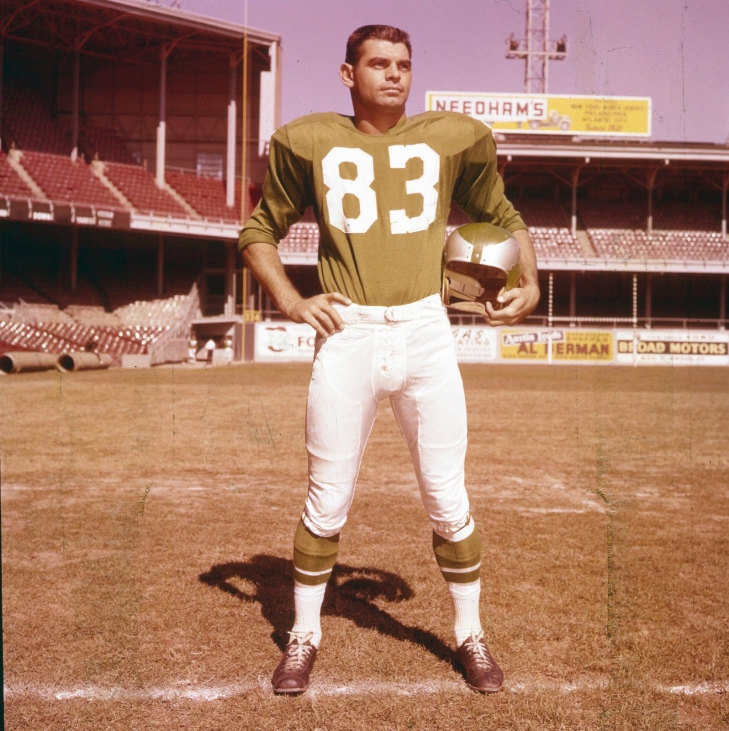
During halftime of the Philadelphia Eagles home game pre-season game it was announced that Bobby Walston will be inducted into their franchise Hall of Fame on September 21, during their home game against the Detroit Lions.
Walston played his entire 12-year career (1951-62) with Philadelphia where he was one of the most versatile offensive weapons that the team would have as he played at Wide Receiver, Tight End and Kicker. He was a member of the 1960 NFL Championship Team and was a two-time Pro Bowler (1960 & 1961) and his 5,363 Receiving Yards during his time was the fourth most in the NFL during the time he played. His 881 Points Scored is still second all-time in franchise history.
Sadly, this accolade will be posthumous, as he passed away in 1987.
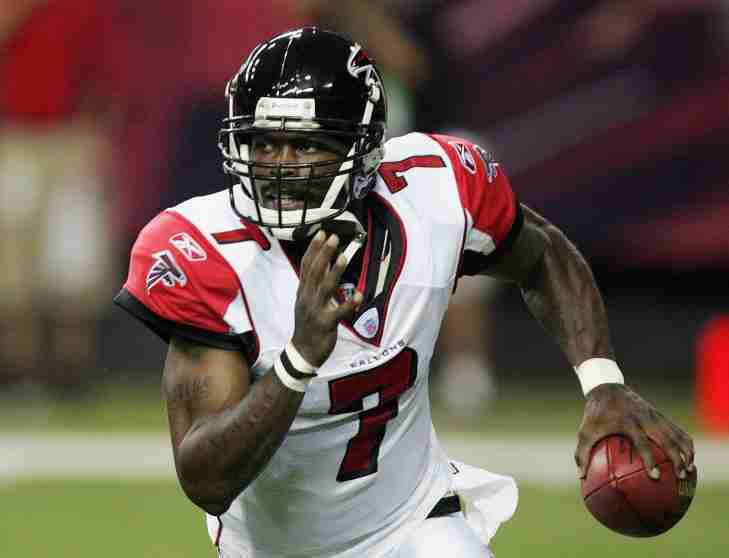
311. Michael Vick
Brian Dawkins 2017 HOF Debate
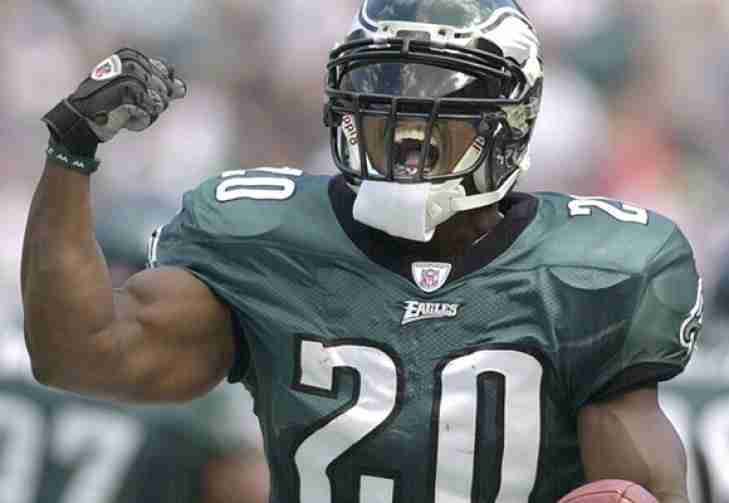
Committee Chairman: Spheniscus, we have a strong candidate for a first year inductee in Brian Dawkins…except for two things:
Jeremiah Trotter to the Philadelphia Eagles HOF
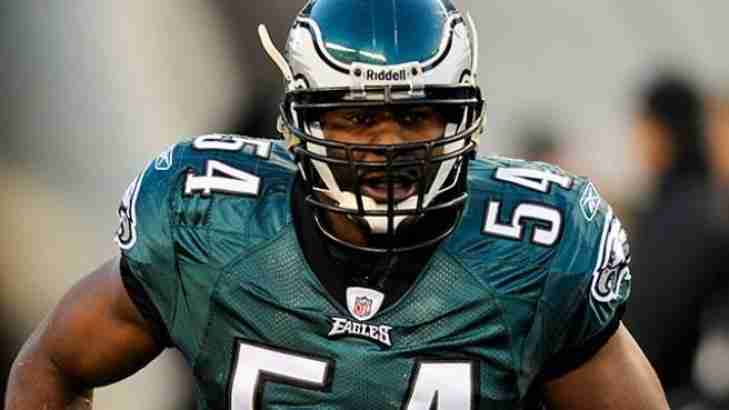
Middle Linebacker, Jeremiah Trotter will be entering the Eagles Hall of Fame this autumn.
Trotter was a 3rd Round Draft Pick in 1998, from Stephen F. Austin and was used sparingly in his rookie season. Trotter would become a starter in his sophomore season under new Head Coach, Andy Reid, and would proceed to lead Philadelphia in Tackles in three seasons in a row.
In 2000, Trotter would be named to the First Team All Pro and make his first Pro Bowl. He would go to the Pro Bowl again the following season. Unfortunately for the Eagles fans, he was unable to work out a contract extension and would become a free agent, signing a two year deal with the NFC East rival, the Washington Redskins. It would only be two seasons in red for Trotter as he would sign back with the Eagles following that stint.
Returning to Philadelphia in 2004, he would again go to the Pro Bowl and again in 2005. He would sign with Tampa Bay in 2007 and returned to the Eagles for his third and final run with the team for one season in 2009.
Trotter finished his Eagles career with 116 Games, 7 Interceptions, 2 Defensive Touchdowns, 11 Quarterback Sacks and 564 Tackles. Arguably, Trotter was a key factor to Philadelphia’s last Super Bowl appearance.
The Linebacker will be joined into the Philadelphia Eagles Hall of Fame with Broadcaster, Merrill Reese who will be entering his 40th season broadcasting for the team.
The ceremony for the new Eagles Hall of Fame class will take place during their November 28th home game against the Green Bay Packers.
We here at Notinhalloffame.com would like to congratulate both Jeremiah Trotter and Merrill Reese for earning this prestigious honor.
91. Keith Jackson
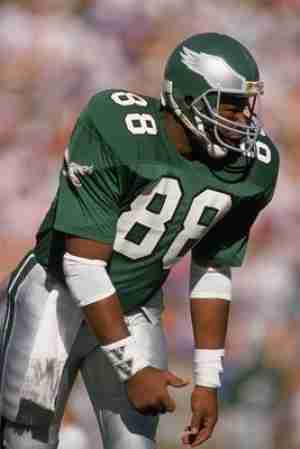
It might be hard to be named Keith Jackson when a very famous sports commentator with the same name had already become the voice of the sport. The Tight End with the same name still managed to carve out his own identity.
Jackson took the football landscape by storm in his rookie year, catching 81 passes. He never reached that level again, but he remained among the league’s top tight ends and earned five Pro Bowl selections. He was at his best when the pressure was on, and his star shone brightly in the playoffs. As a clutch receiver, Jackson was often a favorite target when needed most. He cemented his fine career in his final season with a Super Bowl Ring as a member of the Green Bay Packers.
Keith Jackson had a very solid career, but he is one of many talented Tight Ends on the outside looking in.
Should Keith Jackson be in the Hall of Fame?
39. Randall Cunningham
If the Football Hall of Fame were based solely on excitement, there should be no doubt that Randall Cunningham would have been inducted on the first ballot. His nickname, the “Human Highlight Reel,” was well deserved, and he was hands down the most entertaining Quarterback of his era.
Randall Cunningham could beat you with his throwing arm or with his legs. He excelled at scrambling and is the current all-time leader for rushing yards (4,928) for a Quarterback. This made him exciting to watch but also overshadowed his passing. Cunningham was an efficient thrower, and as his speed began to wane, he was able to prove to a lot of people in the league that he could throw with the best of them.
Cunningham's scrambling was not always effective, as he was sacked a lot. He did, however, bring so many weapons (he was also a great punter) to the field that he inspired a new generation of mobile, multi-faceted quarterbacks. Cunningham never won the AP MVP, but he was a three-time Bert Bell Award winner, and also won a PFWA MVP and NEA MVP. Doesn't that show how incredible he was? This should be enough to warrant a look from the Hall, though it hasn’t happened yet, and may never
Regardless of whether Cunningham makes the PFHOF, he is one of the most influential Quarterbacks in Football, and that can never be taken away from him.
Should Randall Cunningham be in the Hall of Fame?
154. Irving Fryar
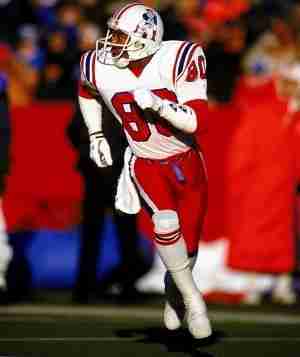
As the first overall pick in 1984, many expected Irving Fryar to be great right away. He wasn’t, but his career showed a slow climb to elite status, and often, you heard his number called by broadcasters on Sunday afternoons.
Irving Fryar was always a good NFL receiver, but he became a go-to Wide Receiver in his late 20’s. It was between the ages of 29 and 35 that Fryar had his five 1,000-yard seasons, and it was also at this time that he saw his name among the league leaders in receiving categories. Fryar holds the record for touchdown receptions from the most Quarterbacks (19), and with his emergence late in his career as a star, he rapidly climbed up the all-time statistical ranks.
As good as Irving Fryar was, he never led a major offensive category and was never named to a First Team All-Pro team. Chances are that Fryar would have had to do that at least once to be considered a viable Hall of Fame candidate, as despite his career numbers, his name does not come up often in the Canton conversation.
Should Irving Fryar be in the Hall of Fame?
60. Pete Retzlaff
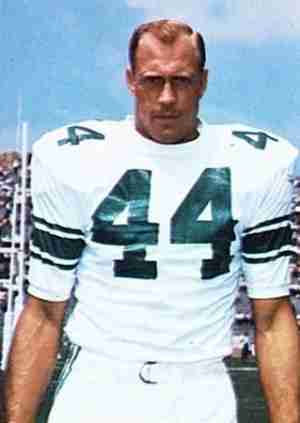
In this era of sports specialization, it is hard to imagine football players changing positions regularly. Pete Retzlaff played various offensive positions, but he could always be counted on to catch the ball.
On five different occasions, Pete Retzlaff had seasons of 50 or more receptions. Considering the era in which he played, that tally becomes even more impressive. His best offensive seasons occurred after he moved to Tight End, where he was one of the few at that position who was sure-handed. He continued to put up impressive stats and received the Bert Bell Award in 1965.
Retzlaff was not the best blocker, which may have limited his overall performance at tight end. Still, with the numbers he could put up at a time when it was not common, the fact that he was not the League’s best blocker could be forgiven somewhat.
Should Pete Retzlaff be in the Hall of Fame?
42. Ricky Watters
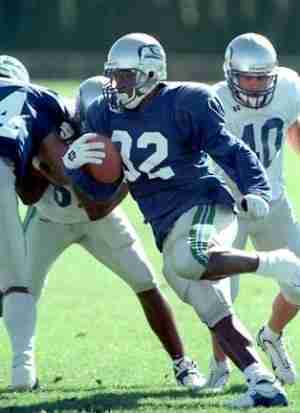
You never had to wonder what was on Ricky Watters's mind. He would tell you whether it was good or bad, and that brashness made him a very polarizing figure in the NFL. This may also be why the Hall of Fame has yet to seriously consider him.
Ricky Watters was one of the most consistent Running Backs in the National Football League. He gained 1,000 yards on the ground seven times while catching fifty passes five times. Watters was the player that teams went to when they wanted to move the chains. With that said, he was far from a darling of the press, and it has been speculated that this could be a factor that could keep him out of the Hall of Fame, despite being one of the most durable dual-threat backs in NFL history.
He posted sufficient career numbers (14,891 YFS & 91 TD) but never had that one season where he was the most dominant Running Back in the NFL. If he had, it would have been nearly impossible for Ricky Watters to be snubbed. Saying that, he had a similar career to Roger Craig, and now that Craig is in, Watters could get another look.
Should Ricky Watters be in the Hall of Fame?
101. Herschel Walker
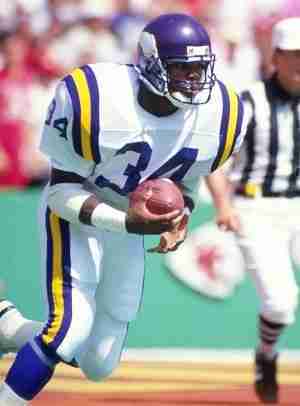
It may be called the Pro Football Hall of Fame, but for all intents and purposes, it only focuses on accomplishments from the NFL and, to a lesser extent, the AFL. This is too bad for Herschel Walker, who chalked up monster totals in his first three years of Pro Football but did so as a member of the New Jersey Generals of the upstart United States Football League.
Walker went to the Dallas Cowboys and tried to live up to the PlayStation-like numbers he put up in College and in the USFL. Walker was still very good and put up good numbers for Dallas in both receiving and running the ball. He was, however, the focal point of one of the more lopsided trades in NFL history, where the Vikings sent five players and a multitude of draft picks (three of which were Emmitt Smith, Alvin Harper, and Darren Woodson). Dallas used this to build a dynasty in the ’90s, and Minnesota coaches took their frustration out on Walker, who wasn’t used to his best ability as a Viking. Herschel was still good, but his stock dropped dramatically.
That lopsided trade hurt his legacy, but Herschel Walker should be remembered as a great Running Back who contributed in pass and kick return situations. If he were a rookie today coming out of Georgia, where there is no USFL, would he have had a shot to shatter NFL rushing records?
Sadly, we will never know.
Should Herschel Walker be in the Hall of Fame?
15. Maxie Baughan
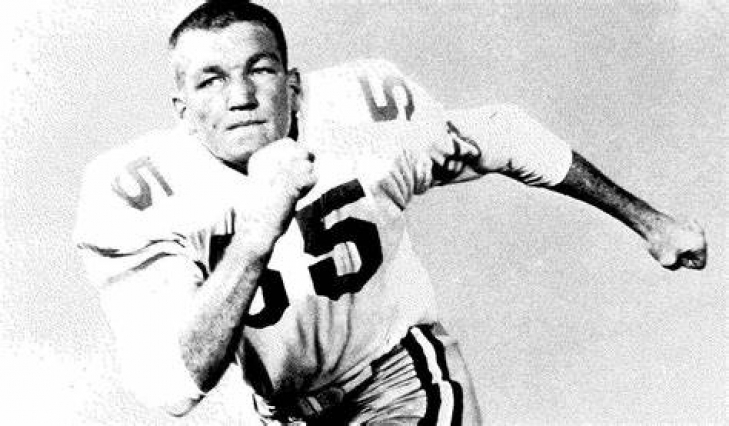
Maxie Baughan had a successful eleven-year career in professional football, making the Pro Bowl for nine of those years. Despite this, the Pro Football Hall of Fame has not recognized him as he deserves. Baughan started his career at Georgia Tech and played for the Philadelphia Eagles.
He was a key player in their championship-winning season in 1960, and his linebacker skills made him the team's best defender. He earned five Pro Bowl selections and was a First Team All-Pro while with the Eagles. However, as the team's fortunes declined, the Eagles traded Baughan to the Los Angeles Rams in 1966.
Baughan continued to play well for the Rams, earning four consecutive Pro Bowl selections and four Second Team All-Pros from 1966 to 1970. He was a great fit for the team's Head Coach, George Allen, who knew how to make the most of Baughan's skills. After an injury-plagued 1970 season, Baughan retired but later rejoined Allen as a player-coach in 1974.
Baughan's acrimonious departure from the Eagles likely delayed his induction into their franchise Hall of Honor until 2015. It's unclear when the Pro Football Hall of Fame will recognize him, if at all.
Should Maxie Baughan be in the Hall of Fame?
294. David Akers
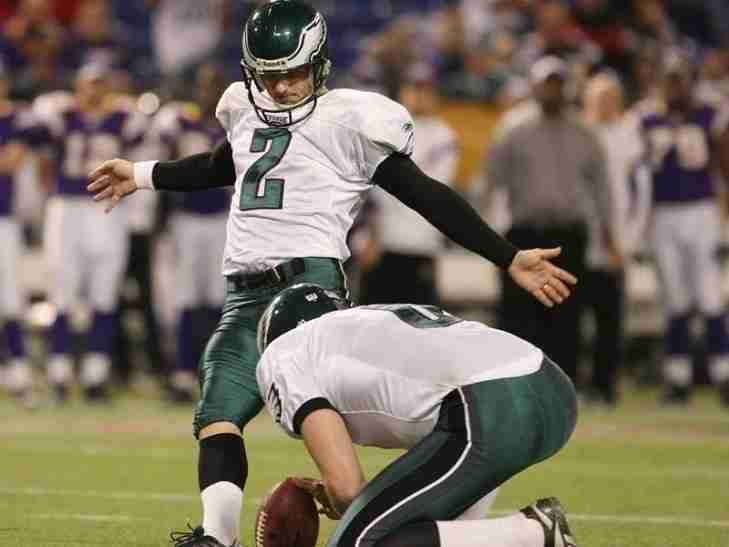
One of the best Place Kickers of his day, David Akers, had to wait a little to prove his worth in the NFL. Akers went undrafted out of Louisville in 1997, and after trying out for the Atlanta Falcons and Carolina Panthers, the Washington Redskins signed him, but he played only one game and missed both Field Goals (both 48-plus).
The Philadelphia Eagles gave him a shot, and after a stint with Berlin in NFL Europe, he would prove to be the Eagles' most dependable player for over a decade. Akers went to six Pro Bowls and was a First Team All-Pro twice. He would make the Philadelphia Eagles 75th Anniversary Team and the 2000s All-Decade Team. He finished his career with the San Francisco 49ers and Detroit Lions and held the record for the most Points in Pro Bowl history with 57.
87. Donovan McNabb
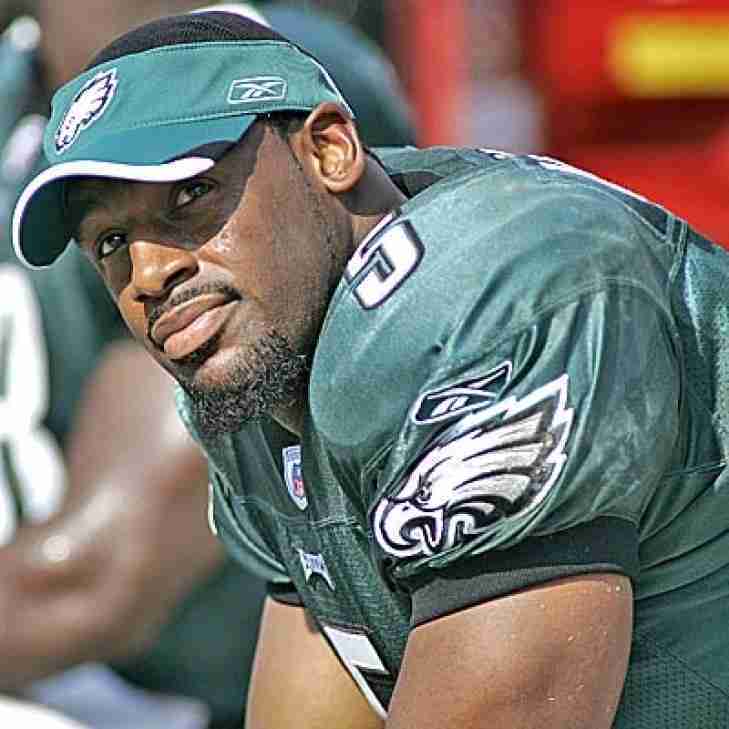
At one point, we here at Notinhalloffame.com debated openly that Donovan McNabb played himself out of the Hall of Fame, with horrific stints in Washington and Minnesota, but if he had won that Super Bowl (the one he threw up in), would that discussion even be held?
What we have here is a six-time Pro Bowler who was a legitimate dual-threat with his legs and arm and was constantly in the top ten annually in key offensive stats for pivots, but again was mostly considered at the top of the second tier of QBs, or at the very best the lower end of the elite. He may not have won that Super Bowl, but he took Philly to the NFC Championship multiple times, without having a top-flight receiver (save for that one year with Owens). He could pass, he could run, but he was always polarizing, and based on his votes here, he remians in that dubious category.
Without question, McNabb made the Eagles better for years, but that failure to win the Super Bowl will be what many decision-makers will point at should they keep him out.
Brian Westbrook and Maxie Baughan to the Eagles HOF
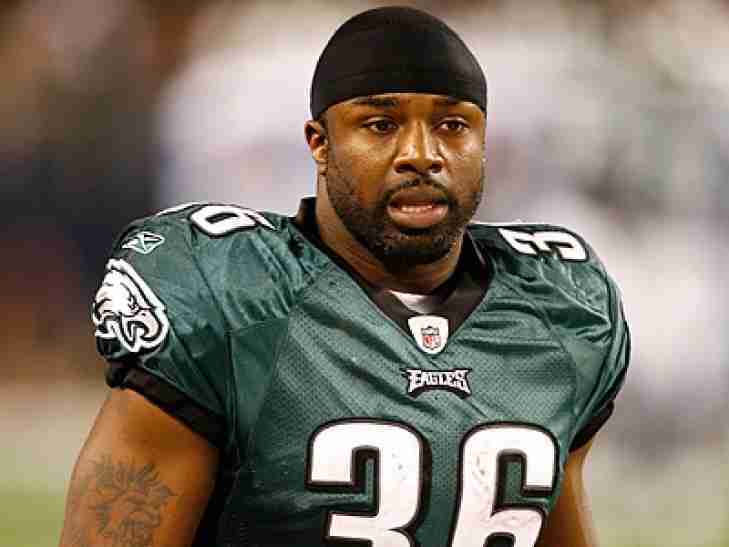
Brian Westbrook and Maxie Baughan will enter the Philadelphia Eagles Hall of Fame officially on October 19, the date of Philly’s home game against divisional rival, the New York Giants.
Westbrook would spend eight of his nine NFL seasons with the Eagles, where he helped the team make playoff after playoff. He would finish with 5,995 Rushing Yards, 3,790 Receiving Yards with 66 Touchdowns as an Eagle. This would be framed by two Pro Bowl appearances.
Maxie Baughan spend the first half of his twelve season career with Philadelphia. Baughan earned five Pro Bowls and one First Team All Pro nod as an Eagle. The Linebacker started all 80 of his Games as an Eagle.
We here at Notinhalloffame.com would like to congratulate both Westbrook and Baughan for earning this honor.
35. Roman Gabriel
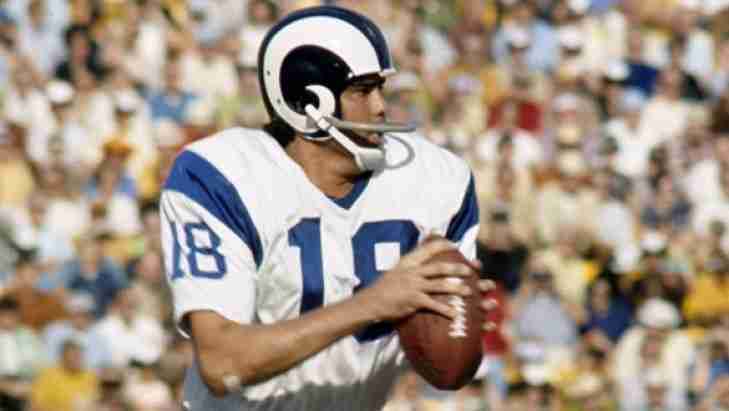
During the early 1960s, the Los Angeles Rams had a terrible reputation. This began to change when Roman Gabriel became their quarterback. By the late 60s, Gabriel had become one of the top quarterbacks in the NFL. He won the NFL's Most Valuable Player award in 1969 and helped the Rams become a respectable team and a legitimate championship threat. Gabriel's strong arm made him formidable, but he often played it safe to avoid turnovers. During the 1960s and early 1970s, Gabriel's touchdown-interception ratio of 201-149 was considered very good.
In 1972, Gabriel was traded to the Philadelphia Eagles, where he won his first Passing Yards Title with 3,219 yards and his second TD Title with 23 touchdowns. Statistically, this was the best year of his career, but he regressed afterward. He retired after the 1977 season with 29,444 passing yards.
Gabriel and other offensive stars from his time have struggled to make it into the Football Hall of Fame, possibly because their records were surpassed by the huge offensive statistics of the 90s and 00s.
