
306. Daryl Johnston
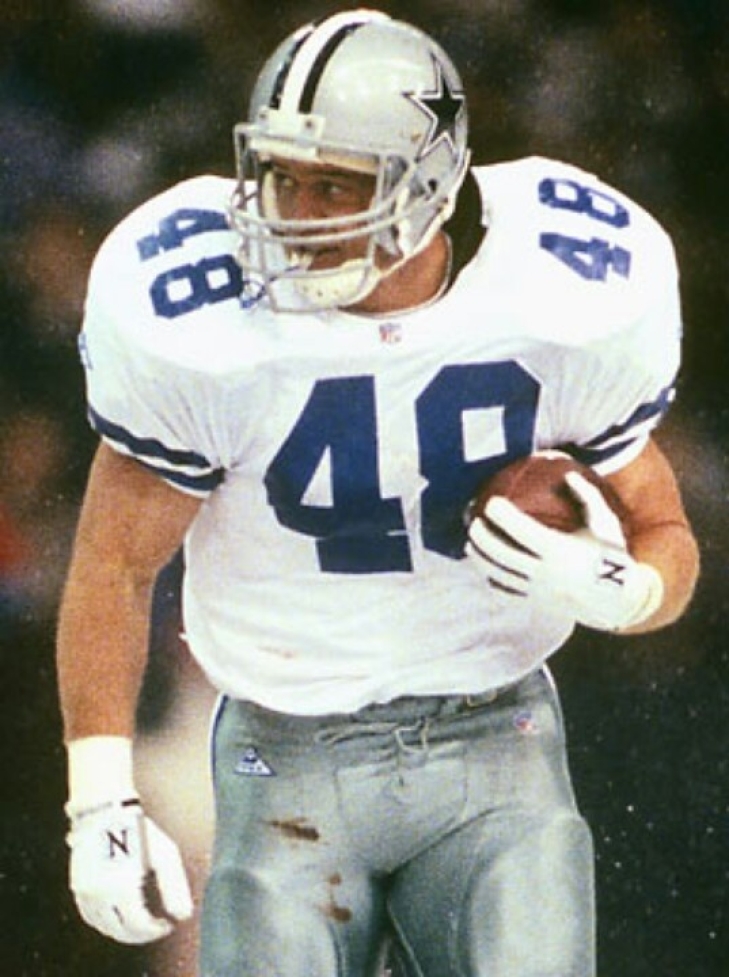
An All-American at Syracuse, Daryl Johnston became the “Moose” in Big D when Dallas chose him with their Second Round Pick in 1989.
Johnston was listed as a Fullback/Running Back, but he was mostly a blocker and had far more yardage as a receiver. Paving the way for Emmitt Smith, Johnston was integral in Dallas’s three Super Bowls in the early 1990s dynasty, and he parlayed that popularity into a broadcasting and executive career.
Johnston is never in the Pro Football Hall of Fame conversation, but to Cowboy Nation, he was a legend. Many non-Cowboys fans will say the same.
210. Gary Anderson
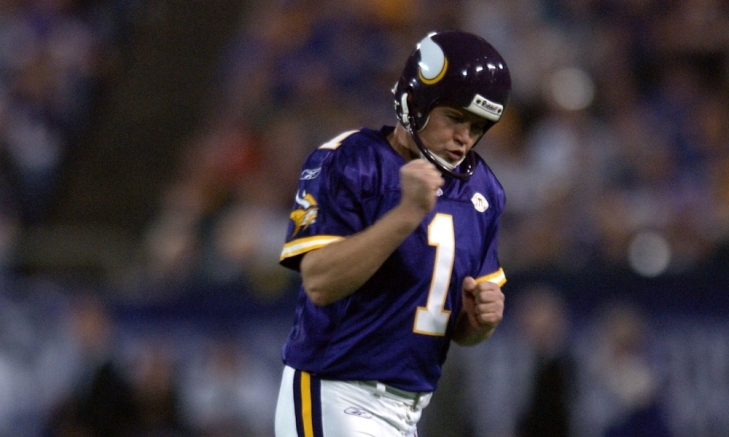
Gary Anderson made a lot of history as a Place Kicker, the first of which was becoming the first South African to play a game in the NFL. Anderson would not just play a game or two; he would play 353, which, as of this writing, places him third all-time.
Obviously, when you play that many games, you are a pretty good player, and Anderson was. Consistently considered among the better kickers since he debuted in 1982 (with Pittsburgh), Anderson would be a four-time Pro Bowl Selection. His best year (and as will be discussed, most infamous) came in 1998 when, as a Minnesota Viking, Anderson became the first Kicker to go perfect in both Field Goals and Extra Points in a season. Anderson played until 2004, and at the time of his retirement, he led the league in Points and Field Goals Made.
What hampers Anderson's Hall of Fame candidacy badly is that Place Kickers are known for their clutch kicks or critical misses. Despite the vast amount of field goal attempts he had, Anderson will always be remembered for missing a 38-Yard Field Goal in the 1998 NFC Championship (the year he was perfect in the regular season) that would have put them in the Super Bowl.
When you are a Kicker, that is all it takes to keep you out.
54. Walt Sweeney
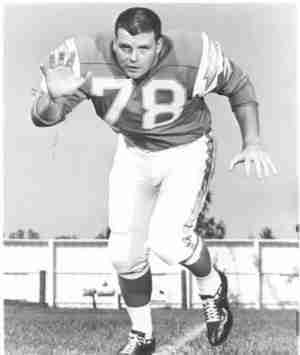
In the upstart American Football League, the San Diego Chargers possessed one of the most dominating Offensive Lines in football. A big part of that was Walt Sweeney, who patrolled the Right Guard position.
Sweeney was an immediate factor as a pro. In his sophomore year, Sweeney was an AFL All-Star, and he remained either that or in the Pro Bowl post-merger for the next eight years. He was paired on the right side by future Hall of Famer Ron Mix, and the two created an unbeatable combination on the right side of the O-Line.
Mix got inducted in 1979, but Sweeney has yet to receive a look, despite even the great Merlin Olsen testifying to his greatness. It is possible that many have thought that Sweeney’s play was aided by having Mix to his right, but as any former teammate of Walt Sweeney would attest, he was a legitimate star in his own right. Ask Merlin Olsen.
Should Walt Sweeney be in the Hall of Fame?
87. Donovan McNabb
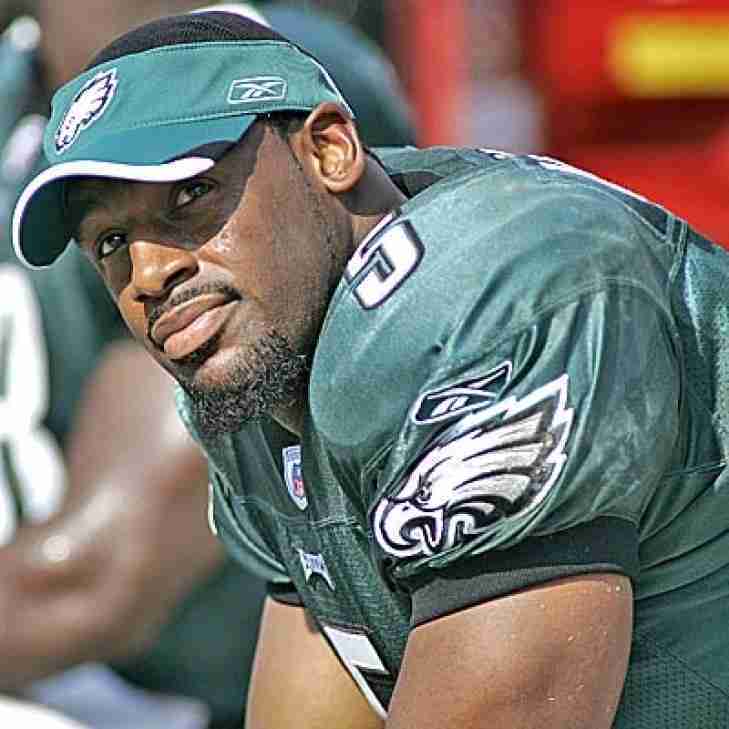
At one point, we here at Notinhalloffame.com debated openly that Donovan McNabb played himself out of the Hall of Fame, with horrific stints in Washington and Minnesota, but if he had won that Super Bowl (the one he threw up in), would that discussion even be held?
What we have here is a six-time Pro Bowler who was a legitimate dual-threat with his legs and arm and was constantly in the top ten annually in key offensive stats for pivots, but again was mostly considered at the top of the second tier of QBs, or at the very best the lower end of the elite. He may not have won that Super Bowl, but he took Philly to the NFC Championship multiple times, without having a top-flight receiver (save for that one year with Owens). He could pass, he could run, but he was always polarizing, and based on his votes here, he remians in that dubious category.
Without question, McNabb made the Eagles better for years, but that failure to win the Super Bowl will be what many decision-makers will point at should they keep him out.
