
22. Frank Gore
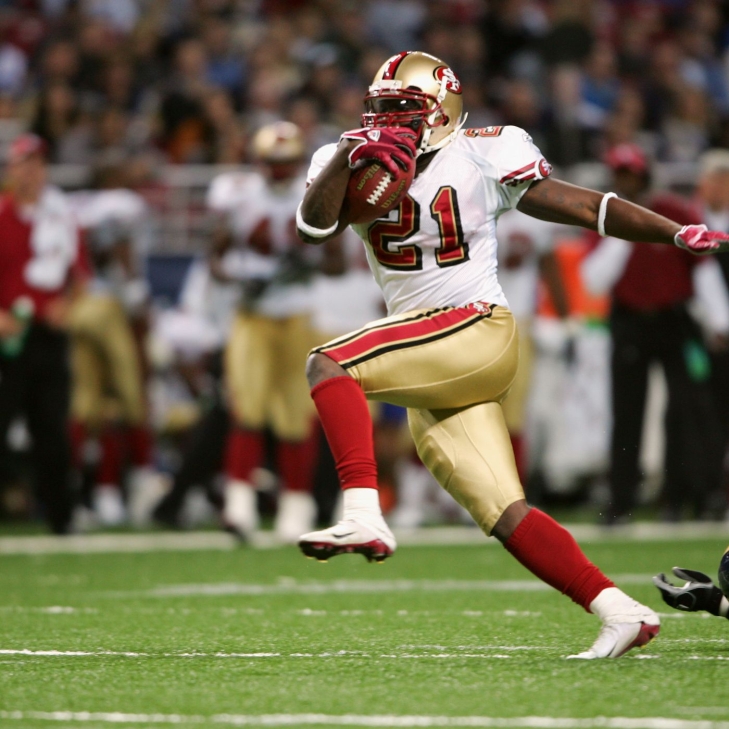
The Hall of Fame case for Frank Gore is the ultimate test of dominance vs. longevity and statistical compiling.
A third-round pick from Miami (FL), Gore had his best year early in his career with a sophomore effort, posting career highs in Rushing Yards (1,695) and Yards From Scrimmage (2,180). Gore went to his first Pro Bowl that year and was a Second Team All-Pro. Over the next eight seasons with the Niners, Gore exceeded 1,000 Rushing Yards in seven of them and earned four more trips to the Pro Bowl.
In 2015, Gore joined the Colts and had his last 1,000-yard season in 2016. He would later play for Miami, Buffalo, and the New York Jets.
Gore left the game with an even 16,000 Rushing Yards, which places him second all-time, and his 19,985 Yards From Scrimmage is fourth all-time.
As for Canton, Gore could be a first-year inductee or face a long wait. The stats are there, but a delay could arise, as he was never considered the best at his position, nor will he likely be considered among the best top five players in any group of Finalists, but the overall numbers will eventually work in his favor.
272. Jessie Armstead

Jessie Armstead played for the University of Miami, where the Linebacker was a key force in the Hurricanes’ NCAA Championships in 1989 and 1991. A torn ACL saw Armstead tumble in the 1993 Draft, but the New York Giants took him in the 8th Round, and a couple of years later, he was a starter for the G-Men.
From 1997 to 2001, Armstead was a Pro Bowl Selection and one of the leaders of the Giants’ defense. He was named a First Team All-Pro in 1997, and in the first year tackles for Loss were recorded (1999), he led the NFL. Armstead played his final two seasons with the Washington Redskins.
236. Dennis Harrah
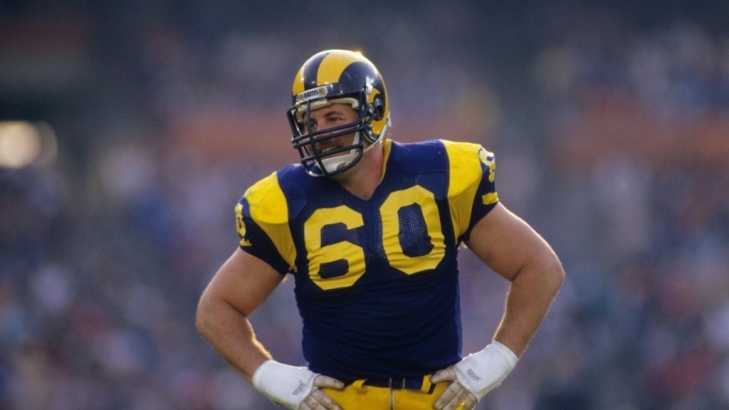
Dennis Harrah would play his entire 13-year career with the Los Angeles Rams, where the former Miami Hurricane would be named to six Pro Bowls. That accolade would happen in two separate three-year increments (1978-80 & 1985-87), and the Offensive Guard would be named a First Team All-Pro in 1986 and was a huge part of Eric Dickerson's single-season rushing record in 1984. Harrah was also chosen for the Los Angeles Rams 40th Anniversary Team, and he was a team captain for six years.
142. Vince Wilfork
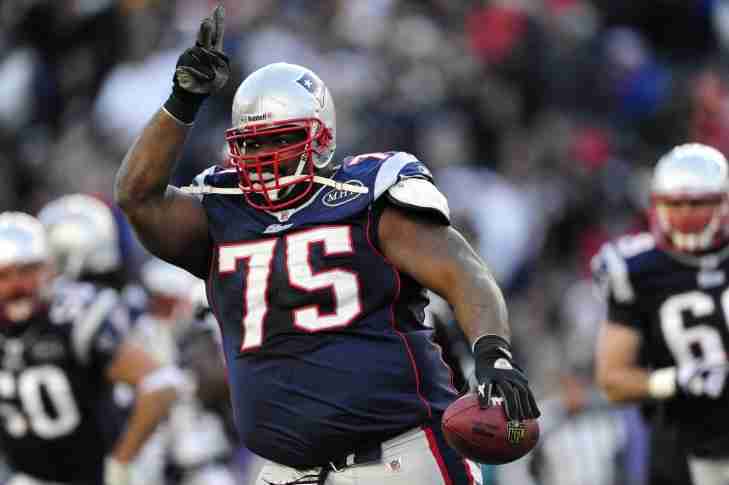
Vince Wilfork was one of the most popular players in New England Patriots history and, by many accounts, one of the nicest guys ever to play on the gridiron. While all of that is fine and good, the most important facet that Pats fans really think of is that he was so fundamentally good at Nose Tackle, clogging lanes and taking up space that offensive rushers wanted nothing to do with.
Wilfork was a five-time Pro Bowl selection, four of which were accomplished consecutively (2009-12). He helped New England win two Super Bowls and was also named an All-Pro four times.
23. Reggie Wayne
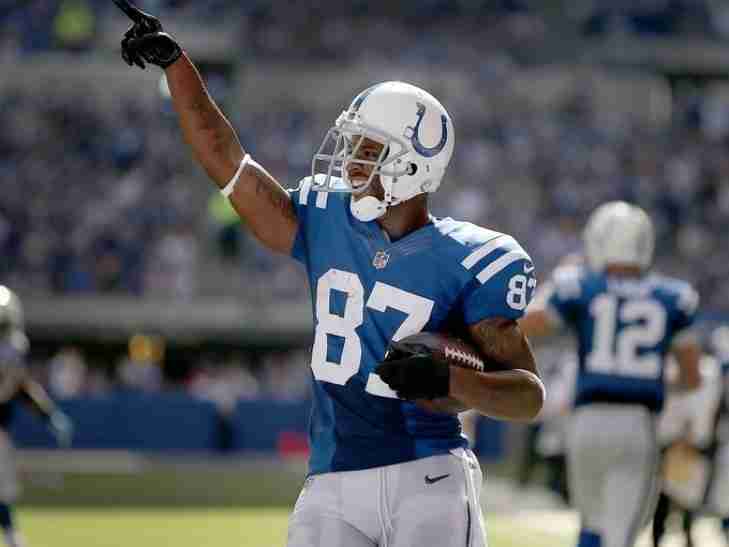
Drafted late in the First Round out of the University of Miami, Reggie Wayne was brought in to complement Marvin Harrison. It is safe to say he accomplished much more than that.
Wayne blossomed into an elite NFL Wide Receiver and exemplary route-runner, earning six Pro Bowl selections and leading the NFL in Receiving Yards in 2007. Spending his entire professional career with the Indianapolis Colts, Wayne was a large part of their Super Bowl XLI win, catching a 53 Yard Touchdown Pass in the first quarter. He went over 1,000 yards eight times in a season, finishing with 14,345 for his career. He also had another 1,254 Yards in the Playoffs, an exceptional number that should be celebrated on its own.
70. Ottis Anderson
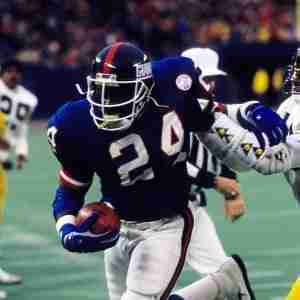
Ottis Anderson had one of the best rookie seasons ever for a Running Back, gaining over 1,600 yards on the ground. Too bad he did it for a bad St. Louis Cardinals team that was barely on the National radar.
Anderson would prove he was not a one-season wonder. Although he never again matched those rookie numbers, he still posted decent numbers and was the highlight of a poor Cardinals team. As it does in football, injuries piled up, and he lost his explosiveness. Anderson was, however, reinvented as a short-yardage specialist by the New York Giants, and he again accumulated impressive tallies. He was a natural leader, and as he rarely fumbled, he was a strong key to the Giants’ ability to control the ball for extended periods of time. As a Giant, Ottis Anderson twice won the Super Bowl, capped with an MVP performance in Super Bowl XXV.
Although Anderson gained major exposure with the Giants, few remember that he retired in the top ten all-time in Rushing Yards. He has since fallen down that list, but he had a long, fruitful career few could match.
Should Ottis Anderson be in the Hall of Fame?
81. Chuck Foreman
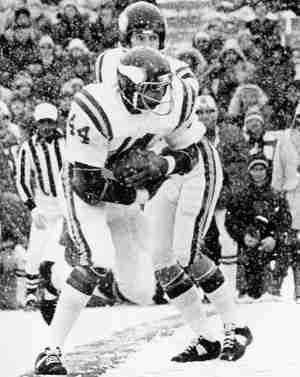
Chuck Foreman was called the “Spin Doctor”, but it was not due to his ability to spin his words. It was because he could effortlessly spin his body around would-be tacklers, making it look like ballet.
When people think of the Minnesota Vikings of the 1970s, they recall the Purple People Eaters and Fran Tarkenton's scrambling. They should also remember the offensive exploits of Chuck Foreman, who twice led the National Football League in Touchdowns. He may have been a Running Back, but he was often used for his receiving skills and was the league leader in that category in 1975. Watching Foreman run with the ball was like watching a rhinoceros. While he could spin away from defenders, he often tried to overpower them, though that style also led to multiple fumbles (52 in 109 Games)
The career numbers of Chuck Foreman may not seem like a lot now (9,106 YFS/76 TD), but they were quite good for the era he played in. He did make the Minnesota Vikings Ring of Honor, but reaching the NFL version of that accolade may continue to prove difficult.
