
Notinhalloffame List Update: 251-275 on Football Revised
The problem with running a Hall of Fame-related website is that many of the big ones we cover all have announcements within months of each other. The backbone of what we do is list-related, resulting in a long push to revise what we already have, specifically now with our Football and Basketball Lists.
At present, we have a minor update as we have completed the next twenty-five of the 2024 Football List, which you can comment on and vote on:
The new 251 to 275:
251. Larry Brooks
252. Jon Morris
253. Ed Danowski
254. Dennis Harrah
255. Jim David
256. Ken Gray
257. William “Pudge” Heffelfinger
258. Jeff Van Note
259. Troy Vincent
260. Frankie Albert
261. Charles Follis
262. NaVorro Bowman
263. Jessie Armstead
264. Ray Wietcha
265. Clem Daniels
266. Henry Thomas
267. Josh Sitton
268. Randy Cross
269. Travis Frederick*
270. Bill Lee
271. James Farrior
272. Lawrence McCutcheon
273. Rich Saul
274. Chris Samuels
275. Bud McFadin
*Denotes First Year of Eligibility.
Rankings are impacted annually based on your comments and votes.
Thank you all for your patience. We will soon unveil more changes to the football and basketball lists.
13. Jon Morris
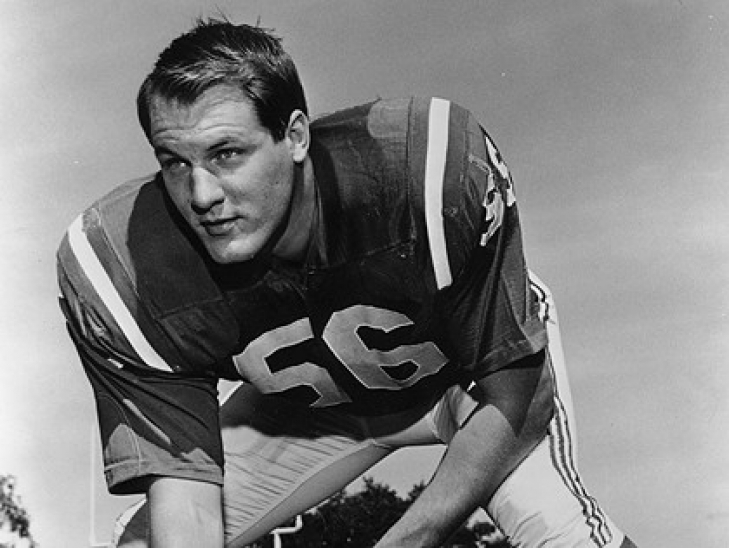
Jon Morris chose the Boston Patriots over Vince Lombardi’s Packers in 1964, and the decision paid off immediately. The Holy Cross product stepped in as a rookie starting center and never really gave the job back. In an era when the Patriots often lacked consistent skill talent around him, Morris became the steady presence in the middle of the offensive line.
The recognition arrived right away. Morris earned AFL All-Star honors in each of his first six seasons from 1964 through 1969, and he was named first-team All-AFL in 1966. He anchored the line during Jim Nance’s best rushing years and served as a team captain. When the leagues merged, Morris became the first Patriots player selected to the Pro Bowl in 1970. His durability stayed high through those early years; he started nearly every game as the franchise navigated the transition from the AFL to the NFL.
The later years in New England brought fewer individual awards, but the reliability remained. Morris continued starting through the early 1970s before his role diminished. After the 1974 season, he left the Patriots and was traded to the Detroit Lions. His eleven seasons in New England ended there. With the Patriots, he appeared in 130 games and started 125. He earned those numbers while earning seven consecutive league All-Star or Pro Bowl selections and serving as one of the few consistently excellent offensive linemen on the roster.
Morris spent three seasons starting for Detroit, then finished his career with a year as a backup in Chicago in 1978 before retiring. The Patriots later placed him in their Hall of Fame in 2011, and he was also named to the AFL All-Time Team. The center, who turned down Lombardi and spent more than a decade in New England, left as one of the franchise’s foundational players.
267. Jon Morris
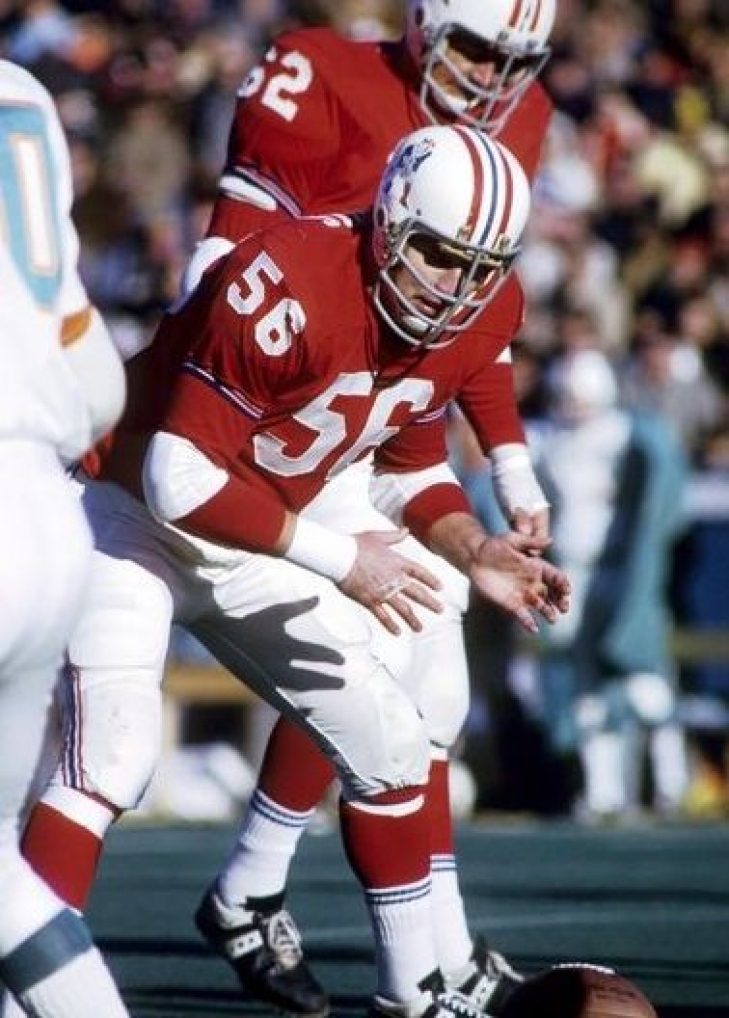
A member of the AFL All-Time Team, Jon Morris chose the Boston Patriots over Vince Lombardi's Green Bay Packers when both teams drafted him in 1964.
This was a bold decision to eschew Lombardi, don't you think?
Choosing the AFL gave Morris more playing time, but the Pats were far from the team they would become years later. The 1960s Patriots didn't have many eyes on them, but those who did saw that Morris was a very good football player who helped block Jim Nance into two league rushing titles. He was named an AFL All-Star in his first six years and was a Pro Bowl Selection the year after. The center was also a First Team All-Pro twice and played 182 Games over his 15-year career.
