
211. Bob Hoernschemeyer
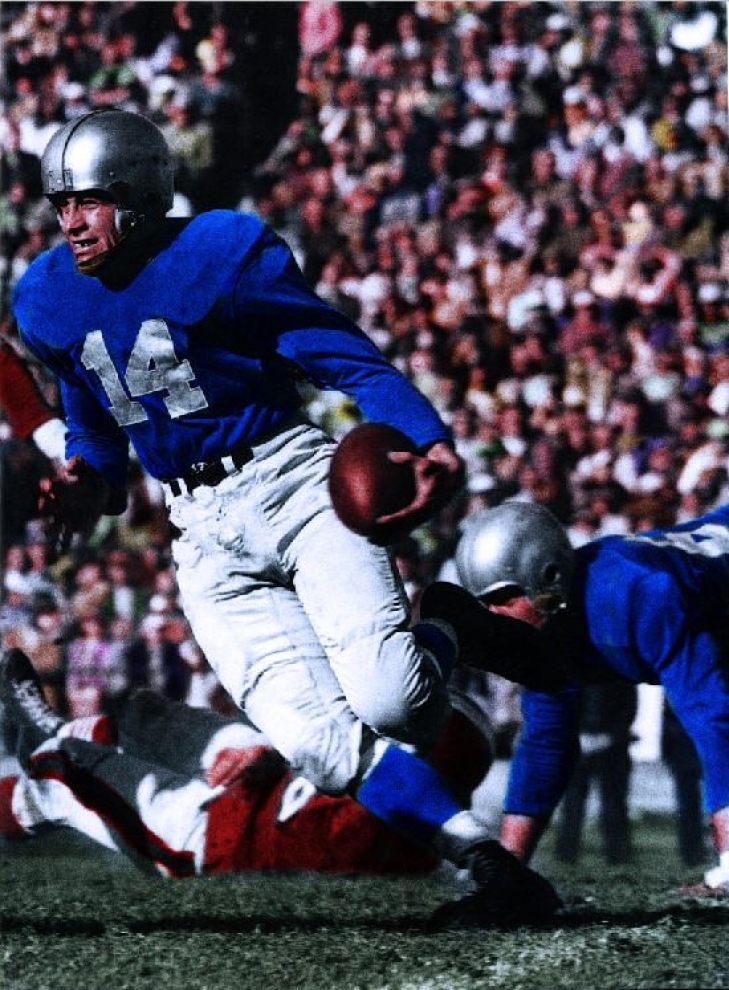
Try to say Bob Hoernschemeyer’s name three times fast?
Yes, we know that the first line isn’t relevant here, but what is pertinent is that Hoernschemeyer was an End in the late 40s and early 50s in every sense of the word. Beginning his professional career with the Chicago Rockets of the AAFC, Hoernschemeyer would do well in rushing and passing, finishing in the top ten in both categories in the first (and only) four years of the AAFC’s existence. That’s good, but what hurts Hoernschemeyer is that he played for the Chicago Rockets/Hornets and Brooklyn Dodgers, neither of which made it to the NFL when that league took over what was left of the AAFC, and yes, that matters in terms of legacy, especially when you consider that two of the teams that you played for in your prime have not existed in 70 Years!
After the merger of the AAFC and NFL, the Detroit Lions selected Hoernschemeyer in a special draft, where he became a key cog in their offense. He was a Pro Bowl Selection in both 1951 and 1952, and he would help them win back-to-back NFL Championships in 1952 and 1953. Injuries would force him to retire at age 30, but if the first half of his career gains the same respect that his second half did, he is a legitimate Pro Football Hall of Fame contender.
242. Earl Faison
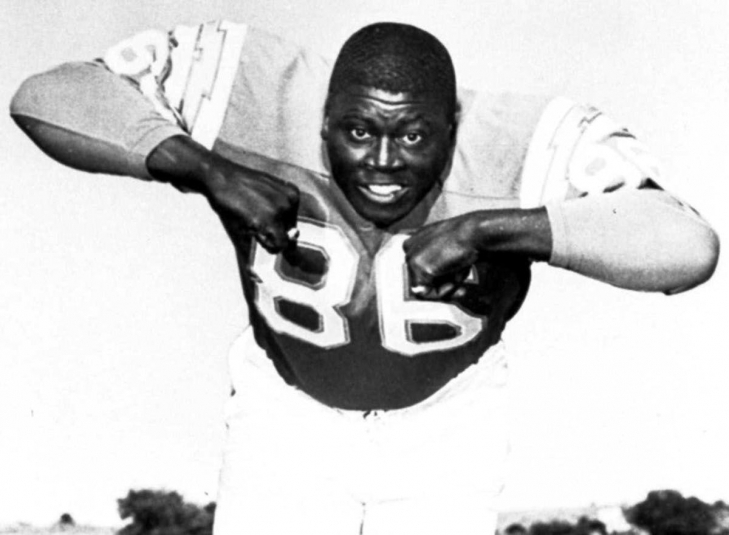
A star at the University of Indiana, Earl Faison elected to go to the San Diego Chargers in 1961, who drafted him in the 1st Round as opposed to the Detroit Lions of the NFL, who chose him in the 5th. Faison was an instant stud, using his sheer power to win the AFL Rookie of the Year. The Defensive End would earn First Team All-Pro in four of his first five years, only missing out on 1962 because injuries reduced him to only eight games. Amazingly, he was still named an AFL All-Star that year, and as you would expect, he was one every other year of his first half-decade in Pro Football.
As good as Faison was, back issues rapidly caught up with him, and the Chargers dispatched him to the Miami Dolphins, and his career was over shortly after. His career may not have lasted long, but few had that level of dominance.
