
Notinhalloffame List Update: 176-200 on Football Revised
The problem with running a Hall of Fame-related website is that many of the big ones we cover all have announcements within months of each other. The backbone of what we do is list-related, resulting in a long push to revise what we already have, specifically now with our Football and Basketball Lists.
At present, we have a minor update as we have completed the next twenty-five of the 2024 Football List, which you can comment on and vote on:
The new 176 to 200:
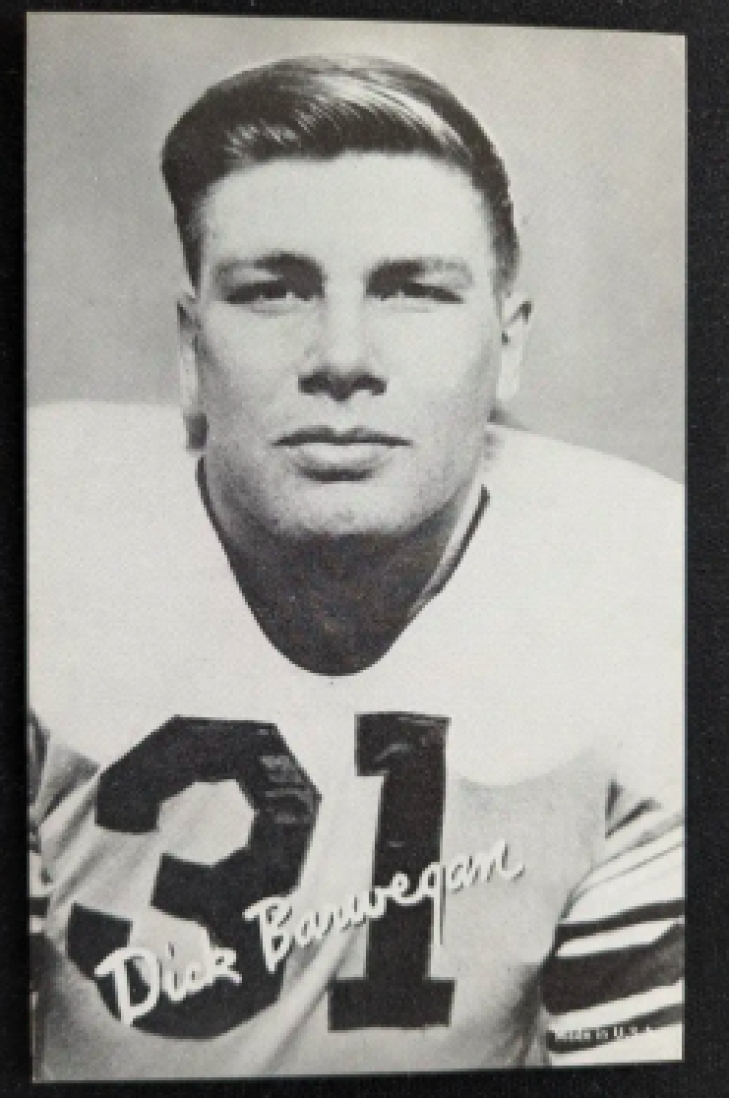
176. Dick Barwegan
177. Charley Hennigan
178. Cornell Green
179. Charley Brock
180. Bob Baumhower
161. Tank Younger
182. Buford “Baby” Ray
183. Bob Hoernschemeyer
184. Asante Samuel
185. Rich Jackson
186. Jim Katcavage
187. Matt Blair
188. Ken Kavanaugh
189. Abe Woodson
190. Nate Newton
191. Tom Sestak
192. Bill Forester
193. Brian Waters
194. Tim McDonald
195. Don Perkins
196. Steven Jackson
197. Jim Lachey
198. Brandon Marshall
198. Butch Byrd
199. Frank Minnifield
200. Dave Krieg
Rankings are impacted annually based on your comments and votes.
Thank you all for your patience. We will soon unveil more changes to the football and basketball lists.
29. Don Perkins
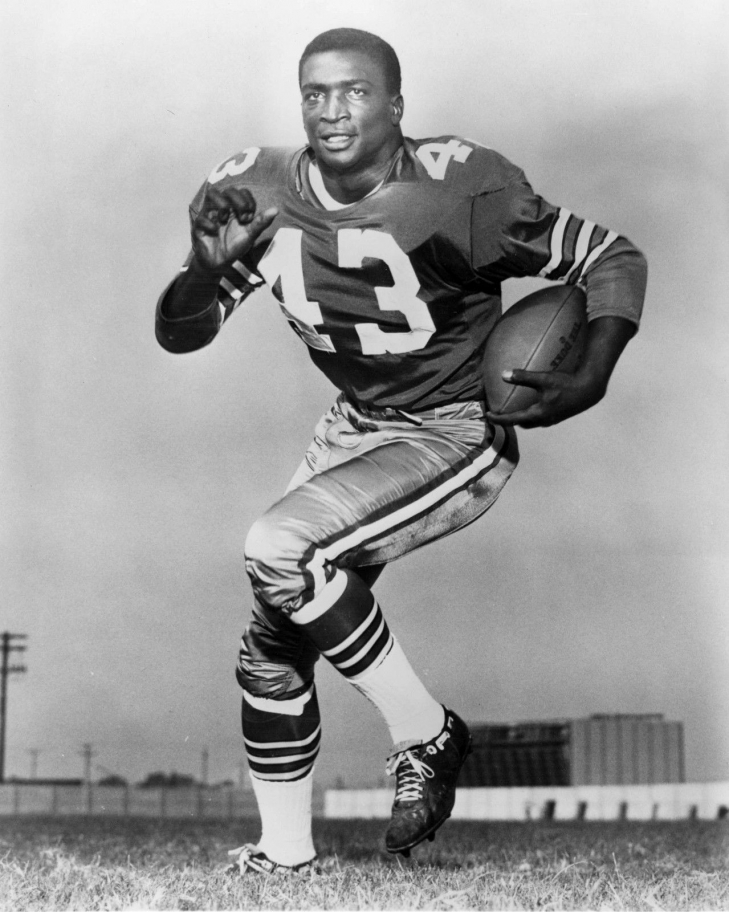
Before the Dallas Cowboys ever played an official game, general manager Gil Brandt utilized a loophole to secure Don Perkins. Because the expansion franchise was admitted too late for the 1960 NFL Draft, Brandt signed the University of New Mexico star to a personal-services contract, paying him a $1,500 bonus on the condition that he would play for Dallas if they received a franchise. When the Baltimore Colts drafted Perkins in the ninth round anyway, the NFL upheld the contract and forced Dallas to surrender a 1962 ninth-round pick as compensation.
Perkins' debut was postponed due to a broken foot sustained during training camp, causing him to miss the Cowboys' first season in 1960. After recovering in 1961, the 5-foot-10 fullback quickly made a significant impact on Tom Landry's offense. He amassed 1,113 yards from scrimmage and scored eight touchdowns, which led to him being named NFL Rookie of the Year and earning his first Pro Bowl nod, establishing the young franchise’s first major offensive cornerstone.
The following season, Perkins confirmed his strong debut by earning First-Team All-Pro honors in 1962, exceeding 1,000 yards from scrimmage for the second year in a row and scoring seven rushing touchdowns. As the lead runner in Landry's "Multiple Offense," Perkins didn't have elite speed, but he compensated with exceptional balance, leverage, and power when engaging with defenders. Opposing defenses anticipated he would carry the ball in short-yardage situations, yet he reliably gained the needed yards thanks to his raw toughness.
Beyond his ability to run and catch, Perkins was considered one of the best blocking fullbacks of his time. He took great pride in blocking blitzers, delivering powerful lead blocks, and handling subtle tasks that gave quarterbacks Don Meredith and Craig Morton the time they needed to make plays downfield. His selfless approach established a standard of accountability, helping the franchise evolve from an expansion team into a consistent playoff contender.
Perkins achieved six Pro Bowl selections during his eight seasons with Dallas (1961–1963, 1966–1968) and earned two additional All-Pro honors. He retired quietly after the 1968 season at only 30 years old, emerging as the franchise's all-time rushing leader at that time and leaving a lasting impact on the team's early history. Perkins played eight seasons with the Dallas Cowboys (1961–1968), appearing in 107 games with 6,217 rushing yards, 42 rushing touchdowns, 146 receptions for 1,310 yards, and 7,527 total yards from scrimmage. A six-time Pro Bowler and three-time All-Pro, he joined the Cowboys Ring of Honor in 1976.
206. Don Perkins
While the Dallas Cowboys’ story didn't begin for many fans until the early '70s, they still had star power in the 1960s. One such performer was Don Perkins, their Fullback from the University of New Mexico.
Perkins played eight years in the NFL, all of which were with the Dallas Cowboys, and he would secure a selection to the Pro Bowl in six of them. He was a cerebral player in that he lacked speed but had bursts of quickness from the Line of Scrimmage and knew what to do to avoid tackles. He would rush for over 6,000 Yards and be considered to be an above-average blocker.
