

9. Larry Allen
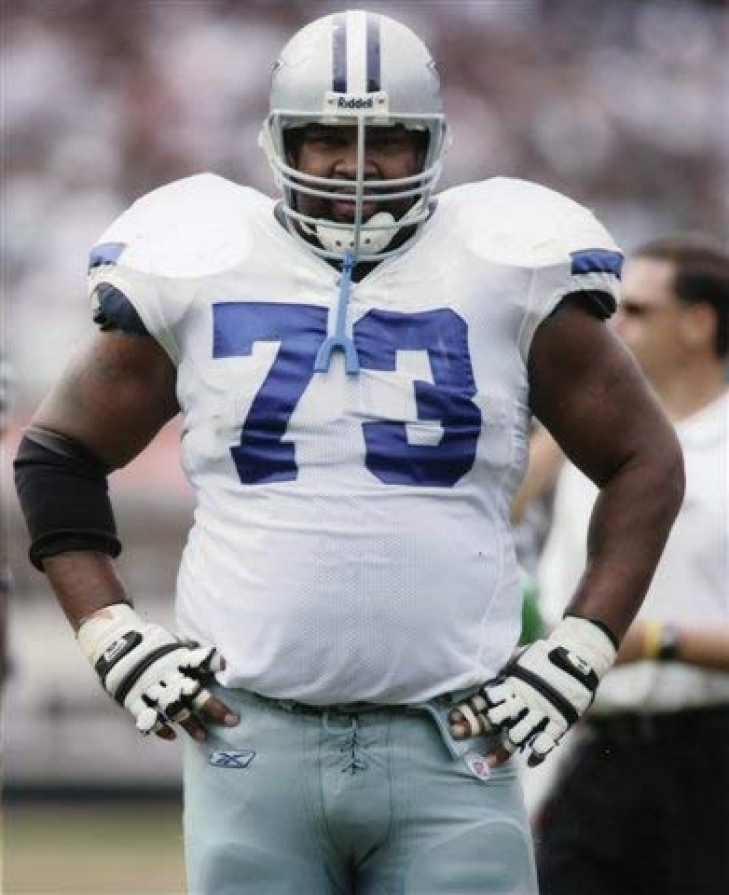
Sonoma State is no football factory, and it would take Larry Allen in 1994 to become the first player to be drafted from that institution.
8. Michael Irvin
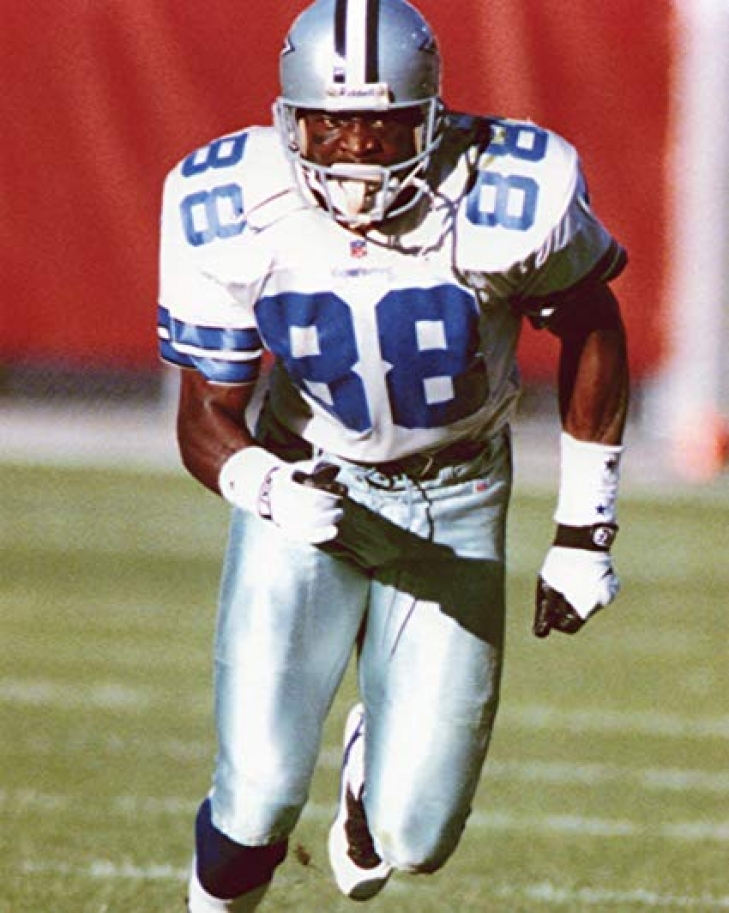
While some might think of Michael Irvin as the third “Triplet” with Quarterback, Troy Aikman, and Running Back, Emmitt Smith, it was Irvin, the Wide Receiver who was in Dallas first.
12. DeMarcus Ware
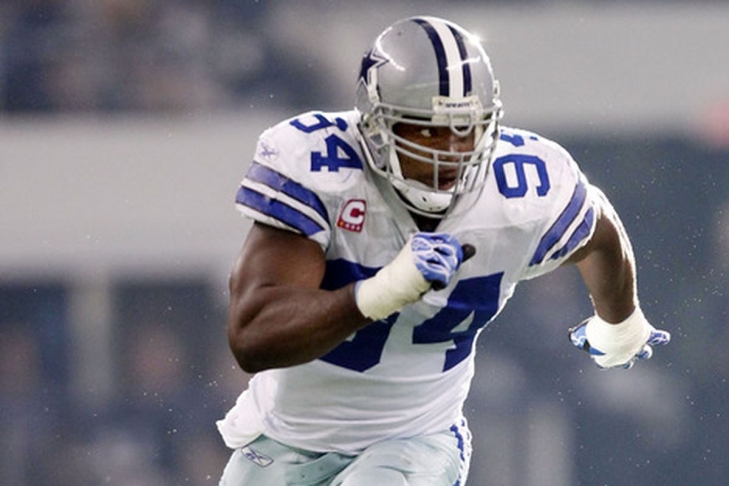
DeMarcus Ware was an instant defensive star for the Dallas Cowboys after being drafted 11th overall in 2005 out of Troy.
6. Tony Dorsett
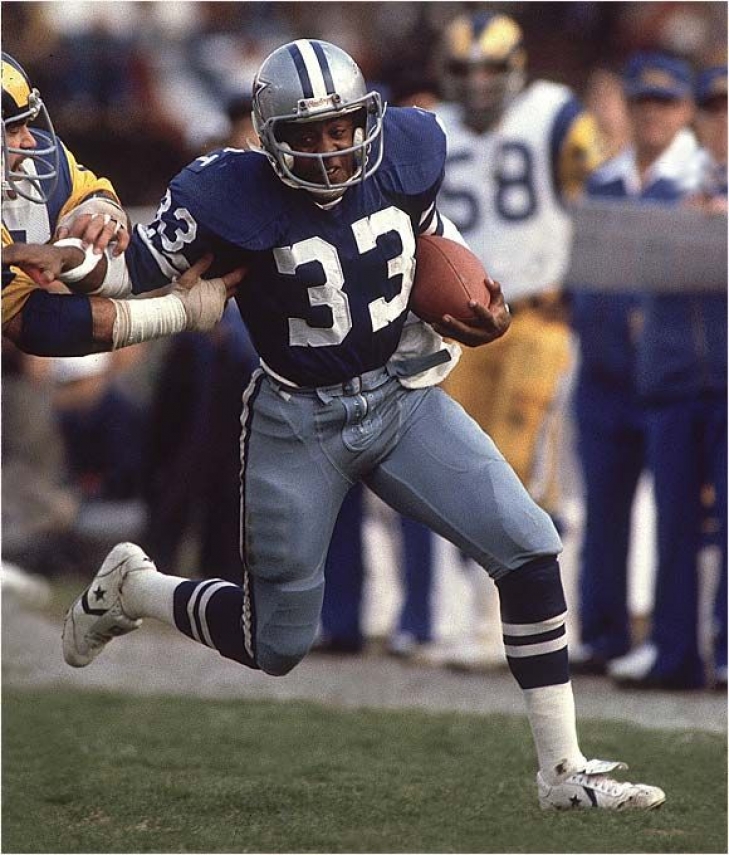
A stud Running Back at the University of Pittsburgh, Tony Dorsett had an immediate impact with the Dallas Cowboys, who drafted him second overall in the 1977 Draft. That year, Dorsett won the Offensive Rookie of the Year with 1,007 Rushing Yards, and four post-season Touchdowns on route to a Super Bowl win. Not a bad rookie year!
7. Troy Aikman
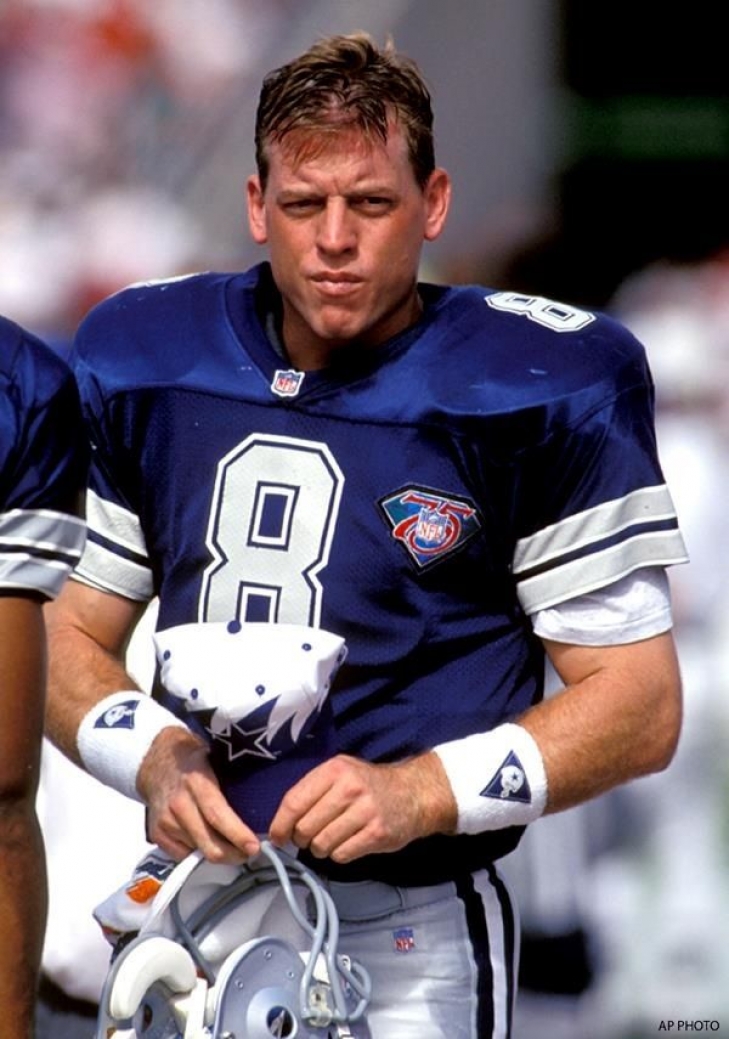
A Heisman Finalist at UCLA, Troy Aikman was the first overall pick in 1989, and the first of the Jimmy Johnson regime.
11. Jason Witten
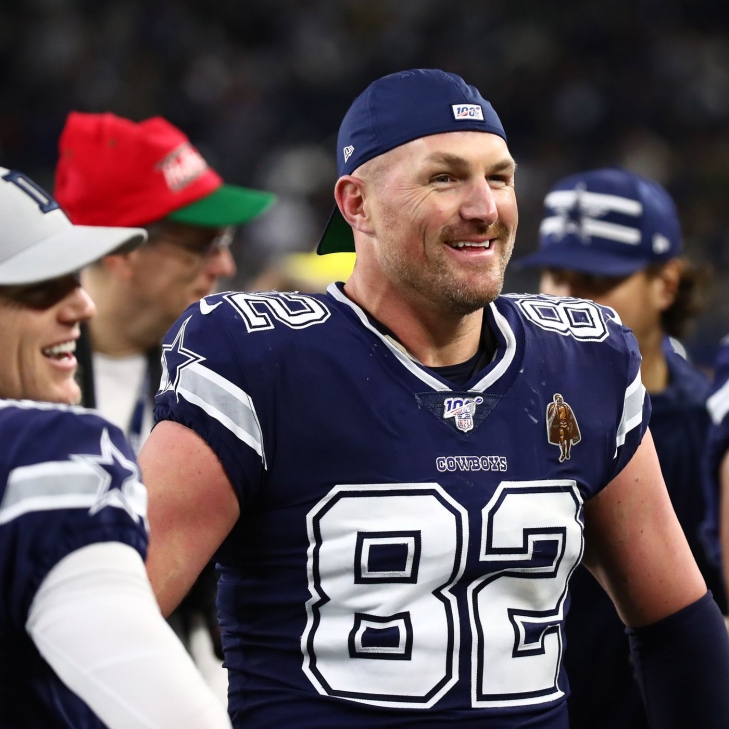
Jason Witten is without question the greatest Tight End in the history of the Dallas Cowboys.
5. Mel Renfro
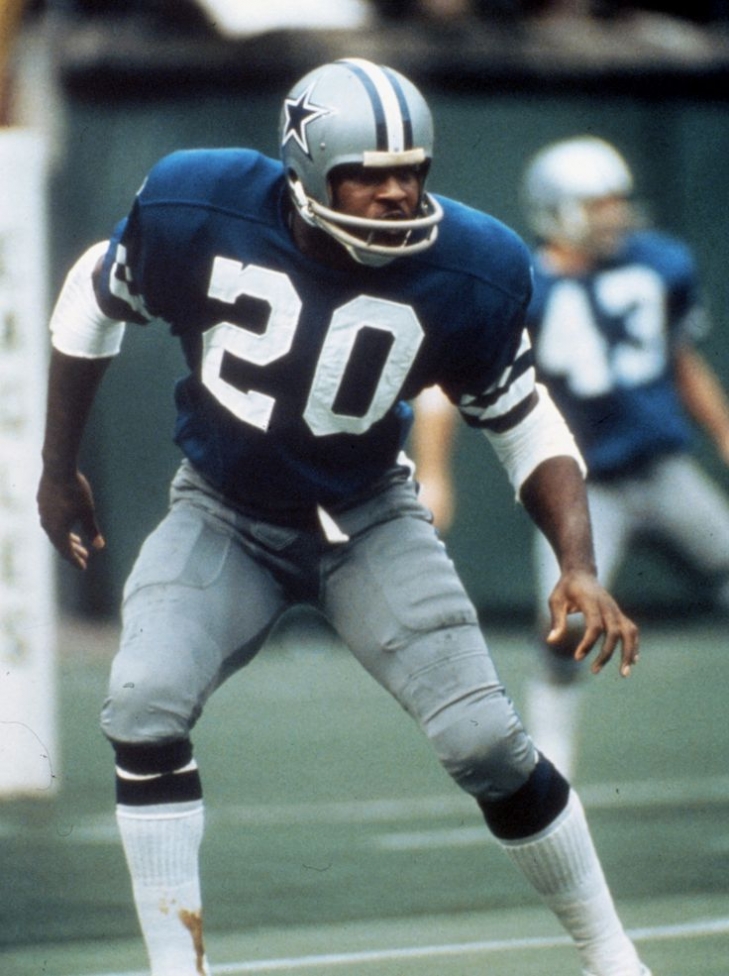
Mel Renfro was a football and track star at the University of Oregon, Mel Renfro was a college Running Back, but Tom Landry and the Dallas Cowboys had other ideas for his speed.
3. Roger Staubach
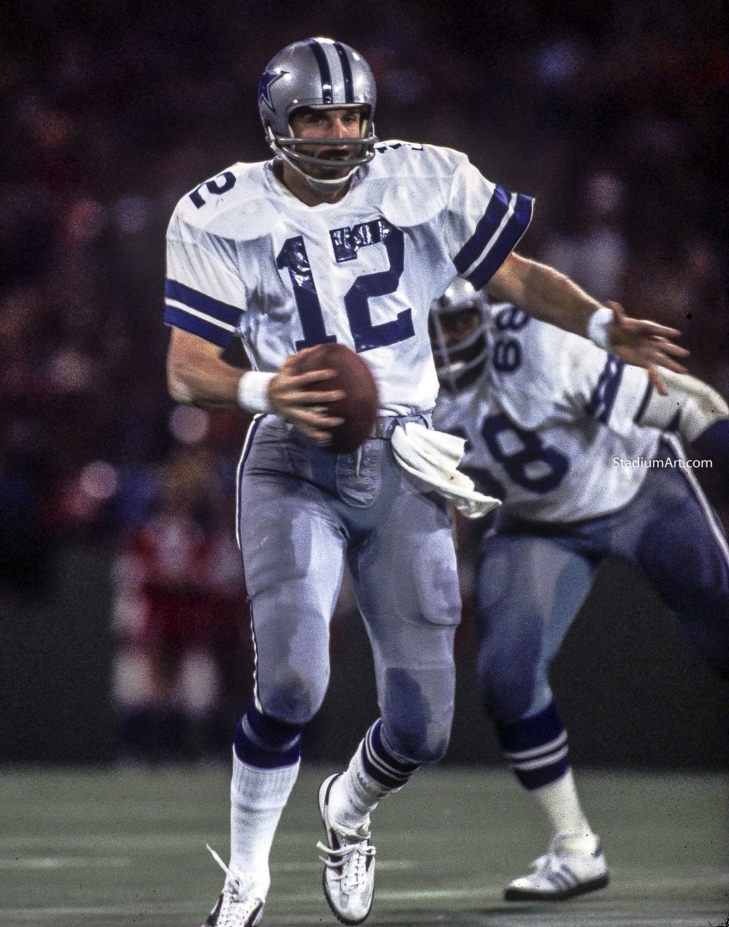
While a case could have been made for Roger Staubach to be at #1, #3 for this team still means you are an absolute legend.
Drafted in the tenth round of the 1964 NFL Draft from the Naval Academy—where he won the 1963 Heisman Trophy—Roger Staubach had to wait five years to start his professional football journey while fulfilling his active-duty military commitment, including a tour of duty in Vietnam. When he finally arrived in Dallas as a 27-year-old rookie in 1969, "Captain Comeback" quickly made up for lost time, leading the team through a string of exciting victories and guiding America's Team to the top of professional football.
Staubach infused Tom Landry's disciplined offense with a fervent and competitive spirit. He exhibited a robust arm, precise accuracy over long distances, and exceptional scrambling skills, rendering him particularly dangerous when plays deviated from the expected. Esteemed for his calm disposition under pressure, Staubach often transformed late-game fourth-quarter deficits into memorable comeback victories, notably coining the term "Hail Mary" through his legendary 50-yard game-winning touchdown pass to Drew Pearson during the 1975 playoffs.
What truly distinguished Staubach’s playing style was his remarkable ability to transform chaotic, broken plays into devastatingly explosive gains. Reluctant to accept a sack or an inconsequential throwaway, Staubach demonstrated swift lateral footwork and exceptional vision while maneuvering outside the pocket. He would deftly spin away from unblocked pass rushers, prolong plays for five or six seconds, and execute precise throws at full speed toward the sideline.
Defenses confronted an insurmountable dilemma: if they retreated into coverage, Staubach would tuck the ball and scramble downfield to secure vital first downs; if they advanced to contain him, he would drop a precise pass over their heads. His unwavering physical determination and steadfast refusal to concede defeat earned him 23 fourth-quarter comeback victories throughout his career, setting the benchmark for exceptional quarterback performance under pressure.
After spending his initial two seasons sharing responsibilities at quarterback, Staubach assumed full control of the starting position in 1971 following his mid-season substitution of Craig Morton. He remained undefeated in all ten of his regular-season starts, led the National Football League (NFL) with an impressive 104.8 quarterback rating, and received his inaugural Pro Bowl selection. He concluded the remarkable season by guiding Dallas to its inaugural franchise championship in Super Bowl VI, where he was named Super Bowl Most Valuable Player (MVP) in a 24–3 victory over Miami.
After missing most of 1972 due to a shoulder injury—only to come off the bench in the playoffs to orchestrate a renowned 30–28 comeback victory over San Francisco—Staubach returned as the full-time leader in 1973, leading the NFL in touchdown passes (23) and passer rating (94.6) while earning his second Pro Bowl invitation.
Between 1975 and 1979, Staubach distinguished himself by securing five consecutive Pro Bowl selections and guiding the Cowboys to three Super Bowl appearances within four years. The zenith of this period was reached during the 1977 season, when Staubach led the NFC in passing yards with 2,620 and achieved a passer rating of 87.0, spearheading Dallas's formidable postseason campaign that concluded with a victory over Denver in Super Bowl XII.
Staubach reached his ultimate personal passing peak during his final two seasons. He led the National Football League in passer rating in 1978 with a score of 84.9 and in 1979 with a score of 92.3. During the 1979 season, at the age of 37, he attained career highs with 3,586 passing yards and 27 touchdown passes, culminating in a memorable 35–34 comeback victory over the Washington Redskins in the regular-season finale before retiring at the pinnacle of his career.
Staubach appeared in 131 regular-season games, recording an impressive 85–29–0 as a starter with a .746 winning percentage. He threw for 22,700 yards and 153 touchdowns, adding 2,264 rushing yards and 20 rushing touchdowns. In 1983, he was honored with induction into the Dallas Cowboys Ring of Honor, and in 1985, he was inducted into the Pro Football Hall of Fame on the first ballot. The NFL also included him in the 1970s All-Decade Team and the 100th Anniversary All-Time Team.
1. Emmitt Smith
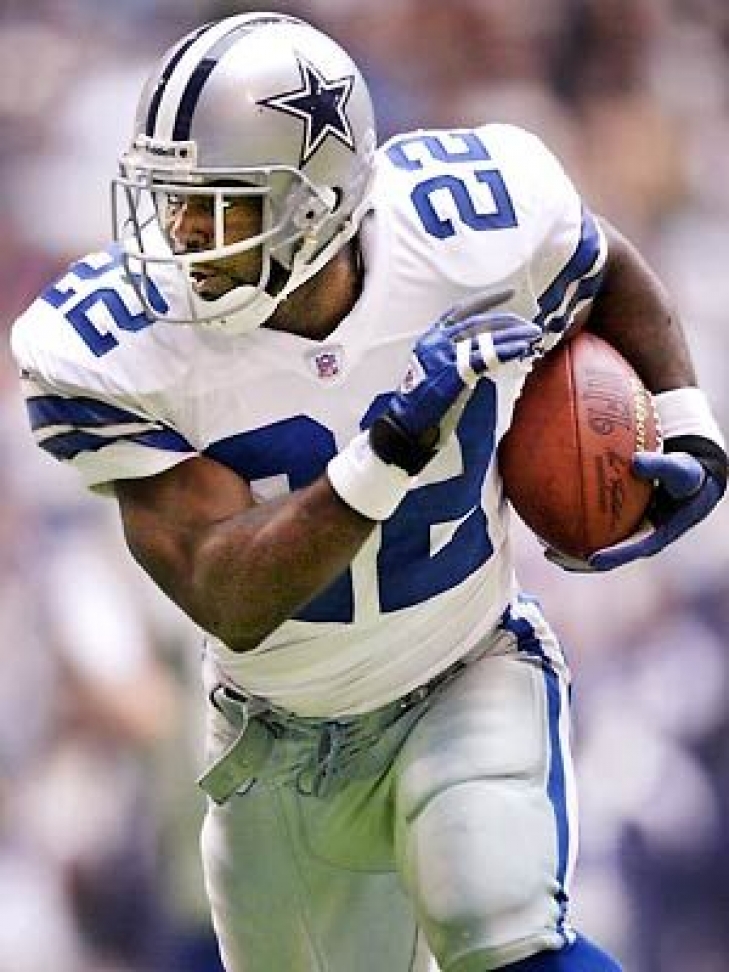
When you look at "America's Team," you have a team that not only had a lot of eyeballs on it but also produced a plethora of Hall of Famers. Choosing the greatest Dallas Cowboy wasn't easy, but in the end, we decided on the player who, statistically speaking, is the greatest Running Back of all time.
Emmitt Smith arrived in Dallas as the 1990 17th pick amidst skepticism surrounding his modest height and top-end speed. The former Gator quickly silenced critics by capturing NFL Offensive Rookie of the Year honors, embarking on an unprecedented run that cemented him as the cornerstone of the 1990s Cowboys dynasty and the all-time leading rusher in football history.
Smith had exceptional vision, a low center of gravity, and lateral agility. Instead of depending on pure speed, he mastered setting up blocks behind Dallas’ formidable offensive line, pushing the hole to displace linebackers before executing a decisive cut. Smith handled contact with ease, powered through initial tackles, and demonstrated legendary durability to sustain heavy workloads week after week.
Smith distinguished himself from others of his era through his exceptional, almost telepathic understanding of blocking schemes and outstanding body control upon contact. He excelled at the “press"—initially slashing toward a designated gap just enough to attract linebackers into the wash, then planting his outside foot, dropping his hips, and executing a jump-cut into a nearby lane before defenders could adjust. Instead of taking direct hits at full speed, he rolled off arm tackles, kept a low center of gravity, and kept his legs moving to gain two or three yards after contact on nearly every run.
His legendary physical toughness was exemplified in the memorable 1993 regular-season finale against the New York Giants. Despite playing with a separated shoulder, Smith had 32 touches for 229 yards in total, including 41 yards on a vital game-winning drive in overtime, securing the division title and home-field advantage. His readiness to endure punishment and stay central to team strategies centered on defense established him as the premier high-usage, clutch player.
After his rookie season, when he was named Offensive Rookie of the Year, Smith began a remarkable period of individual success in the NFL. In 1991, he won his first rushing title with 1,563 yards, then improved in 1992 to 1,713 yards and led the league with 18 rushing touchdowns. Playing alongside quarterback Troy Aikman and wide receiver Michael Irvin—known as the"Triplets"—Smith led a dominant offense that ended with a 52–17 victory over Buffalo in Super Bowl XXVII. He became the first player to earn both a league rushing title and a Super Bowl ring in the same season.
In 1993, following a contract holdout that prevented him from participating in the initial two games of the regular season, Smith demonstrated exceptional value. Over the course of merely 14 games, he led the National Football League (NFL) in both rushing yards (1,486) and scrimmage yards (1,900). He was conferred the AP NFL Most Valuable Player (MVP) award, guided Dallas to victory in Super Bowl XXVIII with a remarkable performance of 132 yards and two touchdowns, and was subsequently named Super Bowl MVP—becoming the sole player in NFL history to achieve the feat of winning the regular-season MVP, Super Bowl, Super Bowl MVP, and league rushing title within a single season.
Smith achieved his highest statistical performance during the 1995 season. Operating behind "The Great Wall of Dallas," he secured his fourth rushing title with a career-best 1,773 rushing yards and broke the NFL single-season record with 25 rushing touchdowns, in addition to 62 receptions for 375 yards. His fourth consecutive First-Team All-Pro selection culminated in a commanding postseason run, finalized by his two-touchdown performance against Pittsburgh in Super Bowl XXX, which secured the franchise's third Lombardi Trophy in four years.
As the Cowboys underwent roster changes in the late 1990s, Smith remained a reliable workhorse, recording 11 consecutive 1,000-yard rushing seasons. On October 27, 2002, against the Seattle Seahawks, he surpassed Walter Payton to become the NFL's all-time career rushing leader.
After 13 seasons in Dallas (1990–2002), Smith played his final two professional seasons with the Arizona Cardinals (2003–2004) before retiring from football. His time in Dallas yielded 17,162 rushing yards, 153 rushing touchdowns, and 3,012 receiving yards. He remains the NFL's all-time leader in both career rushing yards (18,355) and rushing touchdowns (164).
Smith was inducted into the Dallas Cowboys Ring of Honor in 2005 and joined the Pro Football Hall of Fame in Canton in 2010 on his first ballot.
4. Randy White
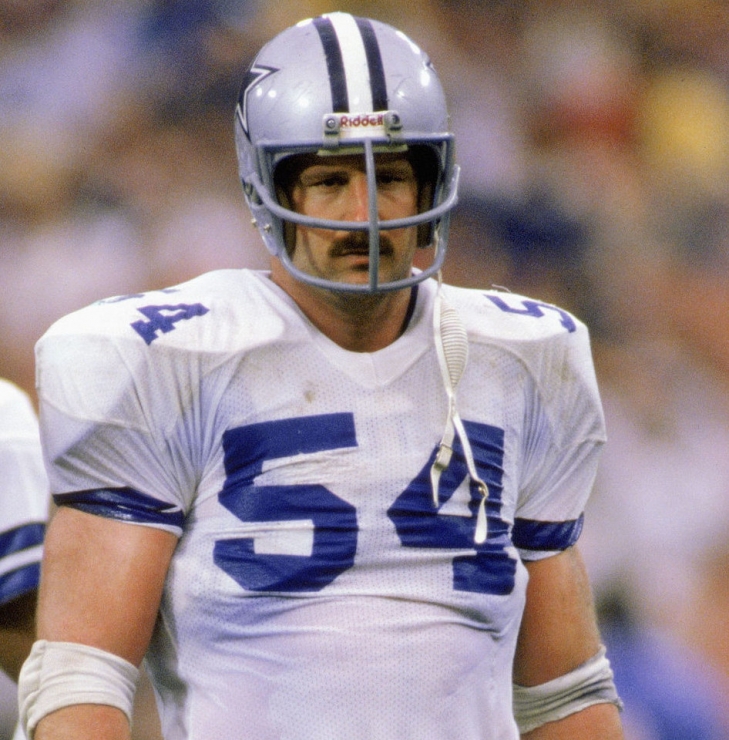
Selected second overall in the 1975 NFL Draft from Maryland—where he was awarded the Outland Trophy, Lombardi Award, and ACC Player of the Year honors as a distinguished college athlete—Randy White joined Dallas as a highly valued defensive prospect. Following two transitional seasons playing at linebacker, White was repositioned to right defensive tackle in 1977, a move that unlocked his full potential and initiated a legendary career, earning him the nickname "The Manster" (a combination of man and monster).
White established a new standard for interior defensive line performance. Demonstrating exceptional strength in the weight room, explosive initial speed, and a hand technique infused with martial arts, he consistently outpaced interior offensive linemen before they could establish their blocks. White was a persistent and relentless player who transformed quickness into power, forcefully disengaging from double-teams to collapse pockets, disrupt rushing plays, and pursue ball carriers from behind.
What distinguished White from nearly all defensive tackles of his era was his pioneering collaboration with renowned martial artist Dan Inosanto, integrating hand-fighting and strike-redirection techniques into his pass-rush repertoire. While conventional defensive tackles depended on sheer bulk, White employed rapid hand strikes, swim moves, and rip-swipes to deflect guards' hands before they could execute punches.
His low-center-of-gravity anchor enabled him to resist double-teams during running plays, while his relentless pursuit effort ensured that plays were never finished. Whether positioning himself directly over the center in Tom Landry's "Flex" defense or executing stunt rushes alongside the defensive end, White consistently maintained the opposing interior offensive lines in a continuous state of challenge throughout all four quarters.
In 1977, White's shift to right defensive tackle sparked an immediate breakout, taking over from Bob Lilly and anchoring Dallas' "Doomsday II" defense. This led to his first Pro Bowl and First-Team All-Pro selections. He reached the peak of his career in Super Bowl XII, dominating the Denver Broncos' offense in a 27–10 win. White recorded a sack and helped lead a defense that forced eight turnovers, sharing Super Bowl XII Co-MVP honors with teammate Harvey Martin—the only time in NFL history two players shared the award.
Building on his Super Bowl breakout, White embarked on a dominant six-year period, cementing his status as the top interior lineman in professional football. In 1978, he achieved a career-high 16.0 unofficial sacks and helped Dallas return to Super Bowl XIII. The following year, he recorded 10.0 sacks and earned another First-Team All-Pro honor, leading a defensive line that secured three straight NFC East titles.
When sacks officially became a stat in 1982, White did not slow down; he logged 6.0 sacks in an abbreviated nine-game strike season to earn his fourth First-Team All-Pro honor. In 1983, he delivered a statistical masterclass, racking up 12.5 official sacks and forcing three fumbles across 16 starts. Opposing coordinators routinely slid double-team help his way, yet White continually blew up backfields, recording double-digit sacks in three different seasons while disrupting both passing windows and running lanes.
White maintained his dominance into the mid-1980s, achieving his sixth and seventh First-Team All-Pro honors in 1984 with 12.0 sacks and in 1985 with 10.5 sacks. His tenth straight Pro Bowl appearance in 1986 cemented a ten-year run of top-tier performance rare among interior defenders.
Although sacks did not become an official NFL statistic until 1982, film reviews and team records credit White with 111.0 career sacks over his tenure—making him one of the most prolific interior pass rushers in league history.
In 1994, White received a double crown of football immortality: he was inducted into the Dallas Cowboys Ring of Honor and elected to the Pro Football Hall of Fame in his first year of eligibility. The NFL also named him to the 1980s All-Decade Team.
2. Bob Lilly
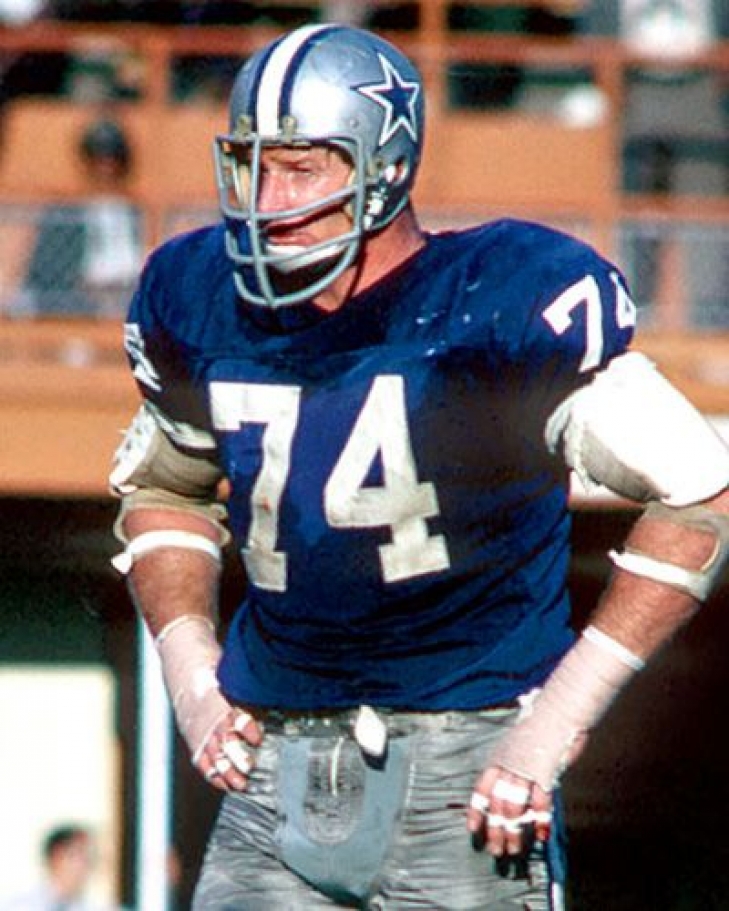
There was serious consideration for Bob Lilly to be named number #1, but #2 is a damned good rank for a storied franchise like the Dallas Cowboys.
Bob Lilly, the first-ever college draft pick for the Dallas Cowboys(13th overall in 1961) from TCU, did more than just lead an expansion team—he became its defining figure. Known as "Mr. Cowboy," the legendary defensive lineman was the cornerstone of Coach Tom Landry’s defense, establishing a career that solidified his role as the foundation of America's Team.
Standing at 6 feet 5 inches and weighing 260 pounds, Lilly possessed a rare combination of explosive quickness, unwavering power, and instinctual awareness. Operating from a distinctive four-point stance, he employed aggressive hand-fights and an unblockable lateral reach to penetrate interior double-teams. Whether collapsing the pocket during passing downs or pursuing ball carriers across the field, Lilly's speed and agility transformed the defensive tackle role from a mere interior space occupier into a dynamic game-changing presence.
What truly distinguished Lilly was his exceptional motor and technical efficiency within Tom Landry’s intricate "Flex" defense. Unlike many tackles of his era, who relied predominantly on brute force, Lilly excelled by beating guards off the snap with a remarkably swift first step, thus compelling blockers to recover immediately. His lateral agility allowed him to pursue plays along the line of scrimmage with effort comparable to that of a wide receiver, culminating in four defensive touchdowns—three from fumble recoveries and one from an interception return—during his career. Opposing offensive coordinators routinely assigned two or three blockers to contain him; nevertheless, Lilly's unwavering second-effort rush consistently compelled quarterbacks to alter their passing positions.
After spending his initial two seasons chiefly as a defensive end, Lilly’s transition to defensive tackle in 1963 initiated one of the most extraordinary individual sequences in contemporary football history. commencing in 1962, Lilly obtained his inaugural of 11 Pro Bowl selections. From 1964 to 1973, he undertook a decade-long succession of Pro Bowl appearances in Hawaii, highlighted by seven First-Team All-Pro honors (1964–1969, 1971) and two Second-Team distinctions.
As the central figure of Dallas’ original "Doomsday Defense," Lilly guided the Cowboys to six conference championship appearances and two Super Bowls from 1966 to 1973. After a heartbreaking defeat to Baltimore in Super Bowl V, Lilly and the Cowboys once again ascended to the championship stage in Super Bowl VI against the Miami Dolphins. Lilly executed the defining moment of the franchise’s inaugural title run—pursuing Miami quarterback Bob Griese for a historic 29-yard sack, an act that remains the longest sack in Super Bowl history. Dallas dominated the Dolphins in a 24–3 victory, thereby crowning Lilly as a world champion.
In addition to his personal dominance, Lilly set a benchmark for iron-man durability. Over 14 seasons with Dallas (1961–1974), he appeared in 196 consecutive regular-season games, never missing a game throughout his entire career. During his time as a Cowboy, Lilly played in 196 regular-season games and achieved 95.5 sacks.
After retiring following the 1974 season, Lilly was named the inaugural member of the Dallas Cowboys Ring of Honor in 1975, cementing his status as the franchise’s original icon. In 1980, his first year of eligibility, Lilly was inducted into the Pro Football Hall of Fame, becoming the first player to spend his entire career in Dallas and earn a gold jacket in Canton. He was later named to both the NFL 1960s and 1970s All-Decade Teams, as well as the NFL’s 75th and 100th Anniversary All-Time Teams.
#40 Overall, Dak Prescott, Dallas Cowboys, #8 Quarterback
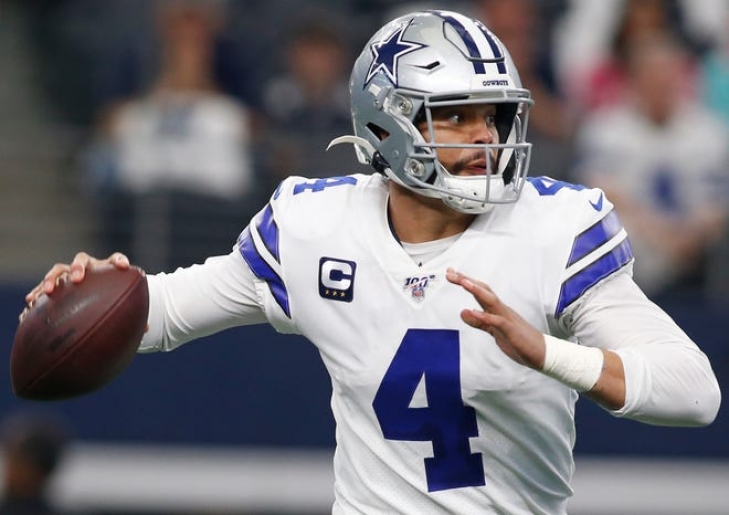
2024 Pre-Season Rank #32, 2023 Pre-Season Rank #44, 2022 Pre-Season Rank #55, 2021 Pre-Season Rank #63, 2020 Pre-Season Rank #80. Peak Period: 2016-17/2021-23
There is no greater pressure cooker in the National Football League than being the Quarterback of the Dallas Cowboys. While Dak Prescott has been maligned in some circles for not winning a Super Bowl or even getting there, the stat line shows that he has been very good for some time.
The 2016 AP Offensive Rookie of the Year has been selected to three Pro Bowls, has broken 4,400 Yards three times, and in 2023, he led the NFL in Touchdown Passes (36) and was the runner-up for the league MVP. Sadly, Prescott’s hamstring injury cost him half of the season, and in the eight Games he played in, he was average, which led to a significant drop in his ranking.
Prescott enters the 2025 Season with a depleted Dallas team, but he is still a top-ten Quarterback. He has a lot to prove this year if he has any chance of being inducted into the Hall of Fame.
332. George Andrie
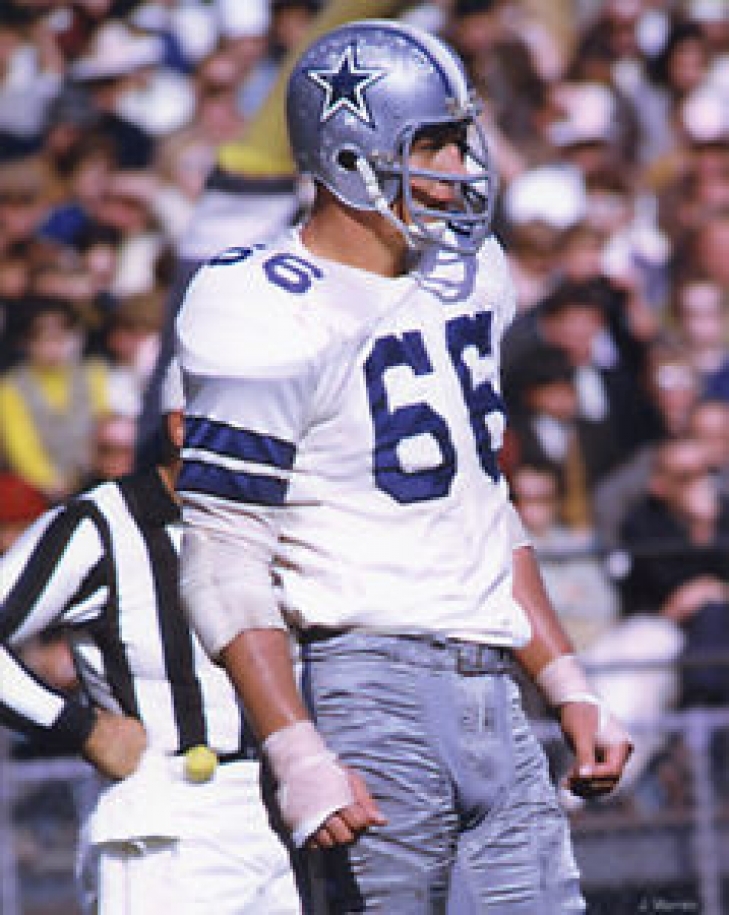
Playing his college ball at Marquette, George Andrie played his entire 11-year career with the Dallas Cowboys.
195. Don Perkins
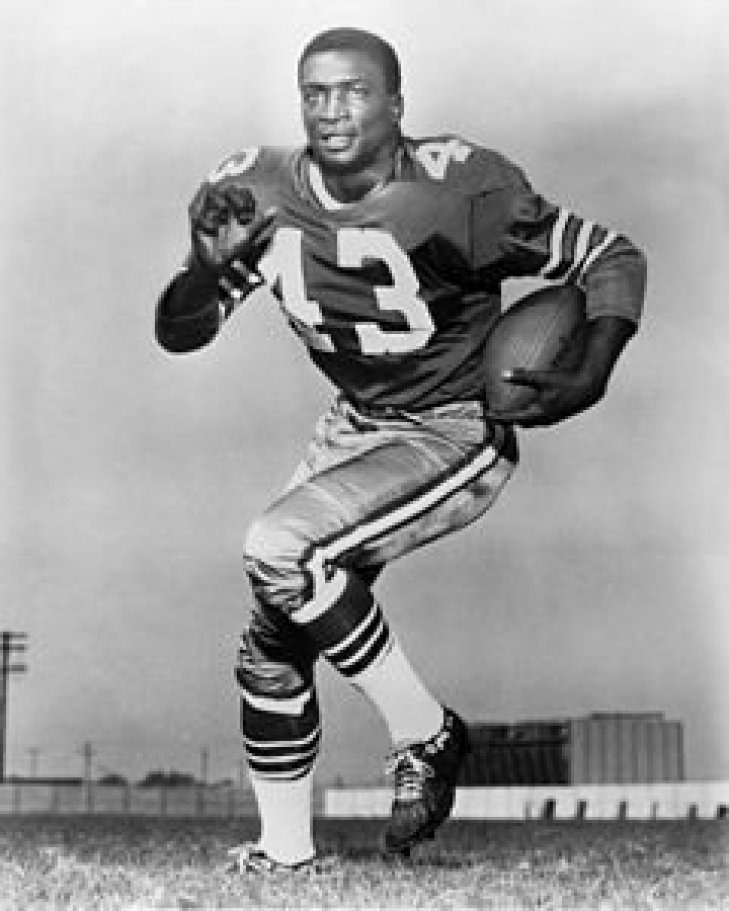
While the story of the Dallas Cowboys never started for many fans until the early '70s, there was undoubtedly some star power in the 1960s. One such performer was Don Perkins, their Fullback from the University of New Mexico.
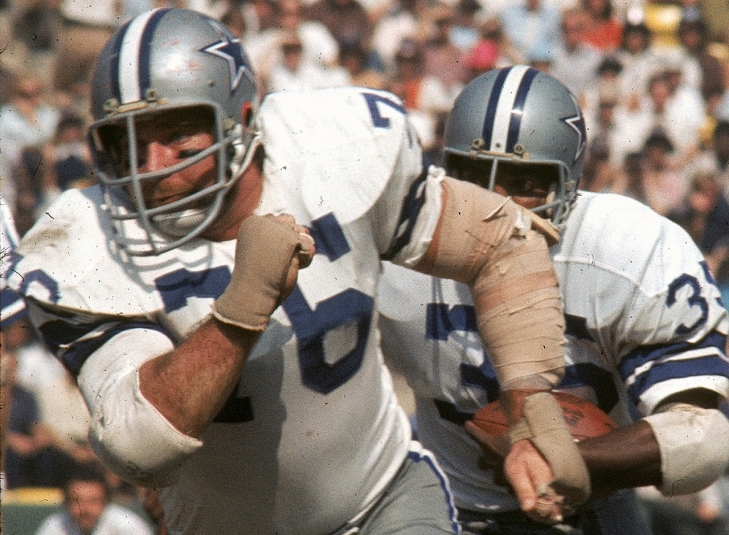
212. John Niland
209. Mark Stepnoski
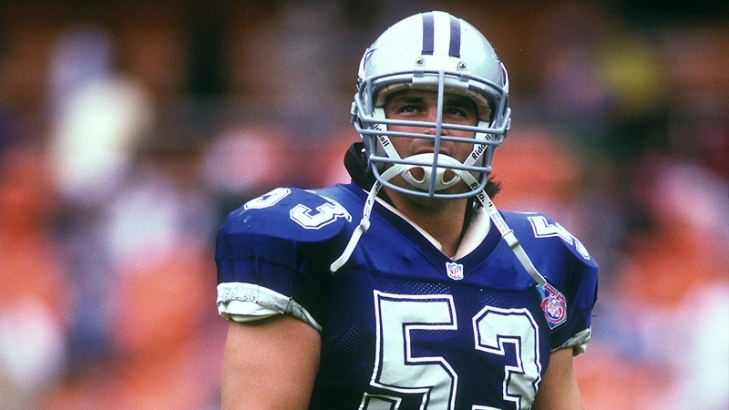
The Dallas Cowboys had ideas for Mark Stepnoski when they drafted him in the 3rd Round from the University of Pittsburgh. Dallas converted him from Offensive Guard to Center, a position he had never played before; however, they did not rush him, easing him to the position learning from the incumbent, Tom Rafferty.
188. Nate Newton
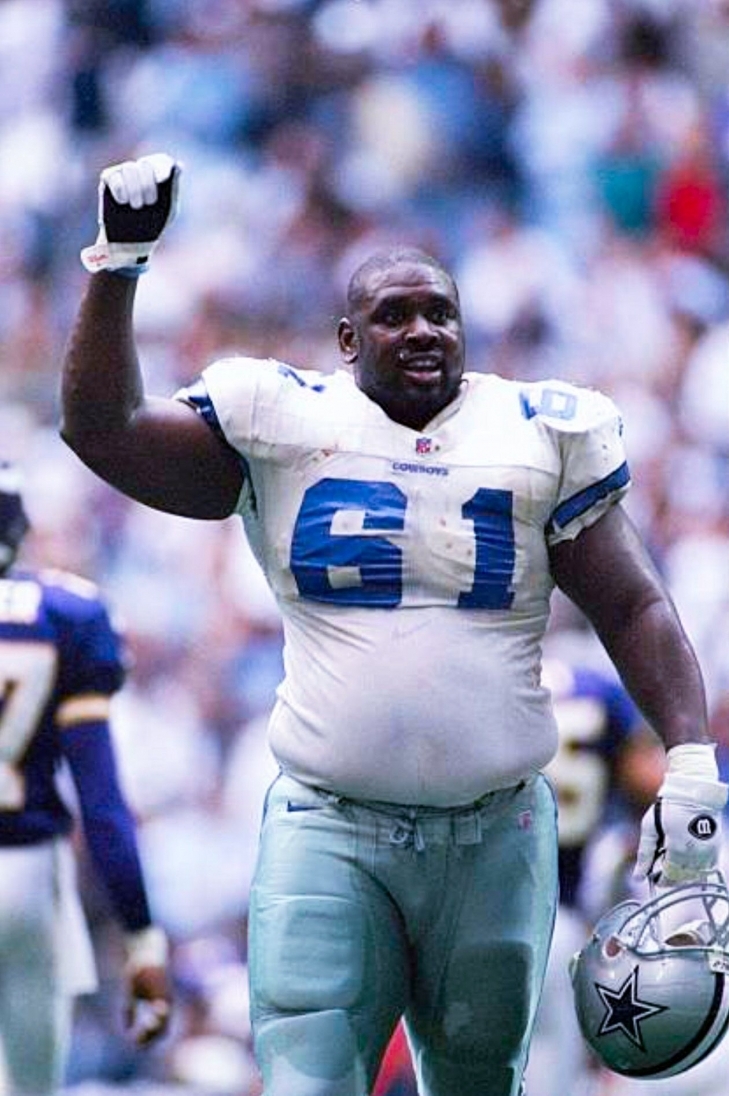
Nate Newton was so big, that he was called the “Kitchen," in reference to that he was a more massive player than William "The Refrigerator" Perry. Newton went undrafted from Florida A&M but found a home in the USFL, where he played two years with the Tampa Bay Bandits and would be named to the All-USFL Team.
218. Ralph Neely
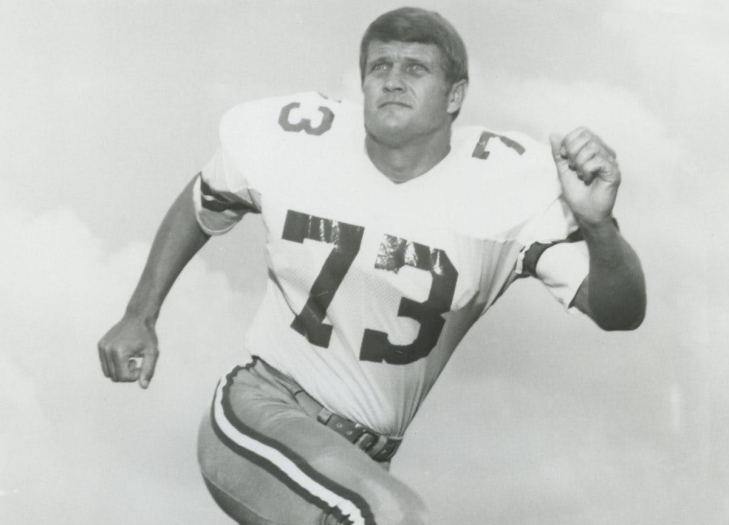
Ralph Neely was drafted by the Houston Oilers of the American Football League and the Baltimore Colts of the NFL, and he had secretly agreed to play for the Oilers (it was kept a secret so that he could play for the University of Oklahoma in the Gator Bowl).
213. La'Roi Glover
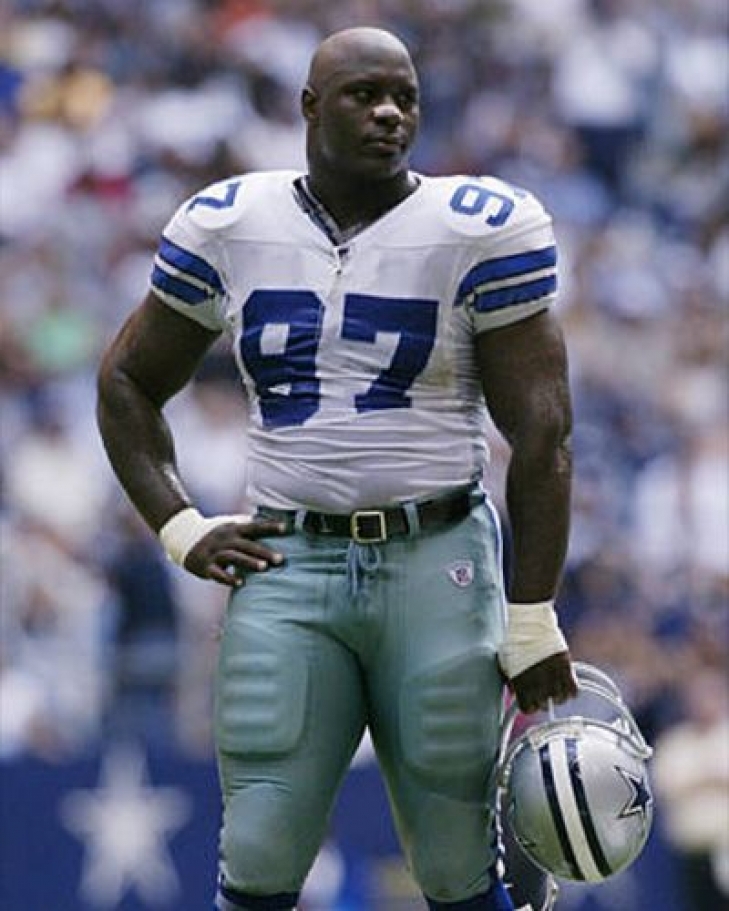
From San Diego State, La’Roi Glover took a longer path for NFL stardom. He was a 5th Round Pick with the Oakland Raiders, but they would cut him a year later, and he would be picked up by the New Orleans Saints. In New Orleans, he became a star, and in 2000 he would be named a First Team All-Pro, NFL Alumni Defensive Lineman of the Year, and the NFC Defensive Player of the Year. The ferocious pass-rusher had 17.5 Sacks would also lead the league.
113. Harvey Martin
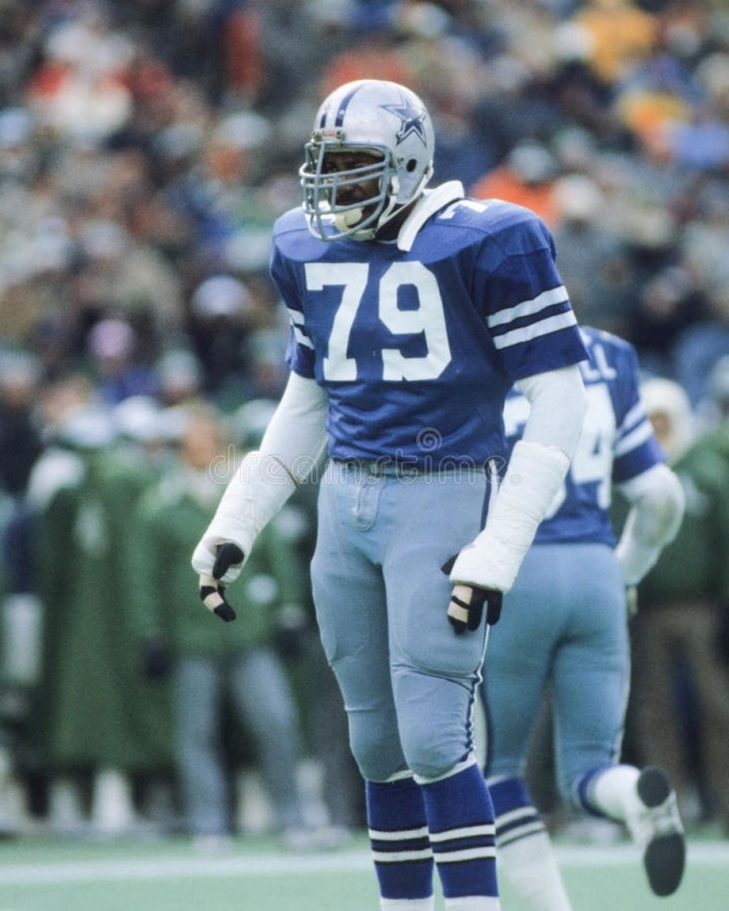
It was fitting that Harvey Martin played his entire pro career with the Dallas Cowboys. Martin was born in Dallas, played at East Texas State, and was drafted in the 3rd Round by the Cowboys in 1973 and joined and immediately contributed to what was already a dominating defensive unit.
