
27. Rob Burnett
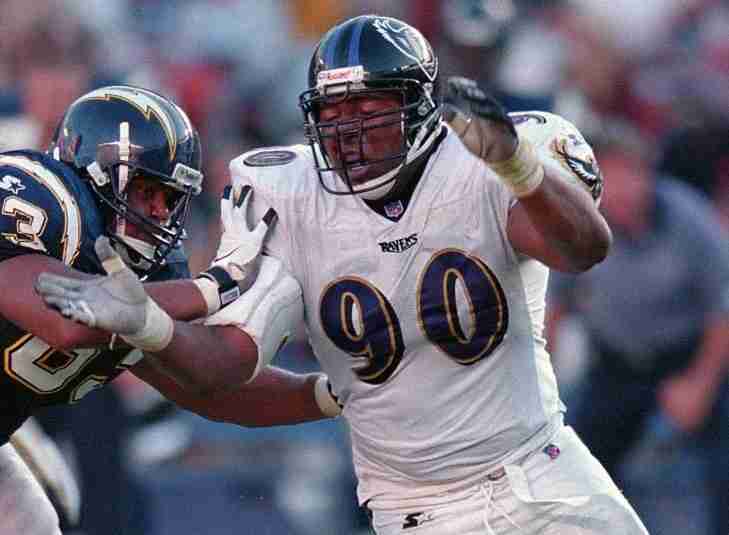
Drafted in the fifth round (129th overall) of the 1990 NFL Draft by Cleveland out of Syracuse, Rob Burnett established himself as an edge anchor over six seasons in Ohio, earning a Pro Bowl selection in 1994. When the organization relocated to Maryland in 1996, Burnett made the move, providing the Baltimore Ravens with six additional years of steady leadership and heavy-handed edge play.
Burnett utilized traditional power tactics, leveraging his length and keen diagnostic skills. Playing at left defensive end, he focused on establishing a solid edge against the run, employing strong hands to control offensive tackles before disengaging to make plays. As a pass rusher, he collapsed pockets with a quick, violent speed-to-power rush, creating openings for blitzing linebackers and recording double-digit sacks.
Burnett joined Baltimore's first 1996 lineup as a main starter, posting 4.0 sacks and helping stabilize a rebuilding defense. During his initial four seasons with the team, he offered a steady veteran influence alongside emerging pass rushers such as Peter Boulware, regularly creating pocket pressure and maintaining the edge.
His standout season came during the historic 2000 championship run. As the leader of a defense that allowed a record-low 165 points, Burnett made a significant impact with 10.5 sacks, five fumble recoveries, and his only career interception. His persistent effort and ability to pressure the quarterback earned him Second-Team All-Pro honors.
He ended that legendary year by starting every postseason game, culminating in a dominant showing in Super Bowl XXXV, where he made an important sack against Kerry Collins to secure Baltimore's 34–7 win.
Burnett returned for one final year in 2001, starting 14 games and adding 3.5 sacks to help Baltimore return to the postseason. After that campaign, salary-cap pressures forced Baltimore to part ways with the veteran edge rusher, leading to two final seasons with Miami before his retirement. In his six seasons as a Raven, Burnett started 82 regular-season games, recording 26.5 sacks, 186 solo tackles, seven forced fumbles, and eight fumble recoveries.
21. Michael McCrary
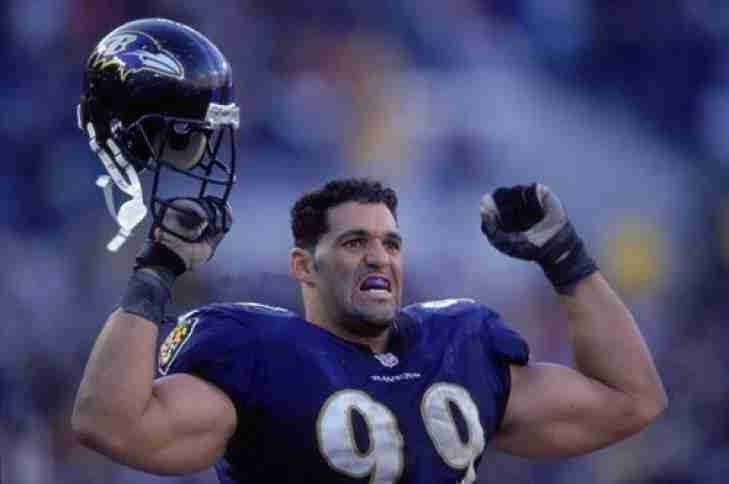
Originally drafted in the seventh round of the 1993 NFL Draft by Seattle, Michael McCrary joined the Ravens in 1997 as a free agent. Playing with a nonstop motor and violent, high-energy effort, he became the ultimate edge-setting motor for Baltimore's burgeoning defense, establishing a template for how a Ravens pass rusher should play.
McCrary did not possess the extensive length typical of conventional pass rushers; however, he compensated through effective leverage, a rapid initial burst, and an indefatigable motor. He employed a swift, forceful bull rush—transitioning from speed to power—to drive offensive tackle pads directly into the pocket. In the rushing game, he established a firm, unrelenting edge, sacrificing his body to disrupt pull blocks and redirect interior cutbacks toward Baltimore's linebackers.
Following a strong 9.0-sack season in his rookie year at Maryland in 1997, McCrary had a remarkable 1998. He recorded a career-high 14.5 sacks and 72 total tackles, leading Baltimore's defensive line and earning his first Pro Bowl selection. He maintained this level in 1999, recording 11.5 sacks and earning his second straight Pro Bowl appearance.
McCrary was a cornerstone of the historic 2000 defense, starting all 16 regular-season games and tallying 6.5 sacks for a unit that allowed an NFL-record low of 165 points. He elevated his play in the postseason, adding 6.0 playoff sacks—including 2.0 sacks in a dominant 34–7 victory in Super Bowl XXXV.
In 2001, his off-field leadership and extensive charitable contributions earned him the prestigious Byron "Whizzer" White NFL Man of the Year Award (now the Alan Page Community Award).
Battling severe knee injuries, McCrary gut-checked his way through his final games before retiring prior to the 2003 season. Across six seasons in Baltimore (1997–2002), he played in 78 regular-season games, compiling 51.0 sacks, 288 tackles, seven forced fumbles, and six fumble recoveries.
17. Ray Rice
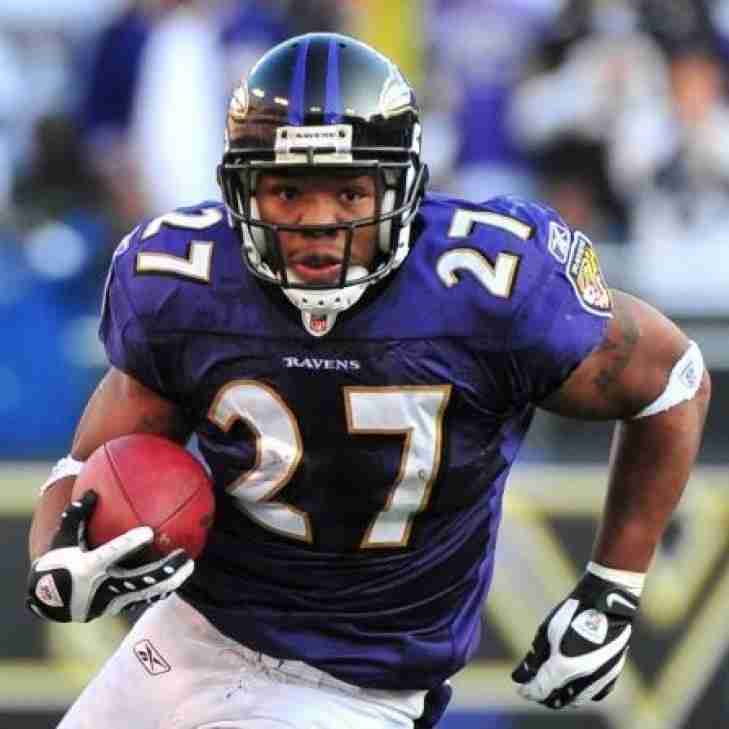
Selected in the second round (55th overall) of the 2008 NFL Draft out of Rutgers, Ray Rice stepped into Baltimore's backfield as a compact, versatile running back. At 5 feet 8 inches and 206 pounds, he possessed a low center of gravity, leverage, and elite lateral agility that made him an ideal fit for Cam Cameron’s zone-stretching offense.
Rice exhibited a low, elusive running style that was beneath the height of most defenders. He utilized the offensive line of Baltimore as cover before rapidly advancing into interior gaps or redirecting plays to the perimeter. His indispensability was rooted in his dual-threat ability out of the backfield: he was a skilled route runner with dependable hands on swing passes and screens, and he also possessed the strength to block blitzing linebackers during pass protection.
Following his role as a rotational backup behind Willis McGahee during his rookie year in 2008, Rice secured the principal starting position in 2009. He achieved a remarkable breakthrough, accumulating 1,339 rushing yards and contributing an additional 78 receptions for 702 yards, resulting in a total of 2,041 scrimmage yards. He earned his first Pro Bowl selection and received Second-Team All-Pro honors.
Rice backed that up in 2010 with another 1,776 scrimmage yards and six total touchdowns, but his peak individual campaign came in 2011. As the centerpiece of Baltimore’s offense, Rice led the NFL with 2,068 yards from scrimmage (1,364 rushing, 704 receiving) and scored 15 touchdowns. His performance earned him his second Pro Bowl trip and another Second-Team All-Pro nod.
During the 2012 championship season, Rice earned his third consecutive Pro Bowl selection, compiling 1,621 yards from scrimmage and 10 touchdowns. He authored one of the most famous plays in franchise history in Week 12 against San Diego: converting a legendary "4th & 29" by taking a short checkdown pass, weaving through the Chargers’ defense, and diving past the line to keep the game-winning drive alive. He remained vital throughout the postseason, rushing for 306 yards to help power Baltimore to victory in Super Bowl XLVII.
Following a down 2013 season, Rice’s career came to a sudden end during the 2014 offseason following a high-profile domestic violence incident, leading to his release from the team and an indefinite suspension from the league. He never played another down in the NFL. Over his six seasons in Baltimore (2008–2013), Rice played in 92 regular-season games, compiling 6,180 rushing yards, 3,034 receiving yards, and 43 total touchdowns. He compiled 9,214 scrimmage yards and 9,377 all-purpose yards, leaving him second in franchise history in total rushing yards behind Jamal Lewis.
20. Adalius Thomas
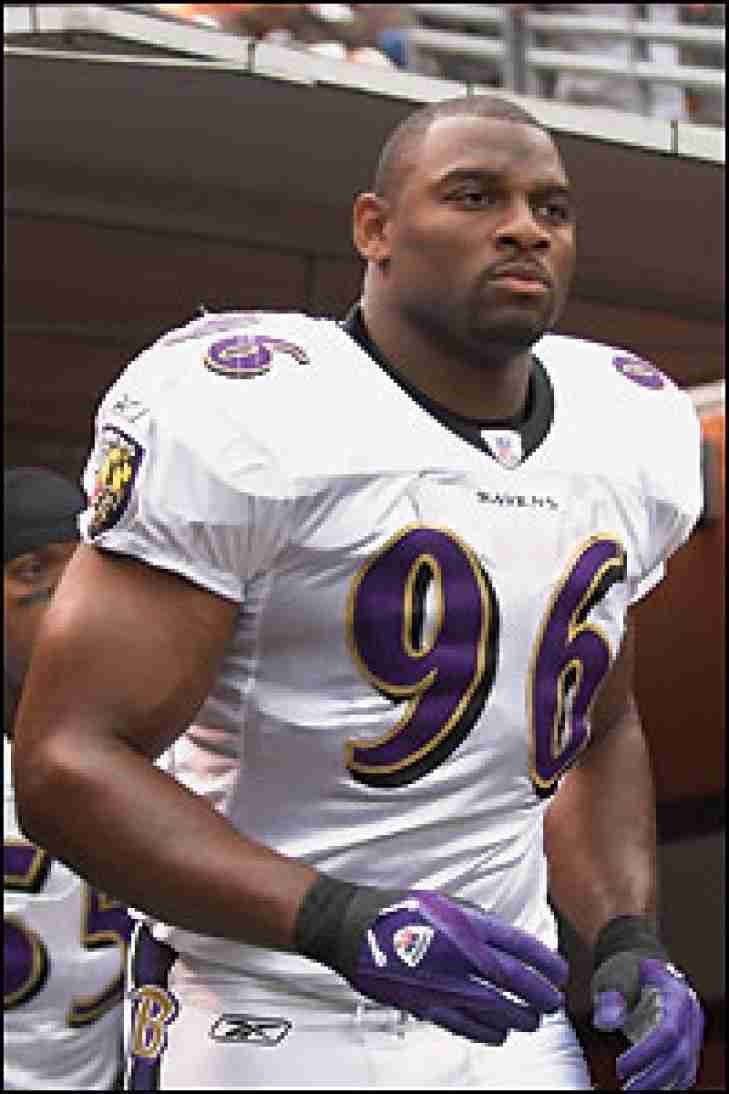
Selected in the sixth round (186th overall) of the 2000 NFL Draft out of Southern Miss, Adalius Thomas arrived in Baltimore as a raw, multi-sport athlete who had played both football and basketball in college. Over seven seasons in Baltimore, he evolved into the ultimate defensive chameleon—a matchup nightmare whose rare athleticism allowed Rex Ryan and Brian Billick to deploy him virtually anywhere on the field.
Thomas possessed an unheard-of combination of size, speed, and spatial intelligence. He ran a 4.5-second 40-yard dash, giving him the burst to bend the edge as a traditional defensive end or drop into boundary coverage as a slot corner. Thomas famously lined up at five distinct positions in a single game—defensive end, outside linebacker, inside linebacker, safety, and cornerback—making him the original blueprint for modern positionless defense.
Thomas began his career primarily as a special teams force while buried on a depth chart stacked with veteran edge rushers. His incredible motor on kick and punt coverage paid off in 2003, when he earned his first career Pro Bowl selection as a special teams specialist after leading Baltimore with 23 special teams tackles while adding 4.0 sacks.
By 2004, Thomas proudly took his place in the starting lineup full-time, bringing energy and skill with 8.0 sacks, 72 total tackles, and four forced fumbles. His performance soared even further in 2005, when he truly became a game-changing player, earning a reputation as a turnover machine. That year, Thomas racked up 9.0 sacks, two interceptions, and three forced fumbles, returning three non-offensive turnovers for touchdowns and leading the NFL in non-offensive scores. His growth and dedication make for an inspiring story of perseverance and excellence.
His absolute peak came during Baltimore's memorable 2006 defense, which allowed just 12.6 points per game—the best in the league—and led to a 13–3 season. As a key player in the unit, Thomas achieved a career-high 11.0 sacks, 83 tackles, 24 quarterback hits, and even scored a fumble return touchdown. This outstanding season earned him his second Pro Bowl nod and his first Collection of First-Team All-Pro honors.
After his All-Pro year, Thomas signed a high-profile free-agent contract with the New England Patriots in 2007, ending his tenure in Maryland. He played in 96 regular-season games, recording 38.5 sacks, 377 tackles, six interceptions, 13 forced fumbles, and four defensive touchdowns. He also earned a Super Bowl ring as a rookie on the legendary 2000 championship roster.
14. Jamal Lewis
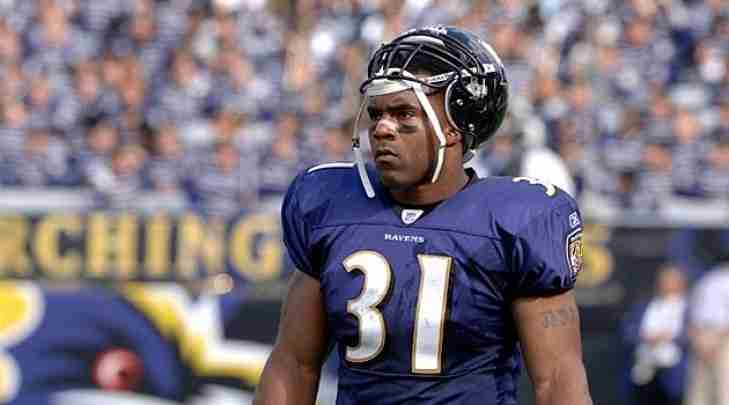
Drafted fifth overall in 2000 from Tennessee, Jamal Lewis was brought to Baltimore as the primary running back. With a unique blend of 240-pound power and track speed, Lewis established a strong rushing identity for the franchise, leading the offense during a championship period focused on a dominant defense.
Lewis was a formidable power runner who wore down defenses through relentless physicality. Instead of dodging behind the line of scrimmage, he charged downhill, planting his cleats and powerfully driving through arm tackles. Once past the second level, he had explosive speed, making him capable of turning short-yardage dives into long touchdown runs.
Lewis made an immediate impact as a rookie in 2000, taking over the lead running back position and rushing for 1,364 yards and six touchdowns. He became an essential player in the postseason, rushing for 103 yards and a touchdown in Super Bowl XXXV, becoming the youngest player to score a touchdown in the Super Bowl. After injuring his ACL and missing the entire 2001 season, Lewis returned in 2002, resuming his strong performance with 1,327 rushing yards and six touchdowns.
His masterpiece came in 2003, marking one of the most outstanding rushing seasons in football history. Notably, he set an NFL single-game record with 295 yards against Cleveland in Week 2. Throughout that season, Lewis carried the ball 387 times, amassing 2,066 rushing yards and 14 touchdowns. He was only the fifth player in league history to surpass 2,000 yards, earning his first Pro Bowl selection, First-Team All-Pro honors, and the AP NFL Offensive Player of the Year award.
Despite facing injuries and off-field legal problems in 2004, Lewis managed to surpass 1,000 yards (1,006 yards) in only 12 games. He achieved another 1,000-yard season in 2006 with 1,132 yards and 9 touchdowns, contributing significantly to Baltimore's 13-3 record and division win in the AFC North.
After the 2006 season, Lewis joined the division rival Cleveland Browns, achieving his fifth and final 1,000-yard rushing season in 2007 before retiring after the 2009 season. During his time in Baltimore, he played 91 regular-season games, rushing for 7,801 yards, adding 1,265 receiving yards, and scoring 47 total touchdowns. His 7,801 rushing yards still stand as the franchise record. In 2021, the Baltimore Ravens honored Lewis by inducting him into their Ring of Honor.
10. Chris McAlister
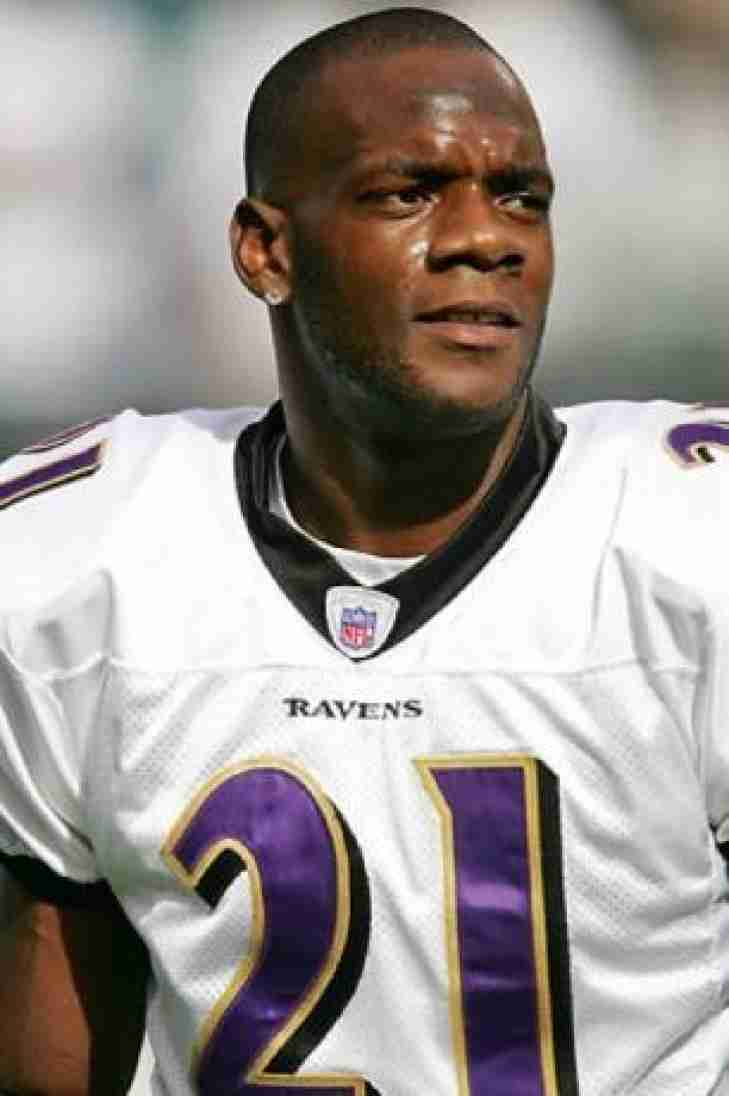
Chris McAlister, drafted 10th overall in 1999 from Arizona, joined Baltimore with ideal size, exceptional speed, and strong confidence, fitting perfectly into the secondary. Playing opposite Duane Starks and supported by safety Rod Woodson, he became a true shutdown cornerback, capable of isolating the opponent's primary receiver, which enabled defensive coordinator Marvin Lewis to generate pressure upfront.
McAlister had a rare physique for a cornerback around 2000. Instead of backing away, he specialized in press-man coverage, utilizing his long arms and strong jam technique at the line to disrupt receivers early. Once the ball was in the air, his agility and speed made him a scoring threat, often turning turnovers into long returns.
McAlister made a strong debut as a rookie in 1999, intercepting five passes and deflecting 21 throws. The next season, he became a key part of the top-ranked 2000 defense, recording four interceptions, including a 98-yard touchdown return against the Jets, and securing another pick in the postseason as Baltimore advanced to and won Super Bowl XXXV.
In 2002, he made another legendary play against Denver by catching a failed Jason Elam field goal in the back of the end zone and returning it 107 yards for a touchdown as time ran out in the first half, setting a then-NFL record.
In 2003, McAlister's dominance peaked as he allowed few completions on the perimeter, returned an interception 83 yards for a touchdown, and earned his first First-Team All-Pro honor and first Pro Bowl appearance. He extended his contract in 2004 and maintained his elite performance, earning Second-Team All-Pro honors that year and a Pro Bowl selection in 2006, with six interceptions including two returned for touchdowns.
Injuries hindered his last two seasons in Baltimore before he was released after the 2008 season. After a short final period with New Orleans in 2009, McAlister retired from football. Over 10 seasons with the Ravens, he recorded 26 interceptions, 5 defensive touchdowns, 138 pass deflections, and appeared in 3 postseason games, totaling 135 regular-season appearances. Following his career, he faced financial difficulties publicly, but his reputation as a top-tier boundary defender endures.
8. Joe Flacco
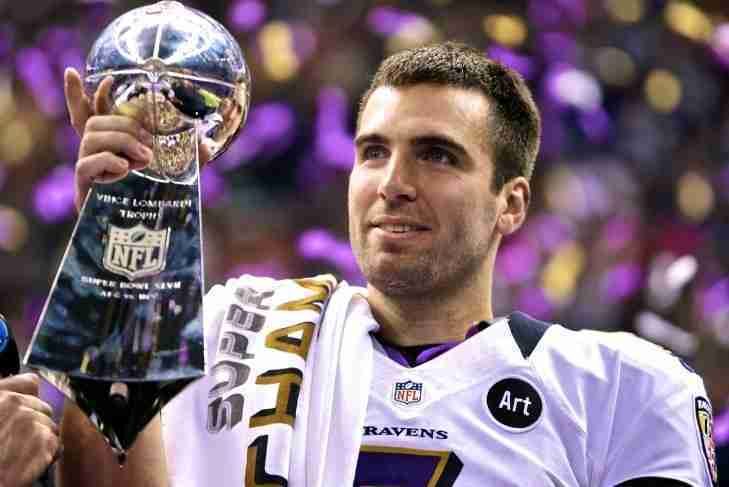
Selected 18th overall in the 2008 NFL Draft out of Delaware, Joe Flacco was thrown straight into the fire as a rookie under new head coach John Harbaugh. Bringing a towering frame, elite arm strength, and a quiet demeanor to the Baltimore huddle, Flacco stabilized a position that had been a revolving door since the franchise's inception, leading the Ravens to the postseason in each of his first five seasons.
Flacco was built like a classic pocket passer. He possessed one of the strongest arms in the league, capable of stretching defenses downfield with high-velocity vertical boundary throws to receivers like Torrey Smith, Anquan Boldin, and Jacoby Jones. Flacco utilized his arm strength to launch deep passes, driving the ball through cold January winds and giving his offense big-play potential. His unflappable, calm demeanor under pressure earned him the nickname "January Joe" for his playoff performances.
Flacco's first season in 2008 set a strong foundation for his career. As the starting quarterback from the beginning, he threw for 2,971 yards and helped Baltimore achieve an 11-5 record. He became the first rookie in NFL history to win two postseason games on the road and reach the AFC Championship. Over the next three seasons, his consistent performance led Baltimore to consecutive 12-win seasons in 2010 and 2011, maintaining the team's status as a championship contender.
His defining moment came in the 2012 postseason, showcasing one of the most memorable playoff performances by an NFL quarterback. The highlight was the famous "Mile High Miracle"—a 70-yard touchdown pass to Jacoby Jones in the final minute to tie the game against Denver. Over four playoff games, Flacco accumulated 1,140 passing yards, 11 touchdowns, and no interceptions. He concluded his remarkable run by earning Super Bowl XLVII MVP after beating San Francisco 34-31.
In 2014, Flacco had another impressive season under offensive coordinator Gary Kubiak, passing for a career-high 3,986 yards and 27 touchdowns, and leading a playoff upset against the Pittsburgh Steelers. He also set the franchise record for single-season passing yards in 2016, with 4,089 yards, becoming the key player in the offense.
Following a hip injury in 2018 that opened the door for Lamar Jackson to lead the offense, Flacco's eleven-year stint in Baltimore concluded. He subsequently played for Denver, the Jets, Philadelphia, Cleveland (where he earned the 2023 Comeback Player of the Year award), Indianapolis, and Cincinnati.
Flacco set all-time franchise records with 38,245 passing yards and 212 touchdown passes, while compiling a legendary 10-5 postseason record.
12. Peter Boulware
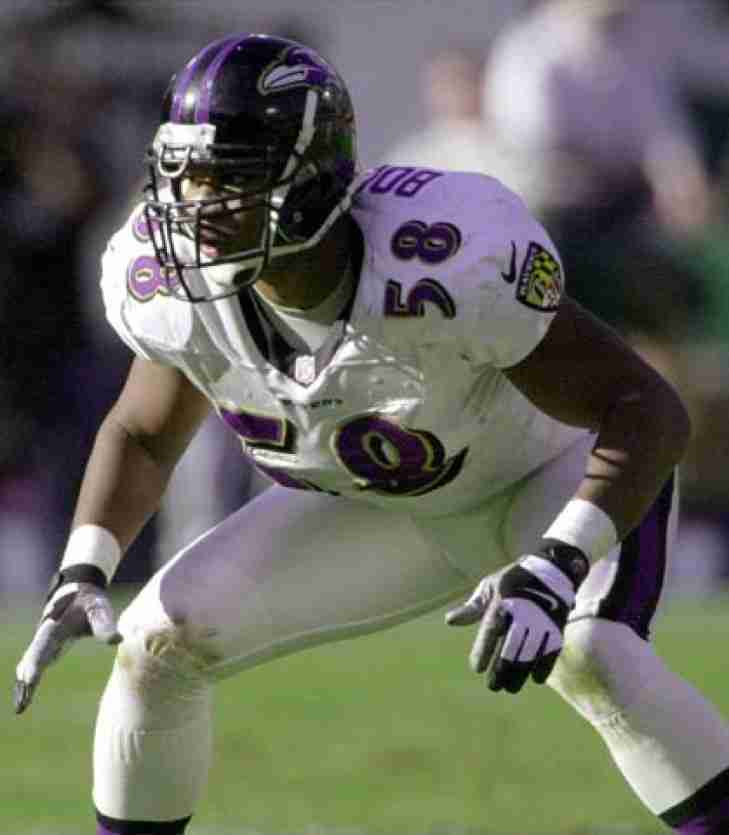
Selected fourth overall in the 1997 NFL Draft from Florida State, Peter Boulware joined the Ravens as a dynamic edge rusher, aimed at energizing a young franchise. Playing alongside Ray Lewis in the front seven, Boulware utilized explosive speed to establish himself as the team's primary edge defender and laid the foundation for the aggressive defenses that came after.
Boulware had a deadly mix of a quick first step, long reach, and smooth corner-turning skills. Mainly playing outside linebacker in 3-4 schemes or rushing as an end in nickel formations, he excelled at beating offensive tackles with speed to the outside before dipping his shoulder to reach the quarterback. His relentless motor also enabled him to pursue plays from behind, making him a quick-impact player in passing situations.
Boulware made a strong start as a rookie in 1997, disrupting backfields to achieve 11.5 sacks. His quick impact earned him the AP NFL Defensive Rookie of the Year award and indicated Baltimore was assembling a formidable defensive squad. He continued his success with 8.5 sacks in 1998, earning his first Pro Bowl, and then recorded 10.0 sacks in 1999, securing a second straight Pro Bowl and Second-Team All-Pro recognition.
In the notable 2000 season, Boulware was a crucial pass-rusher for the legendary defense that set the 16-game record with only 165 points allowed. He recorded 7.0 sacks during the regular season and contributed an additional three in the postseason, helping them secure victory over the New York Giants in Super Bowl XXXV.
Boulware hit his career peak in 2001 with a franchise-record 15.0 sacks, leading the AFC. He continued to be a top edge rusher over the following two seasons, earning Pro Bowl honors in 2002 and 2003, with a total of 15.5 sacks during those years.
Severe knee problems caused him to miss the entire 2004 season. He returned in a limited role in 2005, recording 2.5 sacks, but injuries ultimately ended his career early. Boulware appeared in 126 regular-season games, amassing 70.0 sacks, 401 tackles, and 14 forced fumbles.
6. Marshal Yanda
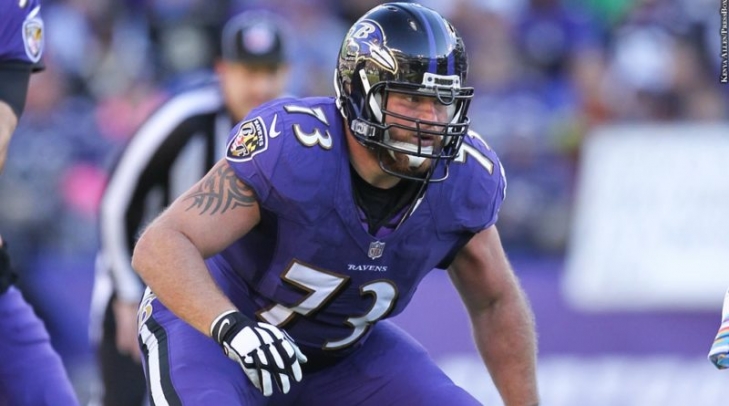
Taken in the third round (86th overall) of the 2007 NFL Draft from Iowa, Marshal Yanda entered the league with a blue-collar work ethic and a rugged, physical playing style. While left tackle Jonathan Ogden set the gold standard for Baltimore line play in the 1990s and 2000s, Yanda stepped in to become the unquestioned engine of the Ravens' front five throughout the 2010s, cementing his legacy as one of the most dominant interior guards in modern football history.
Standing 6 feet 3 inches tall and weighing 305 pounds, Yanda utilized precise hand placement, explosive core power, and a fierce competitive edge to dominate the line of scrimmage. Mainly playing at right guard—briefly filling in at right tackle during injuries—he excelled at stopping interior pass rushers with a solid anchor and used persistent leg drive to open B-gap lanes in Baltimore's power run plays.
After securing a starting role in his 2007 rookie season, Yanda faced a severe multi-ligament knee injury in 2008 but managed to improve his performance to an elite level. His standout period started in 2011, when he was first chosen for the Pro Bowl as the offensive line created running lanes for Ray Rice and led Baltimore to the AFC Championship Game. During the 2012 postseason, Yanda anchored the interior of an offensive line that allowed minimal pressure, powering the franchise to a Super Bowl XLVII victory.
His personal peak occurred around the middle of the decade, when Yanda earned First-Team All-Pro honors in consecutive years (2014 and 2015), establishing himself as the top guard in the league. Even after switching from right guard to left guard in 2016 because of team injuries—and playing much of that season with a torn shoulder labrum—he maintained an impeccable record, not allowing a single sack or quarterback hit throughout the year.
Yanda upheld his exceptional standard into the later years of his career. Acting as the experienced leader for a young Lamar Jackson, he achieved his seventh and eighth Pro Bowl nominations in 2018 and 2019. He finished his career by paving the way for the 2019 team, which set the NFL record for single-season rushing yards with 3,296 yards.
After retiring following the 2019 season, Yanda, who spent all 13 of his professional years with Baltimore, tied Jonathan Ogden for the most regular-season games played by an offensive lineman in franchise history at 177. Including playoffs, his total of 191 games set a franchise record for linemen. Inducted into the Ravens Ring of Honor in December 2022, Yanda's path to Canton is seen as inevitable, as he has been a multiple-time finalist for the Pro Football Hall of Fame.
3. Jonathan Ogden
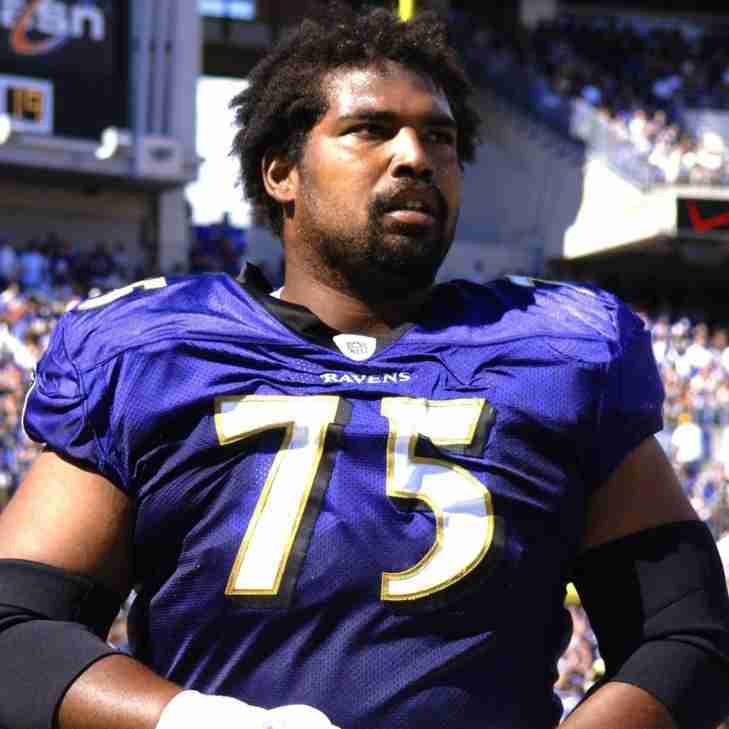
When the Baltimore Ravens selected UCLA offensive tackle Jonathan Ogden fourth overall in the 1996 NFL Draft, general manager Ozzie Newsome made a decision that generated debate among local fans. Although running back Lawrence Phillips was still available, high drafting of offensive linemen was uncommon in the mid-90s. Newsome adhered to his "best player available" strategy and chose Ogden, making him the first-ever pick in franchise history. This selection became one of the most significant in sports franchise development.
Standing at 6 feet 9 inches and weighing 345 pounds, Ogden's rare combination of size, athleticism, and quick feet is extraordinary for a left tackle. Instead of relying solely on his size, he effectively counters edge pass rushers with his long reach, lateral quickness, and stability. In pass protection, he creates a deep, secure pocket that provides quarterbacks with extra time, making elite edge rushers almost invisible. As a run blocker, his size helps him engulf opponents, effortlessly opening B-gap lanes to support Baltimore's powerful ground game.
In his 1996 rookie season, Ogden started at left guard with veteran Tony Jones, allowing only one sack and earning All-Rookie honors. In 1997, he moved to his natural left tackle position, received his first Pro Bowl and First-Team All-Pro selections, beginning an impressive streak of 11 consecutive Pro Bowl nominations from 1997 to 2007.
In the 2000 season, Ogden led an offense that supported the team's formidable defense, resulting in a win in Super Bowl XXXV. His run-blocking peaked in 2003 as the main blocker for Jamal Lewis, who gained 2,066 yards, including a then-NFL record 295-yard game against Cleveland where Ogden consistently created large running lanes.
Throughout his 12 seasons with Baltimore, Ogden played 176 of 177 regular-season games. He earned four First-Team All-Pro honors (1997, 2000, 2002, 2003) and five Second-Team selections. Ogden retired in 2008 as a lifelong Raven. That same year, he was inducted into the Ravens Ring of Honor, and in 2013, he became the first franchise draftee to be inducted into the Pro Football Hall of Fame. Additionally, he was named to the NFL 2000s All-Decade Team.
5. Terrell Suggs
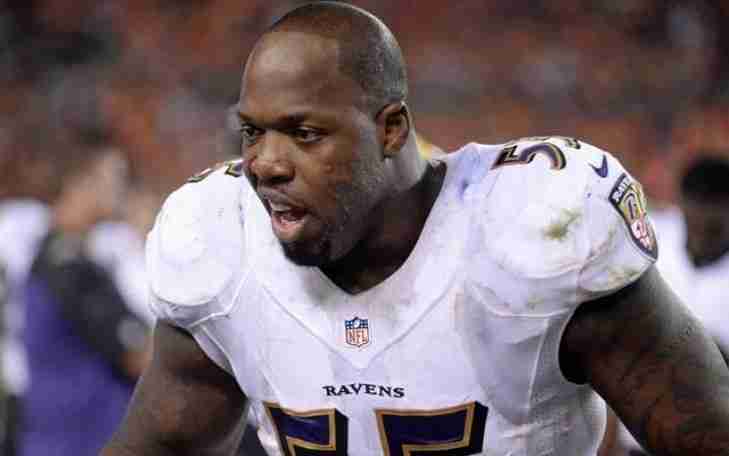
Drafted 10th overall from Arizona State in the 2003 NFL Draft, Terrell Suggs came to Baltimore armed with impressive length, quickness, and a fierce attitude. He joined a formidable defense led by Ray Lewis and Ed Reed, and quickly became a key part of Charm City's intimidating identity. Known as "T-Sizzle," he didn’t just fit in—he became its most vocal and feared pass-rushing force over 16 seasons.
Suggs enhanced edge play by combining aggressive pass rushes with disciplined run defense. Unlike speed rushers who sacrificed edge control to chase quarterbacks, Suggs had the lower-body strength to establish a firm outer boundary against pullers, forcefully directing running lanes back inside toward his linebackers. His signature dip-and-rip move enabled him to navigate tight corner angles when rushing the passer, and his long reach made him a top strip-sacker, often swatting the ball away before the quarterback's arm moved forward.
Suggs made a notable debut in the league in 2003. Although he started just one game his first year, he achieved 12.0 sacks and six forced fumbles, setting a rookie record for the Ravens and winning the AP NFL Defensive Rookie of the Year award. He continued to excel in 2004 with 10.5 sacks, earning his first Pro Bowl selection.
As his responsibilities grew into a versatile outside linebacker role, Suggs emerged as the emotional energizer of Baltimore's front seven. His legendary rivalry with the Pittsburgh Steelers—especially with quarterback Ben Roethlisberger—was marked by fierce sacks, critical takeaways, and his distinctive gladiator visor. In 2008, Suggs received a Second-Team All-Pro recognition after recording eight sacks, two interceptions, and returning two for touchdowns, playing a key part in Baltimore's journey to the AFC Championship Game.
His standout individual achievement was during his notable 2011 Defensive Player of the Year season. Suggs was a dominant force throughout, setting a career-high with 14.0 sacks, leading the league with seven forced fumbles, and also making two interceptions, earning First-Team All-Pro honors. The following year, after recovering quickly from an offseason Achilles tear, Suggs played a key role on the edge during the 2012 postseason, providing vital pressure that contributed to the team's Super Bowl XLVII victory.
Suggs stayed a major disruptor even into his mid-30s. He achieved double-digit sacks in 2013 (10.0), 2014 (12.0), and 2017 (11.0), earning his seventh Pro Bowl at age 35. After 16 seasons with Baltimore ending in 2018, Suggs played his last season with the Arizona Cardinals and Kansas City Chiefs, winning a second Super Bowl with Kansas City in Super Bowl LIV.
Across 229 regular-season games in a Baltimore uniform, Suggs set untouchable franchise records with 132.5 sacks and 37 forced fumbles. He also stands as the NFL's all-time leader in career tackles for loss with 202. He was inducted into the Ravens Ring of Honor in 2023.
7. Haloti Ngata
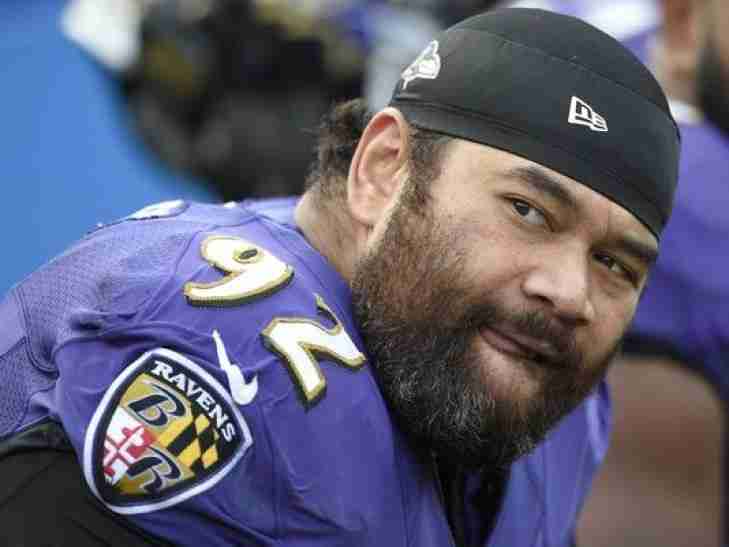
When the Baltimore Ravens selected Haloti Ngata 12th overall in the 2006 NFL Draft out of Oregon, they were not looking for a stats-chasing finesse lineman. They wanted a massive, immovable anchor around which a defense could operate. Across his nine seasons with the Ravens, Ngata delivered exactly that, bringing rare athletic movement to a 340-pound frame and providing the crucial interior foundation for Baltimore's secondary era of defensive dominance.
A mountain of a man at 6 feet 4 inches and 340 pounds, Ngata possessed physical traits that made single-blocking him an impossible proposition for opposing centers and guards. Combining raw bench-press power with remarkably light feet, he excelled at taking on double-teams at the line of scrimmage, effectively walling off interior gaps so linebackers Ray Lewis and Bart Scott could flow freely to the ball. Beyond plugging run lanes, his lateral quickness allowed him to slide across multiple alignments—playing 0-technique nose tackle, 3-technique defensive tackle, or 5-technique end—while generating pocket-collapsing interior pressure.
Ngata entered the starting lineup as a rookie in 2006, making an immediate impact on a defense that led the NFL in total yards allowed. His first significant national recognition came in 2008, when he earned Second-Team All-Pro honors after helping a unit that allowed only 81.4 rushing yards per game reach the AFC Championship Game.
His peak stretch of dominance came between 2009 and 2013, when he earned five consecutive Pro Bowl nods. During the 2010 season, Ngata put together a monster campaign, racking up a career-high 5.5 sacks and 63 tackles to earn his first First-Team All-Pro selection. He repeated as a First-Team All-Pro in 2011, proving virtually unblockable in both run defense and pass-rush situations.
Ngata was a key figure in the franchise's Super Bowl XLVII victory in 2012. Despite dealing with minor injuries, he was the main force on the defensive line during the playoffs, effectively clogging lanes against Indianapolis, Denver, New England, and San Francisco, helping him earn his championship ring.
After nine seasons with Baltimore, Ngata played three years for the Detroit Lions and one last season with the Philadelphia Eagles before retiring in 2019. In 135 regular-season games for the Ravens, he recorded 25.5 sacks, 447 tackles, four forced fumbles, and five interceptions—a notable defensive stat line for a nose tackle of his size.
The franchise recognized his dominant tenure by inducting him into the Baltimore Ravens Ring of Honor in October 2021.
2. Ed Reed
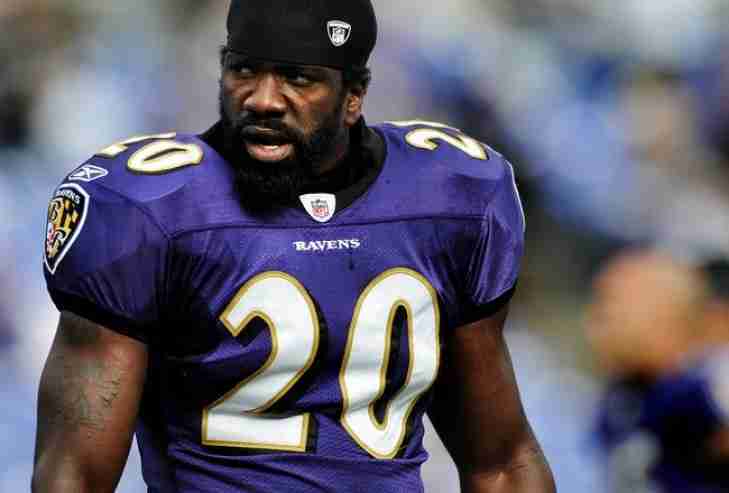
Drafted 24th overall in the 2002 NFL Draft from the University of Miami, Ed Reed quickly established himself in Baltimore by elevating defensive back play into an artful psychological strategy. Partnering with middle linebacker Ray Lewis, Reed became a key part of one of the most formidable defensive units in modern football, redefining the free safety role from a primarily deep covering position to a versatile, game-changing threat.
Reed wasn’t the biggest safety on the field, but his processing speed far surpassed everyone else’s. He was a legendary film watcher, known for studying quarterback eye discipline and shoulder tilts, often baiting top quarterbacks like Peyton Manning and Tom Brady into throwing where he wasn't. Reed had the spatial instincts to cover two-thirds of the field from single-high alignments, baiting quarterbacks and then using his explosive speed to break on the ball. When the ball entered his range, Reed shifted from a defensive back to an agile open-field runner. Instead of just going down, he saw every turnover as a scoring chance, pioneering a lateral-heavy, cross-field return style that overwhelmed opposing coverage teams.
His peak performance came in 2004 when he was named Defensive Player of the Year. Reed led the NFL with nine interceptions, including a remarkable 358 return yards and a then-record 106-yard interception return touchdown against Cleveland. He continued his excellence in 2008 by setting another league record with a 107-yard touchdown return against Philadelphia, once again leading with nine interceptions. In 2010, despite missing six games due to hip surgery recovery, he still led the league with 8 interceptions in only 10 games.
Reed was an all-around playmaking force. Over his career, he became the first player in NFL history to score touchdowns off an interception, a fumble recovery, a punt return, and a blocked punt.
After serving as the secondary anchor during Baltimore's Super Bowl XLVII victory in 2012, Reed played briefly for Houston and the New York Jets before retiring. Over 11 seasons with Baltimore, he established franchise records with 61 interceptions, 1,541 return yards, and seven defensive touchdowns. He still holds the NFL record for career interception return yards at 1,590.
Reed entered the Pro Football Hall of Fame in 2019 and was also named to the 2000s All-Decade and 100th Anniversary Teams. The Ravens also inducted Reed into their Ring of Honor in 2015.
1. Ray Lewis
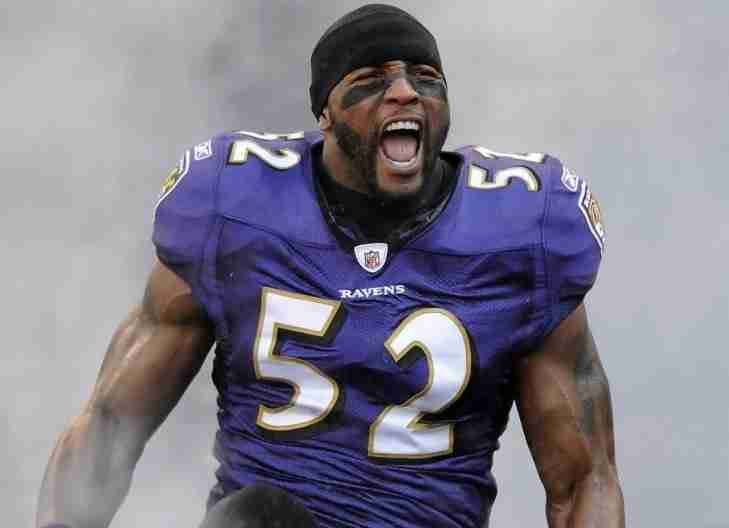
Who else could be number one?
Ray Lewis, selected 26th overall in the 1996 NFL Draft—the second pick in Ravens history after Jonathan Ogden—did more than just play for the team; he defined it. Coming out of Miami as an undersized middle linebacker, Lewis brought exceptional sideline-to-sideline speed, sharp instincts, and a contagious, fierce energy that shaped Baltimore's defensive reputation for almost twenty years.
Lewis revolutionized his role with an unmatched mix of sideline-to-sideline coverage, aggressive leverage, and pre-snap intelligence. Instead of relying only on brute strength against offensive linemen, he used elite footwork to slip past isolation blocks and cut off running lanes early, preventing plays from developing. A passionate film student, Lewis often decoded opposing formations and pre-snap calls, alerting teammates to the intended play before the snap. During his prime, he had the fluid hips and top-end speed to cover deep routes, running stride-for-stride with boundary receivers on vertical passes. Up front, enormous defensive tackles like Tony Siragusa, Sam Adams, and Haloti Ngata kept guards and centers away from him, giving Lewis the freedom to pursue plays downhill, analyze angles, and deliver powerful hits in open space.
His influence was immediate. As a rookie in 1996, Lewis led Baltimore with 110 tackles. In 1997, he surpassed all NFL players with 184 tackles, including a league-record 156 solo stops, earning his first Pro Bowl. By 1999, after recording 165 combined tackles, he received his first First-Team All-Pro honor.
His masterclass took place during the historic 2000 season. As the key figure in a defense that set the NFL record for fewest points allowed in 16 games (165), Lewis earned his first AP NFL Defensive Player of the Year award. He concluded that season by being named Super Bowl XXXV MVP after dominating the New York Giants in a 34–7 victory, making him only the second defensive player in league history to win both awards in a single season.
As his career advanced, Lewis transitioned smoothly. Working under defensive coordinators Marvin Lewis, Rex Ryan, and Dean Pees, he served as a defensive coach on the field. As his sideline speed diminished with age, he gained weight to become a powerful downhill B-gap defender, increasingly depending on his pre-snap reads to anticipate plays.
In 2003, Lewis secured his second Defensive Player of the Year award, recording six interceptions and 163 tackles. He earned First-Team All-Pro honors again in 2008 and 2009, surpassing 110 tackles each season while mentoring rising stars such as Terrell Suggs and Ed Reed. His career culminated in 2012 when he returned from a torn triceps for what he called his "Last Ride" playoff run, leading all defenders in tackles during the postseason and winning Super Bowl XLVII.
Lewis stands as the only player in NFL history to record at least 40 sacks and 30 interceptions in a career, finishing with 41.5 sacks and 31 interceptions.
Lewis retired after the 2012 championship, having played all 228 regular-season games with the Ravens. He is the NFL's all-time leader in combined tackles (2,059). Inducted into the Ravens Ring of Honor in 2013 and honored with a bronze statue outside M&T Bank Stadium, he was elected to the Pro Football Hall of Fame in 2018 on his first ballot. He also earned spots on both the NFL 2000s All-Decade Team and the NFL 100th Anniversary All-Time Team.
Steve Smith to retire at the end of the year
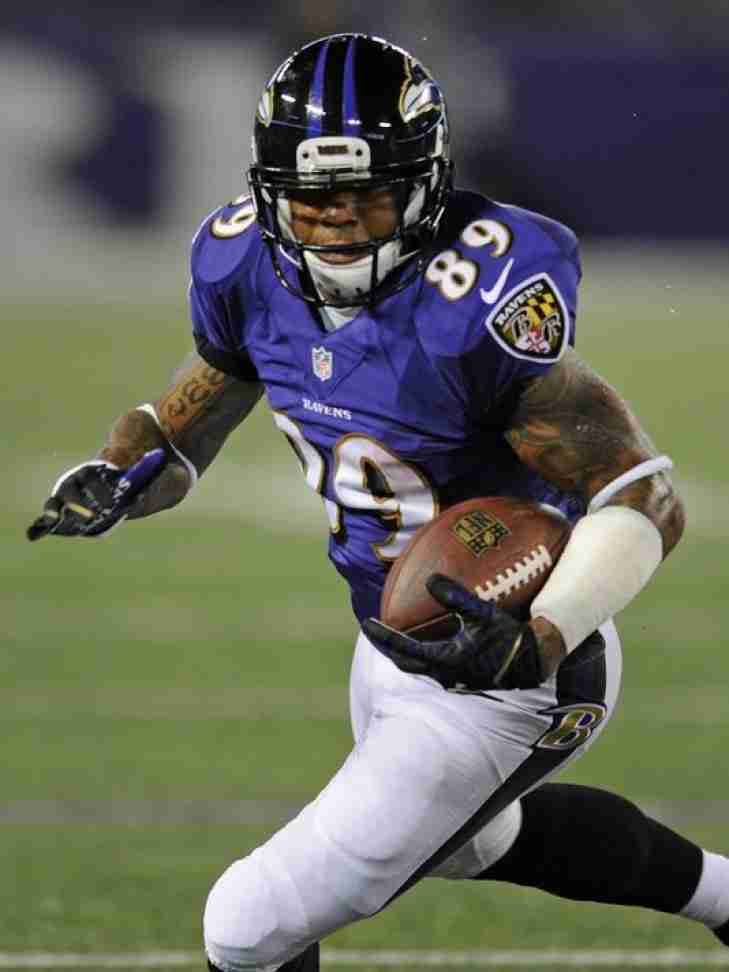
Smith is entering his second (and final) season with Baltimore after spending the first thirteen seasons of his career with the Carolina Panthers. Seven times, Smith eclipsed 1,000 Yards Receiving in a season and in 2005 he would lead the NFL in both Receptions and Yards Receiving. A two time First Team All Pro, Steve Smith currently ranks 14th in Yards and a 800 Yard season would put him in the top ten, and improve his Hall of Fame probability, even in an era with inflated numbers for wideouts.
Is Steve Smith Sr. a Hall of Famer? We’re not sure that he is, but another Pro Bowl season, or a deep playoff run by the Ravens could put him over the top.
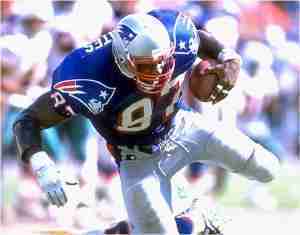
102. Ben Coates
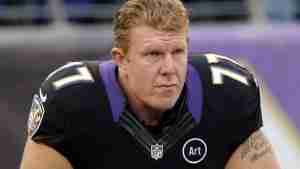
137. Matt Birk
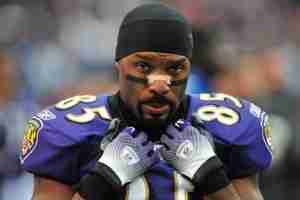
234. Derrick Mason
121. Steve McNair