


Committee Chairman
177. Doc White
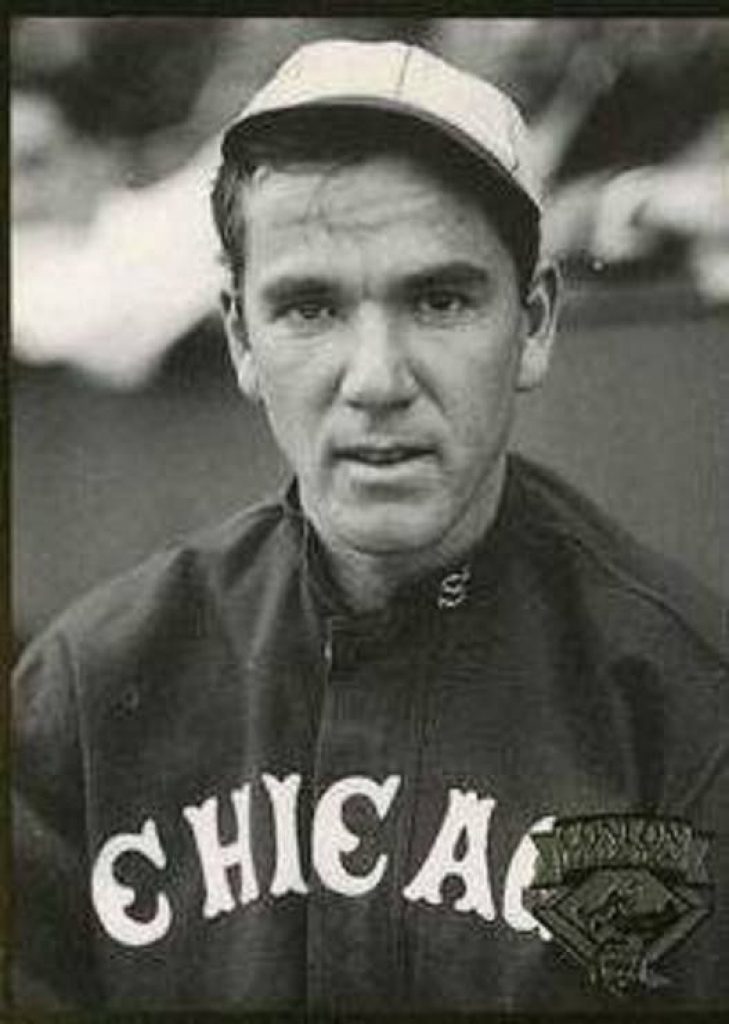
Guy Harris “Doc” White was not a superstar, but a player teams would covet for his dependable, durable production.
White debuted in 1901 for the Philadelphia Phillies, where he played for two seasons, the second of which saw his 5.411 SO/9 lead the National League. White jumped to the Chicago White Sox of the American League in 1903, and he stayed with the team until his Major League career ended in 1913.
From '03 to 08, White won at least 16 Games, including a league-leading 27 in 1907. White progressively rose in ERA rankings: fourth in 1903 (2.13), third in 1904 (1.78), second in 1905 (1.76), and first in 1906 (1.52). 1906 was incredibly sweet for the Pitcher as he helped the White Sox win their first-ever World Series Title. White also led the AL in WHIP in 1906 (0.903) and BB/9 twice (1907 & 1911).
It is worth mentioning that White was a respectable hitter, accumulating 278 Hits with a .217 Batting Average over his career. Whited finished off with a record of 189-156 with 1,384 Strikeouts.
274. Theodore Breitenstein
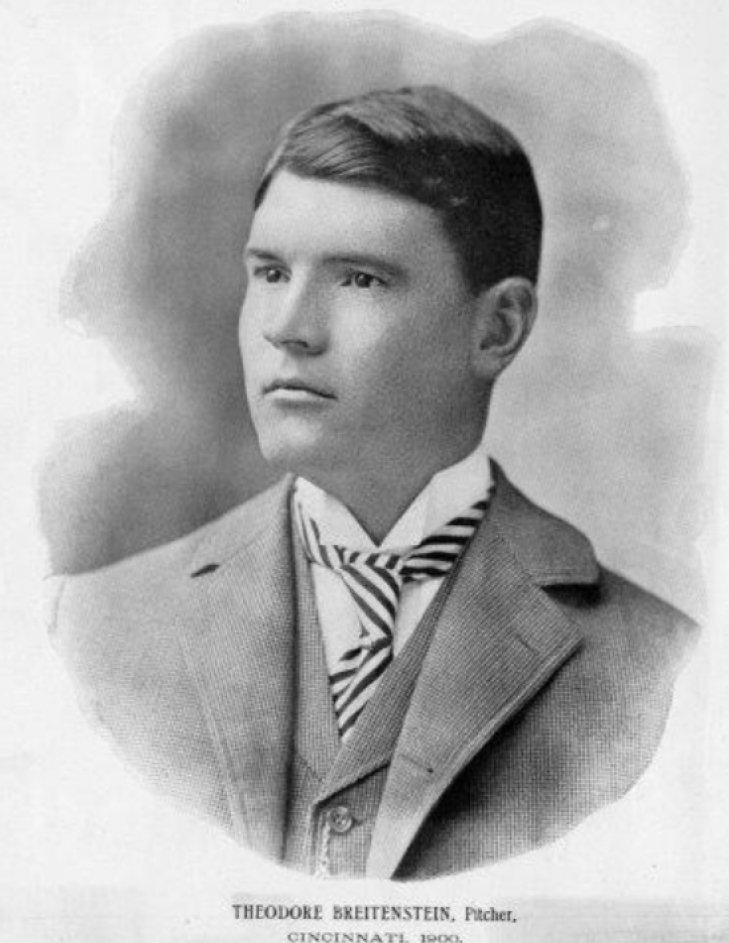
Before the St. Louis Cardinals were named the Cardinals, they were the first known version of the Browns, and one of their best Pitchers in the mid-1890s was Theodore Breitenstein.
179. Jake Daubert
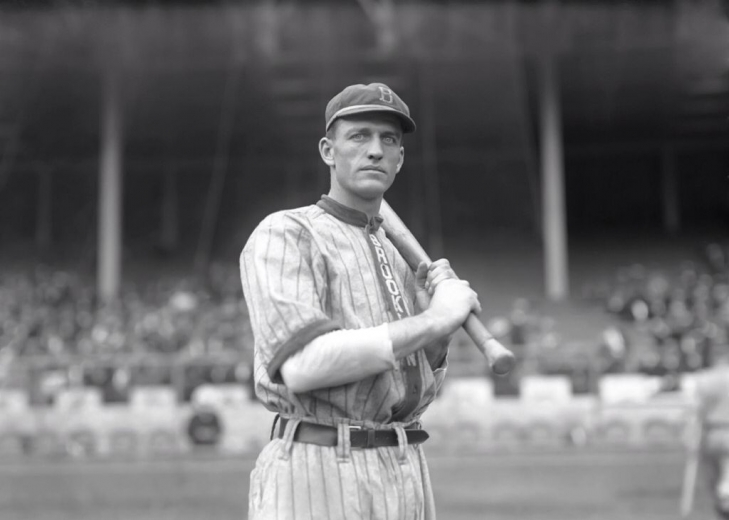
A 15-year veteran of the Majors, Jake Daubert played for two different teams in his Major League career, the Brooklyn Superbas/Robins and the Cincinnati Reds.
Playing at First Base, Daubert was a starter as a rookie in 1910. After a promising rookie year, Daubert would bat .300 ten times, including two Batting Titles (Robin, 1913 & 1914), and won the MVP award in the latter year. Brooklyn traded Daubert to Cincinnati in 1919, where he helped the Reds win the World Series during the infamous "Black Sox Scandal."
Daubert would have 2,336 Hits with a lifetime Batting Average of .303.
235. Harry Breechen
From rural Oklahoma, Harry Brecheen took a while to make his mark in the Majors.
At age 25, Brecheen had a cup of coffee with the St. Louis Cardinals in 1940m, but he wasn't able to make his mark with that opportunity. The southpaw would, however, emerge in 1943, and while the Majors were depleted due to World War II, he made the most of this circumstance.
Brecheen came of age in 1944, winning 16 Games against 5 Losses, and helping the Redbirds win the National League Pennant. The Oklahoman won a Game in that year’s World Series, which would see St. Louis defeat the crosstown Browns for the Title. Brecheen had an even better regular season in 1944, with a 2.52 ERA (3rd in the NL) and a sparkling winning percentage of .789 (15-4).
Brecheen won 15 Games again in 1946 (albeit against 15 losses), though he sported an even better ERA of 2.24. That year, the Cardinals returned to the World Series, and Brecheen was astounding, winning all three starts and allowing only one run in 20 Innings. St. Louis won the World Series (beating Boston), and if there had been a World Series MVP in '46, it would have been offered to Brecheen on a silver platter.
1946 was the last World Series win for Brecheen, but his best regular seasons were still ahead of him. In 1947 and 1948, he was an All-Star, with his best season coming in the latter, where he led the NL in ERA (2.24). Strikeouts (149), ERA+ (182), WHIP (1.037), and SO/BB (3.04). Brecheen was fifth in MVP voting that season, his highest vote tally.
Declining after 1949, he played with the Cardinals until 1952, playing one last year in the Majors with the St. Louis Browns. Overall, Brecheen had a record of 133-92.