


Site Admin
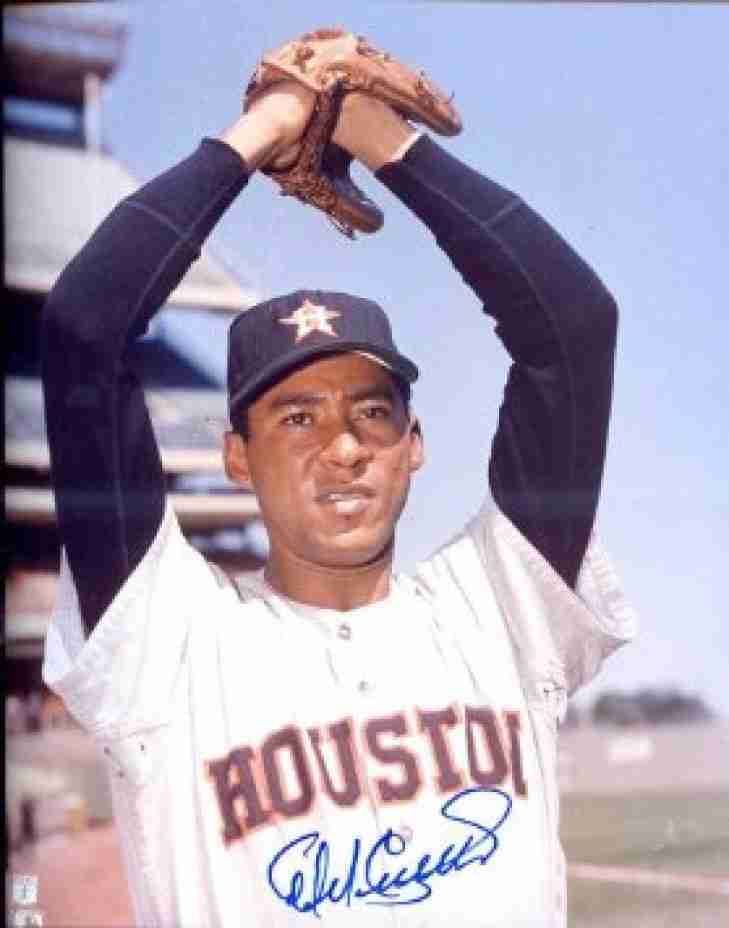
48. Mike Cuellar
42. Denny Walling
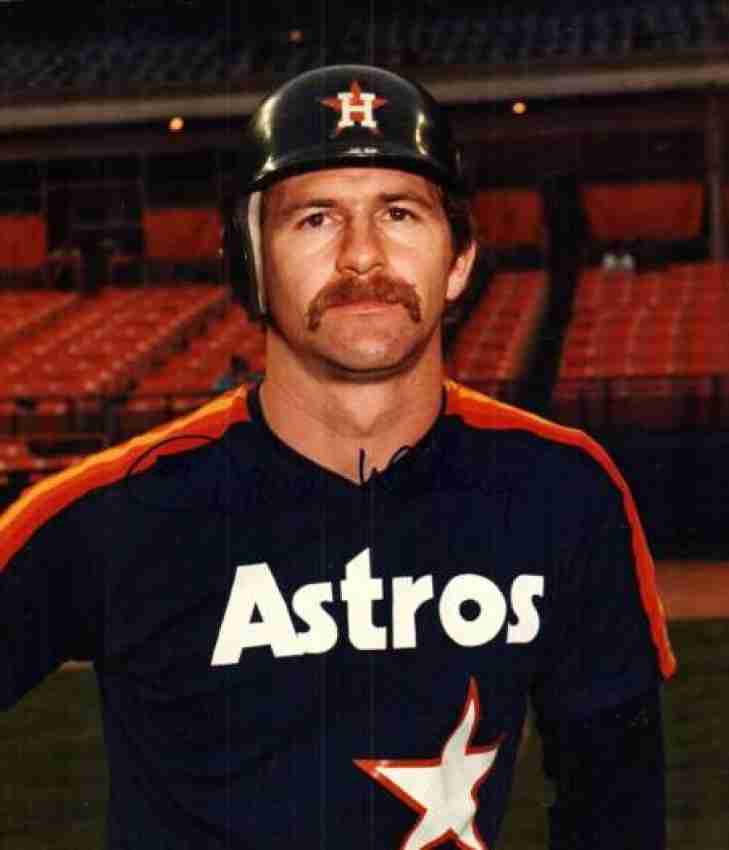
Denny Walling arrived in Houston via a trade with the Oakland Athletics in 1977, a left-handed hitter whose versatility and bat-to-ball skills would make him a permanent fixture in the Astrodome. While he never fit the mold of a traditional everyday starter, he carved out a niche as one of the most effective situational weapons in the National League.
In 1980, Walling proved himself on the national level. While he appeared in 100 regular-season games, his most iconic moment came in Game 3 of the 1980 NLCS against the Philadelphia Phillies. In the bottom of the 11th inning with the bases loaded, Walling demonstrated a focused intensity by delivering a walk-off sacrifice fly to score Rafael Landestoy, giving the Astros a 2–1 series lead. He followed this in the early eighties by continuing to provide specialized situational hitting, notably batting .327 in 1979 and maintaining a reputation for "good wood" as a premier pinch-hitter.
In 1986, Walling helped the Astros win the division title. Beyond his career-high .312 average and 13 home runs, he showed the organization he was a foundational winner during Mike Scott’s historic no-hitter on September 25. Walling provided the only run support needed that day with a solo home run, a tactical strike that clinched the National League West title for Houston.
Walling left the club in a late-season trade in August 1988, as the Astros found themselves in a tight pennant race with the Los Angeles Dodgers. Seeking to bolster their starting rotation for the final stretch, Houston traded Walling to the St. Louis Cardinals in exchange for veteran pitcher Bob Forsch.
In Space City, Walling had 726 hits, 340 RBIs, and a .280 batting average.
38. Dave Smith
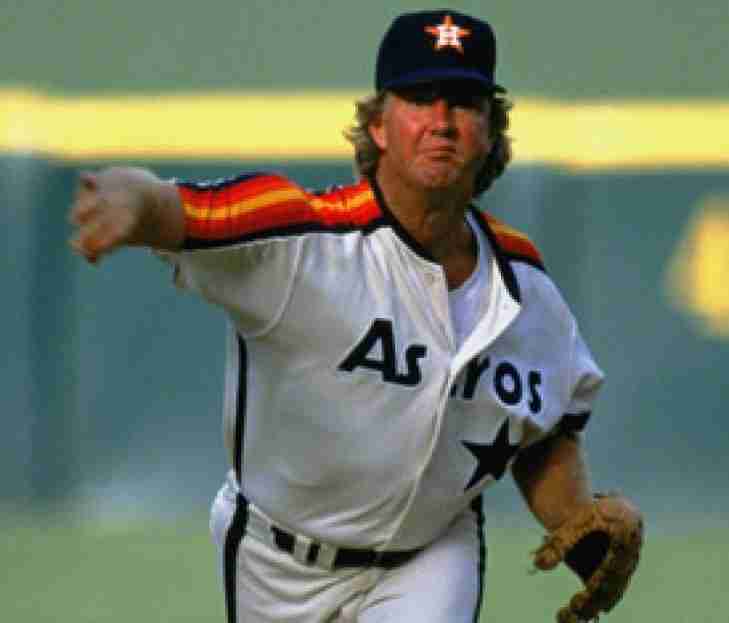
Dave Smith joined the Houston organization as an eighth-round selection in the 1976 draft out of San Diego State, a right-handed reliever who would eventually become the definitive bridge between the "Orange Force" era and the "Killer B’s.”
Debuting in 1980, he became the primary setup man during the 1980 division-title run, and he evolved into the team's full-time closer by 1985. He demonstrated a focused intensity that saw him record six consecutive seasons with at least 20 saves, a franchise record for consistency at the time. This period of rapid growth served as the essential lead-in to his status as a perennial All-Star, showing the organization that his sinker-slider repertoire was the perfect weapon to navigate the high-leverage pressures of the Astrodome.
In 1986, he evolved into one of the premier relievers in the sport, recording 33 saves and a microscopic 2.73 ERA to help lead the Astros to the NLCS. He showed the organization that he was a foundational winner by earning his first All-Star selection that summer, finishing the year as one of the league's most difficult pitchers to reach base against. He possessed a rare, durable quality that saw him record six seasons with a WHIP under 1.100, providing the steady-state production required to stabilize the back end of the Houston rotation for over a decade. He followed this with a second All-Star nod in 1990, when he saved 23 games with a career-best 1.89 ERA, proving his skill was as sharp at the end of his tenure as at the beginning.
Smith departed for the Chicago Cubs in 1991 as a free agent. With the Astros (1980–1990), Smith compiled a 53-47 record, 199 saves, and a 2.53 ERA.
27. Dallas Keuchel
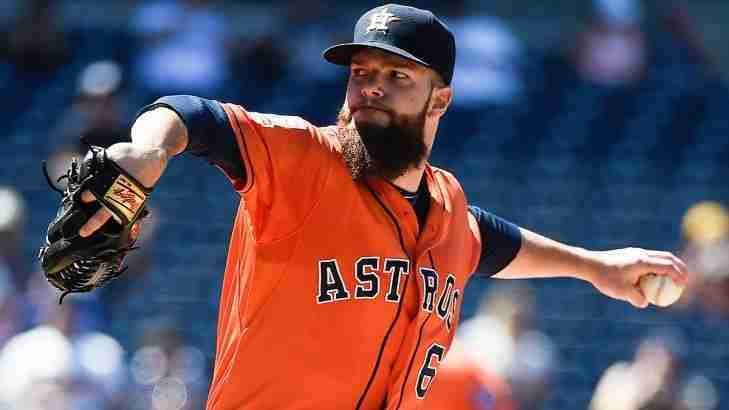
Dallas Keuchel joined the Houston organization as a seventh-round selection in the 2009 draft out of the University of Arkansas, a left-hander whose path to the big leagues was defined by a rapid three-year climb through the minors alongside fellow prospects Jose Altuve and J.D. Martinez. After debuting in 2012, he transitioned from a struggling young starter into the definitive ground-ball specialist of the American League, providing a specialized sinking fastball that few hitters could elevate.
The climb toward Keuchel’s historic 2015 peak was a study in high-frequency improvement and tactical refinement. After enduring a difficult introduction to the majors, he evolved into a frontline starter by 2014, earning his first of five career Gold Glove Awards for his elite defensive reliability. This period of rapid growth served as the essential lead-in to his most dominant run, showing that when a pitcher pairs a pinpoint changeup with focused intensity at the bottom of the strike zone, he can become a perennial award contender. By 2015, he had officially seized the role of the league’s premier southpaw, becoming a primary catalyst for the Astros' first postseason appearance in a decade.
That summer, he demonstrated a specialized ability to dismantle opposing lineups, recording a 20-8 record and a 2.48 ERA while leading the American League in wins and innings pitched. He showed the organization that he was a foundational winner, winning the Cy Young Award and finishing fifth in the MVP voting, a testament to his status as a certified ace. He possessed a rare, durable quality that allowed him to toss three complete games and two shutouts, providing the steady-state production required to turn Houston into a powerhouse. While he battled through injuries in the following years, he returned to All-Star form in 2017, posting a 14-5 record and a 2.90 ERA to help secure the franchise’s first-ever World Series title.
After amassing a 76-63 record and 945 strikeouts while wearing the Houston colors, Keuchel rejected a qualifying offer from the club, leading to a long wait on the open market due to draft-pick compensation rules. He eventually signed a one-year deal with the Atlanta Braves in June 2019.