


Site Admin
129. Cupid Childs
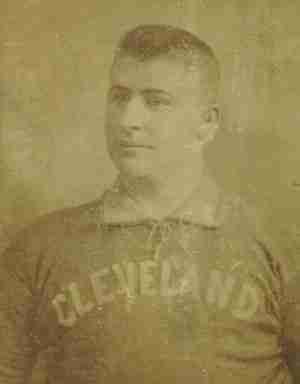
A slick hitting Second Baseman, who was pretty good on the field too, Cupid Childs was one of the top stars for the Cleveland Spiders and was one of the top leadoff hitters in the 1890’s
Childs showcased a keen batting eye and was often in the top ten in On Base Percentage. His .416 OBP is actually number three all-time for Second Basemen. Childs was a gifted athlete, but he never delivered power numbers even by 1890’s standards. Had he been the type of batter who delivered more extra-base hits, it is very possible that he would have been a Cooperstown candidate. As it stands now, we expect him to remain buried among other candidates on the Veterans Committee desktop.
Should Cupid Childs be in the Hall of Fame?
96. Wilbur Cooper
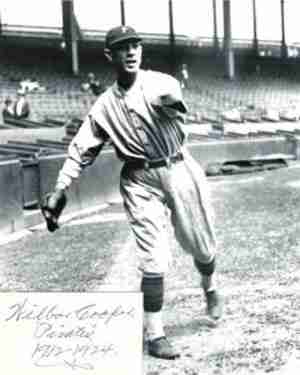
Although Wilbur Cooper is considered one of the best pitchers in Pittsburgh Pirates history, his legacy is often forgotten because it was so long ago. From 1917 to 1924, Cooper was at his best and was in the top ten regularly in virtually every pitching category in the National League. He was the first left-hander in the NL to hit 200 wins, but his overall total in that department did not exceed much more than that. Advanced metrics have given Cooper a bit more of a look again, but at the very least, he should be remembered with greater fondness in the Steel City than he is currently. Had he played for a World Series team, he probably would be.
38. Bob Caruthers
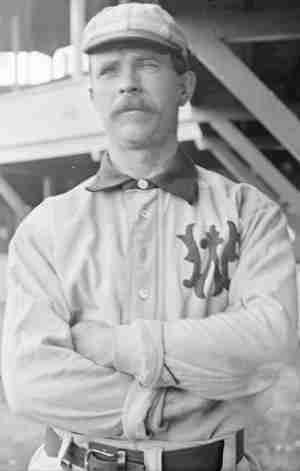
For about six seasons, Bob Caruthers was considered one of the best pitchers in baseball. Sadly, because his career lasted only nine seasons, his impact on the game may not have allowed him to cement himself as one of the great early pitchers.
‘Parisian’ Bob Caruthers was not a flame-throwing Pitcher who relied more on outsmarting batters than powering past them. To this day, he holds one of the top career winning percentages in Baseball (.688) and twice led the American Association in victories. Caruthers was an excellent batter who also posted significant offensive numbers for a few seasons. Caruthers would struggle, though, with arm trouble and could not adjust to the farther pitcher’s mound. As the length of his career was not overly long, the ledger for Bob Caruthers’ Hall of Fame candidacy becomes a little difficult for some to justify, especially if we look at only nine years of service, but again, how tight is that on pre-1900 players?
Should Bob Caruthers be in the Hall of Fame?
24. Tony Mullane
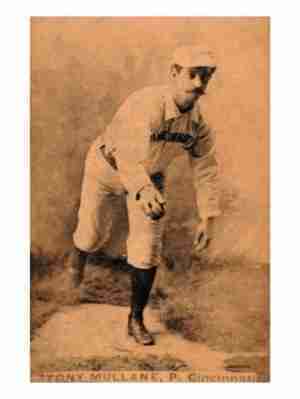
How many people pointed at Bert Blyleven’s 287 career wins year after year and championed his Hall of Fame cause? We don’t know the exact number, but we are sure that it is a lot more than those who created logs extolling the virtues of Tony Mullane’s 284 Major League victories.
Maybe people should marvel at those wins. Mullane was an ambidextrous hurler who could easily baffle batters, as back in his day, pitchers did not wear gloves, thus they had no idea which arm he would throw with. Mullane was an innings-eater who recorded 30 wins on multiple occasions. Like many in his day, Mullane was a very much a free spirit who challenged the reserve clause, was suspended for the 1885 season, and sat out part of the 1892 season in protest over pay cuts. This may have cost him the magical 300-win number, and the fact that he played in the American Association (and not the National League) and had subpar seasons late in his career has made the switch-pitching Tony Mullane a distant afterthought among the folks at Cooperstown.
Should Tony Mullane be in the Hall of Fame?