


Committee Chairman
156. Elston Howard
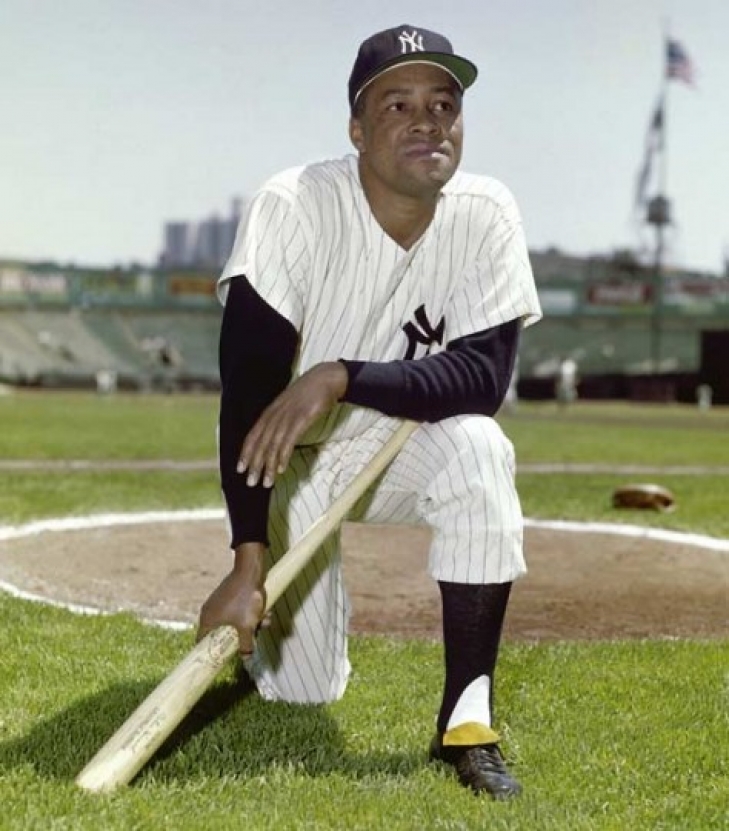
Elston Howard's professional career began in the Negro Leagues with the Kansas City Monarchs in 1948, but the New York Yankees signed him in 1950. After two years in the military and two years in the minors, Howard debuted in pinstripes in 1955.
Howard had learned how to be a Catcher, but with Yogi Berra in tow, he was used as a backup there. He would receive playing time in the 1950s, either as a backup in the Outfield or occasionally at First Base. Playing for the Yankees gave him national attention, and he was regularly named to the All-Star Games despite not having a central position. New York won the World Series in 1956 and 1958, but by 1961, he was finally set to take up the Catcher's position on a regular basis.
Howard again helped the Yanks win the World Series in 1961 and 1962, and in 1963, when he hit a career-high 28 Home Runs, he won the American League MVP. Howard’s nine-year streak of All-Star Games ended in 1965, and he finished his career in 1968 with two final years as a Red Sox.
He would later win two more World Series rings with the Yankees as a Coach in 1977 and 1978.
148. Silver King
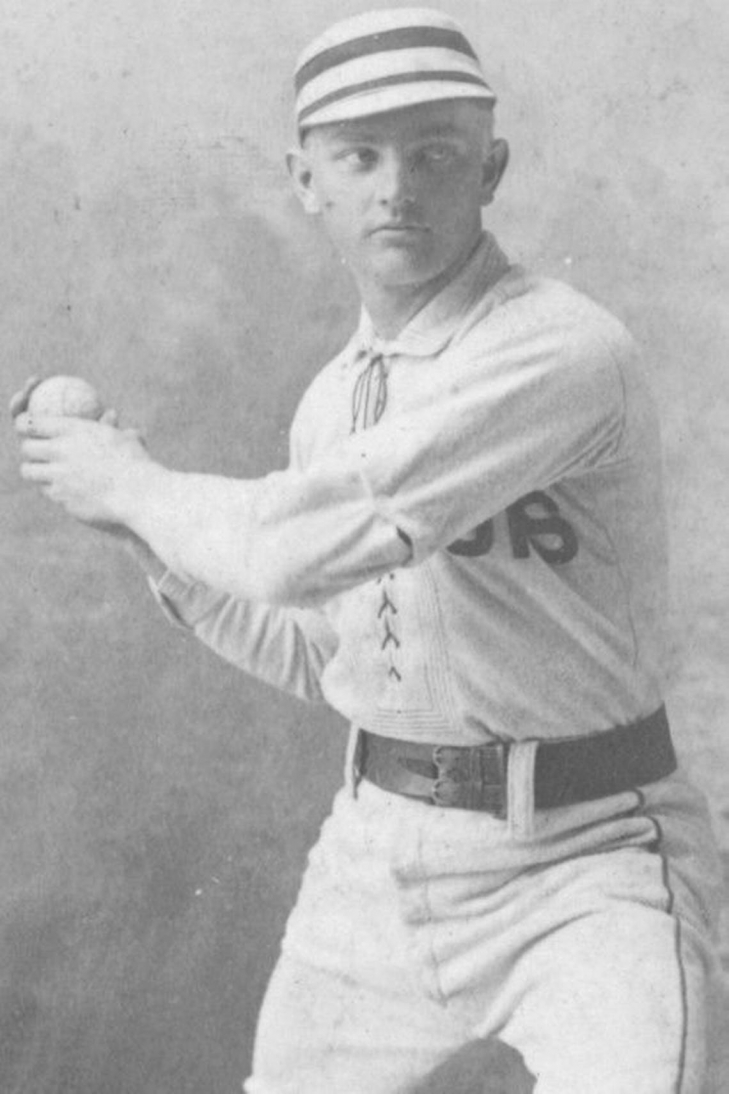
Silver King is quite the name, isn't it? This was the name of the man whose birth certificate stated, Charles Frederick Koenig, but doesn't this name sound more fun?
King debuted in 1886, playing a handful of games with the Kansas City Cowboys, but it was the three seasons that followed that put him on the map. These years were spent with the American Association's St. Louis Browns, where he won at least 32 Games each year. Known for his lack of windup and sidearm delivery, King had a monster season in 1888, where he led the league in Wins (45), ERA (1.63), Innings Pitched (584.2), FIP (2.38), WHIP (0.874), and SO/BB (3.39). The Browns won two AA Pennants while King was there.
Like many players in 1890, King joined the Players’ League, where, with the Chicago Pirates, he won the ERA Title (2.69) and led the league in H/9 (8.2). The league folded after that, and he went to the Pittsburgh Pirates of the National League, but he was beginning to suffer from arm fatigue and wasn't the same. He continued for a few years after, but he was done by 1897.
He retired with a 203-152 record.
127. Ron Cey
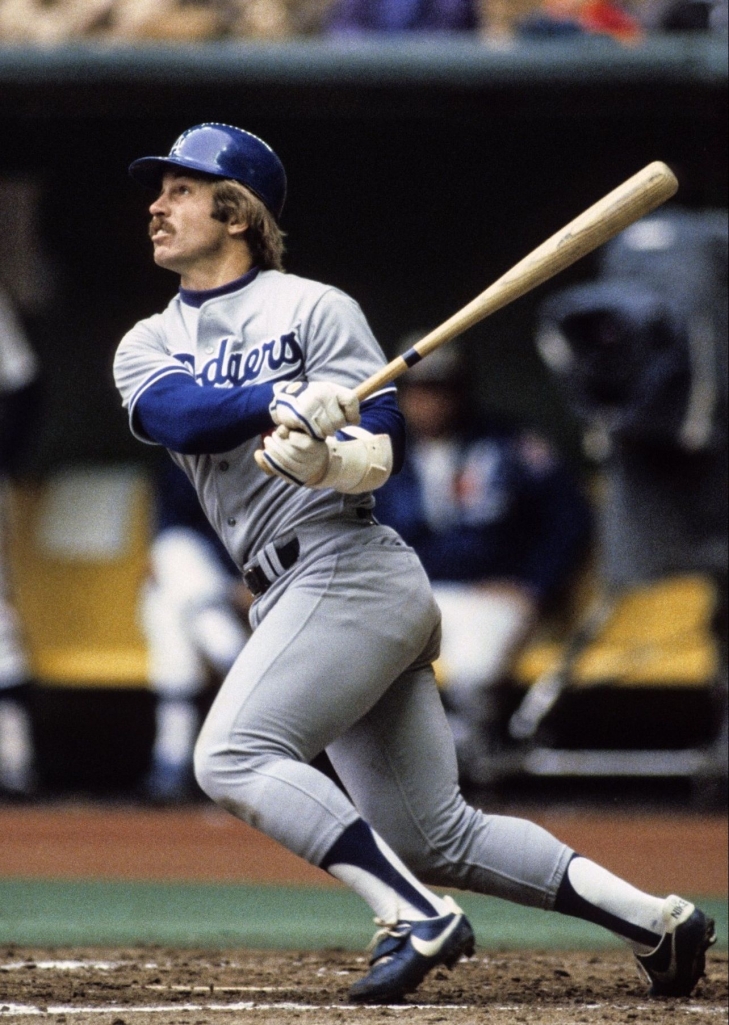
The Los Angeles Dodgers were an excellent team in the 1970s and early 80s, and Ron Cey was a part of it.
Nicknamed the "Penguin" for the way he moved, this was one non-flying bird that could play baseball. Cey played at Third, winning that job in 1973 for L.A., and in the next season, he began a six-year streak of All-Star Game appearances. From 1974 to 1980, he was a 20 plus Home Run hitter, and he probably would have extended that in 1981, had there not been a strike that year. Nevertheless, that was the season he was a large part of the Dodgers' World Series Championship, and he was a co-winner of the World Series MVP.
Cey began a new four-year 20-home-run streak in 1982, but in 1983, he was traded to the Chicago Cubs, where he helped them reach the 1984 playoffs. Cey played until 1987, retiring with 316 Home Runs.
132. Willie Davis
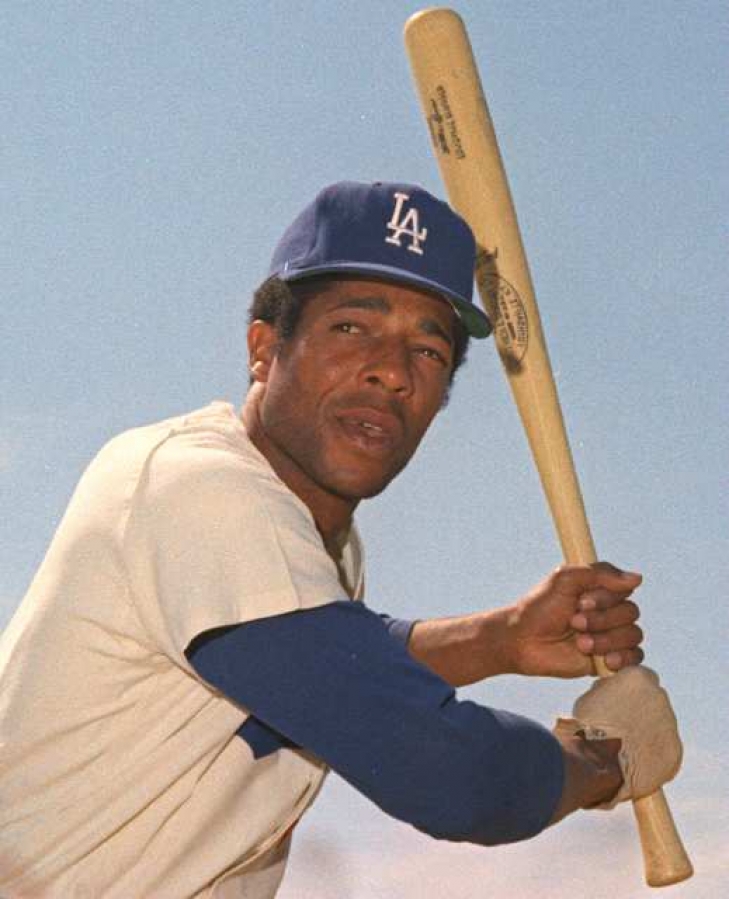
Willie Davis played most of his career with the Los Angeles Dodgers, where he did an excellent job at the top of the order and defensively in Centerfield.
Davis first made the Dodgers roster in 1960, and he would eventually replace the legendary Duke Snider in Centerfield. He was one of the fastest baseball players, who used to chase down balls in the outfield and befuddle opponents on the base paths. Early in his career, he helped the Dodgers win two World Series Championships (1963 & 1965), and in the early 70s, he won three Gold Gloves.
Davis had 13 20-plus stolen base years, with a total of 398. Twice leading the National League in Triples, he would go to two All-Star Games. He finished his career with brief stints in Montreal, Texas, St. Louis, San Diego, and California, and he retired in 1979 with 2,571 Hits and 182 Home Runs.
As for the Baseball Hall of Fame, Willie Davis never received a vote, but that was primarily because he wasn't even on the ballot! Davis had to be considered the best player in the modern era, yet never received a slot on the Hall of Fame ballot.